“Adaptogen” is one of the most over-used words in the wellness vocabulary, attached to everything from ashwagandha (real evidence) to obscure Amazonian barks (no evidence at all). This guide does something most adaptogen lists don’t: ranks seven herbs by the actual quality of their clinical research, explains what the word adaptogen originally meant, and gives you an honest picture of which adaptogens are worth trying and which are marketing.
The word “adaptogen” was coined by Soviet pharmacologist Nikolai Lazarev in the 1940s to describe substances that produce “a state of increased non-specific resistance” to physical, chemical, and biological stressors. In 1969, Brekhman and Dardymov refined the criteria: to qualify as an adaptogen, a substance must (1) be non-toxic at normal doses, (2) produce a non-specific response that increases resistance to a wide range of stressors, and (3) have a normalizing influence — helping bring an imbalanced system back toward baseline.
These criteria were developed well before modern clinical trial standards. Today, “adaptogen” is more of a traditional category than a scientific one. Some herbs in the category have real clinical data for stress and cortisol; others have folklore and marketing. Here’s how I’d rank the seven most-researched.
Key Takeaways
- Ashwagandha has the strongest clinical evidence for stress and cortisol reduction at 300–600 mg/day of standardized extract.
- Rhodiola has the best evidence for acute mental fatigue and burnout symptoms.
- Holy basil (tulsi) has meaningful evidence for chronic stress and metabolic markers.
- Reishi and cordyceps are the functional mushrooms with the strongest claims to adaptogen status.
- Thyroid, autoimmune, and pregnancy contraindications apply to most adaptogens — read the safety notes before using.
1. Ashwagandha (Withania somnifera) — Strongest Evidence
Ashwagandha is the adaptogen with the most replicated human clinical data. The Chandrasekhar 2012 RCT gave chronically stressed adults 300 mg of KSM-66 extract twice daily for 60 days and found significant reductions in perceived stress scores and morning serum cortisol vs placebo. Multiple subsequent trials have generally replicated this finding.
It also has meaningful data for sleep (Salve 2019), strength training adaptation (Wankhede 2015), and anxiety symptom reduction. Among traditional adaptogens, it is the closest thing we have to an evidence-based option for stress.
Dosing: 300–600 mg/day of standardized KSM-66 or Sensoril extract, for at least 8 weeks.
Critical cautions: contraindicated in pregnancy, hyperthyroidism, and autoimmune disease; documented case reports of thyrotoxicosis and one kidney transplant rejection. Full details in our ashwagandha benefits guide.
2. Rhodiola (Rhodiola rosea) — Best for Acute Mental Fatigue
Rhodiola rosea is a hardy mountain plant native to Siberia and northern Europe, used in Russian and Scandinavian traditional medicine for fatigue, cold tolerance, and physical endurance. Modern research on standardized rhodiola root extract (typically SHR-5 or similar) supports its use for:
- Mental fatigue and burnout: A 2000 Darbinyan study in medical students during exam periods showed rhodiola improved physical fitness, neuro-motor tests, and general well-being. Several subsequent trials have reinforced this for burnout symptoms and exhaustion.
- Acute stress response: A 2011 Hung meta-analysis suggested rhodiola may have benefits for stress-related fatigue and mental performance under stress.
- Depression (preliminary): A 2015 trial compared rhodiola to sertraline for mild-to-moderate depression, finding rhodiola produced smaller but measurable improvements with a much better side-effect profile.
The mechanism is believed to involve modulation of cortisol, serotonin, and norepinephrine pathways, with specific effects on mental performance under stress.
Dosing: 200–600 mg/day of standardized extract (3% rosavins, 1% salidroside).
Cautions: can be mildly stimulating — take in the morning, not near bedtime. Generally well tolerated. Theoretical caution with bipolar disorder (may trigger manic symptoms) and with MAO inhibitors.
3. Holy Basil / Tulsi (Ocimum sanctum) — The Traditional All-Rounder
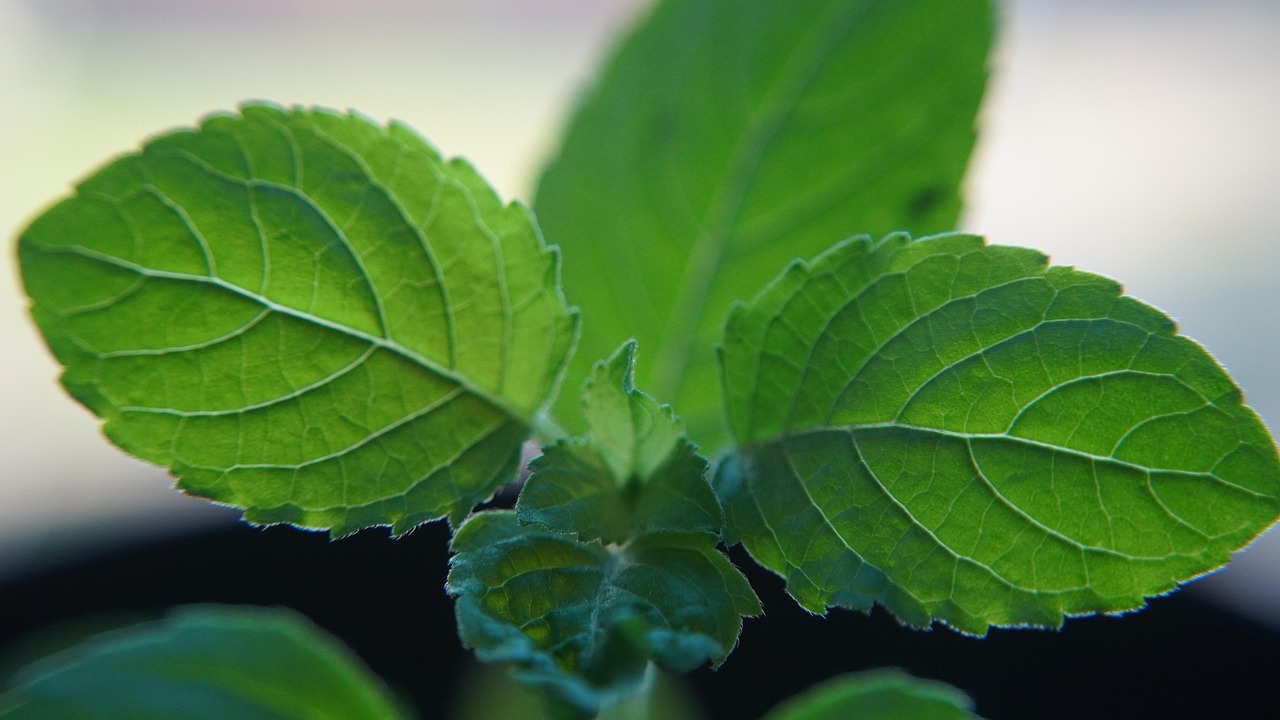
Holy basil or tulsi has a long history in Ayurvedic medicine as a daily tonic, and modern research supports its use for stress symptoms and metabolic health. A 2012 Saxena RCT in generalized anxiety disorder showed tulsi extract (500 mg twice daily for 60 days) significantly reduced anxiety and stress scores compared to placebo. Other studies have examined tulsi for blood sugar regulation, cognitive function, and mood.
The evidence base is smaller than ashwagandha or rhodiola, but consistent and encouraging. Tulsi is also notably well-tolerated and pleasant to take as a daily tea, which makes it a good entry-level adaptogen for people who don’t want to jump straight to capsules.
Dosing: 300–600 mg/day of extract, or 1–2 cups of tulsi tea daily.
Cautions: may lower blood sugar (monitor if diabetic); mild anticoagulant effect (caution with warfarin); limited pregnancy data (avoid medicinal doses).
4. Reishi (Ganoderma lucidum) — The Calming Adaptogen
Reishi is technically a mushroom, not a plant, but it fits the adaptogen framework and has been used in traditional Chinese medicine for stress resilience and longevity for over 2,000 years. Modern research on reishi is extensive (see our reishi benefits guide), with documented effects on sleep quality, immune modulation, and cortisol.
Reishi is the adaptogen I’d recommend for people who need the “calming, grounding” end of the adaptogen spectrum rather than the “energy and focus” end. It is not stimulating and is commonly taken in the evening.
Dosing: 1–3 g/day of fruiting body extract.
Cautions: mild anticoagulant activity (caution with warfarin), blood pressure effects, pregnancy insufficient data.
5. Cordyceps (Cordyceps militaris) — The Energy Adaptogen (With Caveats)
Cordyceps is traditionally positioned as an energy and endurance adaptogen, but as covered in our cordyceps guide, the exercise performance evidence is inconsistent. Where cordyceps does have reasonable data is for fatigue reduction in older adults and for mild immune and respiratory support.
Include it in a stack if you want the “functional mushroom” angle on an adaptogen routine, but don’t expect it to transform your workouts.
Dosing: 1–3 g/day.
Cautions: anticoagulant interaction, diabetes medication interaction.
6. Eleuthero (Eleutherococcus senticosus)
Eleuthero, sometimes called “Siberian ginseng” (despite not being a true ginseng), has a moderate evidence base — largely from Soviet-era research that does not meet modern clinical trial standards, plus a few more recent Western trials showing modest benefits for fatigue and immune markers. Eleuthero is often included in adaptogen formulas as a supportive herb rather than a primary.
Dosing: 300–1200 mg/day of standardized extract.
Cautions: stimulating — AM dosing; avoid in hypertension; theoretical digoxin interaction.
7. Schisandra (Schisandra chinensis)
Schisandra berries are a traditional Chinese herb often included in adaptogen blends. The evidence base is smaller — some research supports hepatoprotective effects, modest cognitive and endurance benefits, and a mild anxiolytic profile. Panossian’s 2013 review summarized the adaptogen literature on schisandra with generally positive but preliminary conclusions.
Dosing: 500–1500 mg/day of berry extract.
Cautions: may affect liver enzyme activity; caution with drugs metabolized by CYP3A4; pregnancy insufficient data.
Safety Profile: 7 Adaptogenic Herbs — Aggregate Overview
This article covers seven adaptogens. Shared cautions appear first; per-herb specifics follow.
Cross-adaptogen cautions (apply to most or all)
- Contraindications
- Autoimmune disease: most adaptogens have immune-modulating effects (ashwagandha, eleuthero, schisandra, reishi, cordyceps particularly) — stimulating an already hyperactive immune system is contraindicated in conditions such as lupus, rheumatoid arthritis, multiple sclerosis, and Hashimoto’s thyroiditis. Hyperthyroidism: ashwagandha and eleuthero have documented thyroid-stimulating effects and are contraindicated if thyroid hormone levels are already elevated.
- Drug interactions
- Anticoagulants (warfarin, DOACs): ashwagandha, rhodiola, tulsi, reishi, and cordyceps all have mild antiplatelet or anticoagulant activity; combinations with anticoagulant drugs require clinician supervision. Immunosuppressants (tacrolimus, cyclosporine): immune-modulating adaptogens may interfere with organ transplant medications — one case report of ashwagandha contributing to kidney transplant rejection exists. Psychiatric and thyroid medications: ashwagandha may alter thyroid hormone levels; rhodiola has theoretical MAO inhibitor interaction; eleuthero has a documented digoxin interaction.
- Pregnancy / lactation
- Ashwagandha is contraindicated in pregnancy — MSK cites evidence it “may induce abortion at higher doses”; avoid entirely if pregnant or trying to conceive. Most other adaptogens in this article (rhodiola, tulsi, schisandra, eleuthero) have insufficient human safety data in pregnancy; the precautionary principle applies — avoid medicinal doses. Reishi and cordyceps pregnancy safety is undetermined; culinary/food amounts are not evaluated separately. During lactation, none of these herbs have adequate safety data; consult a healthcare provider before use.
- Maximum recommended daily dose
- Per-herb reference doses: Ashwagandha 300–600 mg/day (KSM-66 or Sensoril standardized extract; do not exceed 600 mg/day). Rhodiola 200–600 mg/day (standardized to 3% rosavins / 1% salidroside). Holy basil (tulsi) 300–600 mg extract/day or 1–2 cups tea. Reishi 1–3 g/day fruiting body extract. Cordyceps 1–3 g/day. Eleuthero 300–1,200 mg/day standardized extract. Schisandra 500–1,500 mg/day berry extract.
- Do not use if
-
- You have an autoimmune disease (lupus, RA, MS, Hashimoto’s) — immune stimulation may worsen symptoms
- You are pregnant (ashwagandha is firmly contraindicated; most others lack safety data)
- You take immunosuppressant medications (transplant or autoimmune treatment)
- You are scheduled for surgery within 2 weeks (anticoagulant-active adaptogens: ashwagandha, reishi, tulsi)
- You have hyperthyroidism (ashwagandha and eleuthero have thyroid-stimulating effects)
- You take MAO inhibitors (rhodiola theoretical interaction; avoid combination)
How to Choose Based on Your Stress Pattern
Different adaptogens suit different stress patterns. Here’s a rough decision framework:
- “I’m exhausted and foggy, but also wired and anxious.” → Ashwagandha. It modulates cortisol in both directions and tends to calm and restore simultaneously.
- “I’m in burnout — mentally flat, can’t focus, no energy.” → Rhodiola. It’s the most stimulating of the adaptogens and has the best evidence for mental fatigue.
- “I want a daily background tonic, nothing dramatic.” → Holy basil (tulsi) as tea. Mild, pleasant, sustainable.
- “My stress shows up as poor sleep.” → Reishi in the evening, paired with ashwagandha in the evening if desired.
- “I want a functional mushroom stack.” → Reishi + cordyceps + lion’s mane together (see our mushroom comparison).
- “I want maximum effect from a single supplement.” → Ashwagandha KSM-66 at 600 mg/day for 8 weeks.
Stacking Adaptogens

Some combinations work well; others are redundant. Reasonable pairings:
- Ashwagandha (evening) + Rhodiola (morning) — classic calming/stimulating balance.
- Reishi (evening) + Lion’s mane (morning) — mushroom-based cognitive and sleep support.
- Tulsi tea (daily) + Ashwagandha (evening) — gentle background support plus evening stress relief.
Avoid stacking multiple adaptogens with similar mechanisms or similar interaction profiles (for example, multiple anticoagulant-interacting herbs together increases bleeding risk more than the sum of their individual risks).
When Adaptogens Are NOT the Answer

Some honesty here, because this section is missing from almost every adaptogen article. Adaptogens are not appropriate for:
- Clinical anxiety disorders or major depression requiring professional treatment. These deserve evidence-based psychotherapy and, where appropriate, medication. Adaptogens can be a complement but not a substitute.
- Acute life crisis stress. If you are in a traumatic situation or acute grief, the appropriate response is usually human support and professional help, not a supplement.
- Stress caused by unsustainable work demands, relationships, or living conditions. Adaptogens do not fix your job or your life. At best they help you tolerate a bad situation slightly longer, which may not be the outcome you actually want.
- Sleep deprivation. If you are chronically under-slept, no supplement will outperform the effect of actually sleeping more.
- Nutritional deficiencies. If your “stress” is partly untreated iron deficiency, thyroid dysfunction, B12 deficiency, or similar, the solution is to identify and treat the underlying issue.
Adaptogens work best as a complement to good sleep, reasonable workload, movement, connection, and nutrition — not as a replacement for them.
The Bottom Line
The adaptogen category is a mix of well-researched herbs with real evidence (ashwagandha, rhodiola, tulsi, reishi) and less-researched ones that deserve more skeptical framing. If you want to try one, ashwagandha has the best evidence, but it also has the most serious contraindications. If you want a gentle daily tonic, tulsi tea is the most forgiving entry point. If you’re in burnout, rhodiola is probably the better acute choice.
And remember: if your stress isn’t responding to supplements and lifestyle improvements, it may not be a supplement problem. The herbs that actually work for stress have a modest effect size — they help, but they are not miracles, and chronic unmanaged stress deserves real attention beyond what any supplement can offer.
See also: ashwagandha benefits, best herbs for sleep, reishi benefits.
References
- Panossian A, Wikman G. “Effects of Adaptogens on the Central Nervous System and the Molecular Mechanisms Associated with Their Stress-Protective Activity.” Pharmaceuticals (Basel). 2010;3(1):188–224.
- Chandrasekhar K et al. “A prospective, randomized double-blind, placebo-controlled study of safety and efficacy of a high-concentration full-spectrum extract of ashwagandha root.” Indian J Psychol Med. 2012;34(3):255–262.
- Hung SK, Perry R, Ernst E. “The effectiveness and efficacy of Rhodiola rosea L.: a systematic review of randomized clinical trials.” Phytomedicine. 2011;18(4):235–244.
- Saxena RC et al. “Efficacy of an Extract of Ocimum tenuiflorum (OciBest) in the Management of General Stress.” Evid Based Complement Alternat Med. 2012.