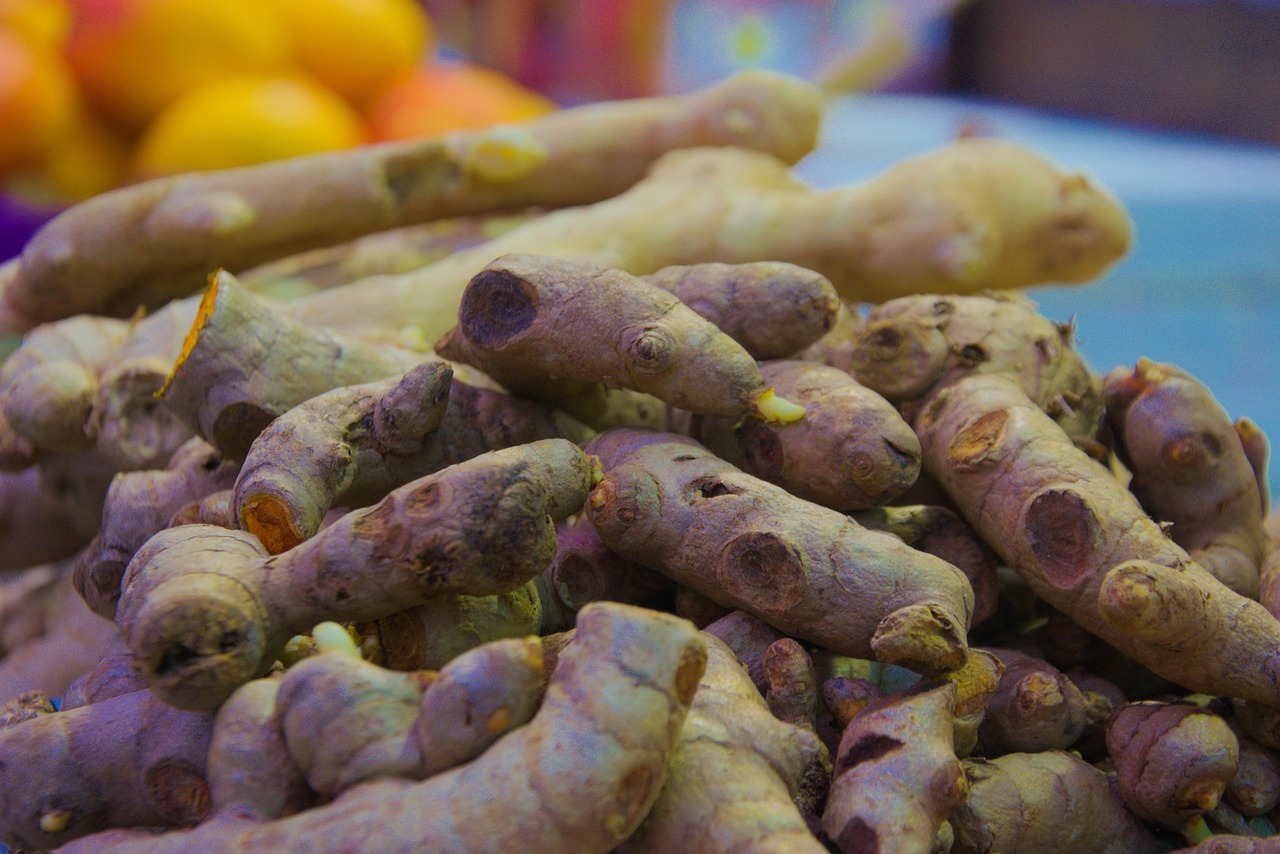
“Anti-inflammatory” is the most over-applied marketing term in the supplement aisle, attached to everything from turmeric (real evidence) to obscure berries with zero clinical data. This guide takes a different approach: it covers six herbs with actual human clinical trials for measurable inflammation markers or inflammatory condition outcomes, ranks them by evidence quality, and is honest about the gap between “anti-inflammatory in a cell culture dish” and “meaningful relief from chronic inflammation in a real person.”
It also addresses something supplement content almost never mentions: chronic inflammation is mostly a diet and lifestyle problem, and no herb or spice is going to fix a body that is chronically inflamed by poor sleep, stress, ultraprocessed food, and sedentary living. Herbs can meaningfully help at the margin. They are not the first intervention.
Key Takeaways
- Turmeric / curcumin has the strongest evidence — multiple meta-analyses support it for osteoarthritis pain, comparable to NSAIDs.
- Ginger has real clinical data for osteoarthritis and exercise-induced muscle soreness.
- Boswellia serrata has good evidence for inflammatory joint conditions.
- Green tea (EGCG) shows broad anti-inflammatory effects on biomarkers but modest clinical outcomes.
- Diet and lifestyle changes usually outperform herbal supplementation for chronic inflammation.
A Word on “Inflammation” as a Concept

Before the ranked list, it’s worth saying something about what “inflammation” actually means — because the word is used so loosely in wellness content that it has lost most of its precision.
Acute inflammation is the body’s normal, protective response to injury or infection. Redness, heat, swelling, pain. You don’t want to suppress acute inflammation unnecessarily — it’s how you heal.
Chronic inflammation is a low-grade, persistent activation of inflammatory pathways that is associated with cardiovascular disease, type 2 diabetes, neurodegenerative disease, autoimmune conditions, and many cancers. It is typically measured by blood markers like C-reactive protein (CRP), interleukin-6 (IL-6), and tumor necrosis factor alpha (TNF-α).
Most “anti-inflammatory herbs” research measures either biomarkers (CRP, IL-6) or specific condition outcomes (osteoarthritis pain, exercise soreness). These are different endpoints, and an herb that moves CRP a small amount may or may not produce symptoms you notice in daily life.
1. Turmeric / Curcumin (Strongest Evidence)
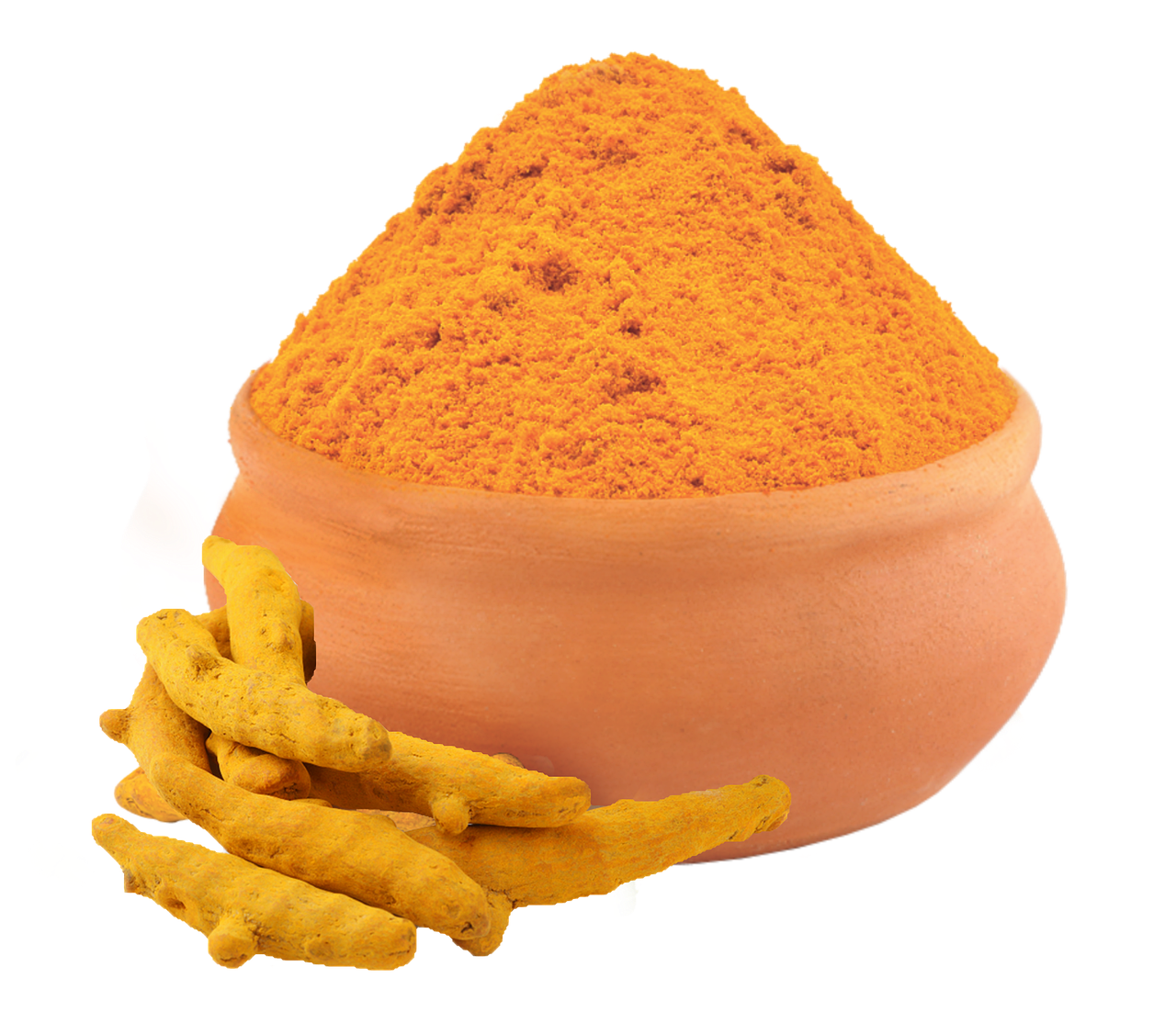
Curcumin — the primary active compound in turmeric root — has the most developed clinical evidence base for inflammation of any herb on this list. Daily et al. 2016 published a meta-analysis in the Journal of Medicinal Food of curcumin trials for arthritis. The conclusion: curcumin at doses around 1,000 mg/day produced pain reduction in osteoarthritis comparable to common NSAIDs, with a better GI tolerability profile. Multiple subsequent trials have reinforced this.
Evidence for other indications — inflammatory biomarkers in general, depression with inflammatory component, inflammatory bowel disease — is promising but less developed.
What to use: curcumin specifically, not plain turmeric powder, because of the bioavailability problem. Choose Meriva, Theracurmin, BCM-95, or liposomal formulations over plain curcumin or piperine-enhanced capsules.
Dose: 500–1,000 mg/day curcumin equivalent.
Critical caution: 2022–2023 case reports of turmeric-induced liver injury at supplement doses. Full details in our turmeric benefits guide. Do not combine with anticoagulants, chemotherapy, or high-dose NSAIDs without medical supervision.
2. Ginger (Real Clinical Data)
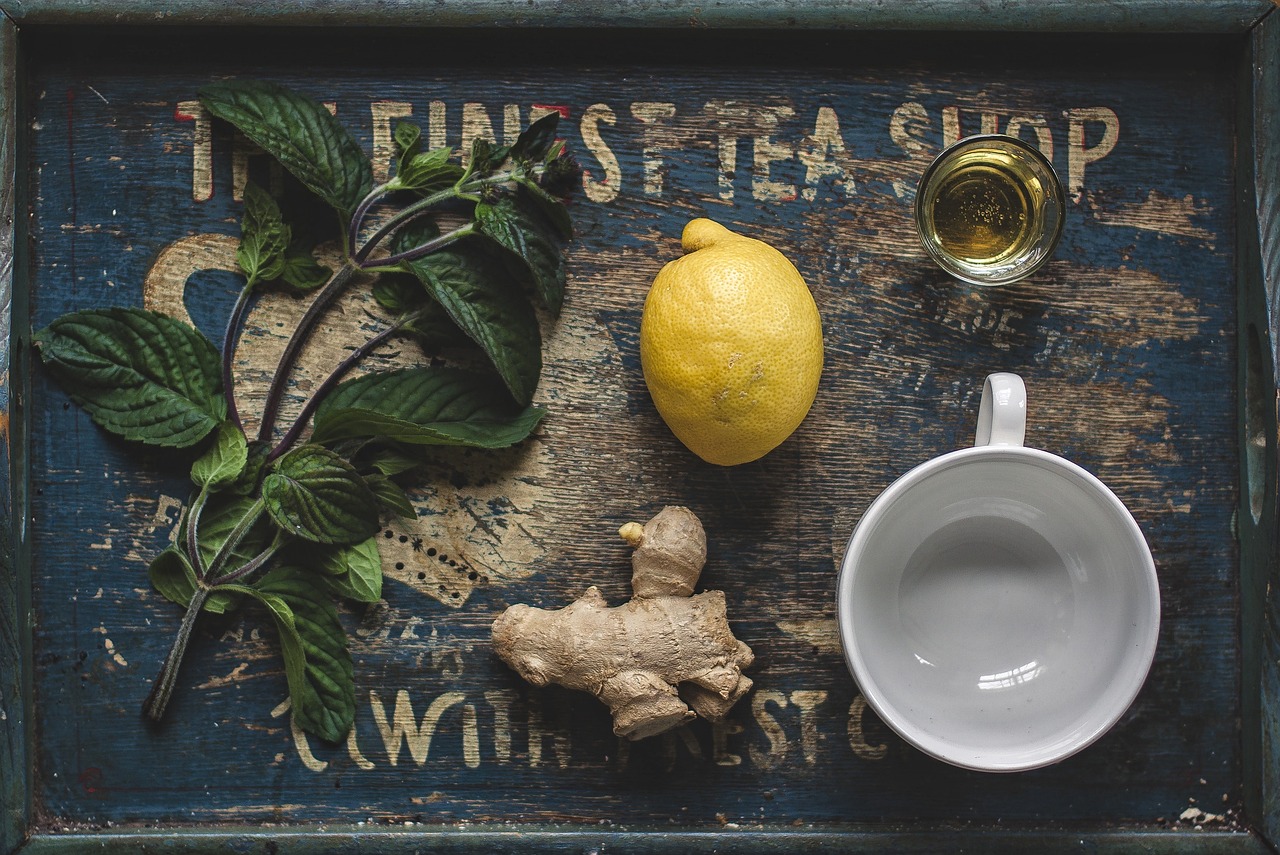
Ginger has a solid evidence base for several inflammation-related applications. A 2015 Bartels meta-analysis in Osteoarthritis and Cartilage found ginger extract produced modest but statistically significant improvements in osteoarthritis pain and function vs placebo. Other trials have examined ginger for exercise-induced muscle soreness (moderately positive), nausea (strongly positive), and dysmenorrhea (positive).
The active compounds — gingerols and shogaols — inhibit COX and LOX enzymes in inflammation pathways, a similar mechanism to NSAIDs but weaker in magnitude.
Dose: 500–2,000 mg/day of dried ginger extract; or 1–2 grams of fresh ginger daily as food/tea.
Cautions: antiplatelet effects (caution with anticoagulants); heartburn/reflux in some people; caution at medicinal doses during pregnancy (culinary amounts are fine).
3. Boswellia serrata (Indian Frankincense)
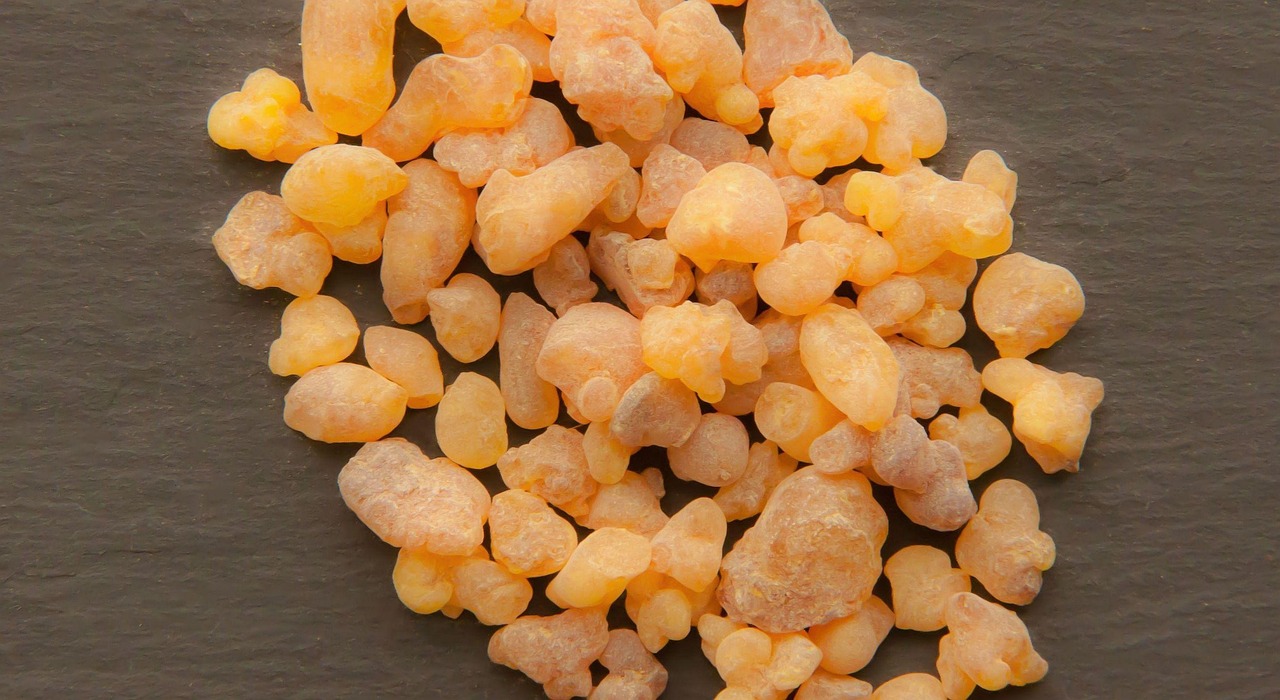
Boswellia, also known as Indian frankincense, is a resin traditionally used in Ayurvedic medicine for joint conditions. The active compounds (boswellic acids, particularly AKBA) inhibit 5-lipoxygenase, an enzyme in a different inflammation pathway than the COX enzymes targeted by NSAIDs and curcumin.
This different mechanism is actually interesting: multiple clinical trials support boswellia for osteoarthritis, and some evidence also supports use in inflammatory bowel disease and asthma. A 2011 Siddiqui review summarized the clinical data favorably.
Boswellia is often combined with curcumin in commercial joint formulas, and the combination may be more effective than either alone for osteoarthritis.
Dose: 300–500 mg of standardized extract (containing 60%+ boswellic acids) two to three times daily.
Cautions: generally well tolerated; mild GI upset in some people; theoretical interaction with anticoagulants and immunosuppressants.
4. Green Tea (EGCG)
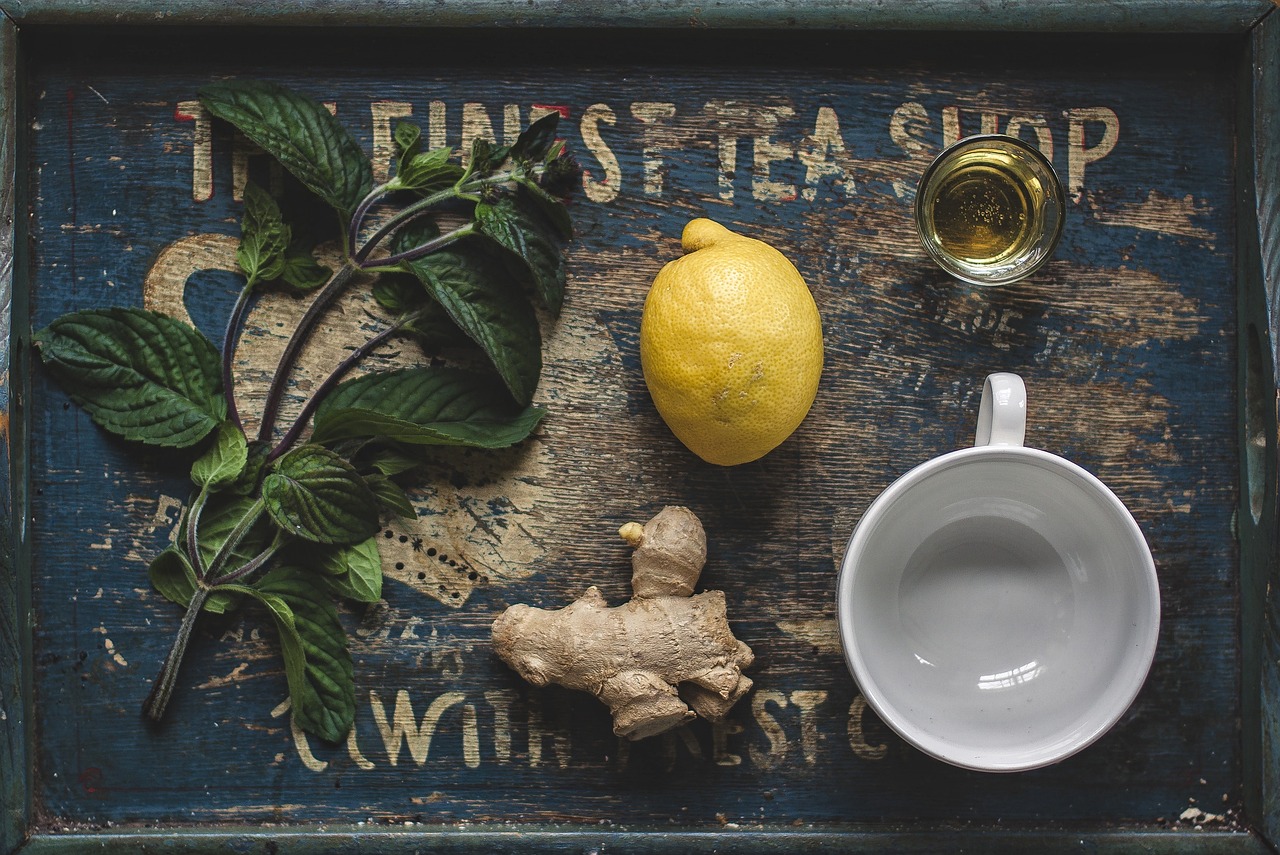
Green tea catechins, particularly epigallocatechin gallate (EGCG), have been studied extensively for inflammatory biomarkers and cardiovascular risk factors. Reygaert’s 2018 review summarized the mechanisms — EGCG modulates NF-κB signaling, reduces oxidative stress, and affects cytokine production.
Clinical trials show modest effects on CRP, IL-6, and related markers. Outcome studies for specific inflammatory conditions are less consistent. The catch: many of the meaningful effects of EGCG come from the whole green tea preparation (drinking multiple cups daily), and high-dose EGCG supplements have been associated with rare hepatotoxicity.
What to use: drinking 2–4 cups of quality green tea daily is the safest and best-researched form. EGCG supplements are more convenient but carry a real liver injury risk signal at high doses.
Dose: 2–4 cups brewed green tea per day, or up to 400 mg EGCG from supplement (don’t exceed this without clinical supervision).
Cautions: high-dose EGCG supplements associated with hepatotoxicity case reports; caffeine content; may reduce iron absorption.
5. Rosemary (Carnosic Acid)
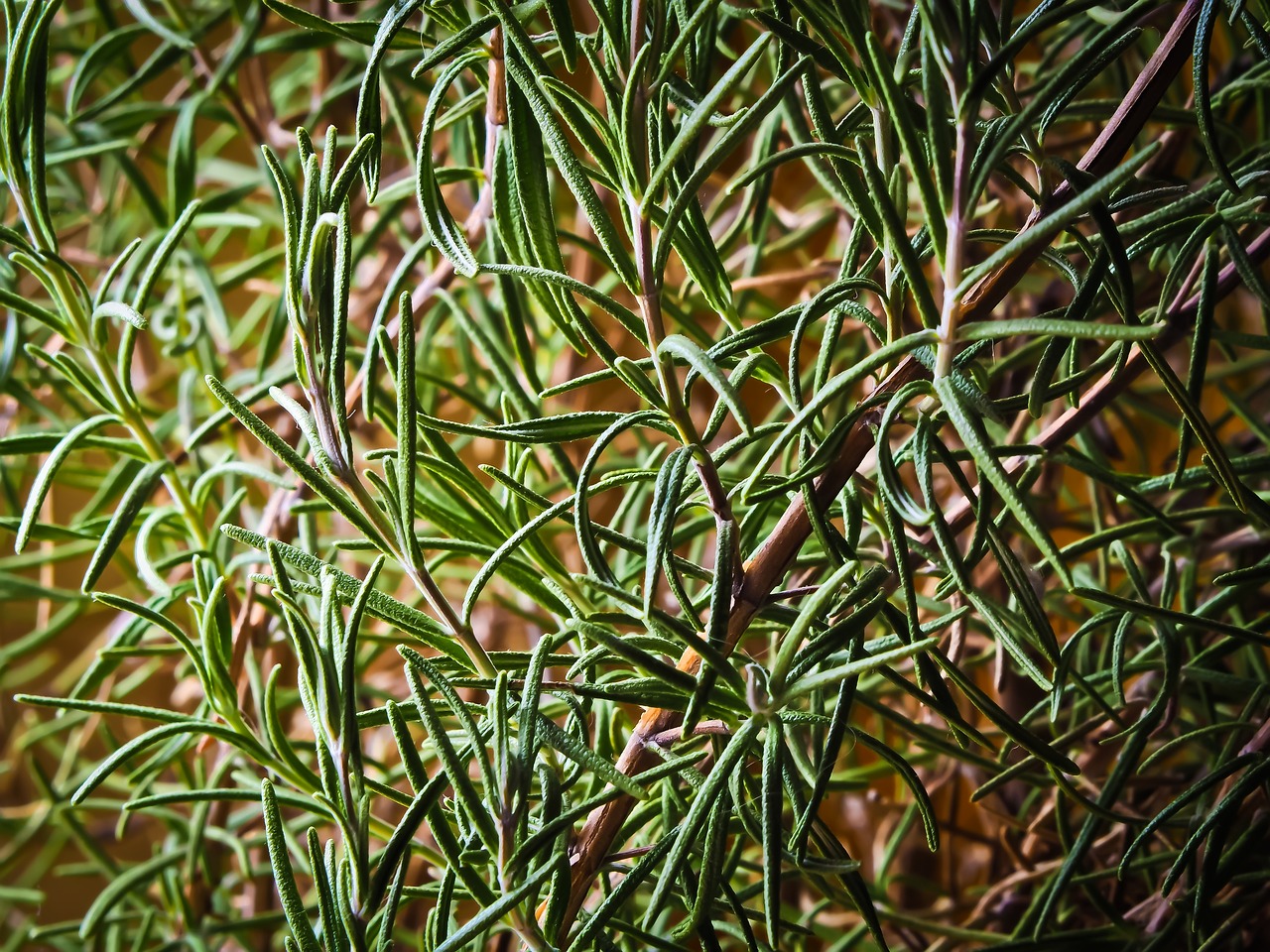
Rosemary contains carnosic acid and rosmarinic acid, both of which have documented anti-inflammatory activity in preclinical models. Clinical trials are less developed than the previous entries, but the mechanistic data is good and the safety profile is excellent. Rosemary also has preliminary clinical data for cognitive function and memory, likely via related anti-inflammatory and antioxidant mechanisms.
Dose: daily culinary use or 1–2 cups of rosemary tea; extract capsules at 300–600 mg/day.
Cautions: high doses theoretically contraindicated in pregnancy (culinary amounts are fine).
6. Cat’s Claw (Uncaria tomentosa)

Cat’s claw is a South American vine with traditional use for inflammatory conditions and preliminary clinical data for rheumatoid arthritis. The evidence base is smaller and mixed — some trials show benefit, others do not, and the quality of the underlying research is variable. Include in your mental list but don’t expect transformative effects.
Dose: 250–1,000 mg/day of standardized extract.
Cautions: immunomodulatory — caution in autoimmune disease and with immunosuppressants; avoid in pregnancy; may interact with blood pressure medications.
The Honest Hierarchy: Diet Comes First
Here is the thing most herbal-inflammation content skips. The interventions with the biggest effects on chronic systemic inflammation, by a large margin, are diet and lifestyle changes — not herbal supplementation.
Research consistently shows that the following produce larger reductions in CRP, IL-6, and other inflammatory markers than any herb:
- A Mediterranean or traditional whole-food diet. The single most studied dietary pattern for inflammation, with hundreds of clinical trials supporting meaningful biomarker improvements.
- Reducing ultra-processed food intake. Specifically, reducing refined seed oils, added sugars, and processed meats.
- Regular physical activity. Moderate exercise several times per week produces measurable anti-inflammatory effects.
- Adequate sleep. Chronic sleep deprivation is strongly pro-inflammatory.
- Weight loss in people carrying excess visceral fat. Visceral fat is a major source of inflammatory signaling molecules.
- Stress management. Chronic unmanaged stress drives inflammatory pathways.
If you are dealing with inflammation-related symptoms and your diet is heavily ultra-processed, you are sleeping 5 hours a night, and you don’t exercise, the highest-impact interventions are not herbal. Curcumin is not going to outrun a bad diet. Ginger is not going to replace adequate sleep.
The right framing: fix the lifestyle fundamentals first, then add herbs at the margin for additional benefit or specific indications.
Frequently Asked Questions
Can herbs replace my NSAIDs?
For osteoarthritis specifically, the curcumin meta-analyses suggest comparable pain reduction with better GI tolerability, and many patients successfully substitute or reduce NSAID use under medical supervision. For other conditions, the replacement claim is less well supported. Don’t stop a prescribed medication without discussing it with your prescriber.
Should I take a “combination anti-inflammatory” formula with multiple herbs?

Some evidence supports combinations (curcumin + boswellia, for example, has been studied for osteoarthritis with positive results). But commercial “anti-inflammatory blends” often contain sub-therapeutic doses of each ingredient. If you want a combination, take adequate doses of 1–2 well-researched herbs rather than a teaspoon of a 15-herb blend.
How long until I notice effects?
Most inflammation-related outcomes (joint pain, biomarker changes) require 4–8 weeks of consistent daily dosing to become measurable. Don’t judge an herb after a week.
The Bottom Line
For clinical-level anti-inflammatory support, curcumin (in a bioavailable formulation), ginger, and boswellia are the herbs with the best human evidence. Combinations may be more effective than single herbs for joint conditions. Green tea is a reasonable daily beverage with modest biomarker benefits.
But the most important thing this article can say is the one it would be easy to skip: if chronic inflammation is affecting your life, the single most impactful intervention is lifestyle — diet, sleep, exercise, stress, body composition — not a supplement stack. Herbs help at the margin. Get the fundamentals right first, then add curcumin.
See also: turmeric benefits, adaptogenic herbs for stress.
Safety Profile: Herbs for Inflammation (Aggregate Guide)
Herbs covered in this guide: Turmeric (Curcuma longa), Ginger (Zingiber officinale), Boswellia (Boswellia serrata), Green Tea / EGCG (Camellia sinensis), Rosemary (Salvia rosmarinus), Cat’s Claw (Uncaria tomentosa). For complete individual monographs including full dosing, pharmacology, and interaction tables, see each herb’s dedicated species article.
- Contraindications
- Bleeding disorders or coagulopathies: virtually all anti-inflammatory herbs in this guide (turmeric, ginger, boswellia, cat’s claw, green tea at high EGCG doses) have antiplatelet or anticoagulant properties and are contraindicated in active bleeding disorders or in individuals with a history of hemorrhagic stroke. Gallbladder disease or gallstones: turmeric stimulates bile production and should be used with caution or avoided in active gallbladder disease. Cat’s claw (Uncaria tomentosa) is contraindicated in autoimmune conditions (lupus, MS, rheumatoid arthritis) where immune stimulation may worsen disease, and in individuals taking immunosuppressant therapy. Green tea / EGCG supplements (not beverage quantities) should be avoided in individuals with iron-deficiency anaemia as EGCG significantly impairs non-haem iron absorption.
- Drug interactions
- Anticoagulants and antiplatelet agents (warfarin, heparin, aspirin, clopidogrel, NSAIDs): all herbs in this guide have additive antiplatelet effects — combining with anticoagulants or NSAIDs substantially increases bleeding risk and requires prescriber supervision. NSAIDs (ibuprofen, naproxen, diclofenac): do not combine anti-inflammatory herbs with chronic NSAID use without medical supervision; additive COX inhibition may increase GI risk despite the herbs’ protective properties. Chemotherapy and immunosuppressants (methotrexate, cyclosporine): turmeric/curcumin inhibits CYP3A4, CYP2C9, and P-glycoprotein, potentially altering drug levels; cat’s claw may interfere with immunosuppression. Antihypertensive medications: ginger, turmeric, and cat’s claw all have mild blood-pressure effects; monitor closely. Antidiabetic medications (metformin, insulin): ginger and turmeric independently lower blood glucose; additive hypoglycaemia risk. Iron supplementation: EGCG (green tea extract) chelates iron — take iron supplements at least 2 hours away from green tea supplements.
- Pregnancy / lactation
- Ginger: considered safe in culinary amounts and for nausea in early pregnancy; limit medicinal supplemental doses to 1 g/day and avoid high-dose extract use in the third trimester due to theoretical effects on platelet aggregation. Turmeric: culinary use is safe; avoid high-dose curcumin supplements during pregnancy — theoretical uterotonic effects at pharmacological doses. Rosemary: culinary amounts are safe; avoid medicinal/extract doses in pregnancy. Cat’s claw (Uncaria tomentosa): avoid completely during pregnancy — contraindicated based on traditional use and immune-stimulating activity. Boswellia and green tea extract: insufficient robust human safety data — avoid medicinal supplemental doses during pregnancy and lactation. Prefer dietary sources over supplement forms for all herbs listed during these periods.
- Maximum recommended daily dose
- Turmeric/curcumin: up to 1,000 mg curcuminoids/day (standardised extract); culinary amounts are unrestricted. Ginger: up to 2,000 mg dried extract/day (4 g whole dried root). Boswellia: 300–500 mg standardised extract (65% boswellic acids) 2–3× daily (max ~1,500 mg/day). Green tea EGCG: up to 400 mg EGCG/day from supplements; no restriction on brewed green tea. Rosemary: 300–600 mg dried herb extract/day. Cat’s claw: up to 1,000 mg standardised extract/day. See individual species articles for full dosing guidance and duration limits.
- Do not use if
-
- You have a bleeding disorder, are taking anticoagulant or antiplatelet medications, or have had a hemorrhagic stroke (all herbs in this guide)
- You are scheduled for surgery within 2 weeks — discontinue all anti-inflammatory herbal supplements due to antiplatelet effects
- You are combining these herbs with chronic NSAID use without prescriber guidance (additive GI and bleeding risk)
- You are taking immunosuppressant medications and considering cat’s claw (immune stimulation risk) or high-dose turmeric (CYP3A4 interactions)
- You are pregnant and considering cat’s claw (contraindicated), or high-dose turmeric / rosemary / boswellia supplements
- You have active gallbladder disease or gallstones and are considering turmeric supplementation
- You have an autoimmune condition (lupus, MS, RA) and are considering cat’s claw
- You are iron-deficient and taking EGCG supplements without spacing from iron doses
References
- Daily JW, Yang M, Park S. “Efficacy of Turmeric Extracts and Curcumin for Alleviating the Symptoms of Joint Arthritis.” J Med Food. 2016;19(8):717–729.
- Bartels EM et al. “Efficacy and safety of ginger in osteoarthritis patients: a meta-analysis of randomized placebo-controlled trials.” Osteoarthritis Cartilage. 2015;23(1):13–21.
- Siddiqui MZ. “Boswellia serrata, a potential antiinflammatory agent: an overview.” Indian J Pharm Sci. 2011;73(3):255–261.
- Reygaert WC. “Green Tea Catechins: Their Use in Treating and Preventing Infectious Diseases.” Biomed Res Int. 2018.