Ashwagandha has had the fastest rise of any traditional herb in the Western supplement market over the past decade, and it happened for a reason: there is actually research behind it. Multiple randomized controlled trials have examined ashwagandha for stress, sleep, and strength outcomes, with positive results that have held up across independent laboratories.
There are also serious cautions that supplement marketing almost never mentions. Memorial Sloan Kettering’s integrative oncology service documents cases of thyrotoxicosis associated with ashwagandha use and a reported case of kidney transplant rejection (MSK About Herbs). Ashwagandha is contraindicated in pregnancy. These are not paranoia — they are real findings that deserve a place alongside the stress and sleep research.
This guide covers what the clinical evidence actually supports, the difference between KSM-66 / Sensoril / Shoden extracts (most articles skip this), dosing that matches the trials, and the warnings you need to take seriously before starting.
Key Takeaways
- Multiple RCTs support ashwagandha for stress/cortisol, sleep, and strength training adaptation at 300–600 mg/day of standardized root extract.
- KSM-66 is the most-studied extract; Sensoril and Shoden are newer alternatives with higher withanolide content.
- Contraindicated in pregnancy — MSK explicitly notes it “may induce abortion at higher doses.”
- Thyroid caution is serious — ashwagandha can raise T3/T4 and has been associated with thyrotoxicosis cases.
- Autoimmune and transplant caution — one documented case of kidney transplant rejection in a patient taking ashwagandha.
What Is Ashwagandha?
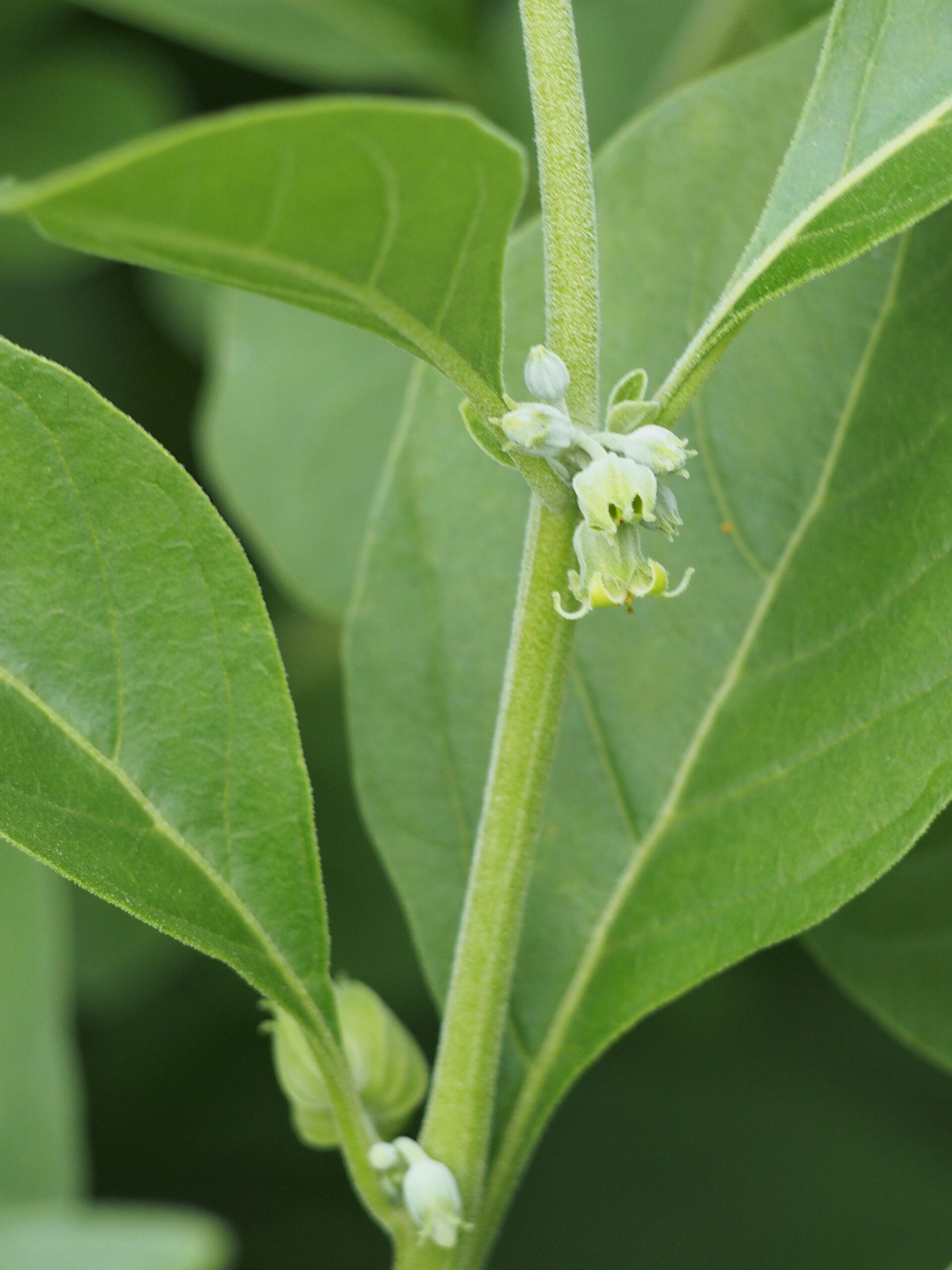

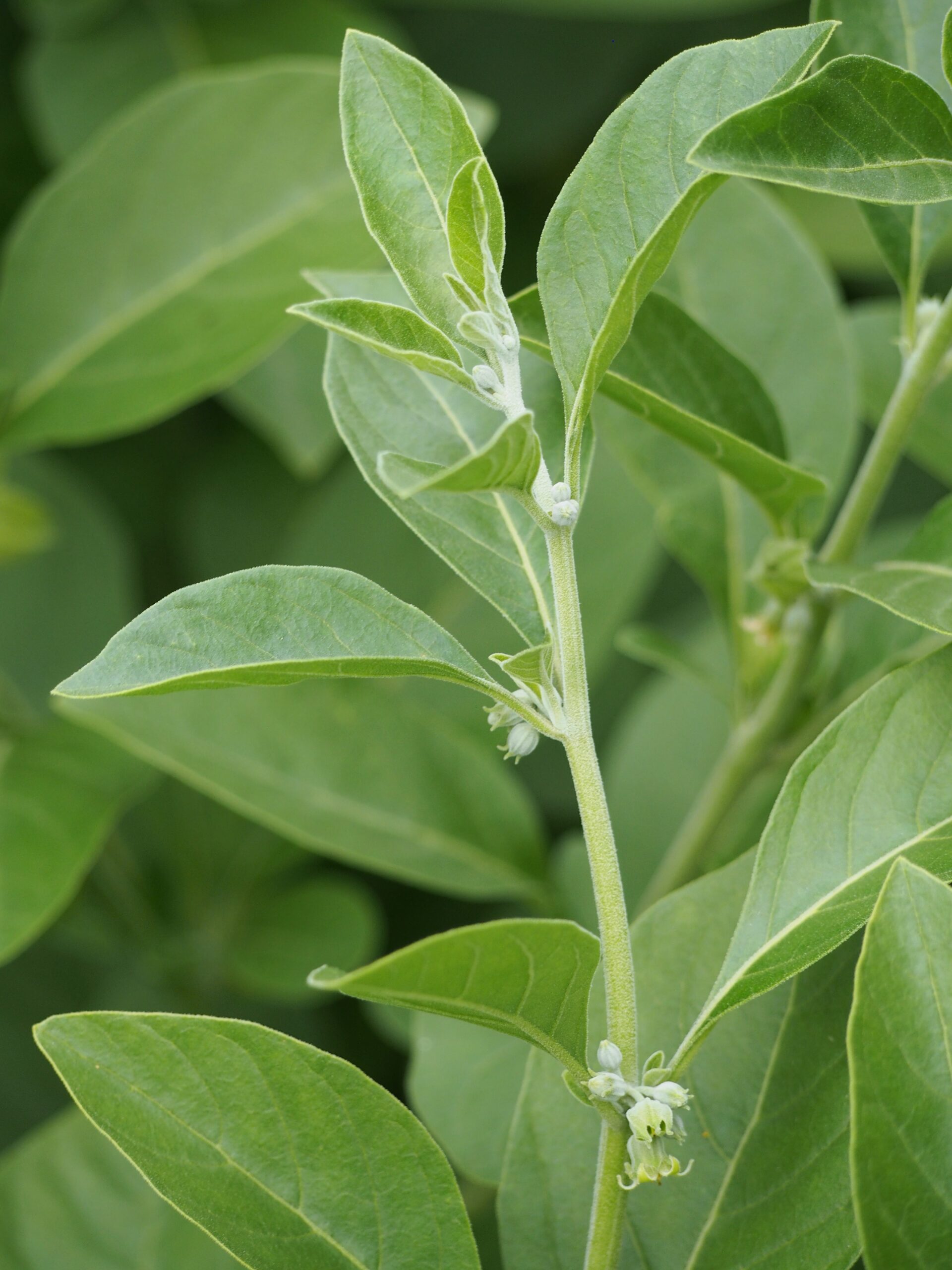
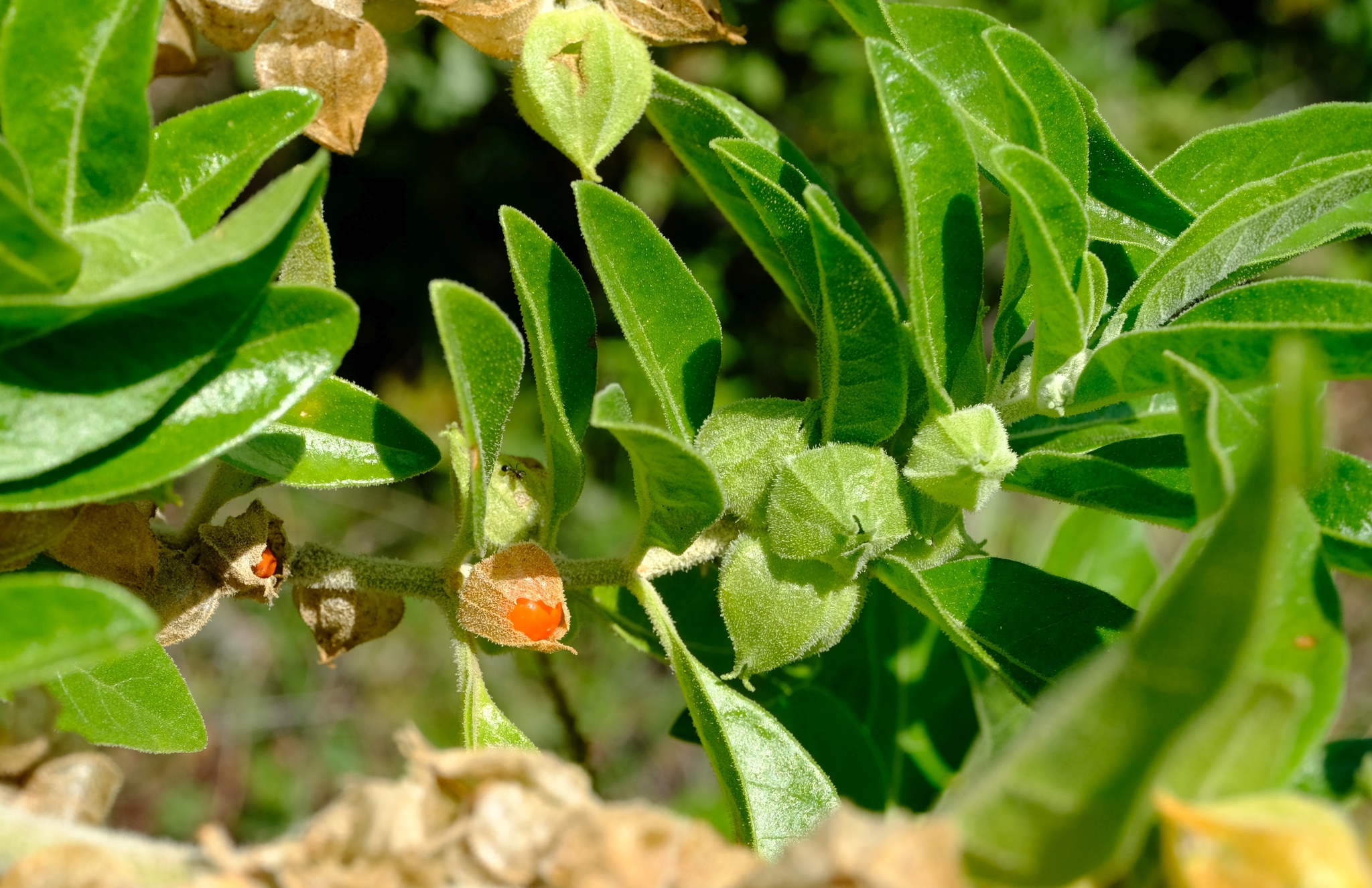
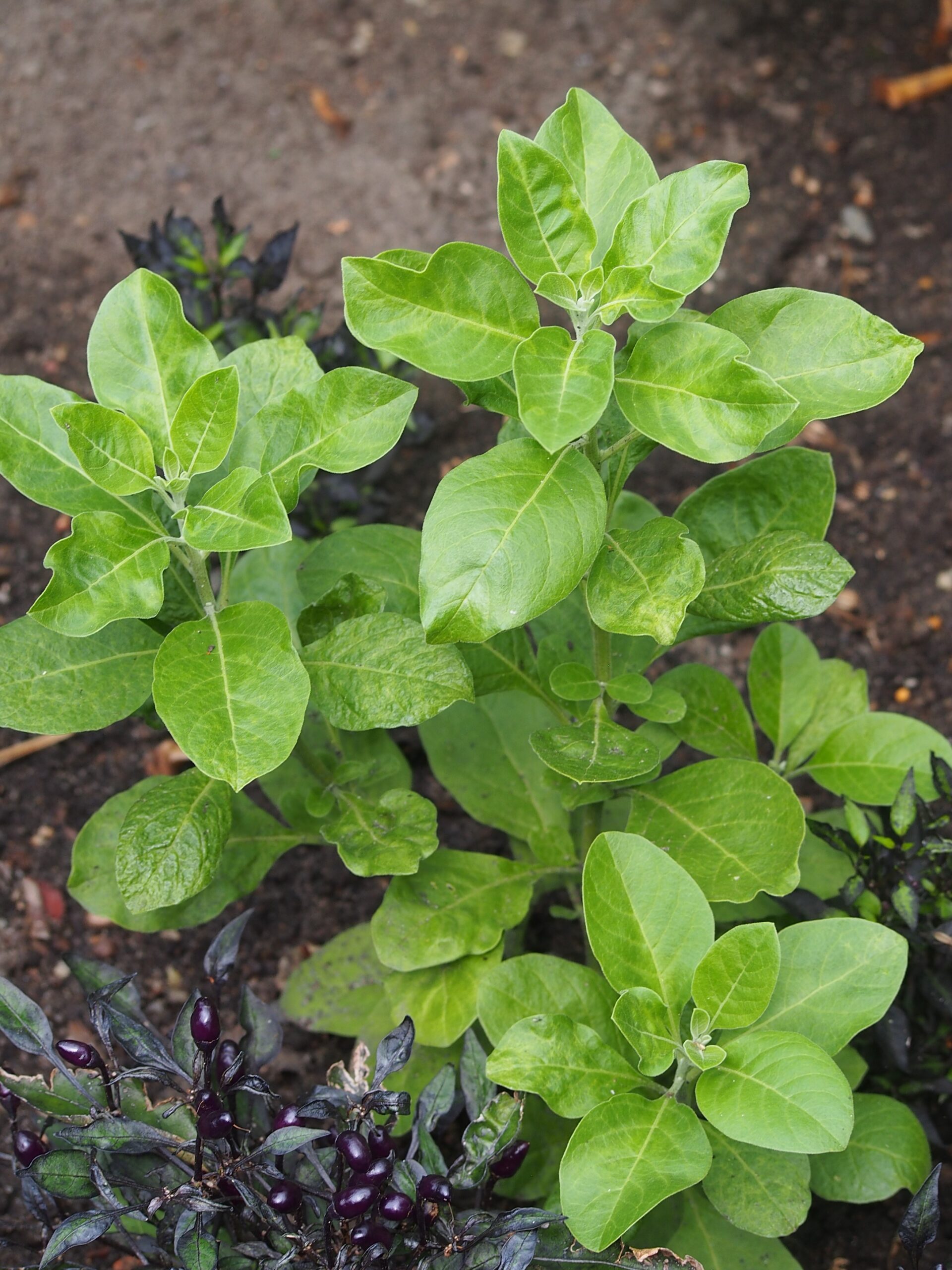
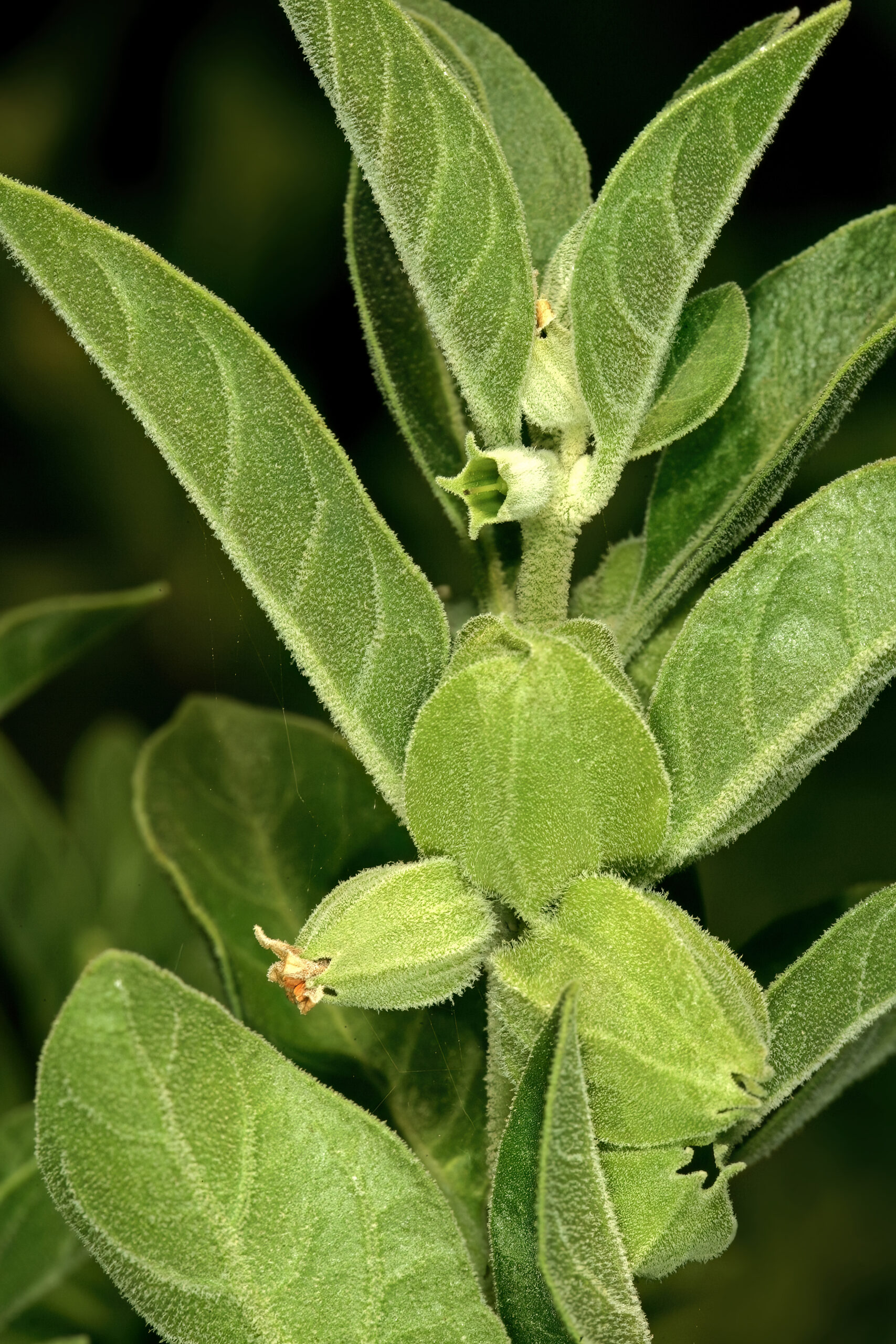
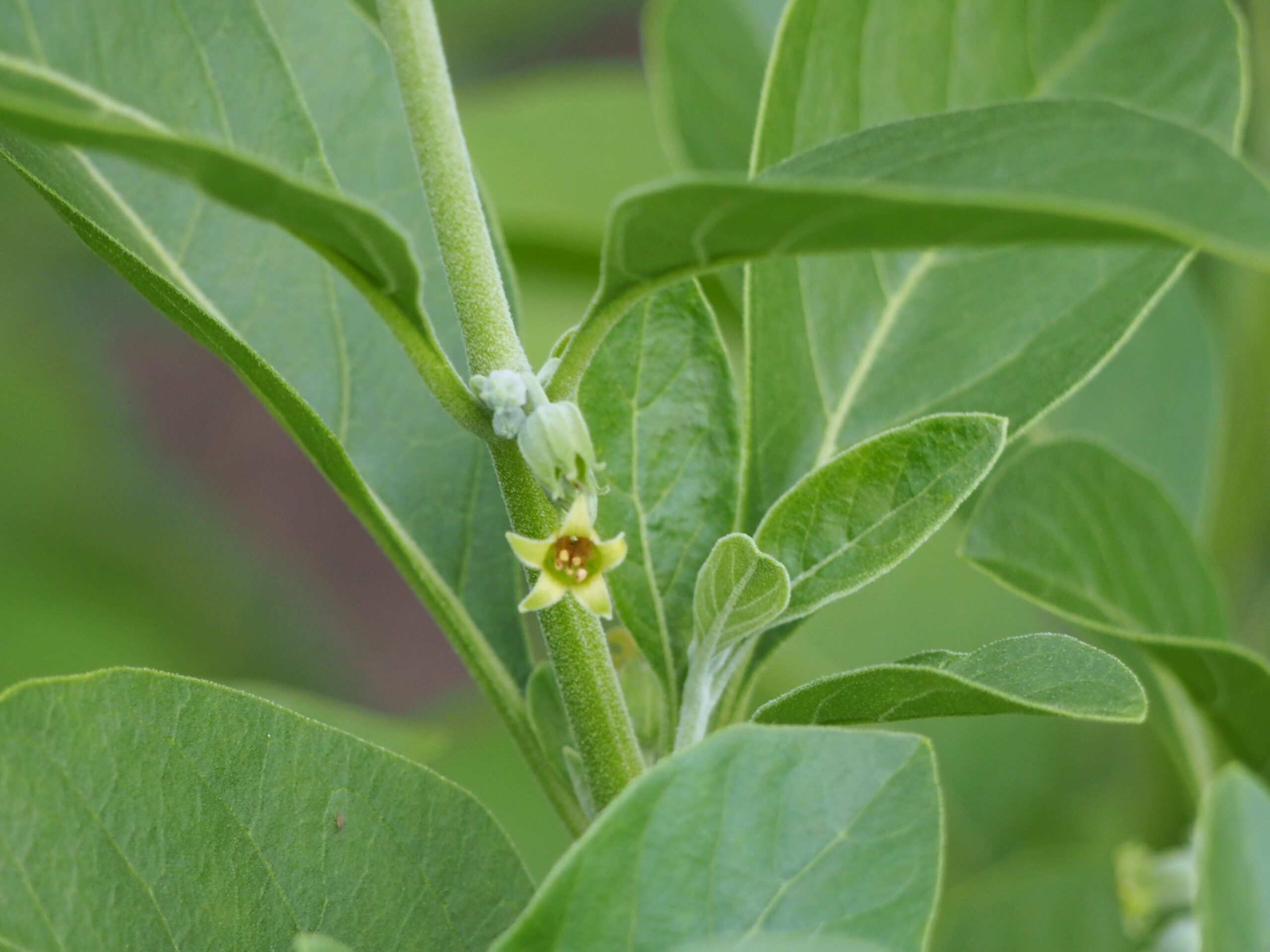
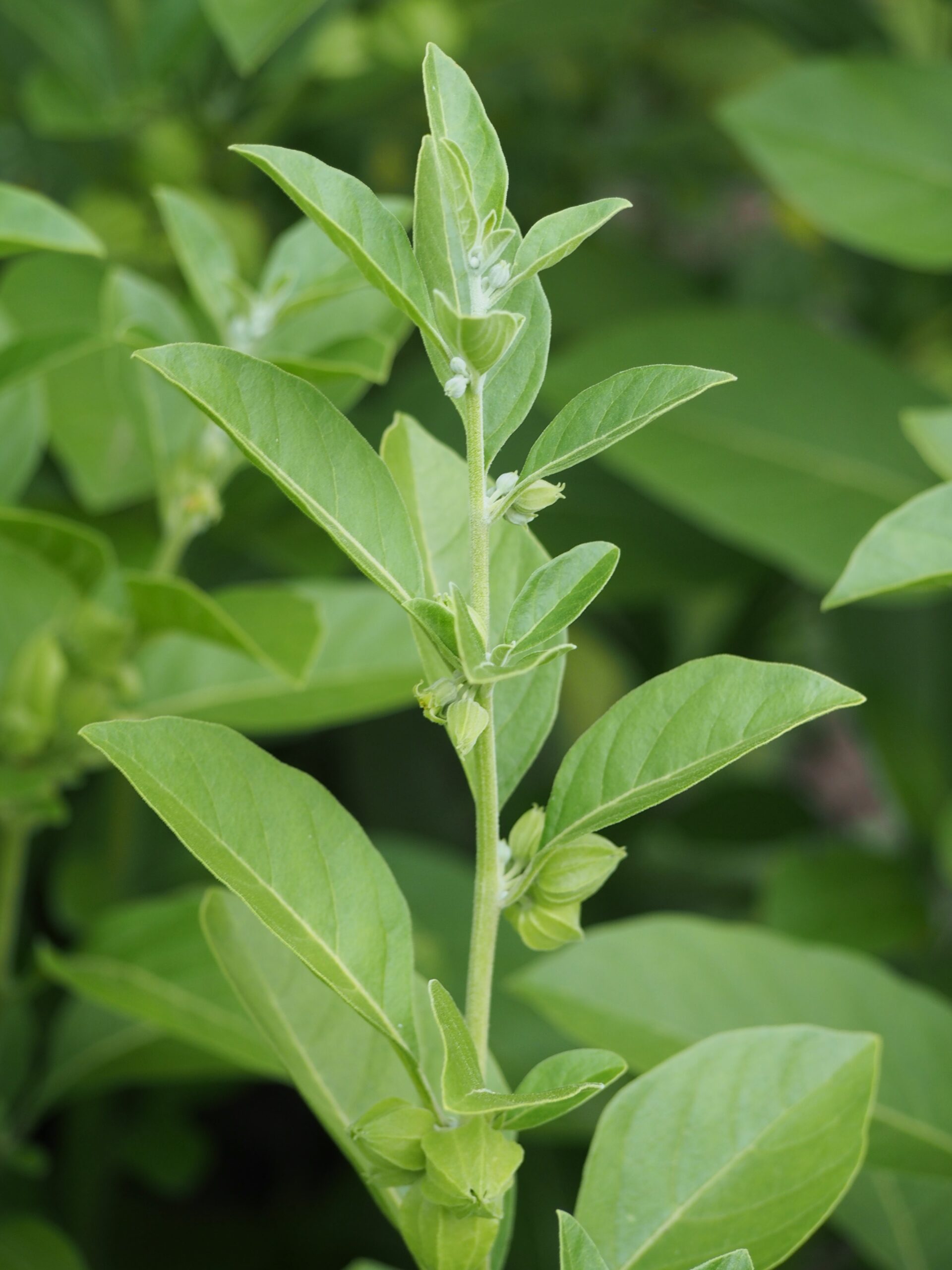
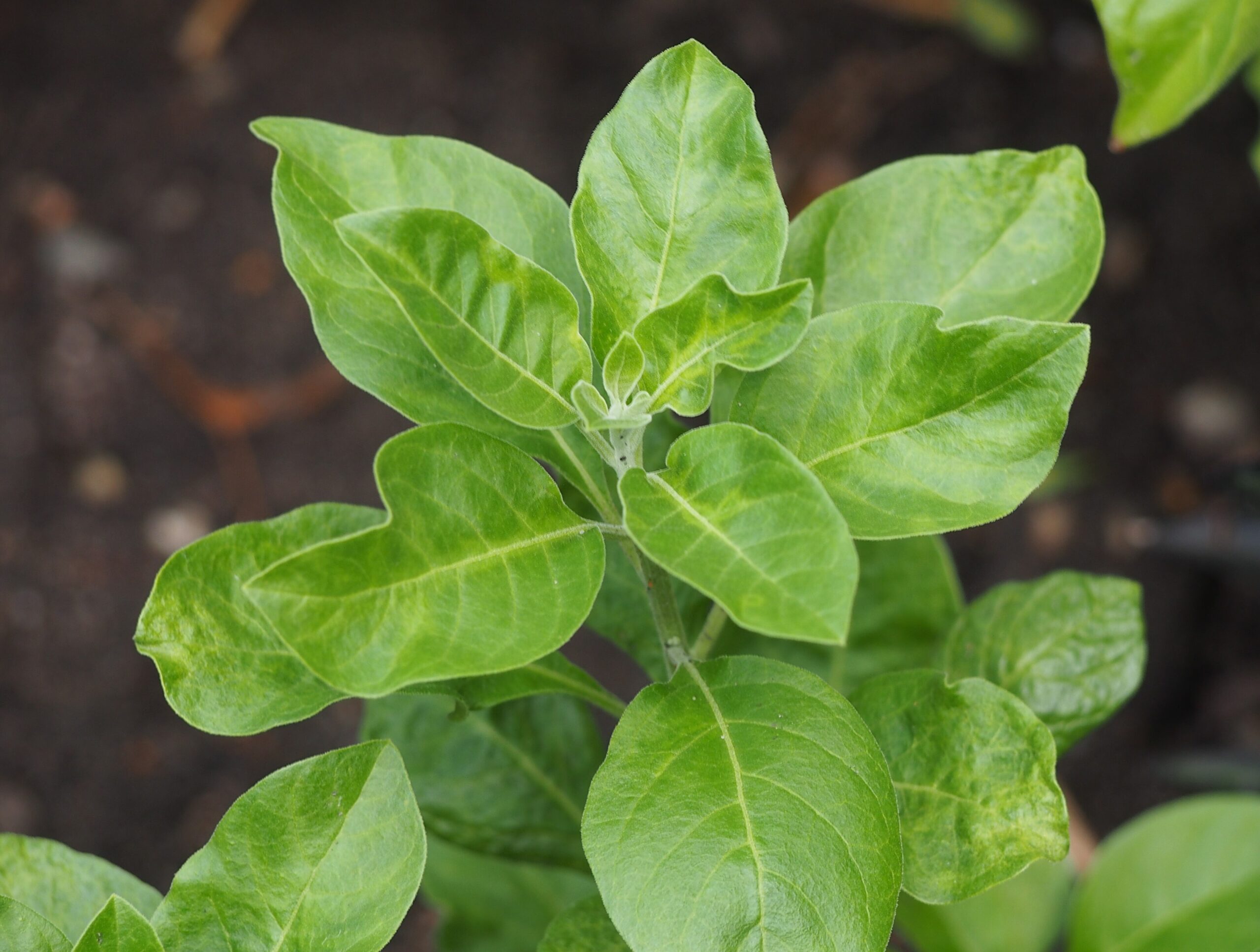
Ashwagandha (Withania somnifera) is a small shrub in the nightshade family, native to India, the Middle East, and parts of Africa. Its root has been used in Ayurvedic medicine for over 3,000 years as a “rasayana” — a rejuvenating tonic associated with vitality and stress resilience. The Sanskrit name translates roughly as “smell of horse,” referring both to the root’s distinctive odor and to the traditional belief that it imparts the strength and vigor of a horse to those who take it.
Modern research has focused on ashwagandha as an adaptogen — a category of herbs hypothesized to modulate the body’s stress response. The active constituents include alkaloids, steroidal lactones, saponins, and most importantly, withanolides, which are considered the primary biologically active compounds (MSK About Herbs).
The Clinical Evidence

Stress and cortisol (strongest evidence)

The most-cited ashwagandha study is Chandrasekhar et al. 2012, a 60-day double-blind RCT that gave 64 adults with chronic stress either KSM-66 ashwagandha extract (300 mg twice daily) or placebo. The ashwagandha group showed significant reductions in perceived stress scores and morning serum cortisol compared to placebo. Multiple subsequent trials with different extracts have generally replicated this finding: ashwagandha, at clinical doses for 4–8 weeks, appears to produce measurable reductions in self-reported stress and cortisol output.
MSK’s review notes research “indicates potential benefits for worry reduction” but adds the caveat of “the need for high-quality evidence” — meaning the effect is real but the literature still needs larger, more rigorous trials to confirm effect sizes and durability.
Sleep

Multiple trials have shown ashwagandha improves sleep quality in insomnia patients and non-restorative sleep in otherwise healthy adults. Interestingly, MSK notes that “triethylene glycol” has been identified as a sleep-inducing compound in ashwagandha — a very specific, unusual finding that points to a mechanism beyond general adaptogenic activity. Typical dosing in sleep trials is 300 mg 1–2 hours before bedtime.
Strength training and muscle

Wankhede et al. 2015 was an 8-week resistance training RCT using KSM-66 at 600 mg/day. The ashwagandha group showed significantly greater improvements in bench press and leg extension strength, along with better muscle recovery and higher testosterone levels compared to placebo. The effect size was meaningful, and the trial has been replicated with similar results in other strength-focused studies.
This is real, replicable, and worth noting — ashwagandha is one of a very small number of traditional herbs with actual randomized trial data for physical performance.
Other outcomes

Smaller trials have examined ashwagandha for anxiety, cognitive performance, thyroid function, fertility in men, and metabolic markers. Results are mixed but generally favorable. MSK notes ashwagandha “promotes hemoglobin levels and red blood cell counts” in some studies, suggesting a mild effect on blood markers.
KSM-66, Sensoril, Shoden: What the Extract Matters

This is the practical purchasing question almost no article answers clearly. The three standardized extracts you’ll see on supplement labels are not interchangeable:
- KSM-66 — full-spectrum root extract (no leaf material), standardized to 5% withanolides, the most clinically studied form. If you want to replicate the research, this is the default choice.
- Sensoril — root + leaf extract, standardized to 10% withanolides. Higher concentration, faster acting in some trials, but the leaf inclusion raises some safety questions for long-term use.
- Shoden — a newer, higher-potency extract standardized to 35% withanolides, with a smaller but growing clinical literature.
- Generic “ashwagandha powder” — unstandardized root powder. Much less predictable; if the label does not specify an extract name and withanolide percentage, treat the product skeptically.
Dosing

Doses from the clinical trials:
- Stress / anxiety: 300–600 mg/day KSM-66, taken once or twice daily.
- Sleep: 300 mg, 1–2 hours before bed.
- Strength training: 600 mg/day KSM-66, split or single dose.
- Higher doses (up to 1,250 mg/day) have been used in some trials without major adverse events, but there is no clear rationale for exceeding 600 mg/day for most use cases.
Ashwagandha is cumulative, not acute. Effects on stress, sleep, and performance typically appear over 4–8 weeks of consistent use. If you don’t notice anything in the first week, that’s expected — give it at least a month before deciding whether it’s working.
The Safety Conversation Supplement Ads Skip

Thyroid — a real caution

Ashwagandha can raise T3 and T4. For people with hypothyroidism, this is sometimes presented as a benefit, and there are small trials showing mild improvement in subclinical hypothyroidism. But the flip side is that MSK documents cases of thyrotoxicosis associated with ashwagandha use, with symptoms resolving after discontinuation. This means:
- People with hyperthyroidism or Graves’ disease should avoid ashwagandha.
- People on thyroid hormone replacement (levothyroxine) should be aware that ashwagandha may affect their dose and should talk to their prescriber before starting.
- Anyone who develops symptoms of hyperthyroidism (racing heart, tremor, heat intolerance, weight loss) while taking ashwagandha should stop and see their doctor.
Autoimmune disease

Ashwagandha is immunomodulatory, and MSK documents a case of kidney transplant rejection in a patient taking ashwagandha — a significant adverse event in a highly vulnerable population. Practical implications:
- Transplant recipients should not take ashwagandha. Full stop.
- People with autoimmune conditions (Hashimoto’s, lupus, MS, rheumatoid arthritis) should be cautious and discuss use with their specialist.
Pregnancy

MSK is explicit: “Avoid ashwagandha as it may induce abortion at higher doses.” Ashwagandha has traditionally been used as an emmenagogue (menses-inducing) in Ayurvedic practice, which is consistent with the pregnancy contraindication. This is not a theoretical caution — it is a documented traditional effect. Do not take ashwagandha if you are pregnant, trying to conceive, or breastfeeding.
Drug interactions
- Sedatives and benzodiazepines: additive drowsiness.
- CYP3A4 substrates: ashwagandha is a CYP3A4 inducer, which can lower blood levels of many prescription medications. Talk to a pharmacist if you take multiple prescriptions.
- Thyroid medication: may require dose monitoring.
- Immunosuppressants: theoretical reduction in drug effect.
Frequently Asked Questions
How long does ashwagandha take to work?
In clinical trials, the stress and cortisol effects typically become measurable after 4–8 weeks of consistent daily use. Sleep effects may appear sooner. Strength training benefits require the full 8-week training protocol. Ashwagandha is not an acute-response herb; do not expect same-day results.
Is KSM-66 really better than generic ashwagandha?
Yes — because it is standardized and matches the research protocols. Generic root powder may contain similar compounds at unpredictable concentrations, and response to it will vary wildly from batch to batch. If you are taking ashwagandha for a specific therapeutic outcome (stress, sleep, strength), standardized KSM-66 is the version the research actually supports.
Can men and women both take ashwagandha?
Yes, though the research profile differs slightly. Studies in men have examined ashwagandha for testosterone and fertility outcomes with modest positive effects. Studies in women have focused more on stress, sleep, and anxiety. The pregnancy contraindication is obviously women-specific.
Should I cycle ashwagandha?
The clinical trials have not consistently used cycling protocols, and there is no strong evidence that cycling is necessary. Some practitioners recommend an 8-weeks-on / 2-weeks-off pattern as a conservative approach. For people without any of the contraindications above, daily continuous use for 3–6 months has been used safely in research settings.
The Bottom Line
Ashwagandha is one of the better-researched traditional adaptogens, with meaningful clinical data for stress, sleep, and strength training outcomes. For most healthy adults, 300–600 mg/day of KSM-66 for 8+ weeks is a defensible protocol to try, with expectations set for gradual rather than acute effects.
But ashwagandha is not for everyone. The thyroid, autoimmune, and pregnancy cautions are real and documented, not theoretical hedges. If you are in any of those groups, ashwagandha is not the right adaptogen to reach for — and a conversation with your healthcare provider before starting is the responsible choice regardless.
See also: best herbs for sleep, functional mushroom comparison (for alternative adaptogens).
Safety Profile: Ashwagandha (Withania somnifera)
- Contraindications
- Active autoimmune disease — Hashimoto’s thyroiditis, Graves’ disease, systemic lupus, rheumatoid arthritis, multiple sclerosis — due to immunostimulant activity that may flare symptoms. Hyperthyroidism or any thyroid condition without endocrinologist guidance, as ashwagandha can raise T4 and TSH (Sharma et al., 2018, J Altern Complement Med). Documented nightshade (Solanaceae) family allergy. Recent liver disease — rare case reports of idiosyncratic liver injury exist.
- Drug interactions
- Sedatives and CNS depressants (benzodiazepines, barbiturates, opioids, alcohol): additive sedation. Thyroid hormone replacement (levothyroxine): ashwagandha can elevate thyroid hormone levels — monitor closely. Immunosuppressants (prednisone, cyclosporine, tacrolimus): potential antagonism via immune activation. Antihypertensive medications: mild additive blood-pressure-lowering effect. Antidiabetic agents: may add to hypoglycemic effect. CYP3A4 substrates: limited human data but potential theoretical interaction via withanolide metabolism.
- Pregnancy / lactation
- AVOID during pregnancy. Animal studies and traditional Ayurvedic texts classify ashwagandha as abortifacient at higher doses. Human safety data is insufficient, and the theoretical risk combined with the precedent in classical texts is reason enough for caution. Avoid during lactation unless specifically cleared by a qualified provider familiar with breastfeeding pharmacology — limited transfer data available.
- Maximum recommended daily dose
- Standardized root extract (KSM-66 or Sensoril): 300–600 mg/day in clinical studies. Upper range tested without serious adverse events: up to 1,250 mg/day (short-term, under clinical supervision). Crude powder: 3–6 g/day traditionally; modern standardized extracts are preferred for consistent potency. Do not exceed 600 mg/day of standardized extract for routine supplementation without prescriber oversight.
- Do not use if
-
- You are pregnant, trying to conceive, or breastfeeding
- You have Hashimoto’s, Graves’, or any thyroid condition not being managed by a specialist
- You have an active autoimmune disease
- You take thyroid hormone replacement, sedatives, or immunosuppressant medications
- You have a history of liver disease or elevated liver enzymes
- You are under 18 or over 65 without provider supervision
- You have a nightshade family allergy
References
- Memorial Sloan Kettering Cancer Center. “Ashwagandha” About Herbs. mskcc.org
- Chandrasekhar K, Kapoor J, Anishetty S. “A prospective, randomized double-blind, placebo-controlled study of safety and efficacy of a high-concentration full-spectrum extract of ashwagandha root in reducing stress and anxiety in adults.” Indian J Psychol Med. 2012;34(3):255–262.
- Wankhede S, Langade D, Joshi K, et al. “Examining the effect of Withania somnifera supplementation on muscle strength and recovery: a randomized controlled trial.” J Int Soc Sports Nutr. 2015;12:43.
- Salve J, Pate S, Debnath K, Langade D. “Adaptogenic and Anxiolytic Effects of Ashwagandha Root Extract in Healthy Adults: A Double-blind, Randomized, Placebo-controlled Clinical Study.” Cureus. 2019;11(12):e6466.