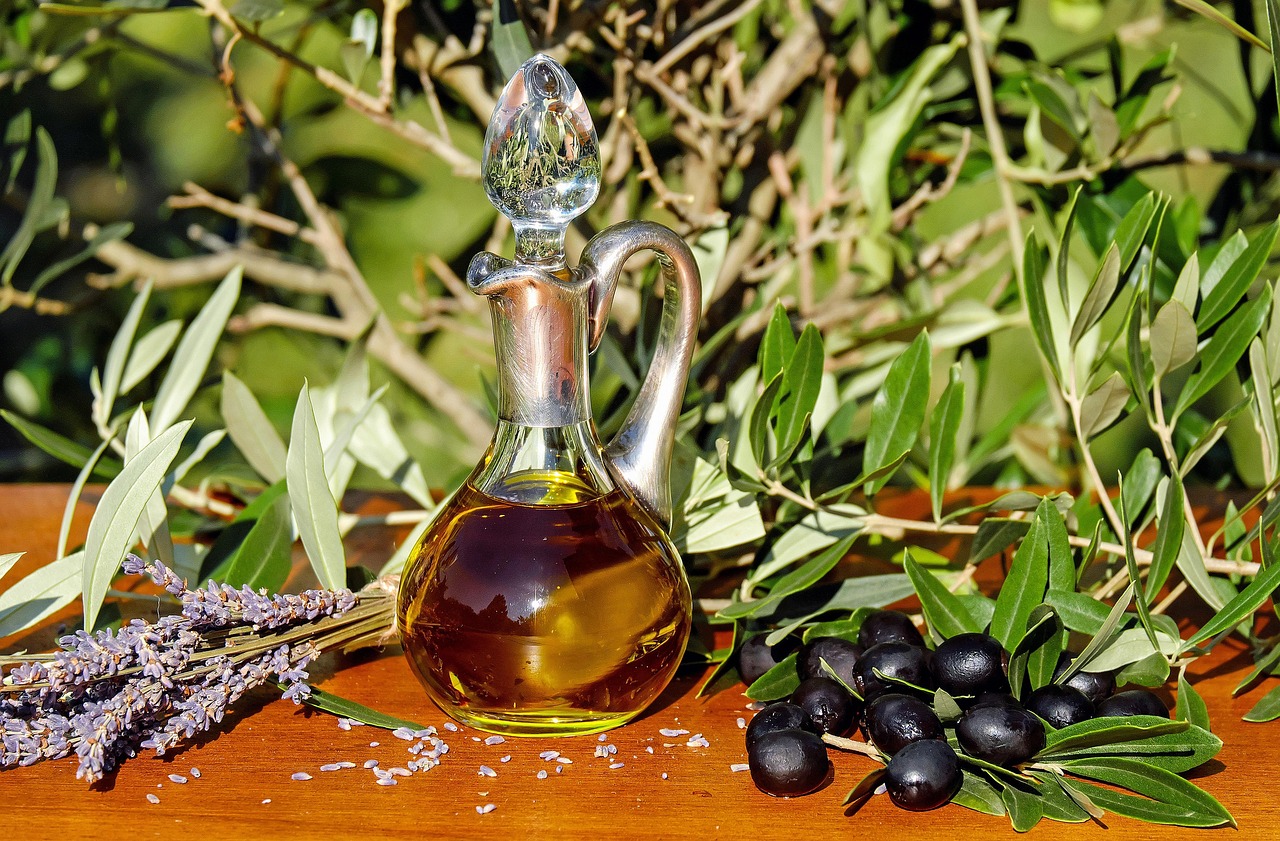
Herbal infused oils are the foundation of most topical herbal medicine. Calendula salve starts with calendula oil. Plantain salve starts with plantain oil. Arnica liniment starts with arnica oil. If you make one herbal preparation and build from there, making infused oils is almost certainly where you should begin — they are simple, shelf-stable when done right, and unlock a whole category of salves, balms, and skin preparations.
They are also the preparation where beginners most commonly encounter a real safety issue: fresh herbs in oil can create anaerobic conditions in which Clostridium botulinum can grow, producing botulinum toxin. This is the same organism that causes infant botulism from raw honey and foodborne botulism from improperly canned foods. It is rare in home infused oils, but it has happened, and it is the single most important rule in this article: use dried herbs only for any oil you intend to store.
Key Takeaways
- Use dried herbs only for shelf-stable infused oils. Fresh herbs in oil create botulism risk.
- Two methods: solar infusion (4–6 weeks, traditional) or gentle heat infusion (2–4 hours, faster).
- Oil choice matters — olive, jojoba, sweet almond, and sunflower all work but with different shelf lives.
- St. John’s wort oil causes photosensitivity — do not use on skin that will see direct sun.
- Shelf life is typically 6–12 months with good storage; adding vitamin E oil extends it.
Why Infused Oils?

Many of the beneficial compounds in medicinal plants — carotenoids, resins, some flavonoids, essential oils, fat-soluble vitamins — extract into oil more effectively than into water or alcohol. Infused oils capture those fat-soluble compounds in a form that is easy to apply topically and easy to combine with beeswax to make salves and balms.
Compared to essential oils (which are highly concentrated steam distillates), infused oils are much gentler, much safer for direct skin application, and much more forgiving of dosing errors. A teaspoon of calendula-infused oil on a baby’s diaper rash is appropriate; a teaspoon of calendula essential oil would be far too much. Infused oils sit between essential oils and fresh herbs in concentration, which is usually the sweet spot for topical use.
The Botulism Warning (Read This First)

This is the most important paragraph in this guide.
Clostridium botulinum is a soil-dwelling bacterium whose spores are present on many fresh plants. Under certain conditions — low oxygen, low acidity, low salt, moderate temperature — the spores can germinate and produce botulinum toxin, one of the most potent poisons known. Oil is anaerobic (low oxygen). Fresh plant material has water content. When you submerge fresh herbs in oil and store the jar, you create conditions that are favorable for botulinum growth if spores happen to be present.
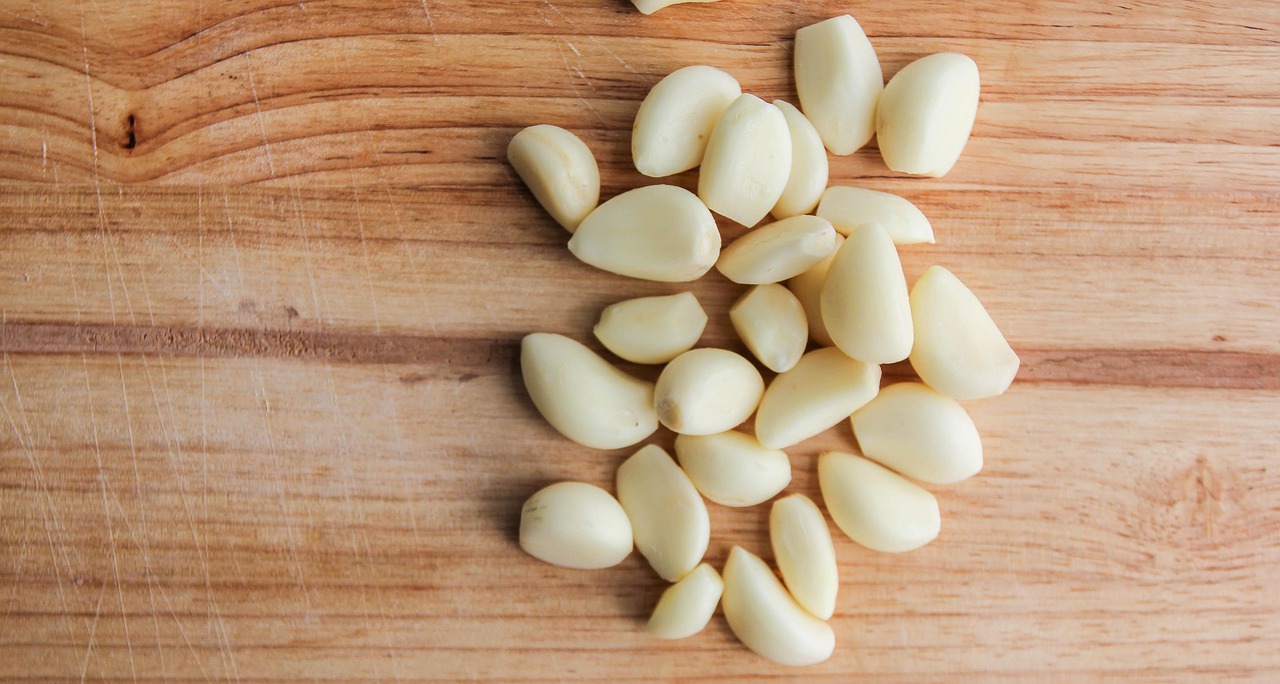
The FDA has specifically warned about this for fresh-garlic-in-oil preparations, where several documented outbreaks have occurred. The same principle applies to fresh-herb-in-oil infusions.
The rule is simple: use fully dried herbs for any infused oil you intend to store. Dried herbs have minimal water activity, which suppresses botulinum risk and gives you a shelf-stable product.
If you absolutely must use fresh herbs (for example, fresh St. John’s wort, which is traditionally prepared fresh because the compound hypericin extracts better from fresh material), the oil must be refrigerated at all times and used within two weeks. I don’t recommend this for beginners — stick with dried.
Choosing Your Oil
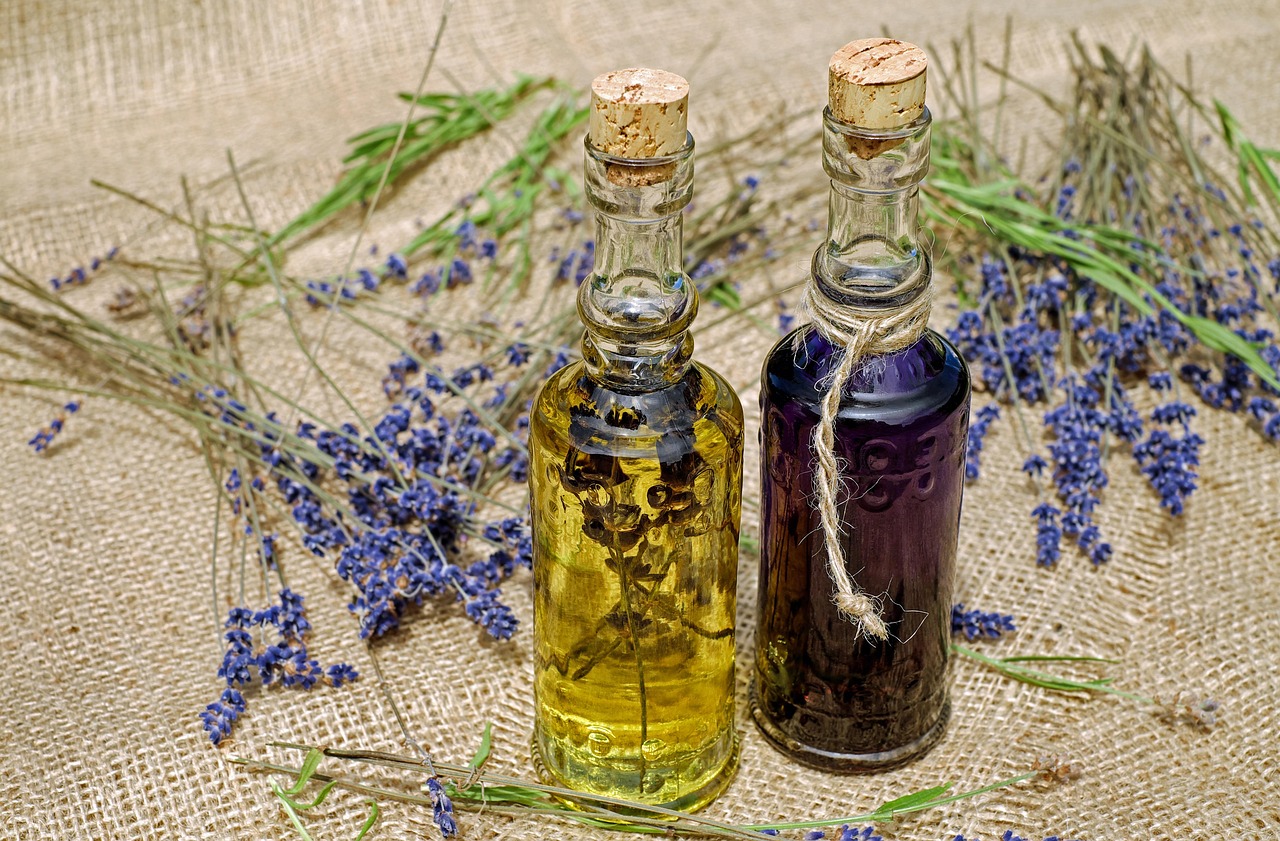
Different carrier oils have different properties, shelf lives, and feels on skin:
- Olive oil — the traditional choice, inexpensive, available everywhere, good shelf life (about 12 months), works in almost every preparation. Use pure olive oil or light olive oil for infusion; extra virgin adds its own strong flavor and scent that may not be desirable. This is what I recommend for beginners.
- Jojoba oil — technically a liquid wax, not a true oil. Extraordinary shelf life (2+ years), similar to skin’s natural sebum, feels luxurious, more expensive. Excellent for face and lip preparations.
- Sweet almond oil — light, neutral, pleasant on skin, moderate shelf life (6–12 months). Good for massage oils and face preparations.
- Sunflower oil (high-oleic) — inexpensive, neutral, similar to olive oil but lighter feel. Look for high-oleic versions; standard sunflower oil oxidizes faster.
- Fractionated coconut oil — liquid at room temperature, very long shelf life, neutral. Good for preparations where you want no added scent.
- Avocado oil — rich, heavy, skin-nourishing, shorter shelf life. Good for very dry skin preparations.
Oils to avoid: refined vegetable oils with poor fatty acid profiles (corn, soybean, generic “vegetable oil”), flaxseed oil (oxidizes very fast), walnut oil (same issue), and any oil that smells stale or rancid when you open the bottle.
Method 1: Solar Infusion (Traditional, 4–6 Weeks)

This is the classic method. It takes longer but requires no active attention and is considered by many practitioners to produce the richest infusion.
Steps

- Fill a clean, dry glass jar loosely about two-thirds full with your chosen dried herb. Do not pack it down.
- Pour oil over the herbs until they are completely submerged and the oil reaches at least ½ inch above the top of the plant material. Any herb exposed to air can mold.
- Cap the jar tightly. Label with the herb, oil, and date.
- Place in a warm spot. Traditional practice uses indirect sunlight on a windowsill; some herbalists prefer a warm cupboard to avoid UV degradation of delicate compounds. Both work — warmth is what matters.
- Shake or invert the jar daily for the first week, then every few days.
- After 4–6 weeks, strain through cheesecloth or a fine-mesh strainer. Squeeze the herbs firmly to extract all the oil — a clean cloth bag or a potato ricer works well.
- Let the oil settle for 24 hours. Decant off the top, leaving any sediment or water droplets behind at the bottom.
- Bottle in a clean, dry, dark glass bottle. Label with herb, oil, and bottling date.
Method 2: Gentle Heat Infusion (Faster, 2–4 Hours)

Useful when you need the oil sooner or when you want more reliable extraction.
Steps

- Place dried herbs and oil in the top of a double boiler, or in a glass or ceramic bowl set over a pot of simmering water.
- Heat gently. Target temperature is about 100–120°F (38–50°C) — warm to the touch, not hot. Do not let the oil get hot enough to damage volatile compounds.
- Maintain this gentle warmth for 2–4 hours, stirring occasionally. Check that the water in the lower pot doesn’t boil dry.
- Remove from heat. Let cool to room temperature.
- Strain as in Method 1.
- Bottle and label.
Slow cooker method: If your slow cooker has a reliable low/warm setting that stays around 110–130°F, you can use it for a longer, gentler heat infusion — 8–12 hours on lowest setting. Test the actual temperature with a thermometer first.
Good Herbs to Start With
- Calendula — the classic first infused oil. Skin healing, gentle enough for infants, makes excellent salve. See calendula salve recipe.
- Plantain (Plantago major/lanceolata) — “the forager’s first-aid herb.” Foraged free in most yards. Excellent for bug bites, minor cuts, and drawing out splinters.
- Comfrey leaf — traditional for muscle aches and joint pain. Topical only (do not ingest). Great for sports-recovery salves.
- Arnica flowers — topical for bruises and muscle soreness. Do not apply to broken skin. Do not ingest.
- St. John’s wort — traditional for nerve pain and minor burns. Traditionally made with fresh flowers (refrigerate and use within 2 weeks). Causes photosensitivity — do not use on skin that will see sun.
- Rosemary — stimulating, traditional for scalp and muscle care.
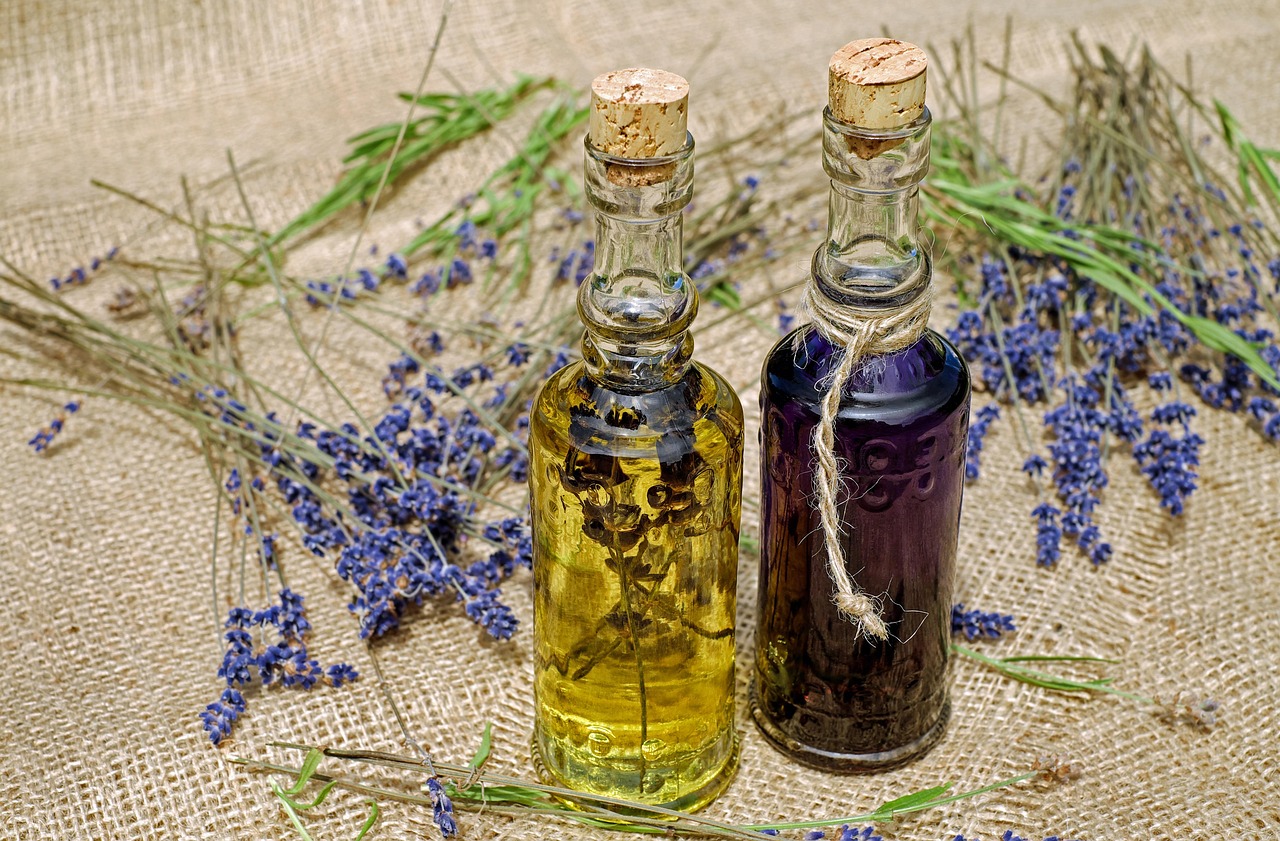
- Lavender — gentle, calming, widely compatible with other preparations.
- Chamomile — gentle, anti-inflammatory, good for sensitive skin.
Shelf Life and Storage

A properly made infused oil with dried herbs in a quality carrier oil will keep 6–12 months in ideal conditions — cool, dark, sealed. Olive oil-based infusions typically reach 12 months; jojoba-based infusions can last 2+ years.
Extend shelf life by:
- Adding vitamin E oil (½ to 1 teaspoon per cup of infused oil) as a natural antioxidant.
- Storing in dark glass bottles.
- Keeping bottles sealed when not in use (air exposure accelerates rancidity).
- Refrigerating oils you use slowly.
Signs your oil has gone rancid: sharp “old crayon” or stale smell, bitter taste (for anything you might taste), darkening color beyond the original herb color, or a slimy/gummy texture. Discard if any of these appear.
Troubleshooting

- Mold on the oil surface: either herbs weren’t fully dried, or they weren’t fully submerged. Discard the batch and start over with truly dry herbs.
- Cloudy oil: usually water from incompletely dried herbs. Let the oil settle for several days and decant the clear top layer off; discard the cloudy bottom.
- Weak color/scent: the herbs may have been old or low quality. Fresh-dried herbs from a reputable source produce much richer oil than grocery-store dried herbs.
- Oil went rancid quickly: consider switching to a longer-shelf-life oil (jojoba, high-oleic sunflower) and adding vitamin E.
Using Infused Oils
- Directly on skin — massage into dry patches, minor irritations, or sore muscles.
- As the base for salves — combine with beeswax (about 1 oz wax per cup of oil) to make a shelf-stable salve.
- As the base for balms and lip balms — higher wax ratios make firmer preparations.
- In massage oils and body oils — thin with more carrier oil if you want a lighter feel.
- In soap making — infused oils can be used as part of the oil blend in cold-process soap, though some of the herbal compounds are affected by the lye reaction.
Frequently Asked Questions
Why can’t I use fresh herbs?

Fresh herbs contain water, and fresh plant material can carry Clostridium botulinum spores. In the anaerobic (oxygen-free) environment of an oil jar, those spores can germinate and produce botulinum toxin over weeks of storage. The risk is small in absolute terms but serious when it happens, and the prevention is easy: use dried herbs. There are a few traditional exceptions (fresh St. John’s wort for the red color, fresh comfrey for certain preparations) that experienced herbalists handle by refrigerating the oil and using it within two weeks. For beginners, dried herbs are the rule.
What’s the difference between infused oil and essential oil?
Infused oil is carrier oil (like olive oil) that has extracted the fat-soluble compounds from a plant over time. It is mild, gentle, and safe for direct skin application. Essential oil is a highly concentrated steam distillate of volatile plant compounds — it is typically 50–100 times more concentrated than infused oil and must always be diluted before skin contact. They are different products with different uses.
Can I mix multiple herbs in one oil?

Yes, infused oil blends are common. The four-role framework from our tea blending guide applies loosely — one or two primary herbs, one or two supportive herbs. Just keep in mind that blended oils are harder to troubleshoot if something goes wrong.
The Bottom Line

Infused oils are the gateway to topical herbal medicine — simple, forgiving, shelf-stable, and foundational for salves and balms. Use dried herbs, pick a good carrier oil, let the infusion happen for long enough, strain carefully, and label your jars. Start with calendula oil as your first project and build from there.
See also: calendula salve recipe, how to make an herbal tincture.
Safety Profile: Herbal Infused Oils
Common infusion herbs covered: Calendula (Calendula officinalis), Plantain (Plantago major / P. lanceolata), Comfrey (Symphytum officinale), Arnica (Arnica montana), St. John’s Wort (Hypericum perforatum), Rosemary (Salvia rosmarinus), Lavender (Lavandula angustifolia), Chamomile (Matricaria chamomilla).
- Contraindications
- Comfrey-infused oils contain pyrrolizidine alkaloids (PAs) — limit topical use to intact skin only and avoid on broken or mucous-membrane tissue; do not use comfrey oil for more than 4–6 weeks continuously per year. Arnica-infused oil is for external use on unbroken skin only — never ingest; avoid if you have an Asteraceae (daisy family) allergy. St. John’s Wort infused oil should be avoided by individuals with photosensitivity conditions or those taking photosensitising medications. Anyone with a confirmed allergy to plants in the Asteraceae family (ragweed, chrysanthemums, marigolds) should patch-test calendula and chamomile preparations before broad use.
- Drug interactions
- St. John’s Wort (Hypericum perforatum): even in topical infused-oil form, there is theoretical systemic absorption — patients taking SSRIs, MAOIs, oral contraceptives, HIV antiretroviral medications, cyclosporine, digoxin, or anticoagulants (warfarin) should avoid St. John’s Wort preparations or consult their prescriber. Rosemary at high topical concentrations may have mild transdermal absorption; individuals on anticoagulants should use sparingly. All herb-infused oils used for culinary purposes are subject to the same herb-drug interactions as oral preparations.
- Pregnancy / lactation
- Calendula, chamomile, lavender, and plantain infused oils are generally considered safe for external use at normal concentrations during pregnancy and breastfeeding. Comfrey oil should be avoided during pregnancy and lactation due to systemic PA absorption risk. Arnica oil should not be used during pregnancy. Rosemary oil at high concentrations should be avoided during pregnancy. St. John’s Wort infused oil is not recommended during pregnancy or when breastfeeding due to insufficient safety data and known drug interactions. Always patch-test any new topical preparation before use.
- Maximum recommended daily dose
- Topical use: no established upper limit for external application to intact skin at normal dilutions. Culinary use (e.g., rosemary or garlic infused oil): limit to 1–2 teaspoons (5–10 ml) per day as part of food preparation. Do not use infused oils as replacements for internal herbal preparations unless the individual herb’s oral safety profile has been established.
- Do not use if
-
- CRITICAL — BOTULISM RISK: Never store fresh-herb-in-oil preparations at room temperature. Fresh herbs (especially garlic, herbs with any moisture) in oil create an anaerobic environment where Clostridium botulinum can produce toxin. Use dried herbs for shelf-stable infused oils. If using fresh herbs: refrigerate immediately, consume within 1 week, or use the heat-infusion method (held at 150°F / 65°C for 30 minutes minimum). This is a serious food-safety risk — do not leave fresh-herb oil at room temperature.
- You have a known allergy to any of the named infusion herbs or their plant family
- You are taking SSRIs, MAOIs, oral contraceptives, antiretrovirals, or anticoagulants and the oil contains St. John’s Wort
- You are pregnant and the oil contains comfrey, arnica, or high-dose rosemary
- You are applying comfrey oil to broken skin, open wounds, or mucous membranes
- You are applying arnica oil to broken skin or planning to ingest it
- The oil smells rancid, cloudy (with fresh herbs), or shows any sign of spoilage — discard immediately
References
- Gladstar R. “Rosemary Gladstar’s Medicinal Herbs: A Beginner’s Guide.” Storey Publishing, 2012.
- FDA. “Garlic in Oil: Food Code Factsheet.” U.S. Food and Drug Administration guidance on garlic-in-oil botulism risk.
- Hoffmann D. “Medical Herbalism: The Science and Practice of Herbal Medicine.” Healing Arts Press, 2003.