Few natural substances carry the weight of history quite like reishi. Known as lingzhi in Chinese (literally “spirit plant” or “divine mushroom”), this glossy, kidney-shaped fungus has been revered in Traditional Chinese Medicine for more than 2,000 years. Ancient texts describe it as the “mushroom of immortality,” reserved for emperors and spiritual seekers who believed it could calm the mind, nourish the spirit, and promote longevity.
What makes reishi remarkable today is that modern science has begun to validate many of these traditional uses. With over 600 peer-reviewed studies indexed on PubMed, Ganoderma lucidum is one of the most extensively researched mushrooms in the world. And while no mushroom grants immortality, the evidence for reishi’s effects on sleep, stress resilience, and immune function is genuinely compelling.
Whether you are new to functional mushrooms or looking to deepen your understanding, this guide walks through what the research actually shows, and how to use reishi wisely.
What Is Reishi Mushroom?
-00.jpg)
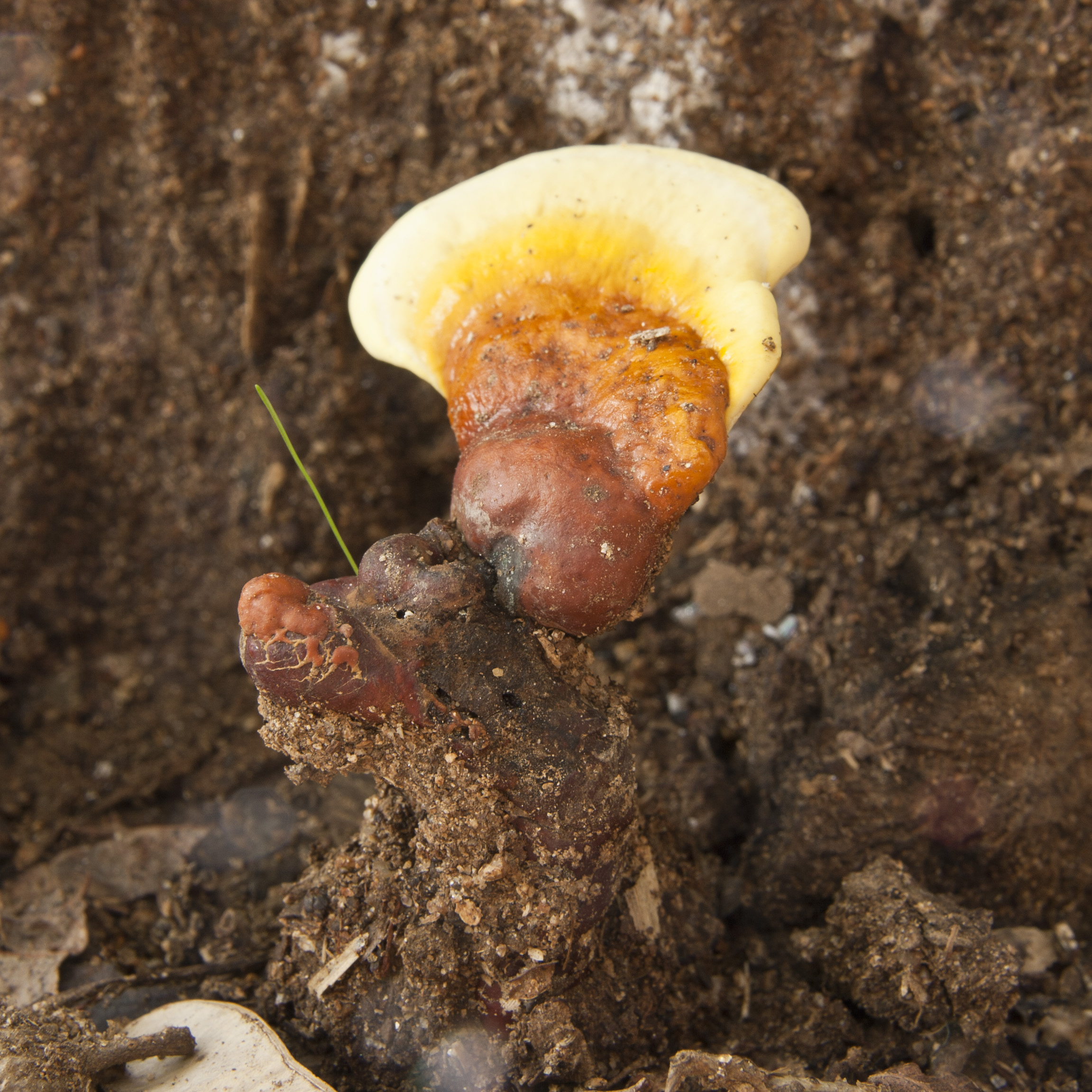
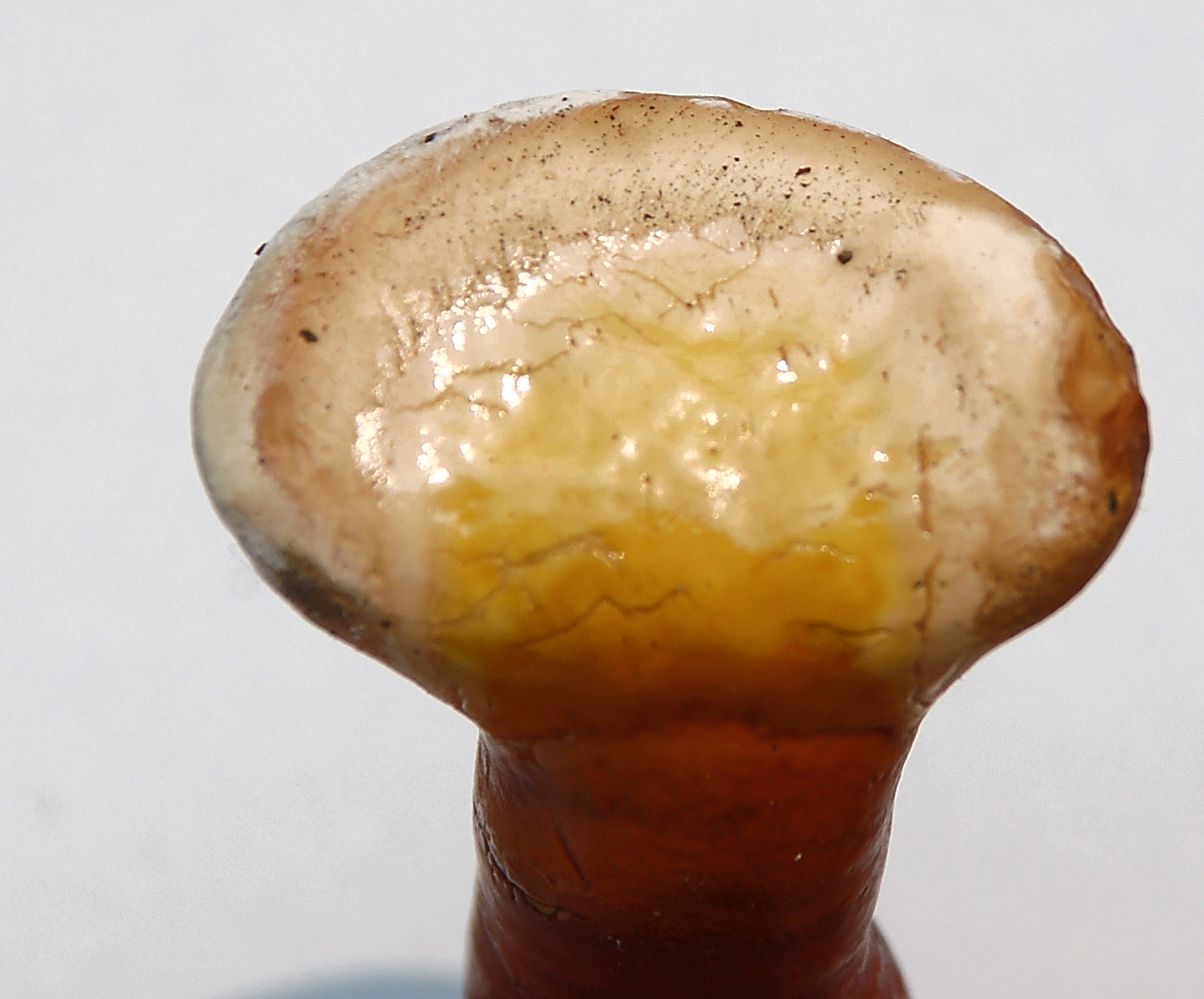
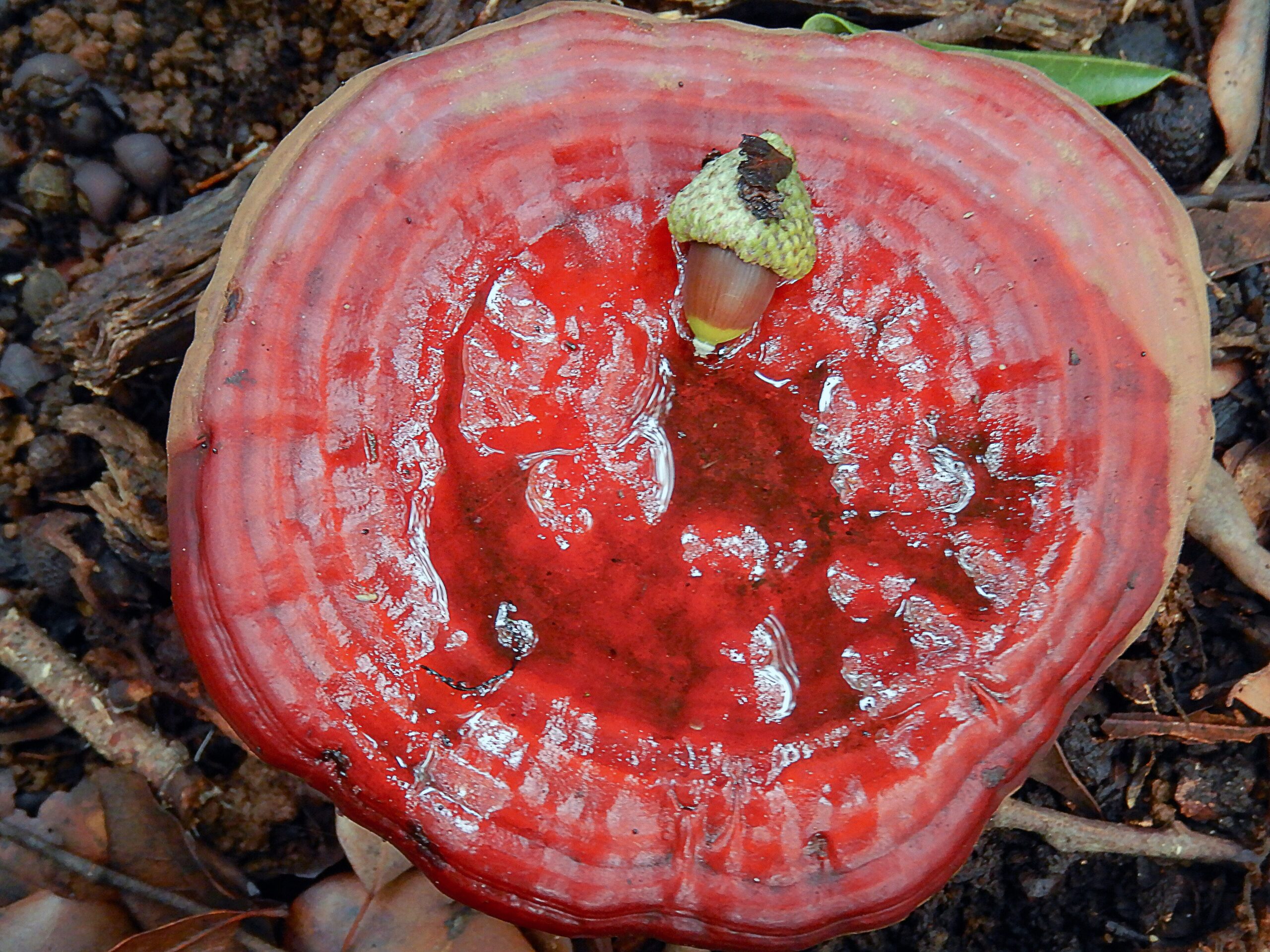
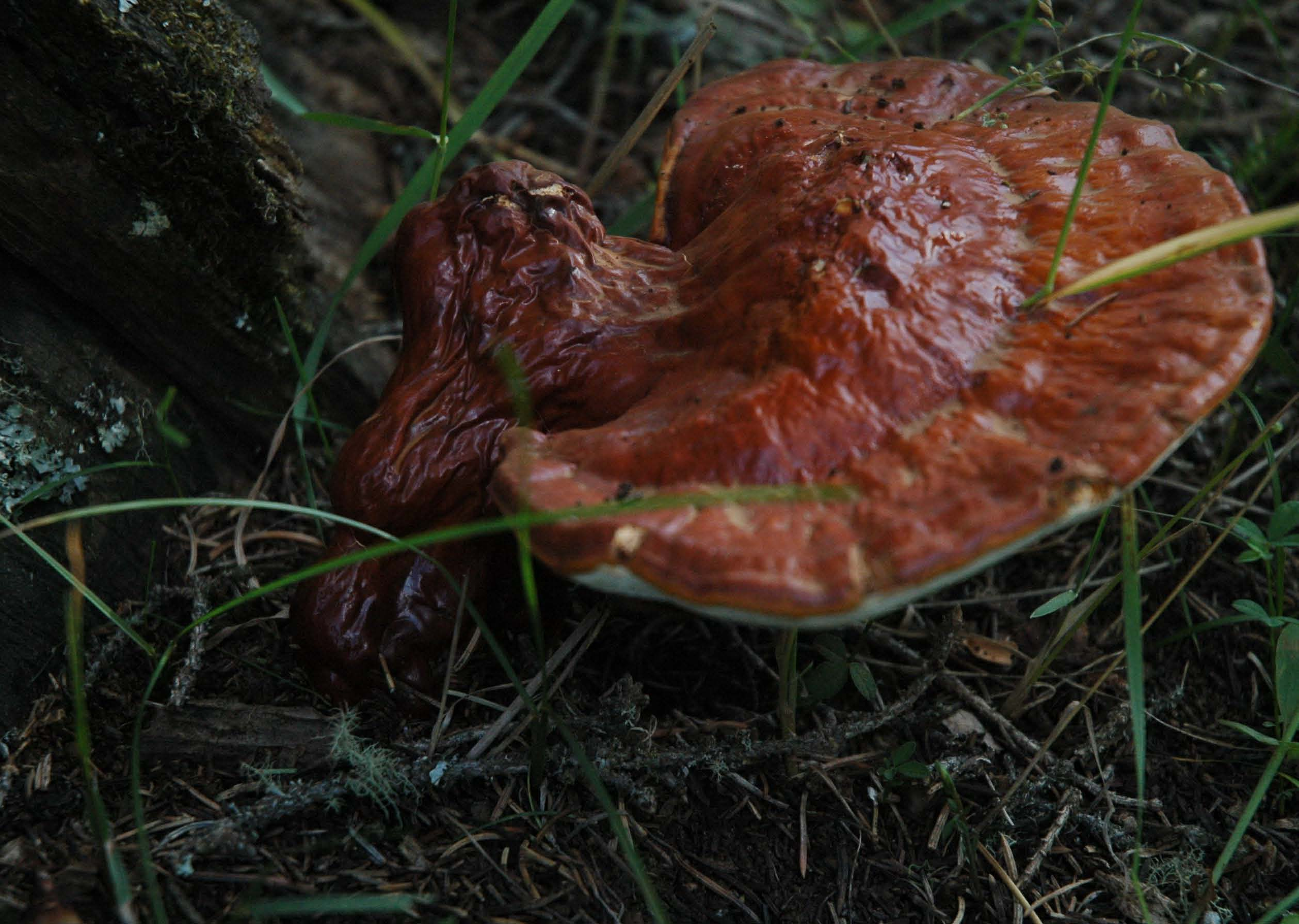
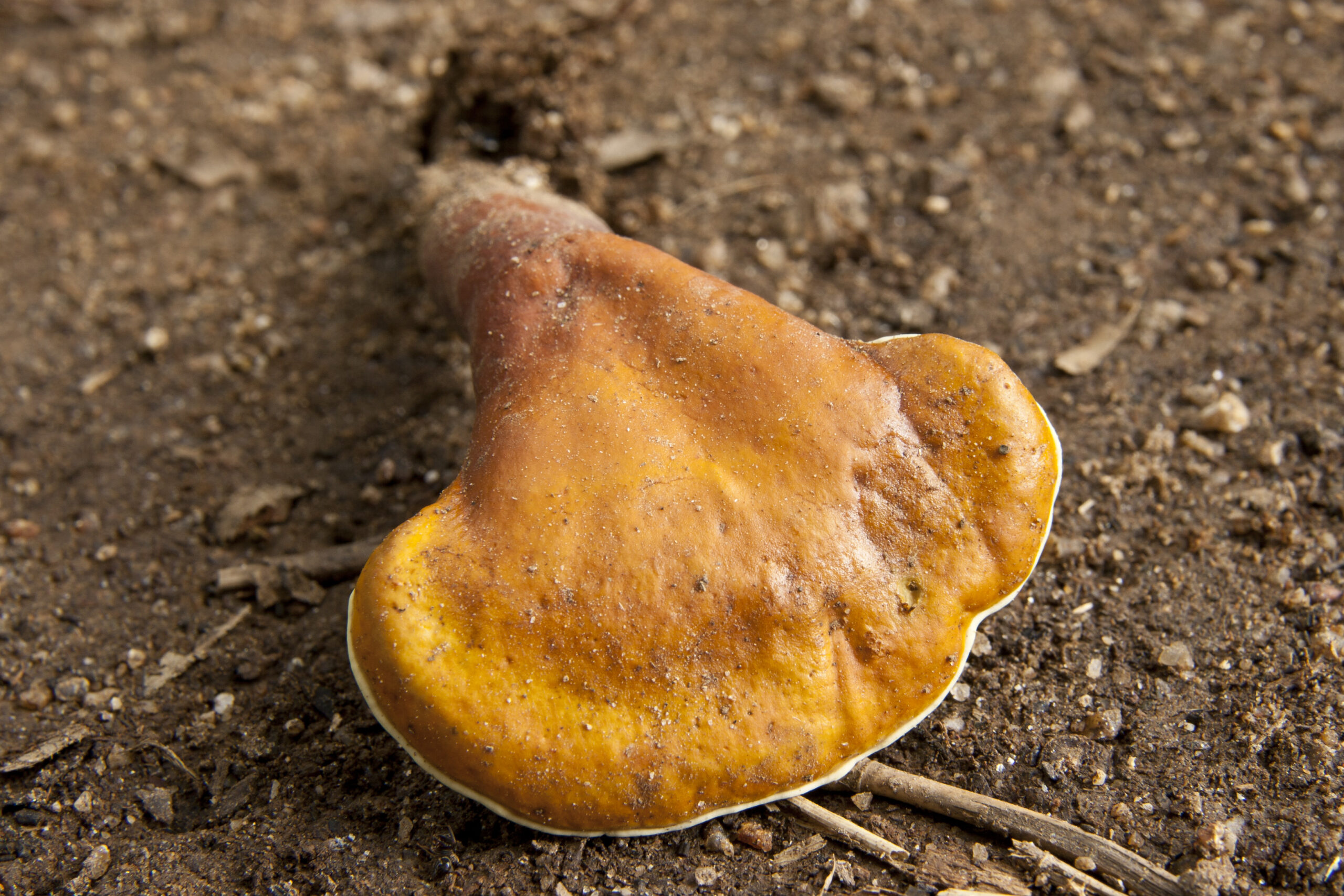
Reishi (Ganoderma lucidum) is a polypore mushroom that grows on hardwood trees in temperate and subtropical forests across Asia, Europe, and North America. Unlike the mushrooms you might toss into a stir-fry, reishi is woody, tough, and essentially inedible raw. It has a deeply bitter flavor—a quality that, as we will see, actually signals the presence of its most valuable compounds.
The two primary groups of bioactive compounds in reishi are:
- Triterpenes (ganoderic acids): These are responsible for reishi’s characteristic bitterness. Over 150 different triterpenes have been identified in reishi, and they are the compounds most closely associated with its calming, liver-supportive, and anti-histamine properties. If your reishi supplement doesn’t taste at least somewhat bitter, it may lack meaningful triterpene content.
- Polysaccharides (beta-glucans): These complex sugars are the main immune-modulating compounds found in reishi and other functional mushrooms. Beta-glucans interact with immune cells in the gut, helping to train and regulate your body’s immune response.
Because reishi is too tough to eat directly, it has traditionally been prepared as a long-simmered decoction (tea) or extracted into tinctures and powders, methods designed to break down its tough cell walls and release these compounds.
Reishi Mushroom Benefits: What the Research Shows

If you are comparing different functional mushrooms (say, weighing reishi against lion’s mane, chaga, or cordyceps—reishi’s strengths cluster around calming, sleep, and immune support rather than cognitive performance or energy.
1. Sleep Support
-0.jpg)
This is arguably where reishi shines brightest in recent research. Traditionally valued as a calming herb taken before bed, reishi has now been studied for its effects on sleep architecture through some genuinely interesting mechanisms.
A 2021 study published in Nature Scientific Reports (DOI: 10.1038/s41598-021-92913-6) found that reishi extract shortened sleep latency (meaning it helped subjects fall asleep faster) through a gut-microbiome-serotonin pathway. The researchers discovered that reishi influenced gut bacteria in ways that increased serotonin production, which in turn promoted sleep. This is a significant finding because it suggests reishi may support sleep through a fundamentally different mechanism than common sleep supplements like melatonin.
Rather than sedating you directly, reishi appears to work with your body’s own calming pathways. Many people report that reishi taken consistently over two to four weeks produces a noticeable improvement in sleep quality, with a sense of falling asleep more naturally rather than feeling drugged or groggy. For a broader look at natural sleep support, our guide to the best herbs for sleep reviews eight research-backed options.
2. Stress Resilience and Mood
-2.jpg)
Reishi is classified as an adaptogen in many herbal traditions, a substance believed to help the body adapt to stress more effectively. While the “adaptogen” concept is somewhat loosely defined, emerging clinical research is beginning to put harder numbers behind these traditional claims.
A 2024 clinical trial examined a combination of reishi and rhodiola (another well-studied adaptogen) in participants experiencing stress-related fatigue. After six weeks, the group receiving the reishi-rhodiola combination showed meaningful improvements in both fatigue scores and overall mood compared to baseline. While this study used a combination formula rather than reishi alone, it adds to a growing body of evidence suggesting reishi’s triterpenes may help modulate the body’s stress response.
The calming quality of reishi is distinct from what you would find with lion’s mane mushroom, which is more commonly associated with focus and cognitive clarity. Think of reishi as the evening mushroom and lion’s mane as the morning one—they complement each other well.
3. Immune Modulation
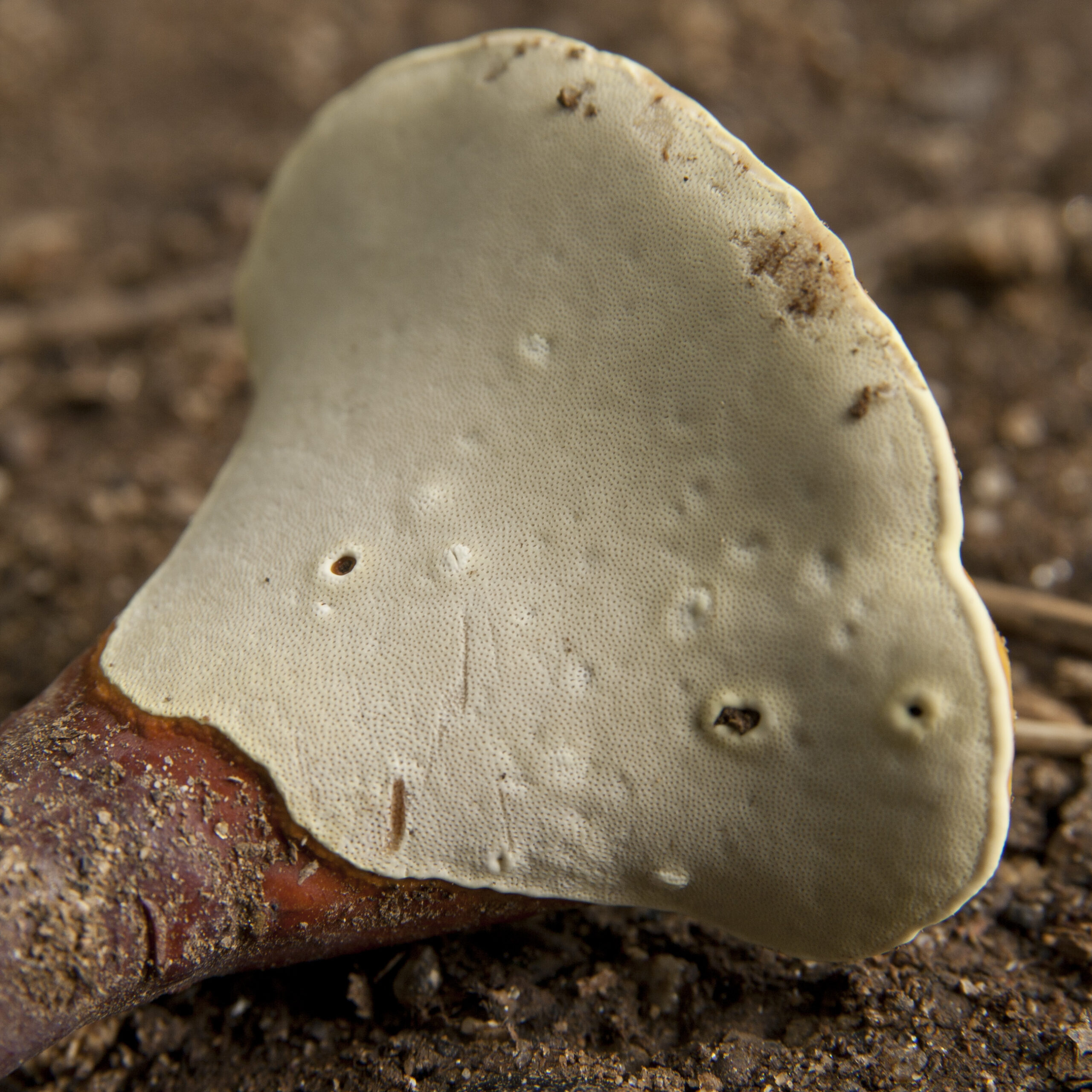

Perhaps the most extensively researched benefit of reishi involves immune function. The beta-glucans in reishi interact with immune cells (particularly macrophages, natural killer cells, and dendritic cells) to help modulate immune activity. The key word here is modulate, not simply “boost.” Research suggests that reishi’s polysaccharides may help upregulate an underactive immune response while also helping to calm an overactive one.
According to Examine.com’s comprehensive review of the literature, there are over 600 studies examining reishi’s effects on immune function. While many of these are preclinical (cell or animal studies), the consistency of findings across this large body of research is notable. The beta-glucans in reishi appear to act as biological response modifiers, essentially helping your immune system respond more appropriately to challenges.
This immune-modulating quality is one reason reishi has such a long history of use in traditional systems. It is not a short-term fix but rather a tonic that, taken consistently over time, may help support a well-regulated immune system.
How to Use Reishi Mushroom
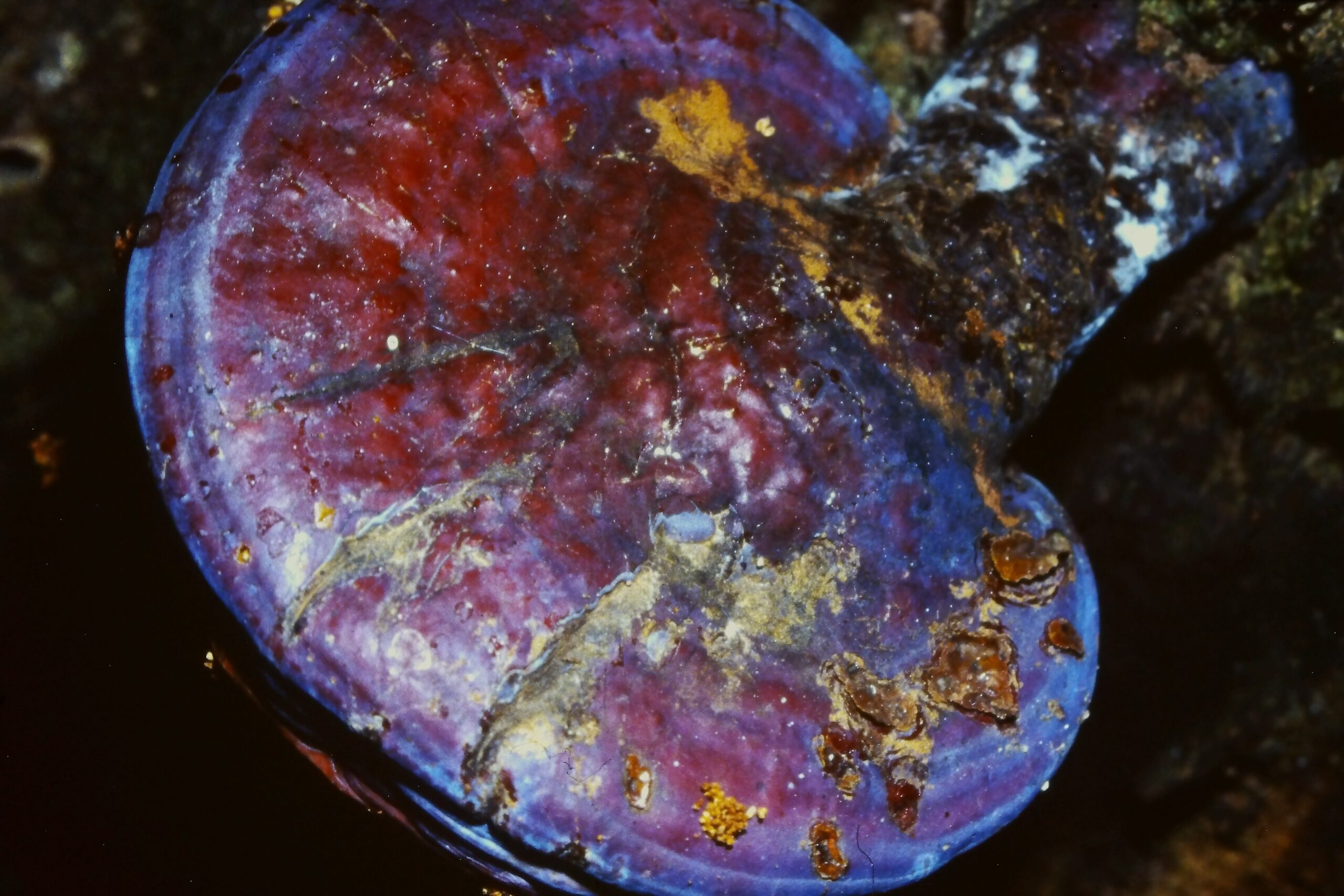
,_Poliporacce,_1987.jpg)
Because reishi is woody and inedible raw, you need to extract its bioactive compounds using heat, alcohol, or both. Here are the most practical methods, from traditional to modern:
Traditional Decoction (Tea)

This is the oldest and, in many ways, most satisfying method. Add 5-10 grams of dried reishi slices to 4-6 cups of water and simmer on low heat for 2-4 hours, until the liquid has reduced by about half. The result is a deeply bitter, dark tea that you can sip in small amounts (about half a cup). Add raw honey or ginger to soften the bitterness. Making decoctions like this is an art unto itself. Our beginner’s tincture guide covers the fundamentals of herbal extraction if you want to go deeper.
Capsules or Tablets

For most people, capsules are the easiest way to get a consistent, measured dose of reishi. Look for products containing 1,000–2,000 mg of reishi extract per serving (≤2 g/day extract ceiling), ideally from fruiting body with verified beta-glucan content. Take with food to improve absorption and reduce the chance of stomach upset.
Dual-Extraction Tincture

A dual extraction uses both hot water (to pull out polysaccharides) and alcohol (to pull out triterpenes), capturing the full spectrum of reishi’s bioactive compounds. A typical dose is 1-2 ml (about 1-2 dropperfuls) taken in the evening. Drop it directly under your tongue or add it to a small amount of warm water.
Reishi Powder in Hot Chocolate
.png)
If you find the bitterness of reishi challenging, stirring a teaspoon of reishi extract powder into hot chocolate is an excellent evening ritual. The bitterness of the reishi actually complements dark cocoa beautifully, and the warm drink becomes a natural signal to your body that it is time to wind down. Add a dash of cinnamon and a spoonful of honey for a genuinely enjoyable nightcap.
Dosage Guide

| Form | Daily Dose | Timing |
|---|---|---|
| Extract capsules | 1,000–2,000 mg (≤2 g/day extract ceiling) | Evening, with food |
| Dual-extraction tincture | 1–2 ml (1–2 dropperfuls) | Evening |
| Extract powder | ~1 tsp (~2,000 mg; stay at or below ≤2 g/day extract ceiling) | Evening, in hot drinks |
| Dried slices (decoction) | 5–10 g simmered in water | Afternoon or evening |
Start low and build gradually. Begin with the lower end of the range for your first two weeks, then increase if you feel comfortable. Most people notice the effects of reishi building over 2-4 weeks of consistent use rather than as an immediate, single-dose effect.
A note on bitterness: If your reishi extract tastes noticeably bitter, that is actually a good sign. It means the product contains meaningful levels of triterpenes (ganoderic acids), which are among the most valuable compounds in reishi. Extracts that have no bitterness at all may be lacking in this important compound class.
Evening is generally best. Because of reishi’s calming properties and its researched effects on sleep, most practitioners recommend taking it in the evening, typically 1-2 hours before bed.
Side Effects and Safety Considerations

Reishi has more documented side effects than many other functional mushrooms, which is worth being aware of. While it is generally considered safe for most healthy adults when used at recommended doses, transparency about potential adverse effects matters, especially in a YMYL (Your Money or Your Life) health context.
- Decreased appetite
- Dizziness
- Dry mouth and throat
- Insomnia (paradoxically, in some individuals)
- Headache
- Digestive discomfort, especially on an empty stomach
Source: Comprehensive safety review, PMC11614793
Important drug interactions: Reishi may interact with blood-thinning medications (anticoagulants and antiplatelet drugs) due to its potential effects on platelet aggregation. It may also interact with blood pressure medications. If you take any prescription medications, particularly blood thinners or antihypertensives, consult your doctor before using reishi.
Pregnant and breastfeeding women should avoid reishi due to insufficient safety data. Discontinue use at least two weeks before any scheduled surgery due to potential effects on bleeding.
How to Choose a Quality Reishi Supplement
The reishi supplement market is, frankly, a bit of a minefield. Quality varies enormously between products. Here is what to look for:
- Fruiting body, not mycelium on grain. The fruiting body is the actual mushroom, the part that has been used for thousands of years and studied in research. Many cheaper supplements use mycelium grown on grain (often rice), which results in a product that is largely starch filler with minimal bioactive compounds. Check the Supplement Facts panel: if it says “mycelium” or “myceliated grain,” look elsewhere.
- Beta-glucan content of 35+ mg/g. According to Nammex (one of the leading mushroom quality standards organizations), a quality reishi extract should contain at least 35 mg/g of beta-glucans. Products that list “polysaccharides” instead of “beta-glucans” may be inflating their numbers with starch content.
- Triterpene content listed. This is what separates a genuinely good reishi product from an average one. Triterpenes (ganoderic acids) are unique to reishi and are responsible for many of its most valued effects, including its calming and liver-supportive properties. A good product will list triterpene content on the label.
- Dual extraction preferred. Since reishi contains both water-soluble compounds (beta-glucans) and alcohol-soluble compounds (triterpenes), a dual extraction captures the full spectrum. For tinctures, this means a product made with both hot water and alcohol. For powders and capsules, look for “dual extract” or “full-spectrum extract” on the label.
- Third-party tested. Look for products tested by independent labs for heavy metals, pesticides, and microbial contamination. Certificates of analysis (COAs) should be available on request.
Growing Reishi at Home
Here is something that might surprise you: reishi is one of the easier medicinal mushrooms to grow at home. If you have ever been curious about mushroom cultivation, reishi is a wonderful starting point.
There are two main approaches:
Hardwood Logs
The most natural method involves drilling holes in freshly cut hardwood logs (oak, maple, and sweetgum work well), filling them with reishi spawn plugs, and sealing with wax. The logs are kept in a shaded, humid area. This method takes 6-12 months before the first fruiting but can produce mushrooms for several years from a single log. If you’re new to cultivation, this beginner’s guide to growing mushrooms at home covers both log and bag methods in detail.
Sawdust Blocks
For faster results, supplemented hardwood sawdust blocks (available as ready-to-fruit kits from mushroom suppliers) can produce reishi in as little as 8-12 weeks. These blocks do best in warm (75-85°F), humid conditions with some fresh air exchange.
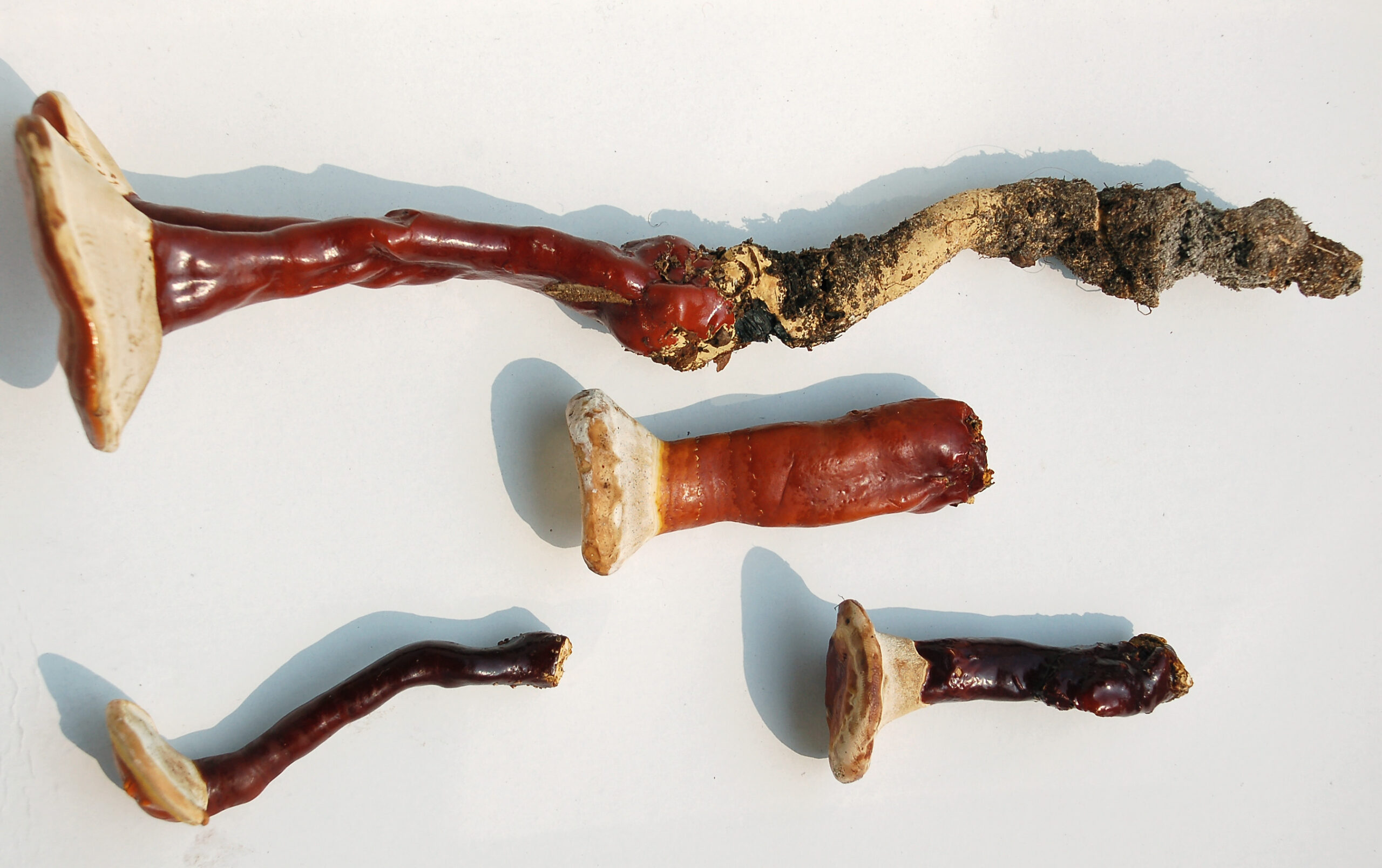
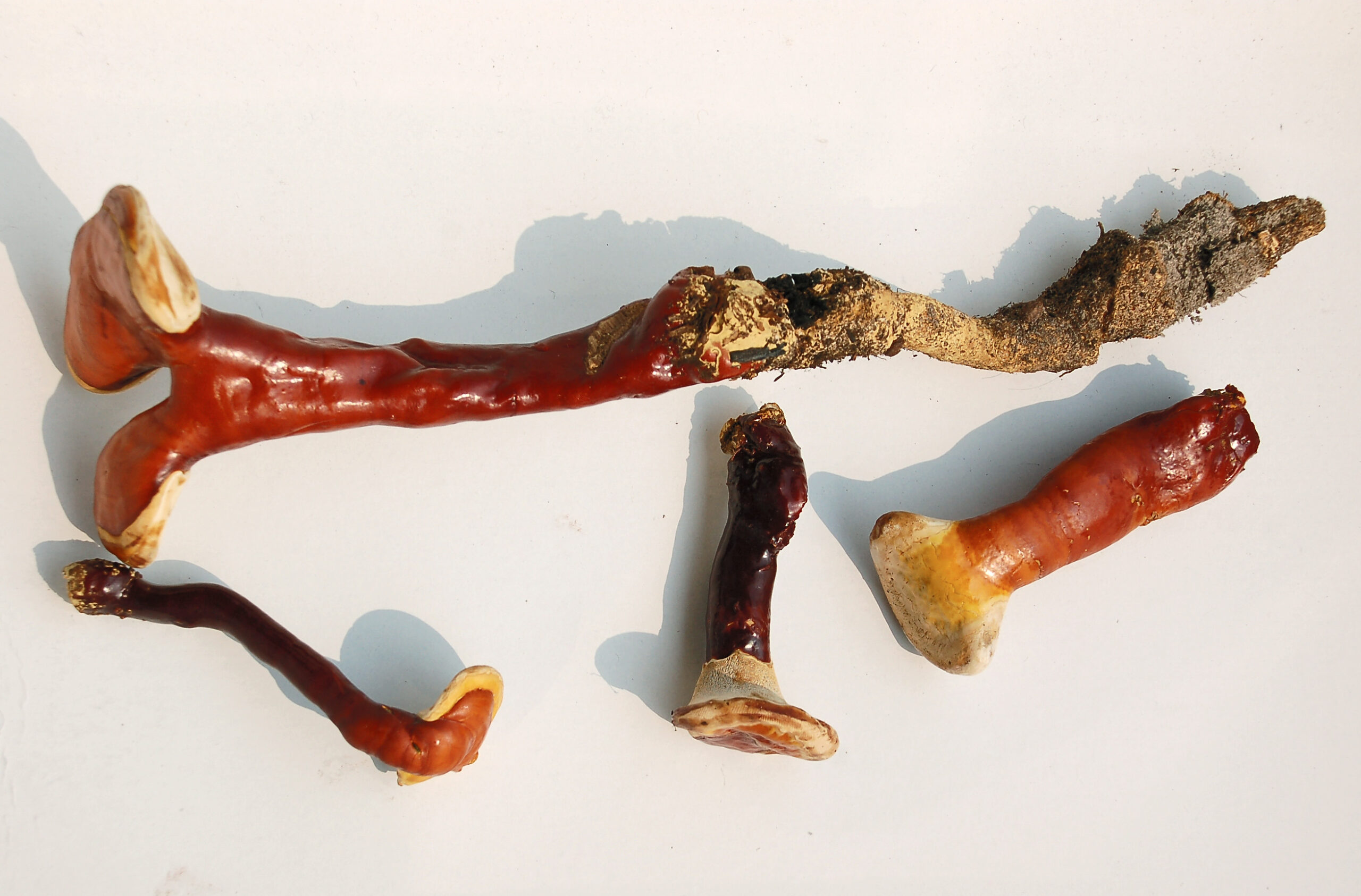
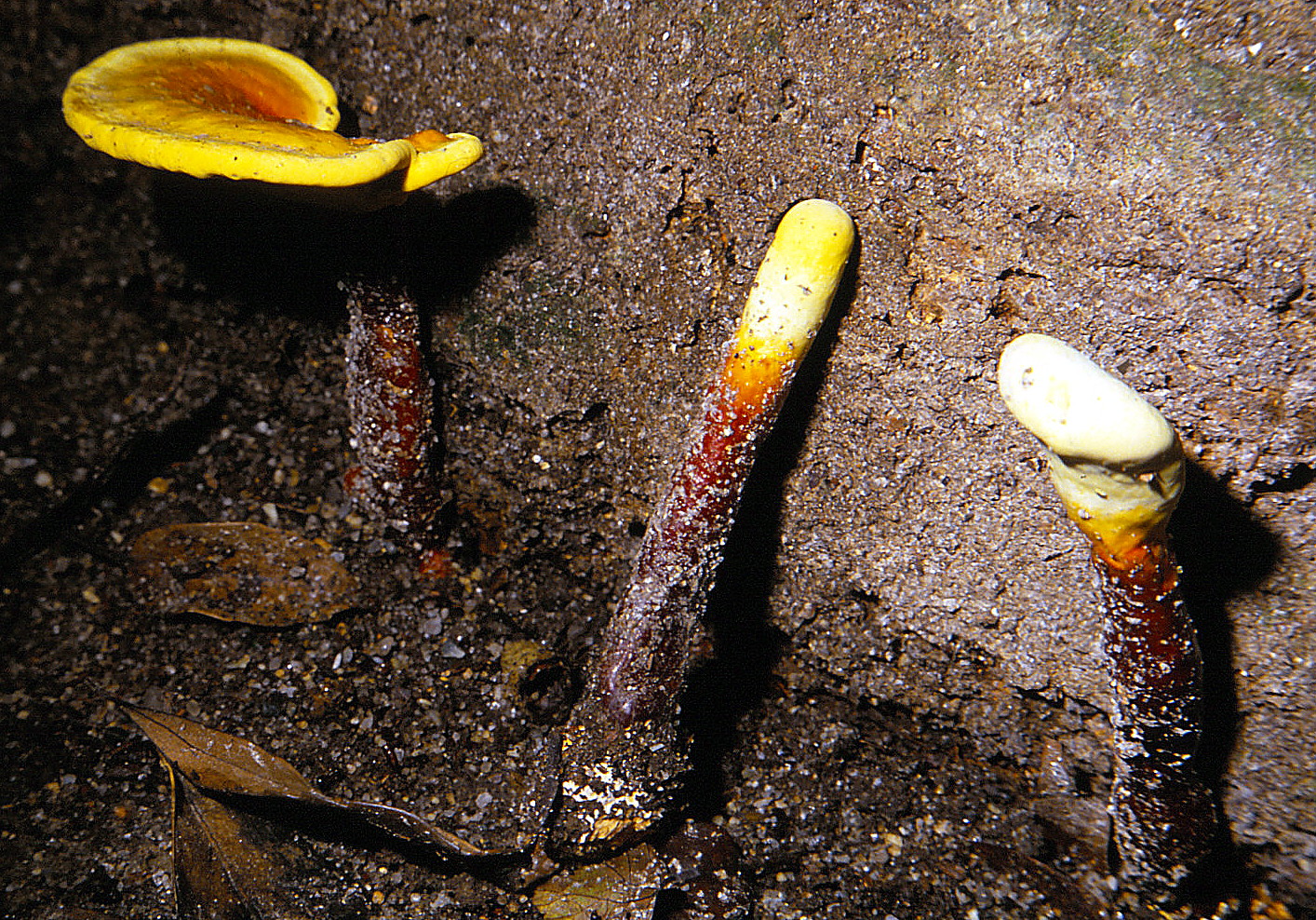
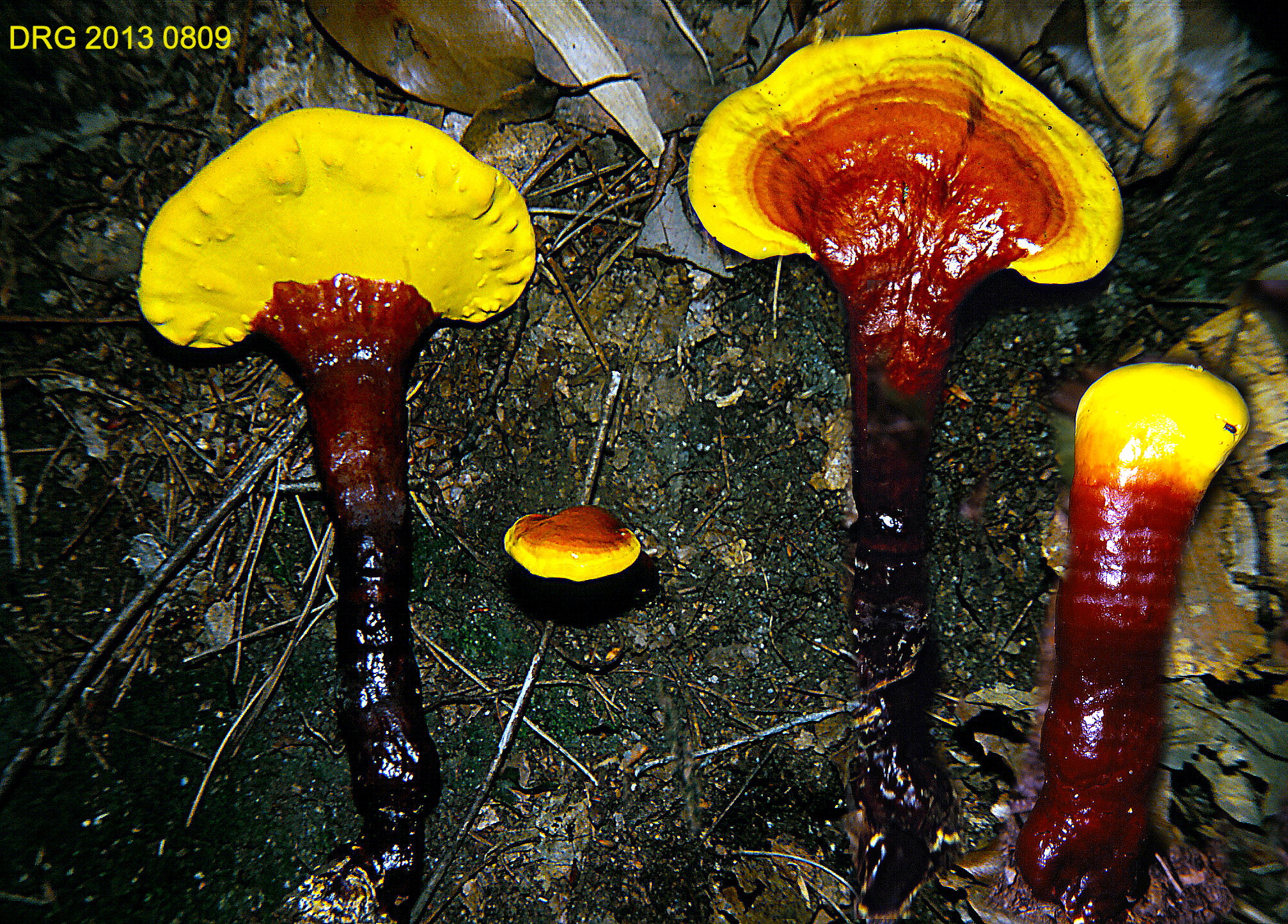
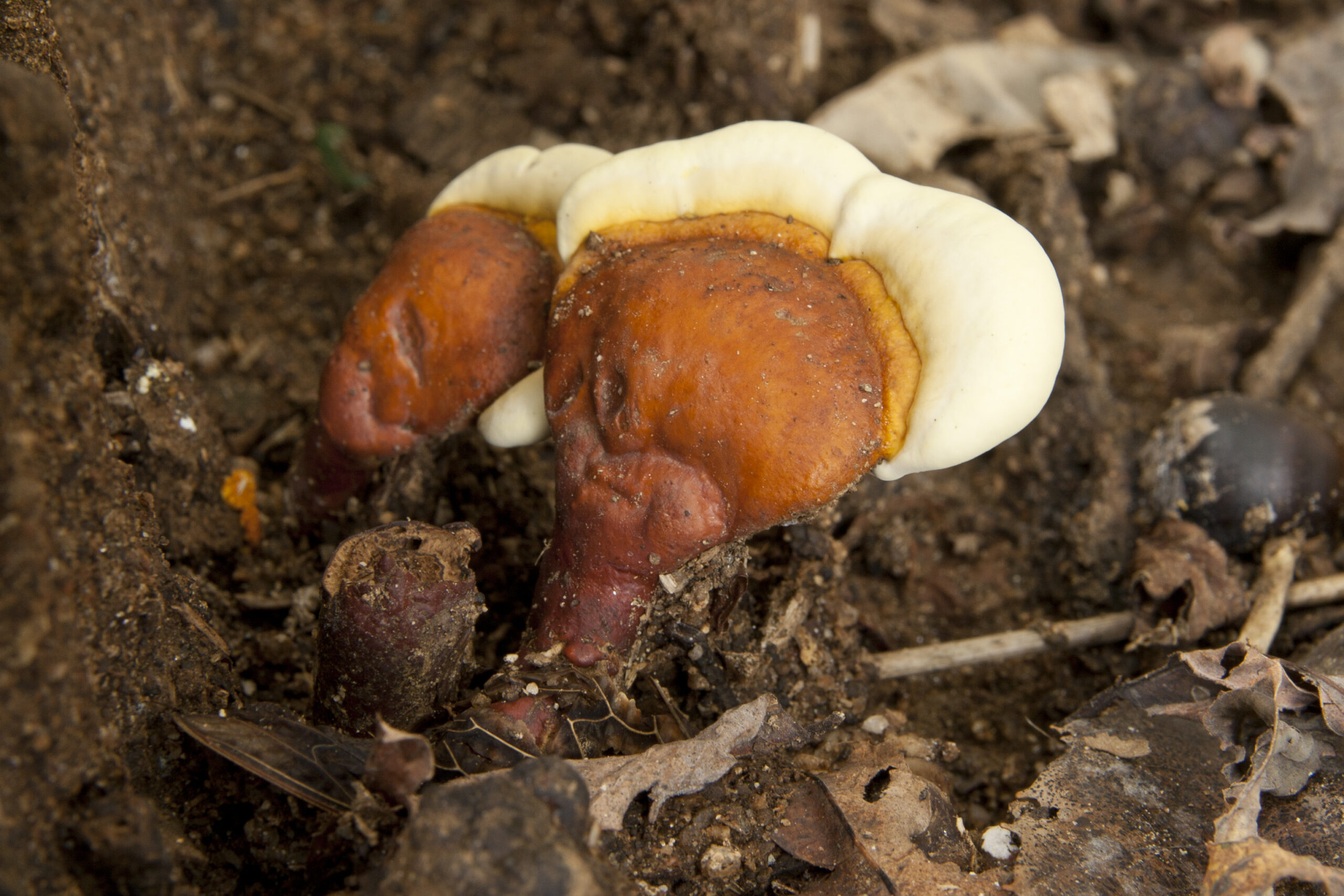
One of the most beautiful things about growing reishi is watching the different forms it takes depending on growing conditions. With abundant fresh air, reishi develops the classic flat, kidney-shaped “conk” form with its distinctive lacquered red surface. In higher CO2 environments (like inside a bag or container), it grows into striking elongated “antler” forms that look almost otherworldly. Both forms are equally valuable medicinally.
Home-grown reishi can be dried, sliced, and simmered into decoctions or used to make your own tinctures. If cultivating your own remedies appeals to you, our guide to 10 medicinal herbs every beginner should grow is a natural next step, a deeply satisfying process that connects you to the thousands of years of tradition behind this remarkable fungus. For broader guidance on homesteading and self-sufficient living, our sister site Wild Hearth Life is a great companion resource.
Safety Profile: Reishi (Ganoderma lucidum)
- Contraindications
- Bleeding disorders or impaired platelet function (reishi’s triterpenes exert antiplatelet activity); autoimmune disease — lupus, rheumatoid arthritis, multiple sclerosis, inflammatory bowel disease (immune modulation may exacerbate autoimmune activity); scheduled surgery within two weeks (antiplatelet and potential hypotensive effects increase perioperative bleeding risk); hypotension or blood pressure disorders (reishi may further lower blood pressure).
- Drug interactions
- Anticoagulants and antiplatelets — warfarin, DOACs (apixaban, rivaroxaban), aspirin, clopidogrel (theoretical additive bleeding risk from reishi’s antiplatelet triterpene activity; monitor INR if concurrent use). Antihypertensive medications (additive hypotensive effect possible; blood pressure monitoring recommended). Immunosuppressants including cyclosporine and tacrolimus (opposing immunomodulatory mechanism may reduce drug efficacy or destabilize transplant patients). Diabetes medications and insulin (reishi may enhance hypoglycemic effects — additive blood-glucose lowering requiring monitoring). Chemotherapy and oncology protocols — coordinate with your oncologist before use.
- Pregnancy / lactation
- Avoid medicinal doses of reishi during pregnancy. There are no human safety data for reishi supplementation during pregnancy, and its immune-modulating and antiplatelet activities are both undesirable during gestation. Small amounts of reishi in blended mushroom coffee products are unlikely to pose the same risk, but concentrated extracts and capsules should be avoided. Breastfeeding: insufficient data to establish safety — precautionary avoidance of medicinal doses is recommended. If you have questions, consult your midwife or obstetrician.
- Maximum recommended daily dose
- Extract capsules / powder: ≤2 g/day (2,000 mg) of concentrated fruiting body extract — this is the Tier B safety ceiling and the range supported by published clinical safety data. Traditional decoction (dried reishi slices simmered in water): 3–9 g/day dried material per traditional Chinese medicine references — the lower bioavailability of a raw decoction means higher starting material is conventional, but this does not translate to equivalent extract dosing. Do not exceed 2 g/day of standardized extract; if using powder, confirm the product’s extraction ratio to ensure you remain within this ceiling.
- Do not use if
-
- You have a bleeding disorder or are taking anticoagulant or antiplatelet medications — reishi’s antiplatelet activity may increase bleeding risk.
- You are scheduled for surgery within two weeks — discontinue reishi at least 14 days before any surgical procedure.
- You have an autoimmune disease (lupus, rheumatoid arthritis, MS, IBD) unless your clinician has reviewed and approved use.
- You have received an organ transplant and take immunosuppressant medications — reishi’s immune-stimulating activity may oppose therapeutic immunosuppression.
- You have low blood pressure or take antihypertensive drugs — additive hypotensive effects are possible.
- You are pregnant — avoid medicinal doses; no human safety data and antiplatelet/immune-modulating activity is undesirable during pregnancy.
- You are taking diabetes medications or insulin without glucose monitoring in place — reishi may enhance hypoglycemic effects.
Frequently Asked Questions
How long does it take for reishi to work?
Most people begin to notice effects after 2-4 weeks of consistent daily use. Some report subtle improvements in sleep quality within the first week, but reishi is generally considered a tonic that builds in effectiveness over time. Unlike melatonin or other direct sleep aids, reishi works through downstream pathways (including the gut-serotonin axis), which takes time to develop. Give it a full 4-6 weeks before evaluating whether it is working for you.
Can I take reishi every day?
Yes, reishi is traditionally used as a daily tonic and most research studies use daily dosing protocols. That said, some herbalists recommend cycling: for example, 5 days on and 2 days off, or taking a one-week break every 6-8 weeks. This cycling approach is not strictly evidence-based, but it is a common practice in traditional herbalism. Listen to your body. If you notice any adverse effects, reduce your dose or take a break.
Is reishi safe to take with other mushroom supplements like lion’s mane?
Combining functional mushrooms is a common and generally well-tolerated practice. Many people take lion’s mane in the morning for focus and cognitive support, and reishi in the evening for calming and sleep. Our functional mushroom comparison guide covers how different mushrooms complement each other. However, stacking multiple supplements increases the total load on your body, so start with one at a time and add gradually.
Why does my reishi supplement taste bitter? Is that normal?
Bitterness is actually a sign of quality when it comes to reishi. The bitter taste comes from triterpenes (ganoderic acids), which are among the most pharmacologically active compounds in reishi and are associated with its calming and liver-supportive properties. A reishi extract or tincture that has no bitterness may contain low levels of triterpenes, which could indicate an inferior product or one made primarily from mycelium rather than fruiting body.
The Bottom Line
Reishi mushroom has earned its place as one of the most respected functional mushrooms in the world—not through marketing hype, but through millennia of traditional use and a growing body of modern research. The evidence is strongest for its effects on sleep quality (through the gut-serotonin pathway), stress resilience, and immune modulation through beta-glucans.
If you are considering adding reishi to your routine, choose a quality fruiting body extract with verified beta-glucan and triterpene content, start with a modest dose in the evening, and give it 4-6 weeks of consistent use. Pair it with good sleep hygiene, and you may find it becomes one of the most valued tools in your wellness practice.
As with any supplement, respect what it is: a powerful botanical with real biological activity. That means taking side effects and drug interactions seriously, consulting your healthcare provider if you have any medical conditions, and sourcing your reishi thoughtfully.
The “mushroom of immortality” may not make you immortal. But used wisely, it just might help you sleep a little deeper, stress a little less, and feel a little more grounded in the process.
References
- Yao C, et al. “Ganoderma lucidum promotes sleep through a gut microbiota-dependent and serotonin-involved pathway in mice.” Scientific Reports. 2021;11(1):13660. DOI: 10.1038/s41598-021-92913-6
- Clinical trial: Reishi and rhodiola combination for stress-related fatigue, 2024. Six-week randomized trial demonstrating improvements in fatigue and mood scores.
- Examine.com. “Ganoderma lucidum Research Analysis.” Comprehensive review of 600+ studies on immune modulation and other effects.
- Safety review of Ganoderma lucidum adverse effects. PMC11614793. Documented side effects including appetite changes, dizziness, dry mouth, and headache.
- Nammex. Quality standards for mushroom supplements. Beta-glucan testing protocols and minimum thresholds for functional mushroom extracts.