Cordyceps is the functional mushroom with the wildest origin story. The species that made it famous — Ophiocordyceps sinensis — is a parasitic fungus that infects moth larvae in the high-altitude meadows of the Tibetan Plateau, mummifies them from the inside, and sends a fruiting stalk up through the caterpillar’s head. It has been harvested by hand from those meadows for centuries, sells for upwards of $20,000 per pound in Chinese markets, and has been implicated in one of the most consequential stories in modern sports medicine.
Here’s the thing almost no article about cordyceps will tell you clearly: virtually none of the cordyceps you can buy in the United States is actually Ophiocordyceps sinensis. Most of it is a completely different species — Cordyceps militaris — grown on grain substrate in Chinese and Korean labs. And most of the human clinical research was conducted with a third thing entirely: Cs-4, a specific fermented mycelial product. Sorting this out matters, because the research that exists does not map neatly onto the products on store shelves.
Key Takeaways
- There are three different “cordyceps”: wild Ophiocordyceps sinensis (nearly unobtainable), cultivated Cordyceps militaris (what most supplements contain), and Cs-4 (the specific fermented extract used in most clinical trials).
- The famous 1993 Chinese runners story is anecdotal, not a clinical trial. It is the reason people believe cordyceps boosts endurance; it is not evidence that it does.
- Exercise performance studies show inconsistent outcomes in healthy subjects (MSK About Herbs).
- Cordycepin inhibits platelet aggregation — meaningful anticoagulant interaction risk.
- Immunomodulation is real — T-helper cell stimulation, NK cell activity, TNF-α and IL-1 enhancement in preclinical models.
The Three Cordyceps (And Why It Matters)
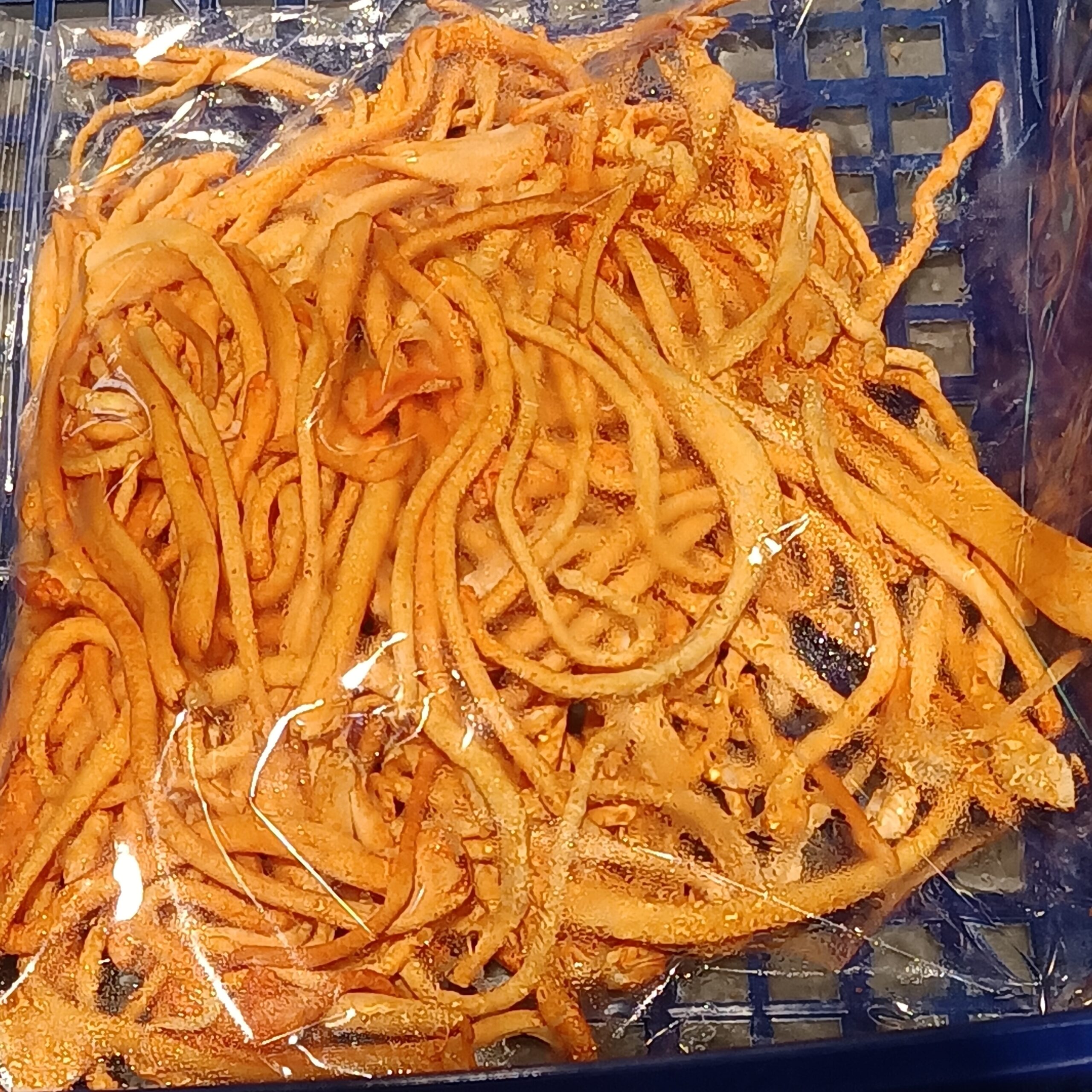

This distinction gets buried in almost every article about cordyceps, so I am going to lead with it.
1. Wild Ophiocordyceps sinensis
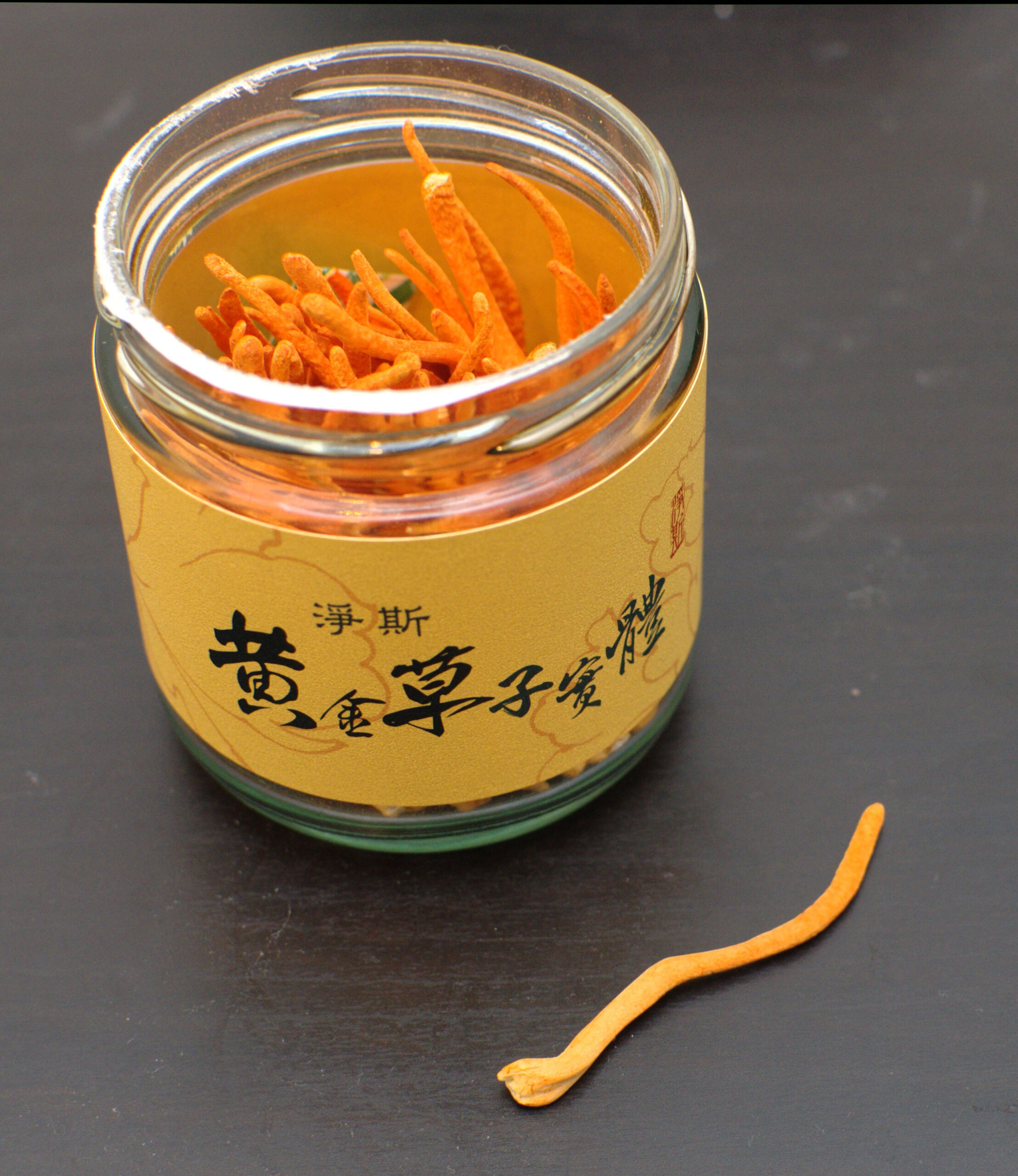

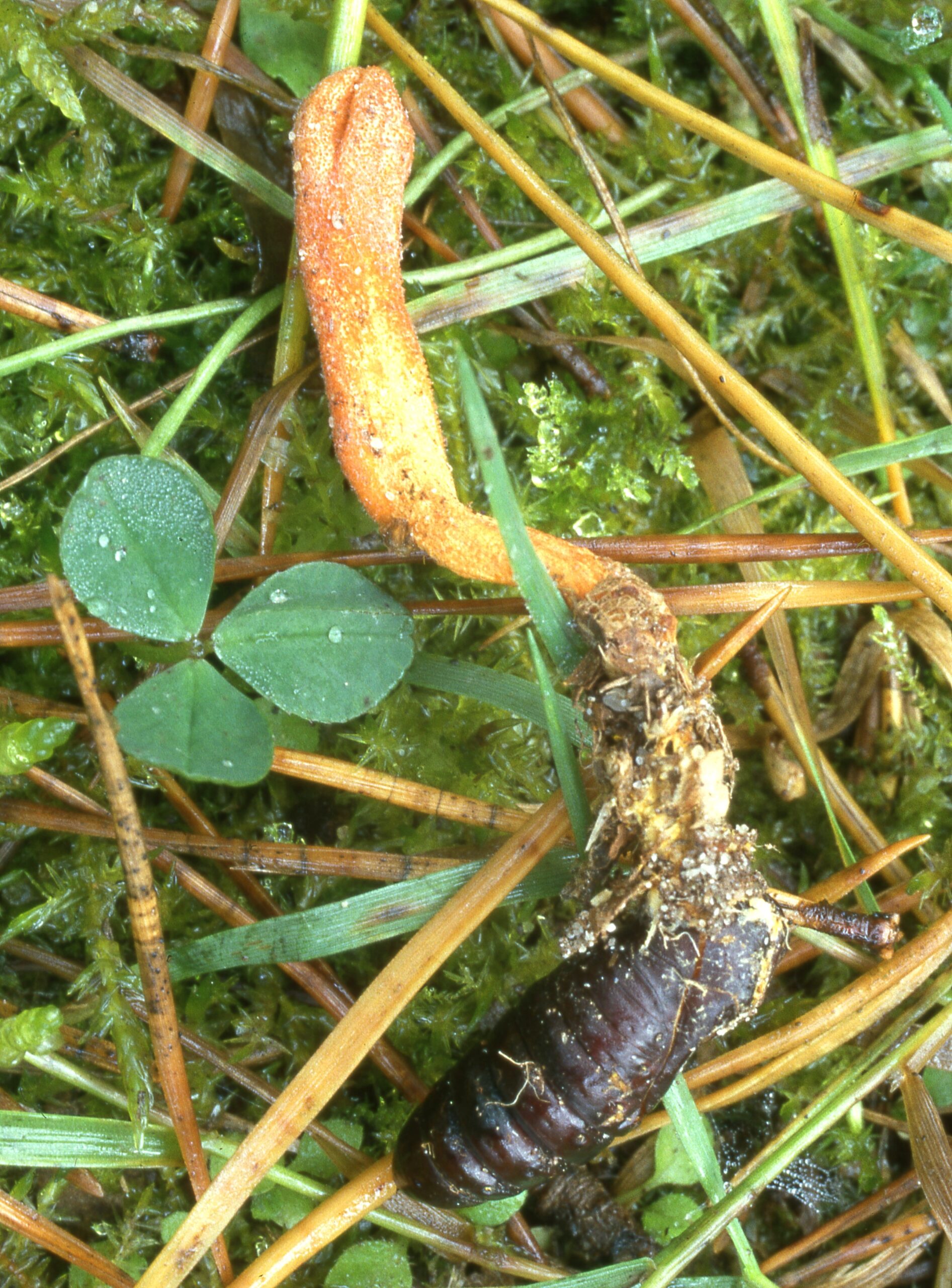
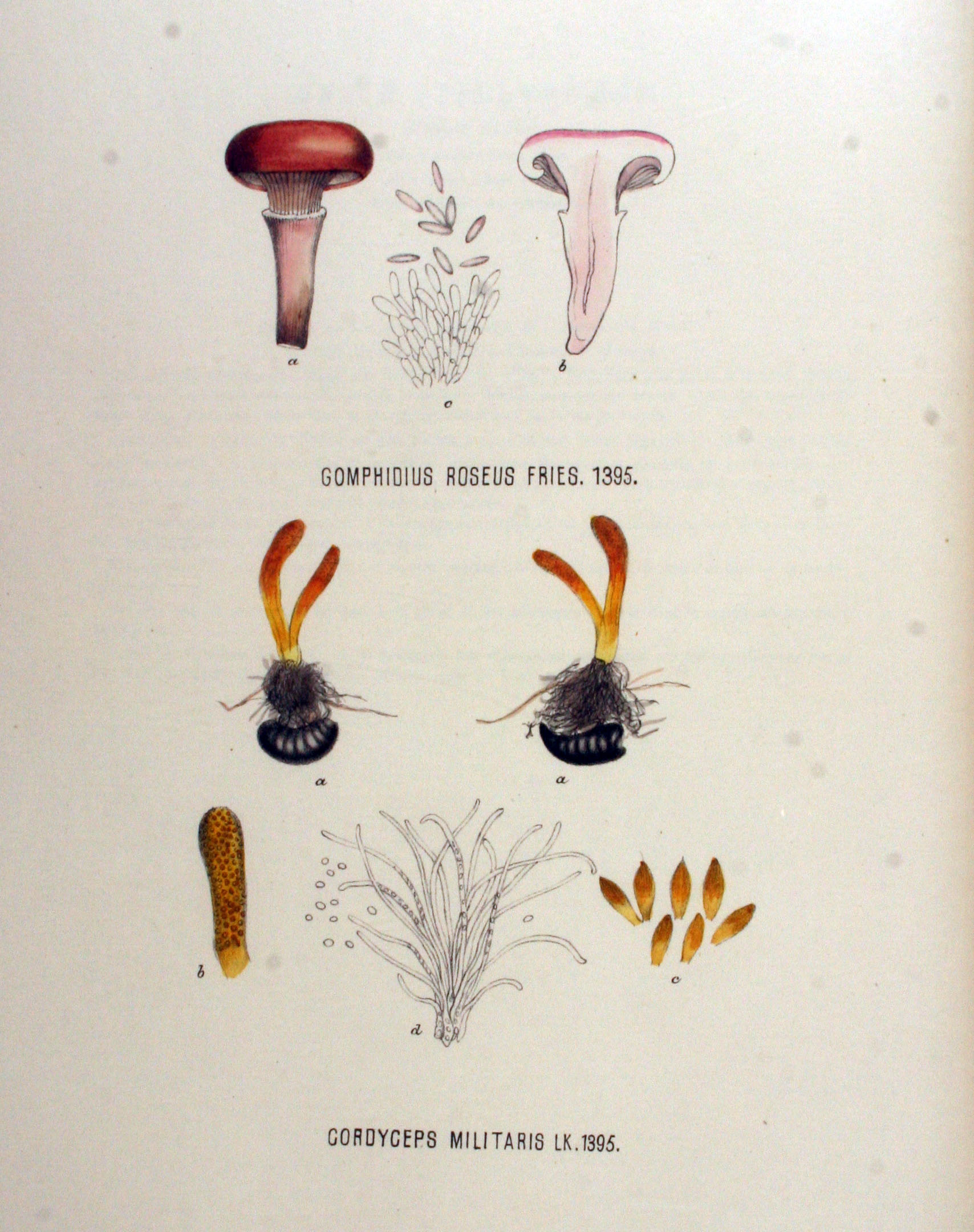
This is the real thing. A parasitic fungus that infects ghost moth (Hepialus) larvae in the alpine meadows of Tibet, Nepal, Bhutan, and western China. The fungus consumes the caterpillar from inside, then sends a dark, club-shaped fruiting body up through the soil in early summer. In 2007, taxonomists formally renamed it from Cordyceps sinensis to Ophiocordyceps sinensis, moving it to a different genus entirely.
Wild Ophiocordyceps is one of the most expensive natural substances on Earth. It is functionally impossible to buy genuine wild cordyceps in the US at any price point a normal consumer would consider, and “wild harvested cordyceps” claims on American supplement labels should be treated with strong skepticism.
2. Cultivated Cordyceps militaris
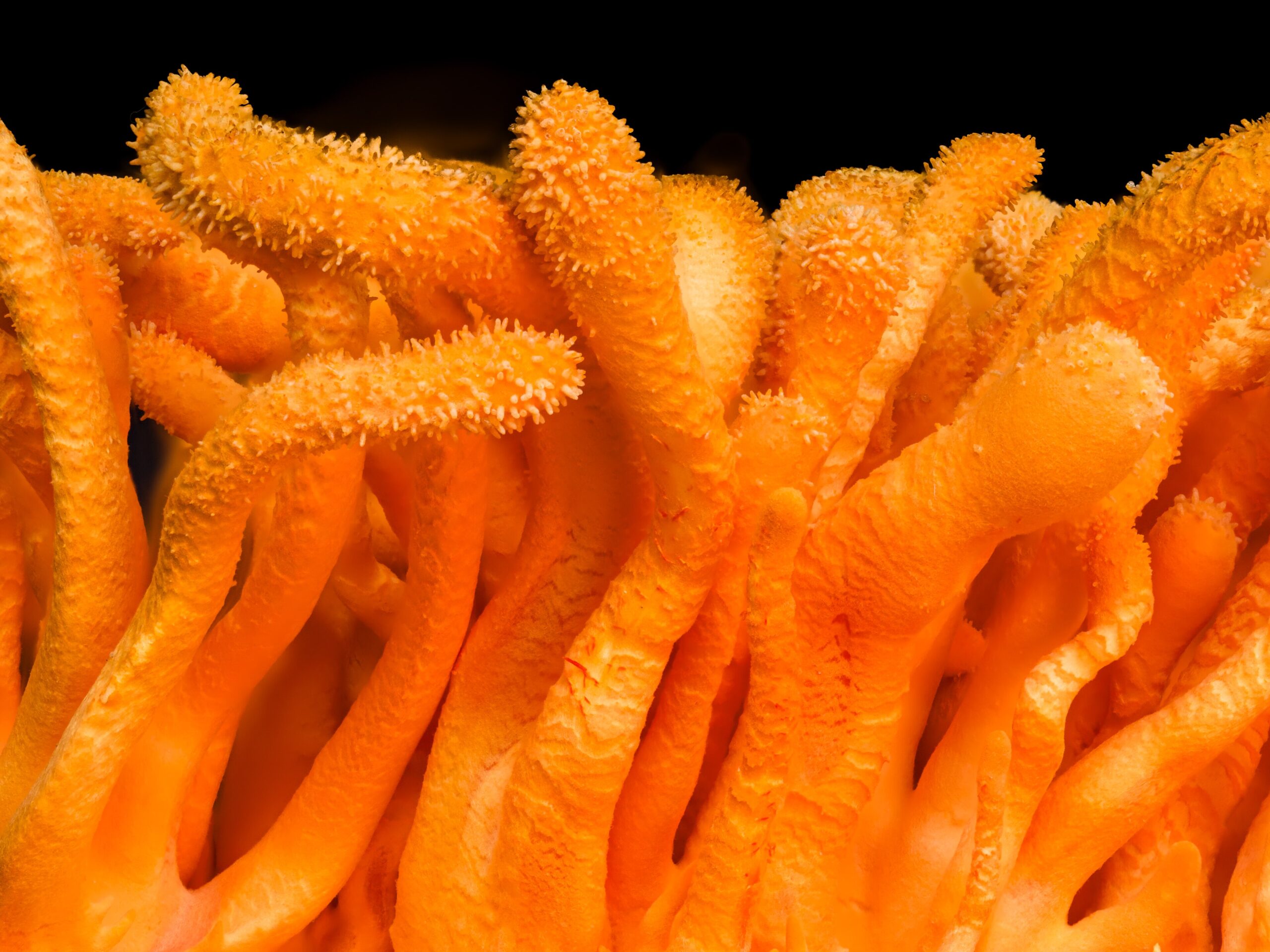

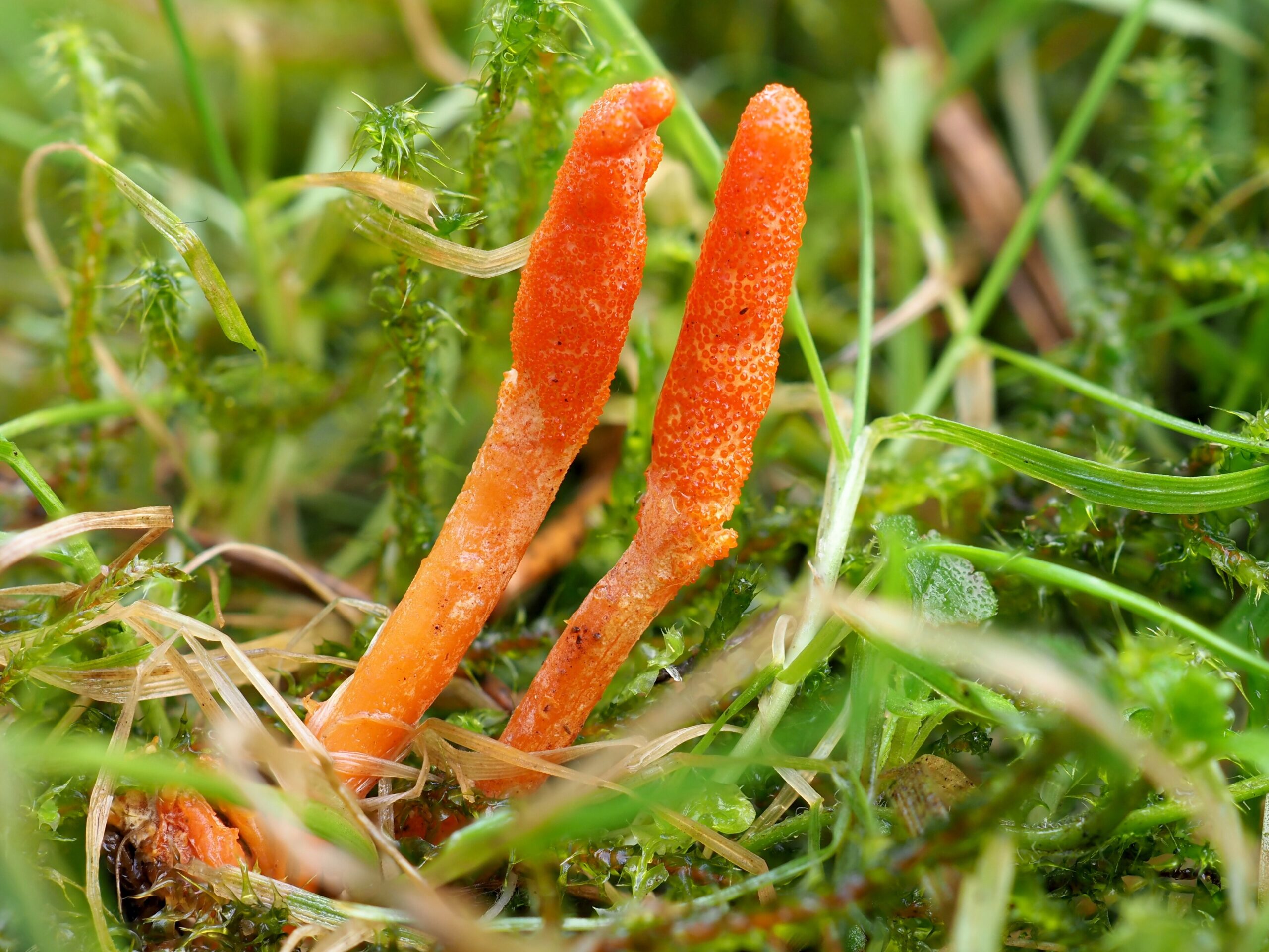
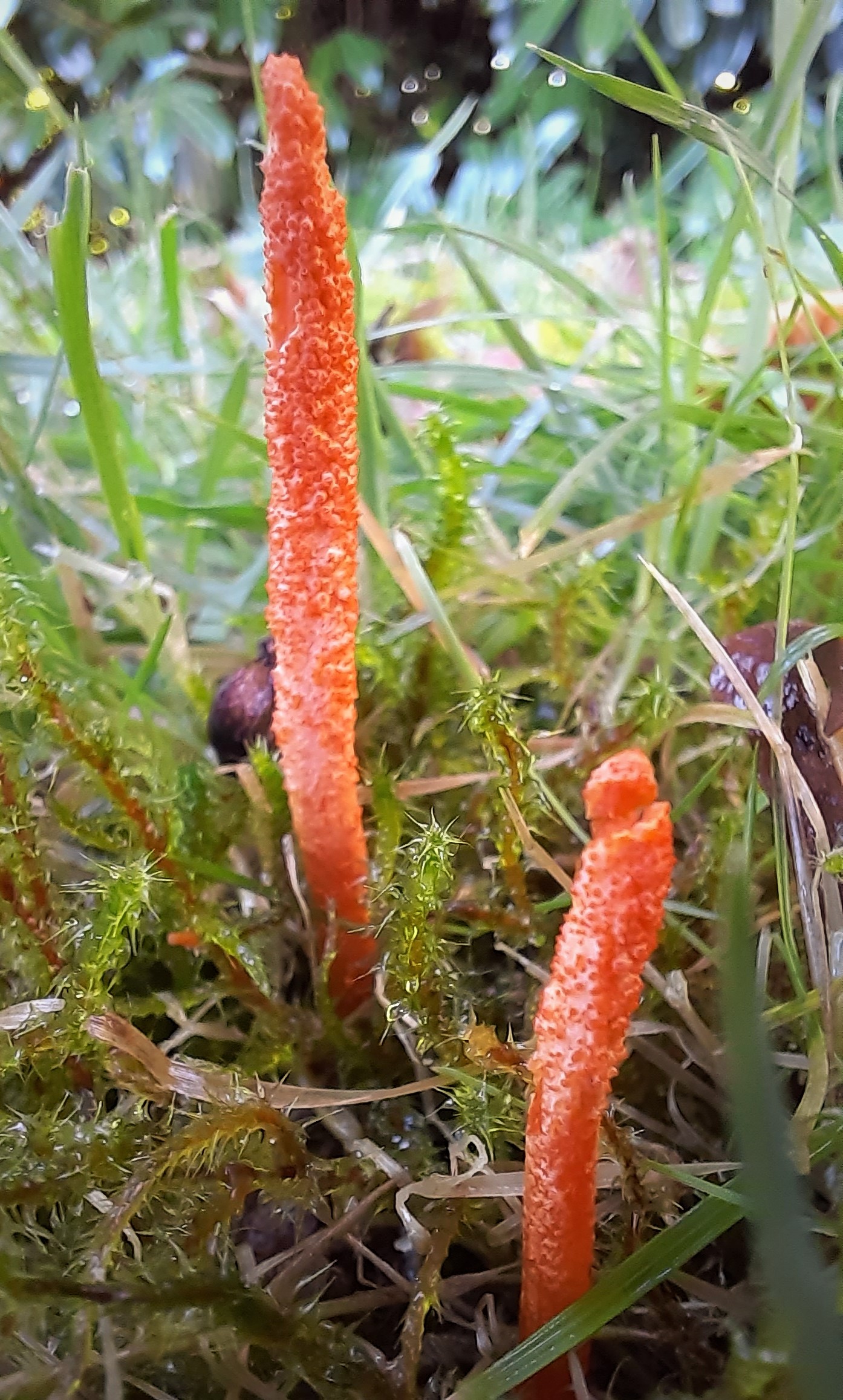
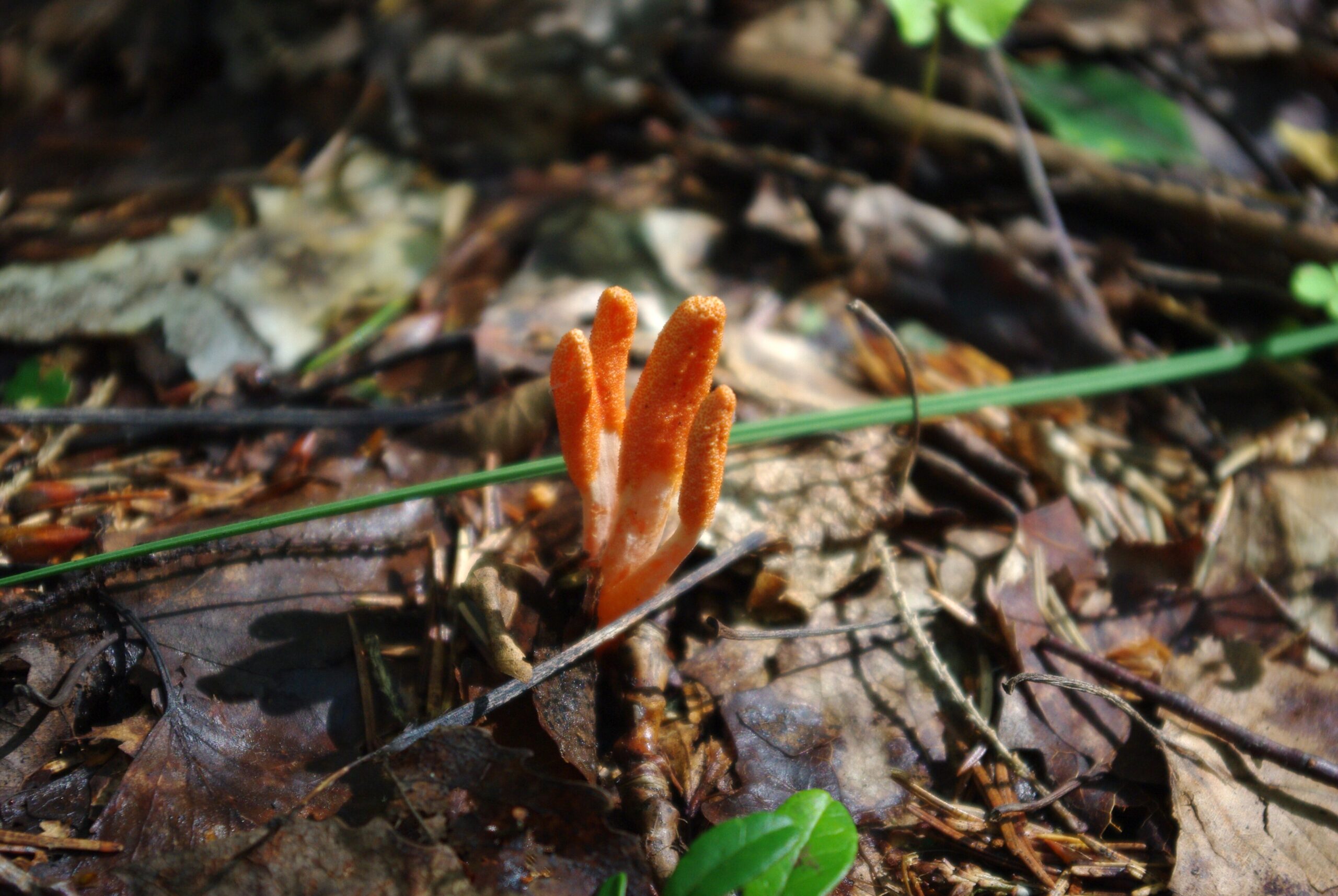
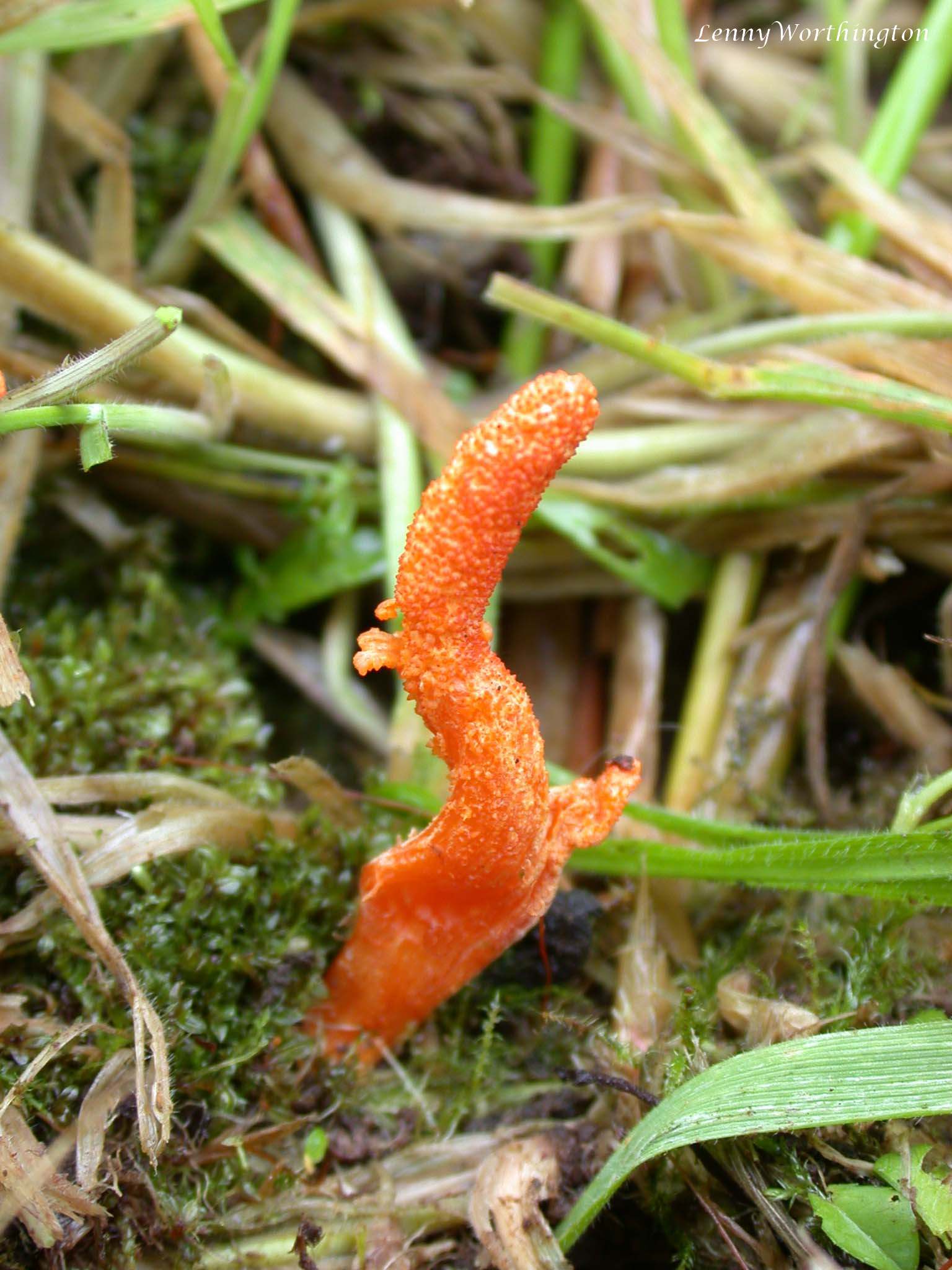
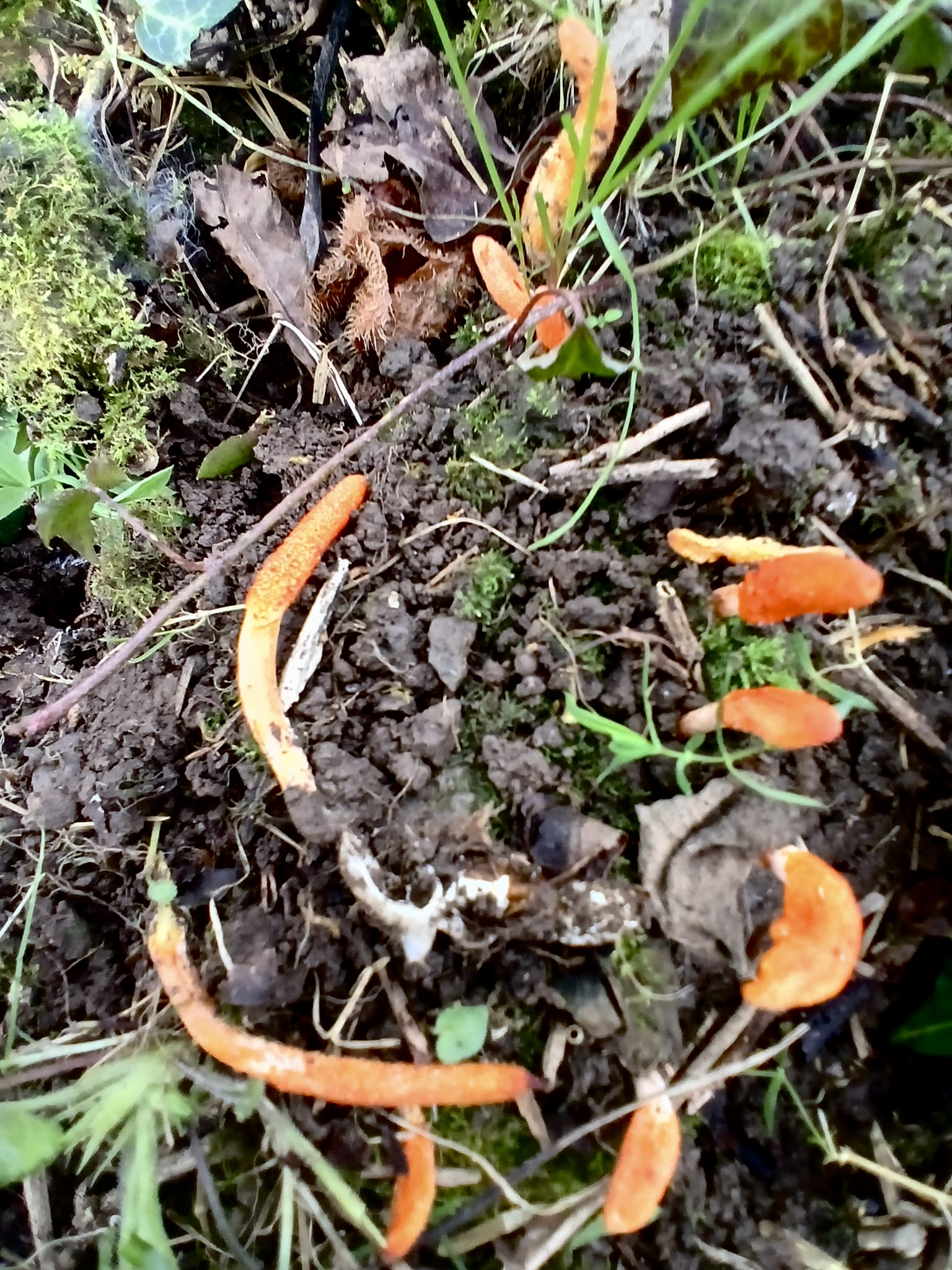
A different species of cordyceps entirely. C. militaris is a bright orange fungus that can be cultivated in bottles on grain substrate, doesn’t require a host insect, and produces cordycepin — one of the bioactive compounds of interest — in higher concentrations than wild Ophiocordyceps. Almost all of the cordyceps fruiting body powder sold in the US is C. militaris.
3. Cs-4 (the research mushroom)

Cs-4, also written CS-4, is a fermented mycelial product developed in China in the 1980s, grown from a single strain isolated from wild Ophiocordyceps. It is neither fruiting body nor wild harvested — it is a submerged liquid fermentation product. Crucially, most of the Chinese clinical research on cordyceps was conducted with Cs-4, not with fruiting body extract. This matters when reading “studies show cordyceps does X” claims.
What the Research Actually Shows
.jpg)
Memorial Sloan Kettering’s review of cordyceps describes it as an immunomodulator with preclinical data showing stimulation of T-helper cells, prolonged lymphocyte survival, enhanced TNF-α and IL-1 production, and increased NK cell activity (MSK About Herbs: Cordyceps). These are real, replicable findings in cell culture and animal models.
The active constituent most discussed in the literature is cordycepin (3′-deoxyadenosine), which MSK notes “inhibits collagen-induced platelet aggregation by lowering calcium ion and thromboxane A2 activities.” This is the mechanism behind cordyceps’s bleeding-risk profile — it matters clinically.
Exercise performance: the uncomfortable truth

The entire cordyceps-for-endurance story traces back to a single anecdote: in 1993, several Chinese women runners broke world records at a national games, and their coach attributed the improvement to a training regimen that included cordyceps tonic. That was not a clinical trial. It was a coach’s after-the-fact explanation for an exceptional performance, and nothing about the story constitutes evidence.
Actual controlled exercise performance studies in healthy subjects have, in MSK’s words, yielded “inconsistent outcomes.” Some small trials suggest improvements in VO2 max or time-to-exhaustion; others find no effect. If there is a real ergogenic effect from cordyceps, it is small enough that three decades of research has not been able to establish it consistently.
Renal function
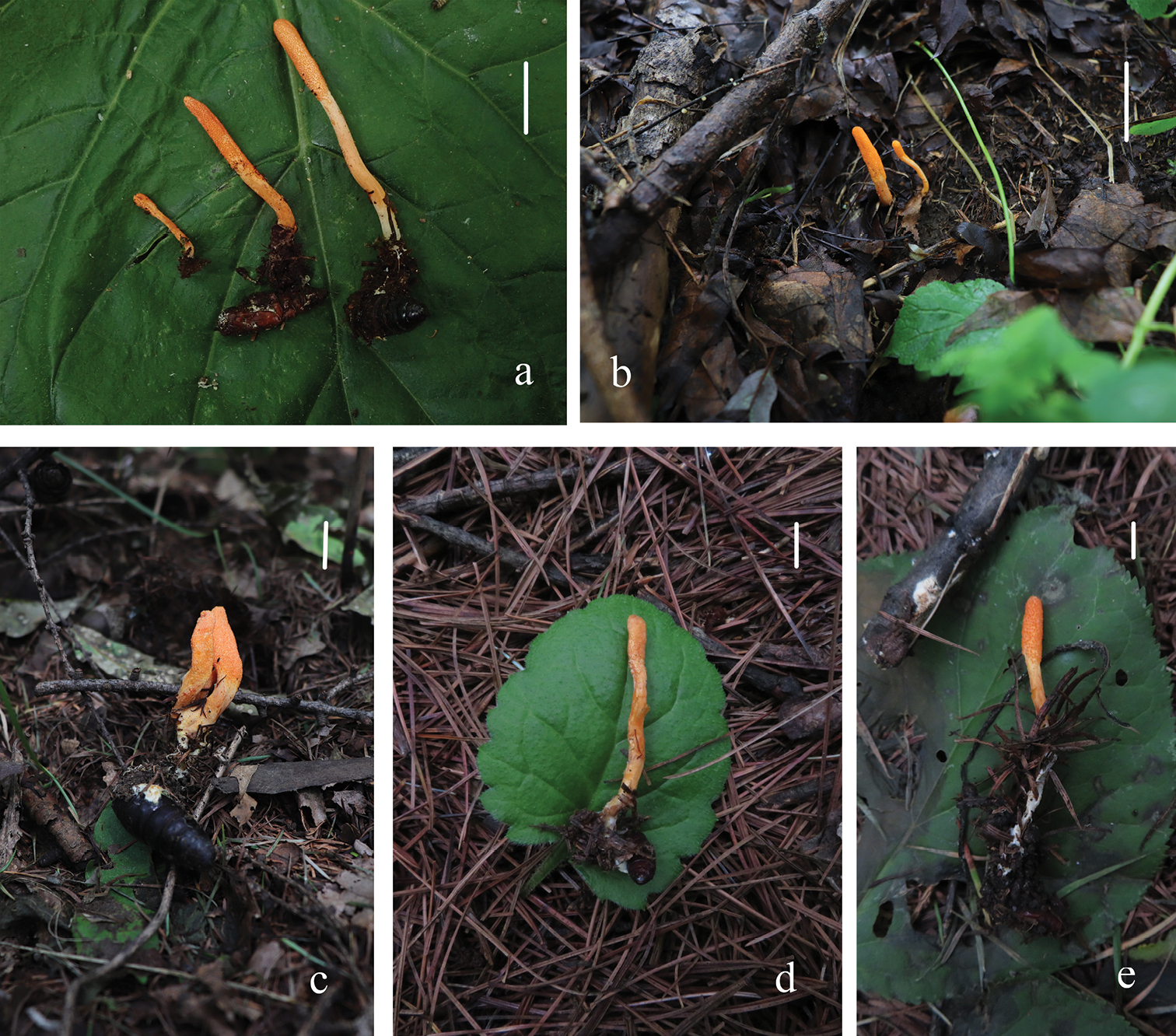
_Figure_9.jpg)
Cordyceps “improved renal function and reduced nephropathy in renal transplant patients” in some studies, though MSK notes that “evidence for its utility as adjuvant treatment in renal transplant recipients and hemodialysis patients is insufficient.” This is a legitimate research area but not a consumer use case — and notably, cordyceps is immunomodulatory, which creates a theoretical concern for transplant patients whose regimens depend on immunosuppression.
Fatigue and general vitality
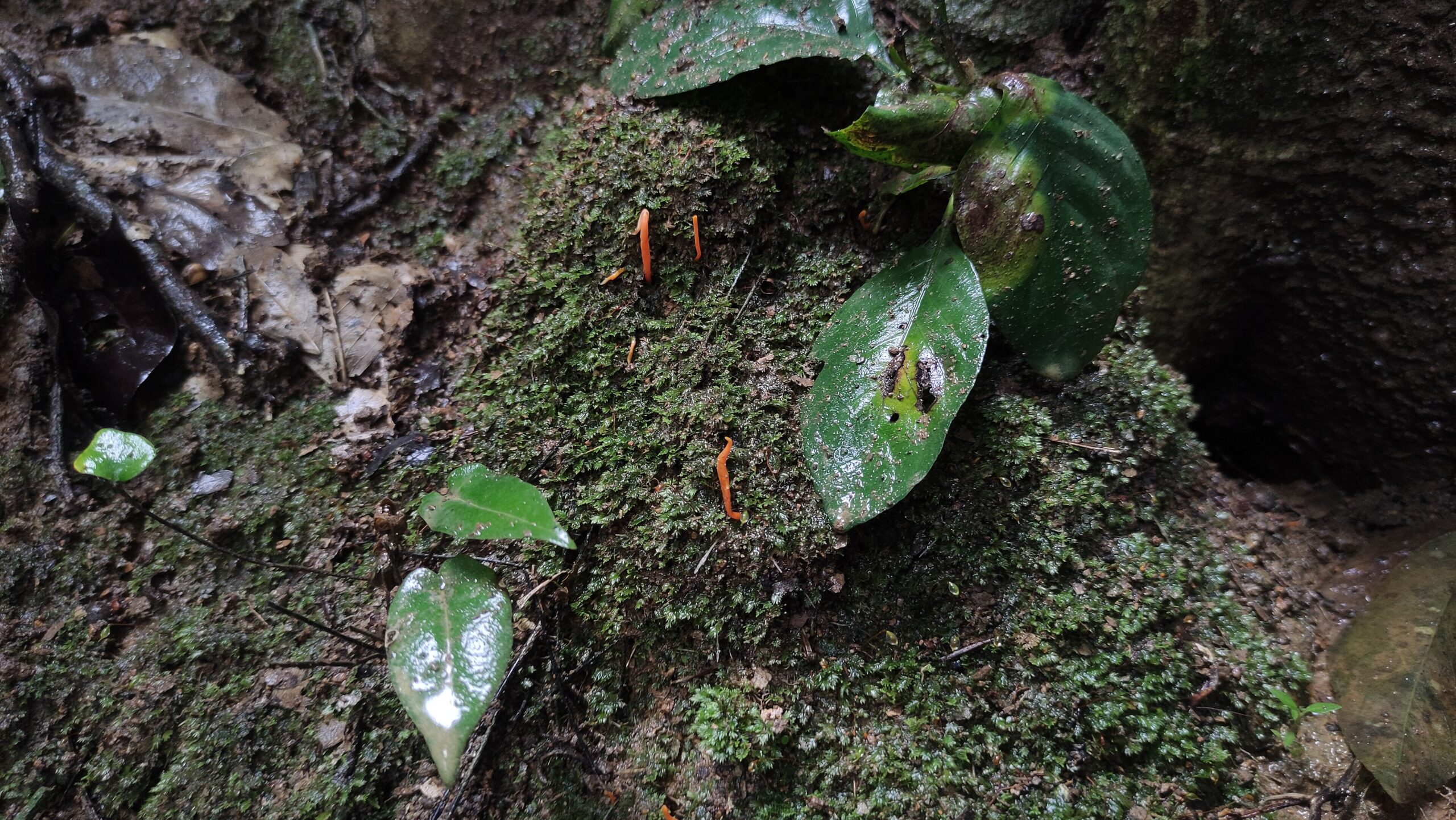

Small trials of Cs-4 in older adults have shown modest improvements in self-reported fatigue and quality of life. The effect sizes are modest and the quality of evidence is not high, but this is probably the most consistent real-world use case for cordyceps.
How to Use Cordyceps
.jpg)
If you want to try cordyceps, here’s what I’d recommend based on the current evidence:
- Choose cultivated Cordyceps militaris fruiting body extract. It’s the most transparent, reproducible form you can actually buy.
- Look for beta-glucan and cordycepin content on the label. Reputable brands publish test results. If a label only says “cordyceps blend” with no specifics, that’s a red flag.
- Avoid products labeled “wild Tibetan cordyceps” at normal supplement price points. They almost certainly aren’t.
- Dose: Trial doses typically range 1–3 g/day of extract. Start at the lower end.
- Timing: Morning or pre-workout — cordyceps is not sedating.
Safety and Interactions
_Eestis.JPG)
Cordyceps has a generally good safety profile at dietary supplement doses, with these important exceptions:
Anticoagulants. Cordycepin inhibits platelet aggregation. MSK notes one documented case of “excessive bleeding” post-extraction. If you take warfarin, a DOAC (apixaban, rivaroxaban), aspirin, or clopidogrel, or if you are scheduled for surgery or a dental procedure in the next two weeks, do not take cordyceps without clinician supervision.
Hypoglycemics and insulin. Cordyceps may have additive blood sugar-lowering effects. If you are diabetic and on medication, monitor glucose when starting.
Immunosuppressants. Cordyceps stimulates immune function; patients on drugs like cyclosporine, tacrolimus, or mycophenolate should avoid it.
Pregnancy and breastfeeding. Insufficient safety data — avoid.
Safety Profile: Cordyceps (Cordyceps militaris / Ophiocordyceps sinensis)
- Contraindications
- Bleeding disorders — cordycepin, the primary bioactive nucleoside in C. militaris, has documented antiplatelet activity in preclinical studies; individuals with haemophilia, thrombocytopenia, or other clotting disorders should avoid use. Autoimmune disease (lupus, rheumatoid arthritis, multiple sclerosis) — beta-glucan immune stimulation may amplify autoimmune activity. Hormone-sensitive conditions — limited preclinical data suggest cordycepin may influence steroid-hormone pathways; caution is warranted in hormone-dependent cancers pending human clinical data.
- Drug interactions
- Anticoagulants and antiplatelets (warfarin, DOACs including apixaban and rivaroxaban, aspirin, clopidogrel) — cordycepin’s antiplatelet activity creates an additive bleeding risk; monitor INR if combining with warfarin. Hypoglycemic agents and insulin — human and animal studies show glucose-lowering activity; concurrent use may cause additive hypoglycaemia requiring blood-glucose monitoring and possible dose adjustment. Immunosuppressants (cyclosporine, tacrolimus, mycophenolate) — immune stimulation may directly oppose therapeutic immunosuppression and should be medically supervised if combined.
- Pregnancy / lactation
- Avoid during pregnancy and breastfeeding. Cordycepin’s antiplatelet activity introduces a theoretical bleeding risk that is particularly undesirable during pregnancy, delivery, and the postpartum period. No human clinical data exist on placental transfer, foetal development effects, or lactation safety for any cordyceps bioactive. Animal reproductive toxicity data are limited and do not establish a safe exposure threshold for human pregnancy. Precautionary avoidance is consistent with current integrative medicine guidance from MSKCC and Natural Medicines.
- Maximum recommended daily dose
- Cultivated C. militaris extract: ≤3 g/day — consistent with clinical trial dosing ranges of 1–3 g/day and the Tier B §7.2 dose ceiling specification. Wild-harvested O. sinensis products: same 3 g/day ceiling applies; additionally, heavy-metal contamination has been documented in wild-harvested O. sinensis — prefer verified-clean cultivated C. militaris for regular use to avoid contaminant exposure.
- Do not use if
-
- You have a bleeding disorder (haemophilia, thrombocytopenia, von Willebrand disease) — antiplatelet activity from cordycepin poses a direct bleeding risk.
- You are taking anticoagulants or antiplatelets (warfarin, DOACs, aspirin, clopidogrel) without medical supervision — additive bleeding risk from cordycepin’s antiplatelet mechanism.
- You have diabetes and are on insulin or sulfonylureas — cordyceps may lower blood glucose and cause hypoglycaemia if medication doses are not adjusted accordingly.
- You have an active autoimmune condition — immune-stimulating polysaccharides may worsen disease activity and increase flare frequency.
- You are taking immunosuppressant medications — opposing immunomodulatory activity may reduce drug efficacy and threaten transplant or disease stability.
- You are pregnant or breastfeeding — antiplatelet activity and the absence of human reproductive safety data warrant precautionary avoidance.
Frequently Asked Questions
Will cordyceps actually improve my workouts?
.jpg)
Probably not in a way you’ll notice. Controlled studies of cordyceps for exercise performance have produced inconsistent results — some show small benefits, others show none. If there is a real effect, it is modest at best, and you should not expect anything like the effects of caffeine or a proper pre-workout. The famous 1993 Chinese runners story is an anecdote, not evidence.
Is the expensive wild Tibetan stuff actually better?

Possibly, in theory — wild Ophiocordyceps sinensis has a more complex compound profile than cultivated C. militaris. But in practice, (a) it is nearly impossible to verify authenticity of “wild Tibetan” cordyceps sold in the US, (b) the clinical research mostly used Cs-4 or cultivated material anyway, and (c) the ethical and sustainability issues with harvesting from the Tibetan Plateau are significant. Cultivated C. militaris is the more defensible choice for most people.
Can I take cordyceps every day?
Yes, at typical supplement doses (1–3 g/day), cordyceps has been used daily in both traditional preparation and clinical studies without significant adverse events. Watch for the interaction warnings above, particularly around bleeding risk if you start any new medications.
The Bottom Line
Cordyceps is an interesting functional mushroom with real preclinical immunomodulation data and a genuinely compelling evolutionary biology story. What it does not have is strong, consistent human clinical evidence for the performance-enhancing claims that drive most supplement marketing. If your goal is exercise performance or energy, cordyceps is not going to be the thing that changes your life. If your interest is general immune support with a modest evidence base and reasonable safety, it’s a defensible addition to a mushroom rotation.
Cultivated C. militaris fruiting body extract from a brand that publishes beta-glucan and cordycepin content is the most honest product you can buy. Everything else is either a different thing or a marketing claim you can’t verify.
See our full functional mushroom comparison for how cordyceps stacks up against lion’s mane, reishi, chaga, and turkey tail.
References
- Memorial Sloan Kettering Cancer Center. “Cordyceps” About Herbs. mskcc.org
- Chen S et al. “Effect of Cs-4 (Cordyceps sinensis) on Exercise Performance in Healthy Older Subjects.” J Altern Complement Med, 2010.
- Hirsch KR et al. “Cordyceps militaris Improves Tolerance to High-Intensity Exercise After Acute and Chronic Supplementation.” J Diet Suppl, 2017.