Anxiety is the most common mental health condition in the United States, affecting an estimated 40 million adults — more than depression, more than substance use, more than any other diagnostic category. A lot of people look for herbal support because conventional options (SSRIs, benzodiazepines) carry side effects and stigma, and because traditional use of herbs for “nervous conditions” predates modern pharmacology by several thousand years.
This guide covers six herbs with actual human randomized controlled trial data for anxiety — not folk claims, not in vitro mechanism speculation, real clinical trials — ranked by evidence quality. It is also honest about what herbs can and cannot do. Mild-to-moderate anxiety often responds meaningfully to herbal approaches. Severe anxiety, panic disorder, and clinical GAD usually need professional care, and herbs belong in that conversation as a complement, not a replacement.
Key Takeaways
- Lavender Silexan has the strongest clinical evidence — a 2010 RCT showed it was comparable to lorazepam (Ativan) for GAD.
- Chamomile extract has two Amsterdam RCTs supporting its use for mild-to-moderate GAD.
- Ashwagandha has multiple RCTs for stress and anxiety at 300–600 mg/day of KSM-66.
- Passionflower performed comparably to a prescription sedative in one older RCT with fewer side effects.
- Kava has real evidence but real liver concerns — it deserves honest discussion, not uncritical promotion.
- Clinical anxiety requires professional evaluation. Herbs can complement, but should not replace, evidence-based mental health care.
Before We Start: The Professional Care Question

A responsible article about anxiety herbs needs to start here, not end here.
If you are experiencing anxiety severe enough that it is interfering with your work, relationships, sleep, or daily functioning — or if you are having panic attacks, intrusive thoughts, or suicidal ideation — the appropriate first step is not a supplement. It is an evaluation by a qualified mental health professional. Cognitive behavioral therapy (CBT) has the strongest evidence base of any anxiety treatment, often better than medication, and for many people it is the most important intervention.
Herbs work well as a complement to real care, or as a first line for mild situational anxiety. They are not a replacement for treatment when treatment is needed. Nothing in this guide should be read as a suggestion to delay or avoid professional help.
1. Lavender (Silexan) — Strongest Clinical Evidence
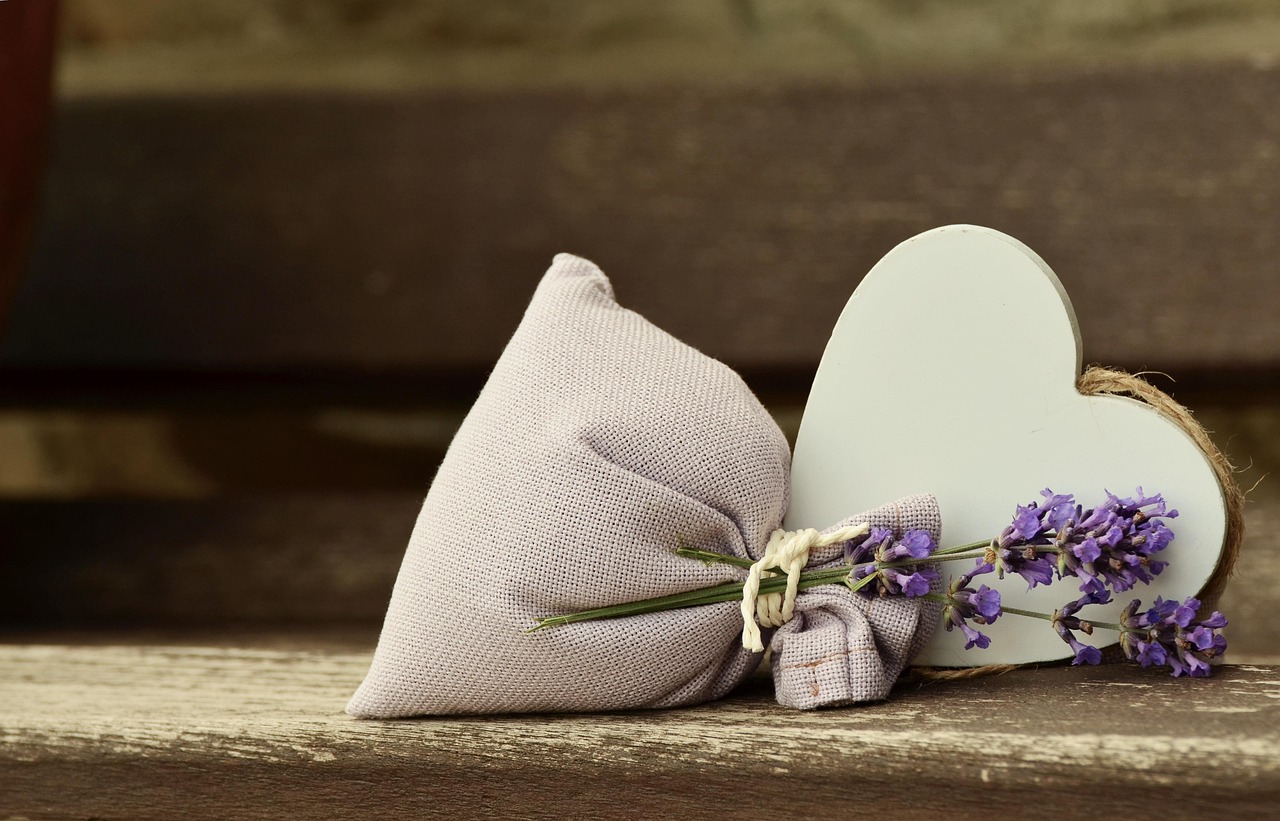
Here’s a finding that surprises most people: the traditional herb with the strongest clinical evidence for generalized anxiety disorder is not what you’d expect — it’s a specific oral lavender oil preparation called Silexan, developed in Germany and studied extensively.
The 2010 Woelk and Schläfke trial was a randomized double-blind study that compared Silexan (80 mg/day) to lorazepam (Ativan, 0.5 mg/day) in patients with generalized anxiety disorder. The lavender group showed comparable reduction in anxiety symptoms to the benzodiazepine group, with a significantly better side-effect profile and no evidence of dependence. Subsequent trials by Kasper and colleagues (2010, 2014, 2015) replicated the effect in multiple populations.
This is a rare finding in herbal medicine — an herb-derived preparation producing effects comparable to a widely-used pharmaceutical, in head-to-head clinical trials. Silexan is sold as a prescription product in Europe and an OTC supplement (typically under the brand name Lavela or Calmaid) in the US.
Important note: the research is specifically on Silexan, a standardized oral lavender essential oil preparation. Other lavender products — aromatherapy oils, tea, capsules of ground flowers — are not the same thing and do not have the same evidence base. If you want to replicate the research, you need Silexan specifically.
Dose: 80 mg once daily (as studied).
Cautions: mild burping/GI reflux; generally very well tolerated; no significant interaction or dependence profile documented.
2. Chamomile (German, Matricaria chamomilla)
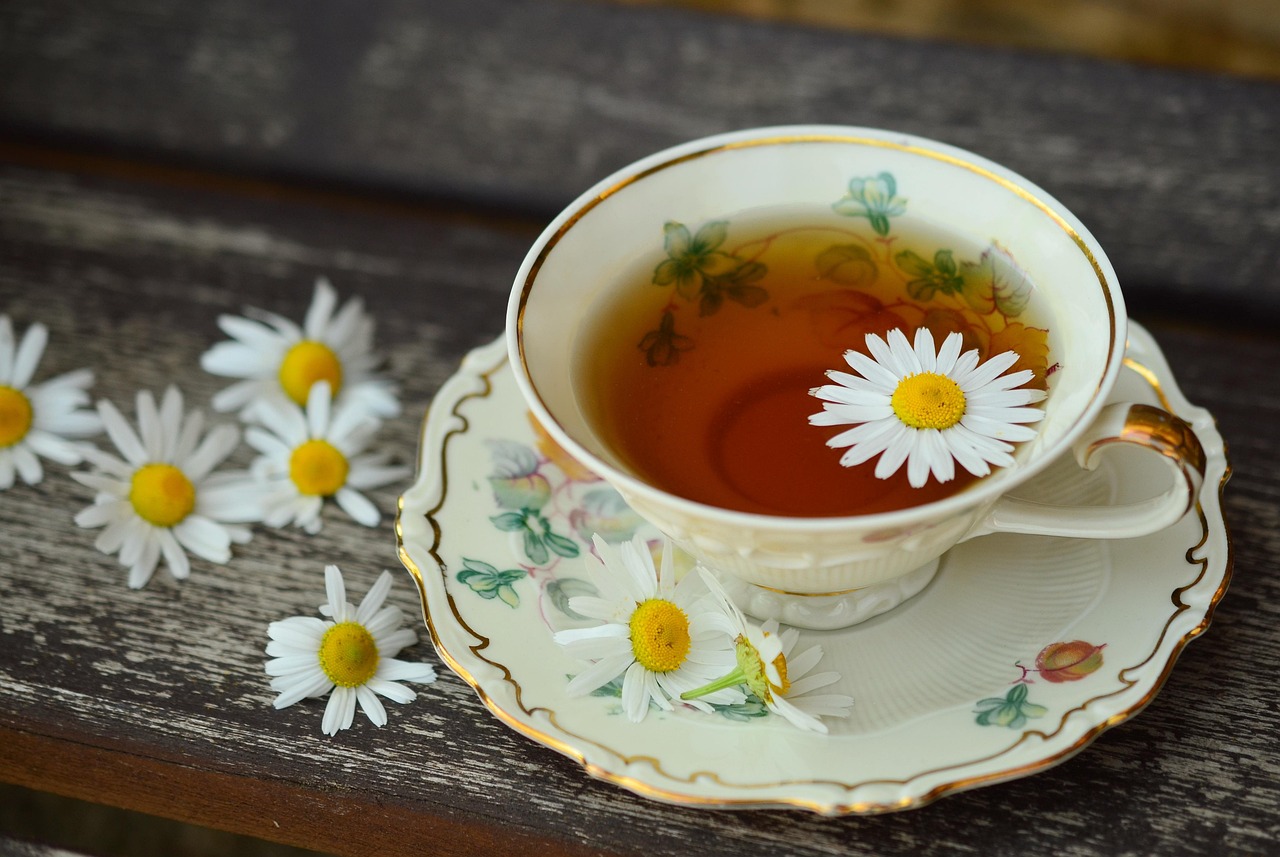
Chamomile has two University of Pennsylvania RCTs (Amsterdam 2009 and 2012) supporting its use for generalized anxiety disorder. The 2009 trial found chamomile had “modest anxiolytic activity in patients with mild to moderate GAD” (PMC2995283). The 2012 follow-up extended the duration to 8 weeks and found continued benefit with good tolerability.
Chamomile works via apigenin, a flavonoid that binds weakly at the benzodiazepine site of the GABA-A receptor — the same general pathway as prescription anti-anxiety medications, but at much lower affinity.
Dose (from trials): 1,500 mg/day of standardized Matricaria recutita extract, split into three 500 mg doses.
Cautions: Asteraceae allergy (ragweed cross-reactivity), mild anticoagulant effect. See our chamomile guide for the full picture.
3. Ashwagandha (Withania somnifera)
Ashwagandha has multiple RCTs for stress and anxiety outcomes, including the Chandrasekhar 2012 trial that showed significant reduction in perceived stress and morning cortisol at 300 mg of KSM-66 twice daily. More recent trials have confirmed anxiolytic effects and sleep quality improvements.
Ashwagandha is best suited for the “stress with anxious overlay” presentation — the person who feels both wired and exhausted, whose anxiety is closely tied to chronic stress load. It is less well suited for episodic panic or acute anxiety.
Dose: 300–600 mg/day of KSM-66 or Sensoril standardized extract.
Critical cautions: contraindicated in pregnancy; thyroid cautions; autoimmune disease caution. See our ashwagandha guide for the full safety discussion.
4. Passionflower (Passiflora incarnata)
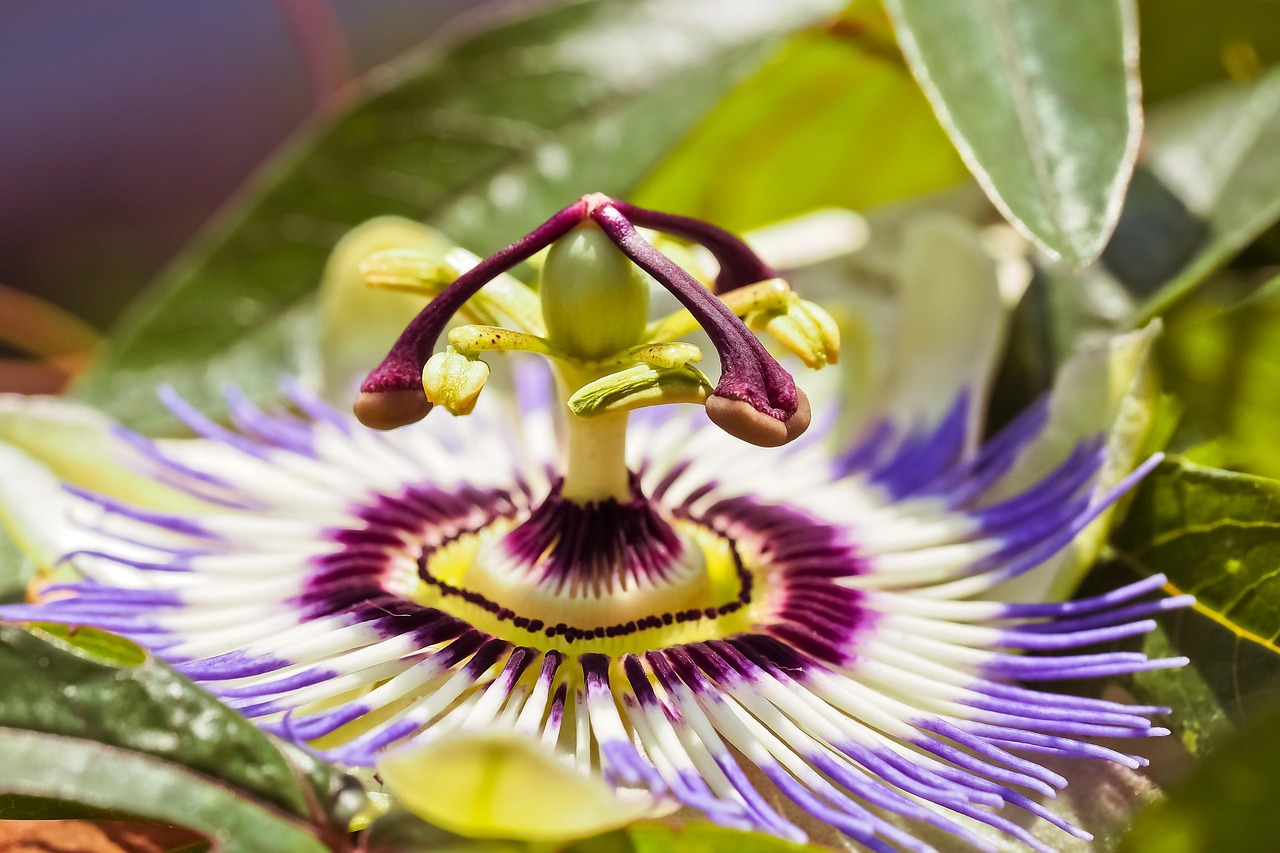
Akhondzadeh 2001 conducted a 4-week randomized trial comparing passionflower extract (45 drops daily) to oxazepam (30 mg/day) in patients with generalized anxiety disorder. The two groups showed comparable reductions in anxiety scores, with passionflower producing fewer side effects, particularly less impairment of job performance. Subsequent smaller studies have generally supported passionflower’s anxiolytic effect.
The active compounds include flavonoids (particularly chrysin) that appear to modulate GABA-A receptor function.
Dose: 45 drops of tincture daily (as in the trial), or 250–500 mg extract capsules 1–3 times daily.
Cautions: mild sedation; caution with other CNS depressants and alcohol; pregnancy insufficient data.
5. Lemon Balm (Melissa officinalis)
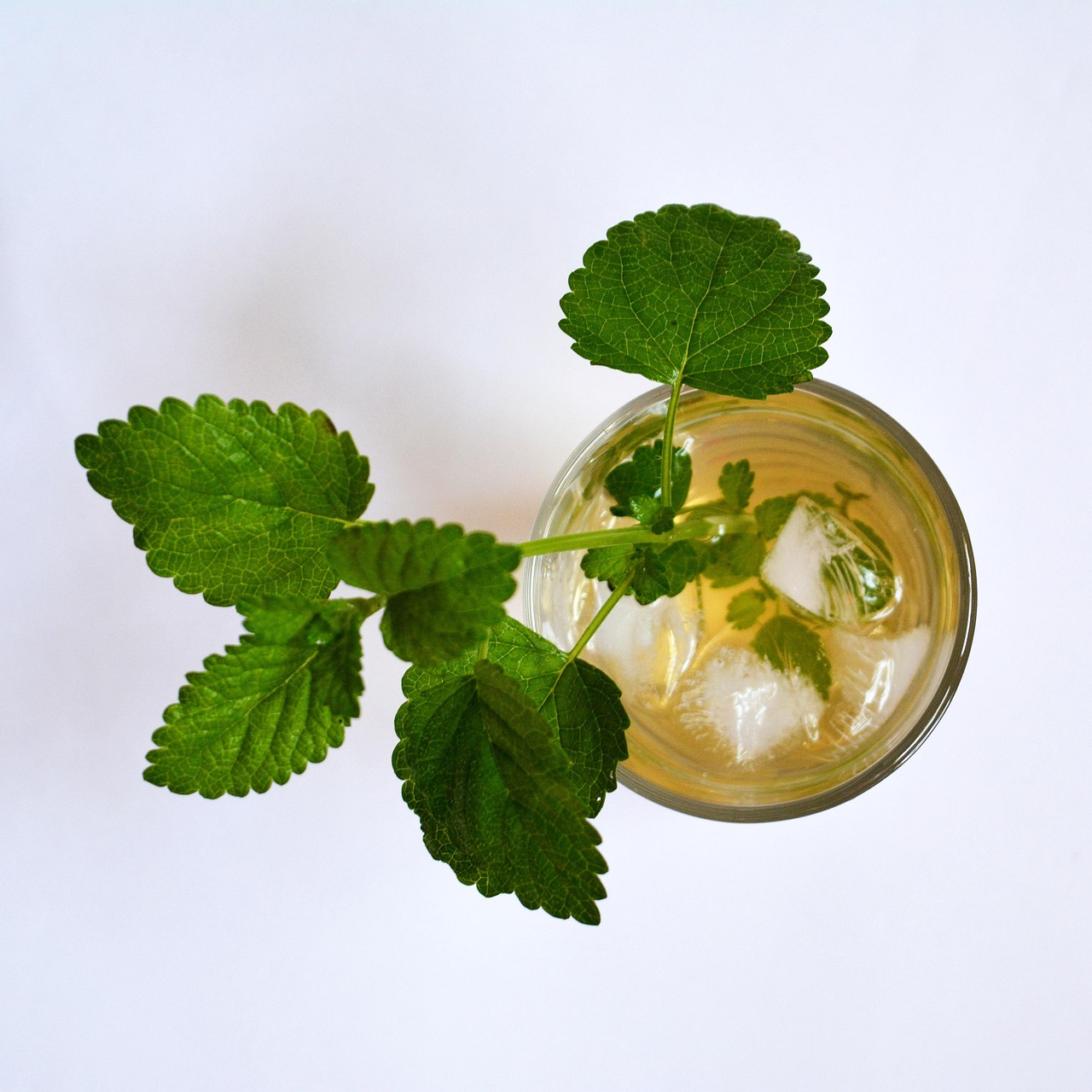
Lemon balm has a smaller but positive evidence base for mild anxiety. Cases and colleagues 2011 published a trial showing improved mood and reduced anxiety in healthy adults given lemon balm extract, and smaller studies have shown similar effects in stressful situations. The mechanism likely involves inhibition of GABA transaminase (keeping GABA active longer in the synapse).
Lemon balm is particularly pleasant to use — mild lemon-mint flavor, good in tea or tincture, safe for long-term daily consumption.
Dose: 300–600 mg/day of standardized extract; or 1–2 cups of tea made from 1–2 teaspoons of dried leaves.
Cautions: may interact with thyroid medication (theoretical, inconsistent evidence); mild sedation.
6. Kava (Piper methysticum) — The Complicated One

Kava deserves an honest discussion because it has both real clinical evidence and a real safety concern, and most articles about kava either ignore one or the other.
The evidence: Multiple meta-analyses (Pittler 2003; Witte 2005; Sarris 2011) have supported kava extract as effective for generalized anxiety disorder, with effect sizes larger than most other herbs on this list. Kava’s active compounds (kavalactones) modulate GABA-A receptor function, dopaminergic activity, and several other neurotransmitter systems.
The concern: In 2002, Germany suspended kava supplements after reports of severe liver toxicity, including cases requiring liver transplantation. Other European countries followed. The specific cases involved several dozen reports worldwide, mostly in people taking ethanol or acetone extracts of kava.
The more nuanced picture: Traditional Pacific Island use of water-extracted kava (as a ceremonial drink in Fiji, Vanuatu, Tonga) has been ongoing for centuries at far higher doses than supplement use, with no evidence of widespread liver injury. Researchers have proposed that the problem may have been with specific solvent extracts, non-noble kava varieties, or pre-existing liver vulnerability in the affected patients. The WHO 2007 review concluded the risk was real but could potentially be managed.
Pregnancy, lactation, and liver risk — read before considering kava: Kava is contraindicated in pregnancy and during lactation (kavalactones cross into breast milk and fetal effects are not established). It is also contraindicated with any existing liver condition, with concurrent alcohol use, and with hepatotoxic medications such as acetaminophen (paracetamol) — the combination markedly increases liver-injury risk. Do not use kava for more than 8 weeks of continuous use. The FDA issued a consumer advisory in 2002 after reports of severe liver injury, and European regulators (Germany, France, UK, Canada) restricted or banned kava supplements; several have since relaxed those restrictions under product-quality conditions, but the regulatory flag remains. Kava can be a legitimate option for anxiety, but only with these caveats treated as non-negotiable.
Practical guidance: If you choose to use kava, use traditional water-prepared kava (or carefully vetted water-extract products) at reasonable doses, for short durations, and not if you have any liver disease or take medications that affect the liver. I would not choose kava as a first-line herbal anxiety approach given the other options on this list, but I also wouldn’t dismiss it outright.
A Quick Note on St. John’s Wort and CBD
St. John’s wort has strong evidence for mild-to-moderate depression but is not primarily an anxiety herb, and it has severe interactions with SSRIs (serotonin syndrome risk), oral contraceptives, and many other medications. Not recommended for anxiety unless the anxiety is part of a depressive picture and you’re working with a clinician who knows the interactions.
CBD (cannabidiol) has preliminary clinical evidence for anxiety but a murky regulatory status and wildly variable product quality. If you choose to try CBD, look for products with third-party COAs and expect to spend real money for verified products. I’m not covering it in detail here because the supplement-grade market is currently too unreliable to make consistent dose recommendations.
How to Approach Herbal Anxiety Support
- Rule out professional care first. If your anxiety is clinical, get evaluated. Don’t delay it to try supplements.
- Check your fundamentals. Sleep, caffeine intake, alcohol, physical activity, social connection — these matter more than any herb.
- Start with one herb, not a blend. If you can’t tell which thing is helping (or causing side effects), you can’t refine.
- Give it 4–6 weeks. Most of these effects take weeks to develop meaningfully.
- Track your response. Keep a simple note of anxiety severity (1–10) daily or weekly so you can objectively assess whether the herb is helping.
- Be honest about side effects. Mild sedation, GI upset, or paradoxical reactions are all reasons to reconsider.
Frequently Asked Questions
Can herbs really treat anxiety?
For mild-to-moderate anxiety, the clinical evidence is real — Silexan, chamomile extract, ashwagandha, and passionflower have all produced measurable reductions in anxiety symptoms in randomized trials. The effect sizes are modest compared to prescription medication but meaningful for many people, and the side-effect profile is vastly better. For severe anxiety disorders, herbs should complement professional care, not replace it.
Are these safer than SSRIs or benzodiazepines?
Generally yes, with the exception of kava (liver concern) and St. John’s wort (drug interaction risk). Silexan, chamomile, and passionflower have very good safety profiles. Ashwagandha has the most contraindications to watch. None carry the dependence risk of benzodiazepines.
Can I take herbs and an SSRI together?
Possibly, but it depends on which herbs. St. John’s wort + SSRIs = serotonin syndrome risk (contraindicated). Silexan, chamomile, and passionflower are generally compatible with SSRIs but the combination should be discussed with your prescriber. Ashwagandha’s CYP3A4 activity can affect drug levels. When in doubt, ask a pharmacist.
The Bottom Line
Herbal support for anxiety is one of the better-researched areas in traditional herbal medicine. For mild-to-moderate situations, Silexan (80 mg/day) has the strongest evidence and essentially no dependence profile. Chamomile extract (1,500 mg/day) has two good RCTs. Ashwagandha suits stress-heavy anxiety with attention to the contraindications. Passionflower and lemon balm are gentler daily options.
The things herbs cannot do: they cannot replace psychotherapy for anxiety disorders that warrant it, they cannot fix an anxiety-provoking life situation, and they are not first-line for severe or panic-level symptoms. Use them as one piece of a broader approach that includes sleep, movement, connection, and — when needed — professional care.
See also: chamomile guide, ashwagandha guide, best herbs for sleep, adaptogenic herbs for stress.
Safety Profile: Anxiety Herbs Covered in This Guide
General Principles
- Before starting any anxiety herb
- Consult a healthcare provider, especially if you take prescription psychiatric medications (SSRIs, SNRIs, tricyclics, MAOIs, benzodiazepines, Z-drugs, antipsychotics) or other CNS depressants. Many calming herbs have additive sedative effects with these drugs and several affect hepatic CYP enzymes that metabolize them.
- Universal contraindications
- Pregnancy and lactation — avoid medicinal-dose anxiety herbs except where a qualified clinician has weighed individual risk and benefit. Food-amount use (e.g., a cup of chamomile or lemon balm tea) is generally considered lower risk, but medicinal extracts are not. Autoimmune disease — ashwagandha and some adaptogens may stimulate immune function. Scheduled surgery — discontinue all sedative herbs at least 2 weeks prior to reduce additive effects with anesthesia and to minimize bleeding risk (chamomile has mild anticoagulant activity). Severe hepatic or renal impairment — most herbal extracts are metabolized or cleared via these organs; avoid unless cleared by a clinician.
- When to stop immediately
- Jaundice, dark urine, right-upper-quadrant pain, unexplained fatigue (possible hepatotoxicity — especially with kava), rash or swelling (allergy), paradoxical agitation or worsening mood, suicidal ideation, or any new neurological symptom. Stop the herb and seek medical evaluation.
Per-Herb Considerations
| Herb (Latin binomial) | Max dose/day | Pregnancy & lactation | Key drug interactions | Do not use if |
|---|---|---|---|---|
| Lavender Lavandula angustifolia (Silexan oral preparation) |
80 mg/day (Silexan studied dose; do not exceed 160 mg/day) | Avoid medicinal oral doses without clinician input; topical and aromatherapy use at label amounts considered lower-risk but not established as safe in pregnancy. | CNS depressants and sedatives (mild additive drowsiness); theoretical additive effects with benzodiazepines and alcohol. Few documented pharmacokinetic interactions. | Pregnancy or lactation without clinician oversight; known allergy to Lamiaceae (mint family); children under 12 (not studied); planned surgery within 2 weeks. |
| Chamomile (German) Matricaria chamomilla / M. recutita |
1,500 mg/day standardized extract (split 3×500 mg); or up to 3 cups tea | Avoid medicinal-dose extracts in pregnancy (theoretical uterine-stimulant concern at high doses); food-amount tea generally considered lower-risk but consult a clinician. Lactation: limited data — occasional tea likely fine, extracts avoid. | Warfarin and other anticoagulants/antiplatelets (mild additive bleeding risk due to coumarin content); cyclosporine and CYP3A4 substrates (theoretical); sedatives (mild additive). | Asteraceae/Compositae allergy (ragweed, daisy, marigold cross-reactivity — can cause anaphylaxis); active bleeding disorder or anticoagulant therapy without clinician review; scheduled surgery within 2 weeks; pregnancy at medicinal doses. |
| Ashwagandha Withania somnifera (KSM-66 or Sensoril extracts) |
600 mg/day standardized extract (300 mg twice daily) | Contraindicated in pregnancy — animal data suggest abortifacient effects at high doses. Avoid during lactation (insufficient data; alkaloids may transfer). | Thyroid hormone replacement (levothyroxine) — ashwagandha can raise T4/T3 and cause over-replacement; immunosuppressants (may counteract); sedatives and benzodiazepines (additive CNS depression); antidiabetic and antihypertensive medications (additive effect); CYP3A4 substrates (theoretical). | Pregnancy; lactation; autoimmune disease (Hashimoto’s, lupus, rheumatoid arthritis, MS) unless cleared by a clinician; hyperthyroidism or on thyroid replacement without monitoring; scheduled surgery within 2 weeks; hemochromatosis (ashwagandha is iron-rich). |
| Passionflower Passiflora incarnata |
~500 mg extract three times daily (max ~1,500 mg), or 45 drops standardized tincture/day, or 1 tsp dried herb per cup tea up to 3 cups | Avoid in pregnancy — traditional use suggests uterine stimulation, and at least one harmaline-type alkaloid is present. Avoid during lactation (insufficient data). | Benzodiazepines and Z-drugs (additive CNS depression — documented clinically significant); alcohol; barbiturates; MAOIs (theoretical — harmaline alkaloids have MAO-inhibiting activity in vitro); anticoagulants (mild additive effect). | Pregnancy; lactation; concurrent benzodiazepine, barbiturate, or MAOI use without clinician supervision; driving or operating machinery within a few hours of a dose; scheduled surgery within 2 weeks. |
| Lemon Balm Melissa officinalis |
600 mg/day standardized extract, or 3 cups of tea (1–2 tsp dried leaf per cup) | Food amounts (occasional tea) likely acceptable; medicinal-dose extracts avoid in pregnancy and lactation — limited data. | Thyroid medication (levothyroxine) — lemon balm may suppress TSH and interfere with thyroid function tests and replacement dosing; sedatives, benzodiazepines, and alcohol (additive CNS depression); GABAergic medications; barbiturates. | Hypothyroidism on thyroid replacement (or untreated hypothyroidism); pregnancy or lactation at medicinal doses; concurrent heavy sedative or alcohol use; scheduled surgery within 2 weeks. |
| Kava Piper methysticum (water-extracted; noble cultivars only) |
Per product label (typically 60–240 mg kavalactones/day); maximum 8 weeks continuous use, then a clear washout period | Contraindicated in pregnancy (unknown fetal effects; potential uterotonic activity) and in lactation (kavalactones enter breast milk; infant sedation and hepatic risk). | Alcohol (markedly increases hepatotoxicity); acetaminophen/paracetamol and other hepatotoxic drugs (statins, methotrexate, isoniazid, amiodarone — additive liver injury); benzodiazepines, barbiturates, and other CNS depressants (additive sedation, case reports of coma); levodopa (kava can worsen Parkinsonian symptoms); CYP450 inhibition affecting many prescription drugs. | Any current or past liver condition (hepatitis, fatty liver, cirrhosis, elevated LFTs); regular alcohol use; concurrent acetaminophen or other hepatotoxic medication; pregnancy or lactation; Parkinson’s disease; depression with suicidal features; driving or operating machinery; continuous use beyond 8 weeks; non-water-extracted or non-noble-cultivar kava products. |
Drug-class reference: “Sedatives / CNS depressants” includes benzodiazepines (alprazolam, lorazepam, diazepam, clonazepam), Z-drugs (zolpidem, eszopiclone), barbiturates, opioids, gabapentinoids (gabapentin, pregabalin), older antihistamines (diphenhydramine, hydroxyzine), and alcohol. “Psychiatric medications” includes SSRIs, SNRIs, tricyclics, MAOIs, and antipsychotics — all of which warrant clinician review before adding any anxiety herb.
References
- Woelk H, Schläfke S. “A multi-center, double-blind, randomised study of the Lavender oil preparation Silexan in comparison to Lorazepam for generalized anxiety disorder.” Phytomedicine. 2010;17(2):94–99.
- Amsterdam JD et al. “A randomized, double-blind, placebo-controlled trial of oral Matricaria recutita (Chamomile) extract therapy for generalized anxiety disorder.” J Clin Psychopharmacol. 2009;29:378–382.
- Akhondzadeh S et al. “Passionflower in the treatment of generalized anxiety: a pilot double-blind randomized controlled trial with oxazepam.” J Clin Pharm Ther. 2001;26(5):363–367.
- Sarris J et al. “Kava in the treatment of generalized anxiety disorder: a double-blind, randomized, placebo-controlled study.” J Clin Psychopharmacol. 2013;33(5):643–648.