The “nootropic” supplement category has exploded over the past decade, and most of what’s sold under that label does not hold up to scrutiny. The honest picture is this: of the dozens of herbs marketed for focus and cognitive performance, a small handful have actual human clinical evidence, and most of the rest are either preclinical extrapolation or outright marketing.
This guide covers the herbs with real clinical data, distinguishes chronic-use herbs (bacopa, lion’s mane) from acute-effect herbs (rhodiola, ginseng), and is honest about the most reliable “nootropic” available: caffeine combined with adequate sleep.
Key Takeaways
- Lion’s mane has the strongest clinical evidence — a 2023 RCT showed improved cognitive processing speed at 1.8 g/day.
- Bacopa monnieri has strong chronic-use evidence — multiple trials of 300 mg/day for 8–12 weeks show memory improvements.
- Rhodiola rosea works acutely for mental fatigue and burnout, less for chronic cognitive enhancement.
- Panax ginseng has clinical evidence for working memory and mental fatigue in healthy adults.
- Caffeine is, honestly, the most reliable cognitive enhancer available — and also the most under-discussed in “nootropic” content.
A Word on “Nootropics”

The term “nootropic” was coined in 1972 by Romanian chemist Corneliu Giurgea for piracetam and related compounds. His original criteria included enhancing memory and learning, protecting the brain against injury, and having extremely low toxicity and no significant side effects. By these strict criteria, almost nothing on modern “nootropic” supplement shelves actually qualifies.
In modern usage, “nootropic” has expanded to mean roughly “any substance that might improve cognitive performance.” That’s a looser category, and the evidence base varies wildly within it. The herbs in this guide are the ones with the strongest human clinical data — not a comprehensive list of everything marketed as a nootropic.
1. Lion’s Mane (Hericium erinaceus)

Lion’s mane has the most recent and interesting cognitive research of any traditional mushroom. The Docherty 2023 RCT gave healthy adults 1,800 mg/day of lion’s mane extract for 28 days and found significant improvements in cognitive processing speed compared to placebo (PMC10675414). Earlier work by Mori et al. 2009 found improvements in older adults with mild cognitive impairment after 16 weeks of supplementation.
The active mechanism involves hericenones and erinacines, which stimulate nerve growth factor (NGF) production. NGF is a protein essential for neuron maintenance and neuroplasticity. This is a mechanism with direct relevance to cognitive resilience, and lion’s mane is, as far as current research goes, one of the only natural compounds with documented NGF-stimulating activity.
Dose: 1,000–1,800 mg/day of fruiting body extract, for at least 4 weeks.
Cautions: mild anticoagulant effect; rare skin itchiness; mushroom allergy. See our lion’s mane guide.
2. Bacopa monnieri (Brahmi)

Bacopa is a traditional Ayurvedic herb used for memory and cognitive enhancement. Unlike most “nootropics,” it has a solid evidence base from multiple RCTs of a specific standardized extract called CDRI-08 (trademarked as BacoMind or Bacognize). Stough et al. 2001, 2008, and 2010 showed consistent improvements in working memory, learning rate, and information processing after 8–12 weeks of supplementation.
Bacopa is a chronic-use herb. It does not produce noticeable acute effects — the benefits develop gradually over weeks. If you’re looking for “take a pill, feel sharper in an hour,” bacopa is not that. If you’re looking for a sustained improvement in memory and learning over a few months, it is one of the best-supported options.
Dose: 300 mg/day of CDRI-08 or equivalent standardized extract, for at least 8 weeks.
Cautions: GI upset in some people (take with food); may affect thyroid hormone levels; pregnancy insufficient data.
3. Rhodiola rosea

Rhodiola differs from bacopa in that its benefits are more acute than chronic. Trials in medical students during exam periods (Darbinyan 2000), in physicians on night shifts, and in military personnel under sleep-deprived conditions have shown rhodiola reduces mental fatigue and improves cognitive performance under stress.
Rhodiola is best thought of as a “burnout and fatigue” herb rather than a pure cognitive enhancer. It helps you perform better when you are tired, stressed, or mentally depleted — not when you are fresh and well-rested. For people with chronic work stress or shift work demands, it’s one of the more reliable traditional options.
Dose: 200–600 mg/day of standardized extract (3% rosavins, 1% salidroside). Take in the morning — rhodiola can interfere with sleep if taken late.
Cautions: mildly stimulating; theoretical caution in bipolar disorder; generally well tolerated.
4. Panax Ginseng (Asian Ginseng)

Panax ginseng has a meaningful clinical evidence base for cognitive performance in healthy adults. Kennedy and colleagues’ series of acute-dose trials showed improvements in working memory, mental fatigue reduction, and arithmetic task performance following single doses of 200–400 mg ginseng extract.
Ginseng differs from most herbs in that it has both acute and chronic effects — you may notice something on the day you take it, and chronic use over weeks produces cumulative benefits.
Note: “American ginseng” (Panax quinquefolius) is a different species with a somewhat different profile — generally considered more “cooling” and less stimulating in traditional Chinese medicine.
Dose: 200–400 mg/day of standardized Panax ginseng extract.
Cautions: may affect blood pressure (both directions documented); blood sugar effects; interactions with warfarin; caution in hormone-sensitive conditions.
5. Gotu Kola (Centella asiatica)

Gotu kola has a smaller but positive clinical evidence base for cognitive function and mild anxiety. Traditional Ayurvedic use overlaps with bacopa, and some trials have examined it for age-related cognitive decline with modest positive results. The quality of clinical trials is not as high as bacopa or lion’s mane, but the safety profile is excellent.
Dose: 500–1,000 mg/day of standardized extract; or 1–2 cups of tea from dried leaves.
Cautions: may cause drowsiness at higher doses; possible liver effects at very high chronic doses.
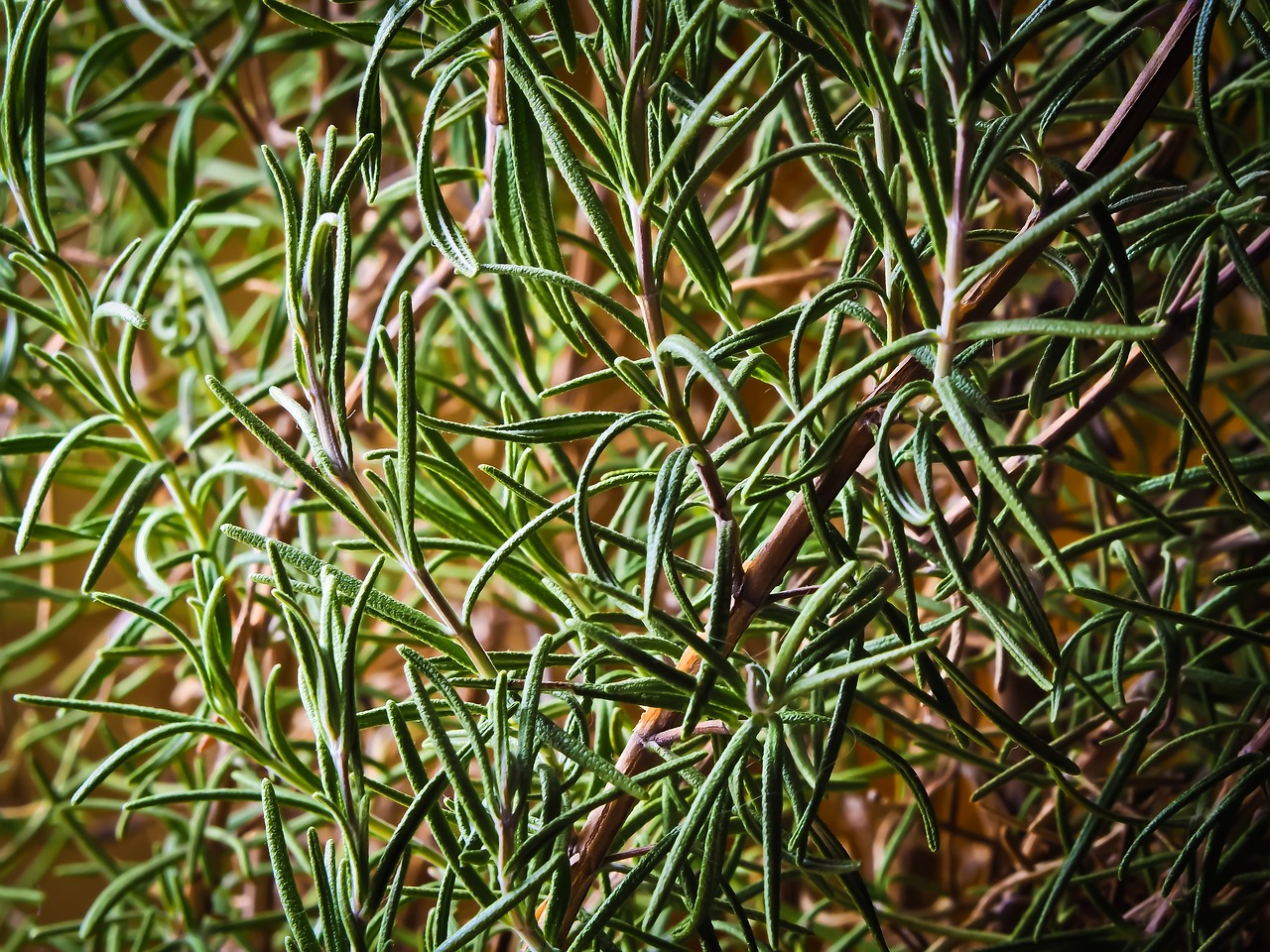
6. Rosemary (Rosmarinus officinalis)

Rosemary has an interesting set of studies on aroma and cognition. Moss and colleagues 2003 showed that simply smelling rosemary essential oil during testing improved performance on memory tasks in healthy adults. Follow-up work has examined internal consumption of rosemary with mixed positive results on memory and attention.
Rosemary is the herb I recommend as a background daily practice — cook with it liberally, keep a plant on your desk, try rosemary tea — not as a concentrated supplement. The evidence for simple sensory/culinary use is surprisingly positive.
Dose: culinary use, 1–2 cups of rosemary tea daily, or 300–600 mg standardized extract.
Cautions: high doses theoretically contraindicated in pregnancy; generally very safe.
The Uncomfortable Truth About Caffeine

Here’s the thing most “herbs for focus” articles skip: caffeine is, by far, the most reliable cognitive enhancer available to most adults. The research base dwarfs any single herb in this guide, the effect size is larger than most herbal cognitive enhancers, and most people already have it available for about $0.25 per dose.
Caffeine + L-theanine (the “green tea” combination) has particularly good research: caffeine provides the alertness and attention enhancement, L-theanine modulates the jittery edge, and the combination produces smoother attention than caffeine alone. This is the one combination worth noting in any honest cognitive enhancement discussion.
A cup of quality green tea delivers roughly 30–50 mg caffeine plus 25 mg L-theanine. A cup of coffee delivers 80–120 mg caffeine with no theanine. A match of caffeine + 200 mg L-theanine supplement matches the ratio used in most research.
This is not a suggestion to skip herbs for cognitive support — it’s a reality check. If your cognitive function needs improvement and you don’t already use caffeine strategically, that should probably be the first intervention, not the last.
Stacking and Timing

Reasonable cognitive-support stacks:
- Daily morning: lion’s mane (chronic) + rhodiola (acute) + coffee.
- Chronic memory: bacopa (once daily with food) for 8+ weeks.
- Exam / deadline: rhodiola in the morning, panax ginseng mid-morning, green tea through the day.
- General daily support: rosemary in cooking, green tea (2–3 cups), lion’s mane in coffee.
Avoid stacking multiple stimulating herbs (rhodiola + ginseng + high-dose caffeine) late in the day — even if they don’t feel jittery, they often affect sleep, which is the ultimate cognitive enhancer.
Frequently Asked Questions
Can herbs replace ADHD medication?

No, and anyone who tells you otherwise is overselling. Stimulant medications for ADHD (methylphenidate, amphetamines) produce effects on attention and executive function that far exceed any herb studied to date. Lion’s mane and bacopa may provide supportive background improvements, but they are not substitutes for prescribed ADHD treatment. If you have been diagnosed with ADHD and are considering herbal supplementation, talk to your prescriber rather than making unilateral changes.
How long until these herbs work?

Depends on the herb. Lion’s mane: cognitive effects typically measurable after 2–4 weeks, stronger after 8. Bacopa: 8–12 weeks before meaningful improvements. Rhodiola: acute effects same day; best as needed. Ginseng: acute effects same day, additional benefits from chronic use. Caffeine: 20–40 minutes.
Is it safe to take focus herbs every day long-term?

Lion’s mane, bacopa, and rosemary appear safe for extended daily use. Rhodiola and ginseng are sometimes recommended to cycle (6 weeks on, 2 weeks off), though the evidence for cycling is not strong. Ginseng especially may lose effectiveness with continuous long-term use.
The Bottom Line

Among traditional herbs, lion’s mane has the most interesting recent cognitive research and a plausible NGF mechanism. Bacopa has the best long-term memory evidence with patience required. Rhodiola and ginseng provide more acute effects. Rosemary and gotu kola are gentle daily options.
And the honest observation most “nootropic” articles skip: sleep, hydration, movement, and strategic use of caffeine probably outperform any herbal stack for most people. Get the fundamentals right first, then use herbs to optimize at the margin. Lion’s mane plus coffee plus 8 hours of sleep will outperform lion’s mane plus coffee plus 5 hours of sleep every single time.
See also: lion’s mane benefits, functional mushroom comparison, adaptogenic herbs for stress.
Safety Profile: Herbs for Focus and Cognitive Support (Aggregate Guide)
Herbs covered in this guide: Lion’s Mane (Hericium erinaceus), Bacopa (Bacopa monnieri), Rhodiola (Rhodiola rosea), Panax Ginseng (Panax ginseng), Gotu Kola (Centella asiatica), Rosemary (Salvia rosmarinus). For complete individual monographs, see each herb’s dedicated species article.
- Contraindications
- Autoimmune conditions (lupus, multiple sclerosis, rheumatoid arthritis): Lion’s Mane and Panax Ginseng both exhibit immune-stimulating activity that may exacerbate autoimmune disease — use with caution or avoid. Bipolar disorder and psychotic conditions: Panax Ginseng and Rhodiola have stimulant-like properties and may trigger manic episodes or worsen psychotic symptoms in susceptible individuals. Hormone-sensitive conditions (oestrogen-receptor-positive cancers, endometriosis, uterine fibroids): Panax Ginseng has oestrogenic activity and should be avoided. Gotu Kola: avoid in individuals with hepatic impairment — rare cases of hepatotoxicity have been reported with prolonged use. Bacopa: may be contraindicated in individuals with bradycardia (slow heart rate) due to cholinergic activity.
- Drug interactions
- Anticoagulant and antiplatelet drugs (warfarin, aspirin, clopidogrel): Panax Ginseng and Gotu Kola have antiplatelet properties — do not combine with anticoagulants without prescriber supervision. Antidiabetic medications (metformin, insulin, sulfonylureas): Panax Ginseng independently lowers blood glucose; additive hypoglycaemia risk. Antihypertensive medications: Panax Ginseng may raise or lower blood pressure depending on preparation and dose — monitor closely. MAOIs (phenelzine, tranylcypromine): Panax Ginseng and Rhodiola are contraindicated with MAOIs due to risk of stimulant-type interactions and serotonin syndrome potential. SSRIs and antidepressants: Rhodiola has mild serotonergic activity; caution when combining with serotonergic drugs. Anticholinergic medications and cholinesterase inhibitors: Bacopa exerts cholinomimetic (acetylcholine-potentiating) effects — it may potentiate cholinesterase inhibitors (donepezil, rivastigmine) and antagonise anticholinergic medications (oxybutynin, diphenhydramine). Thyroid medications (levothyroxine): Bacopa has been shown to alter thyroid hormone levels in animal studies — caution in individuals on thyroid hormone replacement. Immunosuppressants (cyclosporine, tacrolimus): Lion’s Mane immune stimulation may reduce immunosuppressant efficacy.
- Pregnancy / lactation
- Bacopa (Bacopa monnieri): insufficient human safety data — avoid in pregnancy and breastfeeding. Do not use at medicinal doses during pregnancy. Rosemary (Salvia rosmarinus): culinary amounts are safe; medicinal and extract doses are contraindicated in pregnancy due to theoretical uterotonic effects — avoid at supplemental doses during pregnancy and breastfeeding. Panax Ginseng: not recommended during pregnancy — oestrogenic activity and ginsenoside Rb1 have shown developmental concerns in animal studies. Rhodiola: insufficient safety data for pregnancy and lactation — avoid. Lion’s Mane and Gotu Kola: insufficient safety data — avoid during pregnancy and lactation as a precaution. None of the herbs in this guide have established safety profiles for use during pregnancy; dietary sources are preferred and supplemental forms should be avoided.
- Maximum recommended daily dose
- Lion’s Mane: 1,000–1,800 mg fruiting body extract/day (max 3 g/day). Bacopa: 300–450 mg standardised extract (55% bacosides)/day. Rhodiola: 200–600 mg standardised extract (3% rosavins, 1% salidroside)/day. Panax Ginseng: 200–400 mg standardised extract (4–7% ginsenosides)/day; cycle use (6–8 weeks on, 2–4 weeks off). Gotu Kola: 600 mg dried extract/day divided into 2 doses; limit continuous use to 6 weeks. Rosemary: 300–600 mg dried herb extract/day. See individual species articles for complete dosing and cycling guidance.
- Do not use if
-
- You are taking MAOIs — Panax Ginseng and Rhodiola are contraindicated due to stimulant-interaction and serotonin syndrome risk
- You are taking anticoagulant or antiplatelet medications and considering Panax Ginseng or Gotu Kola (additive bleeding risk)
- You are taking antidiabetic medications (Panax Ginseng can cause additive hypoglycaemia)
- You are taking cholinesterase inhibitors (donepezil, rivastigmine) — Bacopa potentiation may cause excessive cholinergic effects
- You are taking thyroid hormone replacement — avoid Bacopa until interaction data are clearer
- You have an autoimmune condition or are on immunosuppressant therapy (avoid Lion’s Mane and Panax Ginseng)
- You have hormone-sensitive cancers, endometriosis, or uterine fibroids (avoid Panax Ginseng due to oestrogenic activity)
- You have bipolar disorder or a psychotic condition (avoid Panax Ginseng and Rhodiola)
- You are pregnant — all herbs in this guide should be avoided at medicinal/supplemental doses during pregnancy; rosemary is explicitly contraindicated at extract doses
- You are breastfeeding — insufficient safety data for all herbs in this guide at medicinal doses; avoid supplemental forms
- You have hepatic impairment and are considering Gotu Kola (hepatotoxicity risk with prolonged use)
- You are scheduled for surgery within 2 weeks — discontinue Panax Ginseng and Gotu Kola due to antiplatelet effects
References
- Docherty S et al. “The Acute and Chronic Effects of Lion’s Mane Mushroom Supplementation on Cognitive Function, Stress and Mood in Young Adults.” Nutrients. 2023. PMC10675414
- Stough C et al. “The chronic effects of an extract of Bacopa monniera (Brahmi) on cognitive function in healthy human subjects.” Psychopharmacology. 2001;156(4):481–484.
- Darbinyan V et al. “Rhodiola rosea in stress induced fatigue — a double blind cross-over study of a standardized extract SHR-5 with a repeated low-dose regimen on the mental performance of healthy physicians.” Phytomedicine. 2000;7(5):365–371.
- Moss M, Cook J, Wesnes K, Duckett P. “Aromas of rosemary and lavender essential oils differentially affect cognition and mood in healthy adults.” Int J Neurosci. 2003;113(1):15–38.