Mushroom coffee is the $200 million supplement category that people either love or feel personally insulted by, and the honest answer is that both reactions are partly right. The product category is real — a handful of brands do combine actual functional mushroom extracts with coffee or coffee substitutes in ways that could deliver modest benefits. But most of what’s sold under the “mushroom coffee” label delivers doses so small that any claimed effect is biologically implausible, at prices that are several times what you’d pay for the same mushrooms as plain extracts.
This guide walks through what’s actually in the popular brands, whether the doses are clinically meaningful, how it compares to taking pure mushroom extracts, and a DIY recipe that actually delivers effective amounts for less money.
Key Takeaways
- Most mushroom coffee brands deliver 500 mg – 1.5 g of mushroom extract per serving — at the low end of clinically studied doses, and often in blends so diluted that individual mushroom amounts are sub-therapeutic.
- The “half the caffeine” claim is usually true but is a function of blending coffee with coffee substitutes, not a magical effect of the mushrooms.
- DIY mushroom coffee with pure extracts and your own coffee costs roughly 1/3 of premium brands at higher doses.
- Beta-glucan content is the quality marker — products that don’t publish beta-glucan levels should be treated skeptically.
- Mushroom coffee is not magic; it’s coffee plus modest amounts of mushrooms you could take separately for less money.
What’s Actually in Mushroom Coffee?
The popular mushroom coffee brands (Four Sigmatic, Ryze, MUD/WTR, Laird Superfood, and a growing number of competitors) generally follow one of three formats:
- Instant coffee + mushroom extract powder. The most common format. Instant coffee is blended with dried mushroom extracts at a fixed ratio per serving. Four Sigmatic’s original product fits this model.
- Ground coffee pre-mixed with mushroom extract. A ground coffee bean product with mushroom extract dust mixed in. Brewed like regular coffee.
- Coffee substitute blend. MUD/WTR and Ryze are examples. These blend functional mushrooms with cacao, chai spices, masala, and often a smaller amount of actual coffee or caffeine from another source. They’re marketed as “coffee alternatives” more than coffees.
The mushrooms commonly included are: lion’s mane (for cognition), reishi (for calm), chaga (for antioxidants), cordyceps (for energy), and turkey tail (for immune support). A typical blend might use 2–4 of these in a single product.
The Dose Problem
Here is the honest arithmetic most mushroom coffee articles skip.
The clinical trials on functional mushrooms used doses in the 1–3 gram range per day. The Docherty 2023 lion’s mane RCT used 1,800 mg/day. Reishi clinical research typically uses 1–3 g/day. Turkey tail PSK trials used 3 g/day.
A typical serving of mushroom coffee contains 500 mg to 1.5 g of total mushroom extract. And that’s the total — if the product is a blend of four mushrooms, each mushroom might only contribute 250–375 mg per serving. That is below the dose used in most clinical research for any single mushroom’s individual benefits.
This doesn’t mean mushroom coffee is useless — some people report subjective benefits, and over the course of a day, if you drink two cups, you might reach the lower end of clinical dosing. But it does mean that the product category is marketed as if it delivers clinical-trial results, when in fact most products deliver maintenance doses at best.
Quality Markers: What to Look For on the Label
The most honest brands publish:
- Beta-glucan content — usually as a percentage of the extract. Quality mushroom extracts should contain at least 10–30% beta-glucans by weight. Products that don’t mention beta-glucans at all are red flags.
- Fruiting body vs mycelium on grain — fruiting body extracts are generally more potent per gram than mycelium grown on rice or oat substrate. “Mycelium on grain” products can contain a significant fraction of the undigested grain starch as filler. See our lion’s mane guide for the detail.
- Specific mushroom amounts — “500 mg lion’s mane extract” is useful; “proprietary mushroom blend” is not.
- Third-party testing — Nammex and similar independent labs test mushroom extracts for beta-glucans, heavy metals, and contaminants.
The Caffeine Claim
Mushroom coffee brands often claim to have “half the caffeine of regular coffee” or to provide “clean energy without the jitters.” The half-caffeine claim is usually true — it happens because the brands blend coffee with coffee substitutes, diluting the caffeine per serving. Nothing about the mushrooms themselves reduces caffeine.
The “no jitters” claim is more interesting. If you’re getting less caffeine per serving, of course you’ll feel less jittery. If the blend also contains reishi or lion’s mane, there’s a plausible case that the calming and cognitive-support effects might smooth the caffeine experience. But this is folk wisdom dressed up in science language — the actual research on “caffeine plus L-theanine” (the most famous example of a caffeine-smoothing combination) is much stronger than any research on caffeine-plus-reishi.
Is Mushroom Coffee Worth It?
Here’s my honest cost-benefit analysis:
You might buy mushroom coffee if:
- You want a convenient, tasty way to add a small dose of functional mushrooms to your routine.
- You like the flavor (it’s actually quite good in most blends).
- You want to reduce your caffeine without quitting coffee entirely.
- Price isn’t a primary concern.
You should probably skip mushroom coffee if:
- You want clinical-dose functional mushroom supplementation — take pure extracts instead.
- You want the most cost-effective approach — DIY is dramatically cheaper.
- The brand doesn’t publish beta-glucan content or specific mushroom doses.
- The product uses mycelium on grain without disclosing it.
DIY Mushroom Coffee Recipe (With Actual Dosing)
Here is a recipe that delivers genuine clinical-range doses at a fraction of the cost of premium brands.
Ingredients (per serving)
- 1 cup of your regular brewed coffee (or 1 shot of espresso)
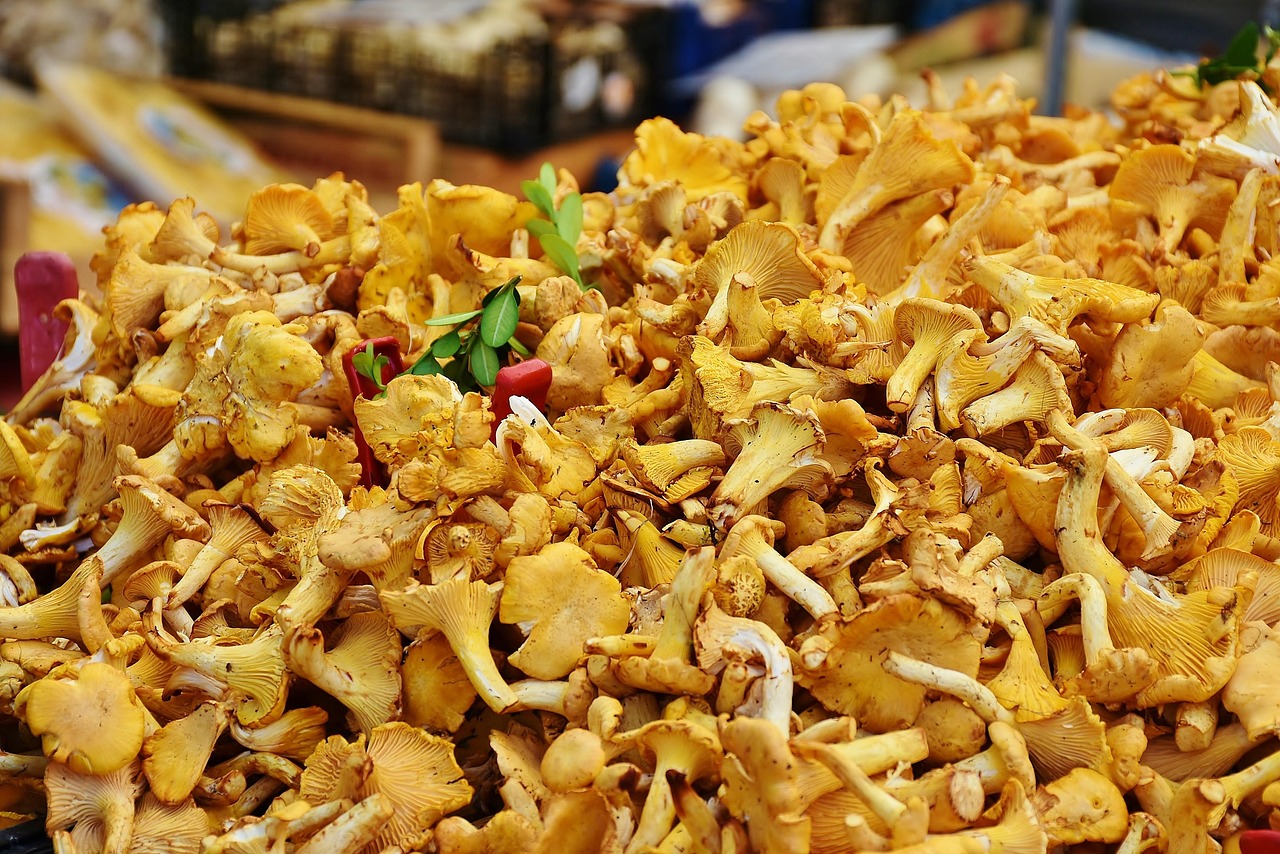
- 1 tsp (about 2 g) high-quality lion’s mane fruiting body extract powder
- ½ tsp (about 1 g) reishi fruiting body extract powder (optional — adds calming effect)
- ½ tsp (about 1 g) chaga extract powder (optional — adds antioxidant profile; remember the kidney cautions from our chaga article)
- 1 tsp MCT oil or ghee (helps with fat-soluble compound absorption)
- ½ tsp cinnamon or cocoa powder (flavor)
- Optional: sweetener of choice
Method
- Brew your coffee as usual.
- Add the mushroom powders, MCT oil, and cinnamon to a blender (or a wide mug with an immersion blender).
- Pour the hot coffee over the powders.
- Blend for 15–20 seconds until fully emulsified and slightly frothy.
- Pour and enjoy.
The blending step is critical — mushroom powders don’t dissolve in water like instant coffee; they need to be emulsified, especially if you’ve added the MCT oil. A quality blender or immersion blender handles this easily.
Cost comparison
At typical 2026 prices: a 30-day supply of this DIY blend (2 g lion’s mane + 1 g reishi per day) using quality extract powders runs about $15–25. Premium mushroom coffee brands at the same effective dose run $50–80 for the same duration. DIY is roughly 1/3 the cost at higher doses.
Safety and Cautions

All the cautions for the individual mushrooms apply. If a blend contains:
- Lion’s mane — see our lion’s mane guide. Watch for anticoagulant interactions and rare skin itchiness.
- Reishi — see our reishi guide. Watch for anticoagulant interactions and blood pressure effects.
- Chaga — see our chaga guide. Serious caution for kidney disease and anticoagulants.
- Cordyceps — see our cordyceps guide. Anticoagulant concern, immunosuppressant caution.
- Turkey tail — see our turkey tail guide. Generally very safe.
And of course, the caffeine cautions: pregnancy (limit total caffeine), sensitive individuals, anxiety disorders where caffeine is a trigger, and sleep timing (no mushroom coffee after noon if you’re caffeine-sensitive).
Safety Profile: Mushroom Coffee (mixed blend — lion’s mane, chaga, reishi, cordyceps)
- Contraindications
- Mushroom coffee products combine multiple bioactive fungi, so contraindications are cumulative across the blend. Autoimmune disease — all four common mushrooms (lion’s mane Hericium erinaceus, chaga Inonotus obliquus, reishi Ganoderma lucidum, cordyceps Cordyceps militaris) carry immune-modulating properties that may amplify autoimmune activity. Kidney disease or kidney stone history — chaga is a high-oxalate species and poses a documented nephrotoxicity risk. Bleeding disorders — cordyceps and reishi both carry antiplatelet signals. Caffeine sensitivity or anxiety disorders — the caffeine component of the coffee base is not neutralised by mushroom additions.
- Drug interactions
- Anticoagulants and antiplatelets (warfarin, DOACs, aspirin, clopidogrel) — reishi, chaga, and cordyceps all carry antiplatelet or anticoagulant signals; the combined product amplifies this risk versus a single-mushroom supplement. Hypoglycemic agents and insulin — cordyceps and reishi have glucose-lowering activity; monitor blood glucose if diabetic. Immunosuppressants (cyclosporine, tacrolimus) — immune-stimulating beta-glucans across the blend may oppose therapeutic immunosuppression. Consult the individual mushroom safety guides for complete per-species drug-interaction details.
- Pregnancy / lactation
- Avoid during pregnancy and breastfeeding without clinician consultation. The caffeine in mushroom coffee carries its own pregnancy risk (NHS recommends ≤200 mg caffeine/day; a typical serving may provide 50–150 mg). Additionally, none of the four mushroom species in standard blends have established human reproductive safety data. Chaga’s high-oxalate and antiplatelet burden, and cordyceps’ cordycepin activity, are both undesirable during pregnancy. Aggregate risk across the blend warrants complete avoidance unless a qualified clinician approves use.
- Maximum recommended daily dose
- Varies by blend — check the individual mushroom safety profiles for per-species ceilings. General guidance: lion’s mane ≤3 g/day extract; chaga ≤2 g/day extract (lower if kidney function is not confirmed normal); reishi ≤2 g/day extract; cordyceps ≤3 g/day extract. Most commercial mushroom coffee sachets deliver well below these ceilings per serving. Limit to 1–2 servings per day; account for total caffeine load from the coffee base and do not stack mushroom coffee with additional functional-mushroom supplements without calculating combined mushroom doses.
- Do not use if
-
- You have kidney disease, reduced kidney function, or kidney stone history — chaga’s high oxalate content poses a documented nephrotoxicity risk even in blended products.
- You have an active autoimmune condition — all four mushroom species carry immune-stimulating activity that may worsen autoimmune disease activity.
- You are taking anticoagulants or antiplatelets without medical supervision — multiple mushrooms in the blend carry additive antiplatelet signals that amplify bleeding risk.
- You are taking immunosuppressant medications — beta-glucan immune stimulation from all four species may directly oppose therapeutic immunosuppression.
- You are pregnant or breastfeeding without clinician consultation — caffeine load plus multiple mushrooms with unestablished reproductive safety data create a cumulative risk not suitable for unsupervised use.
- You have caffeine sensitivity, an anxiety disorder, or insomnia — mushroom additions do not neutralise the stimulant effects of the coffee base; late-day consumption is particularly likely to disrupt sleep.
Frequently Asked Questions
Does mushroom coffee actually work?
At typical commercial serving sizes, the doses are modest and probably below clinical threshold for any one mushroom’s documented effects. That doesn’t mean it’s placebo — there may be additive or cumulative benefit across a day of consumption, and the caffeine portion is real. But if you want the documented lion’s mane cognitive effects or reishi sleep effects, take pure extracts at clinical doses, not a coffee blend that delivers a fraction of the active compounds.
Is it safer than regular coffee?
Not inherently. It’s regular coffee with mushroom extracts added, usually at lower caffeine per serving because it’s diluted with coffee substitutes. If you’re looking to reduce caffeine, you can achieve the same thing by drinking a smaller cup of regular coffee.
Can I drink mushroom coffee every day?
For most healthy adults, yes, assuming you don’t have contraindications to any of the individual mushrooms in the blend or to caffeine itself. The DIY approach at clinical doses should also be fine for daily use, with the same individual mushroom cautions applying.
The Bottom Line
Mushroom coffee is a legitimate product category with a real problem: most commercial offerings deliver sub-clinical doses at premium prices. If you enjoy the product and the convenience, there’s no reason to stop. If you’re looking for actual mushroom-research-level effects, you’ll get better results and save money by brewing your own coffee and adding pure, standardized mushroom extract powders at full doses.
See also: functional mushroom comparison, lion’s mane benefits, reishi benefits.
References
- Docherty S et al. “The Acute and Chronic Effects of Lion’s Mane Mushroom Supplementation on Cognitive Function, Stress and Mood in Young Adults.” Nutrients. 2023. PMC10675414
- Memorial Sloan Kettering Cancer Center. Multiple About Herbs monographs: Lion’s mane, Reishi, Cordyceps, Coriolus versicolor.
- Nammex. Mushroom extract beta-glucan testing reports and industry quality standards.