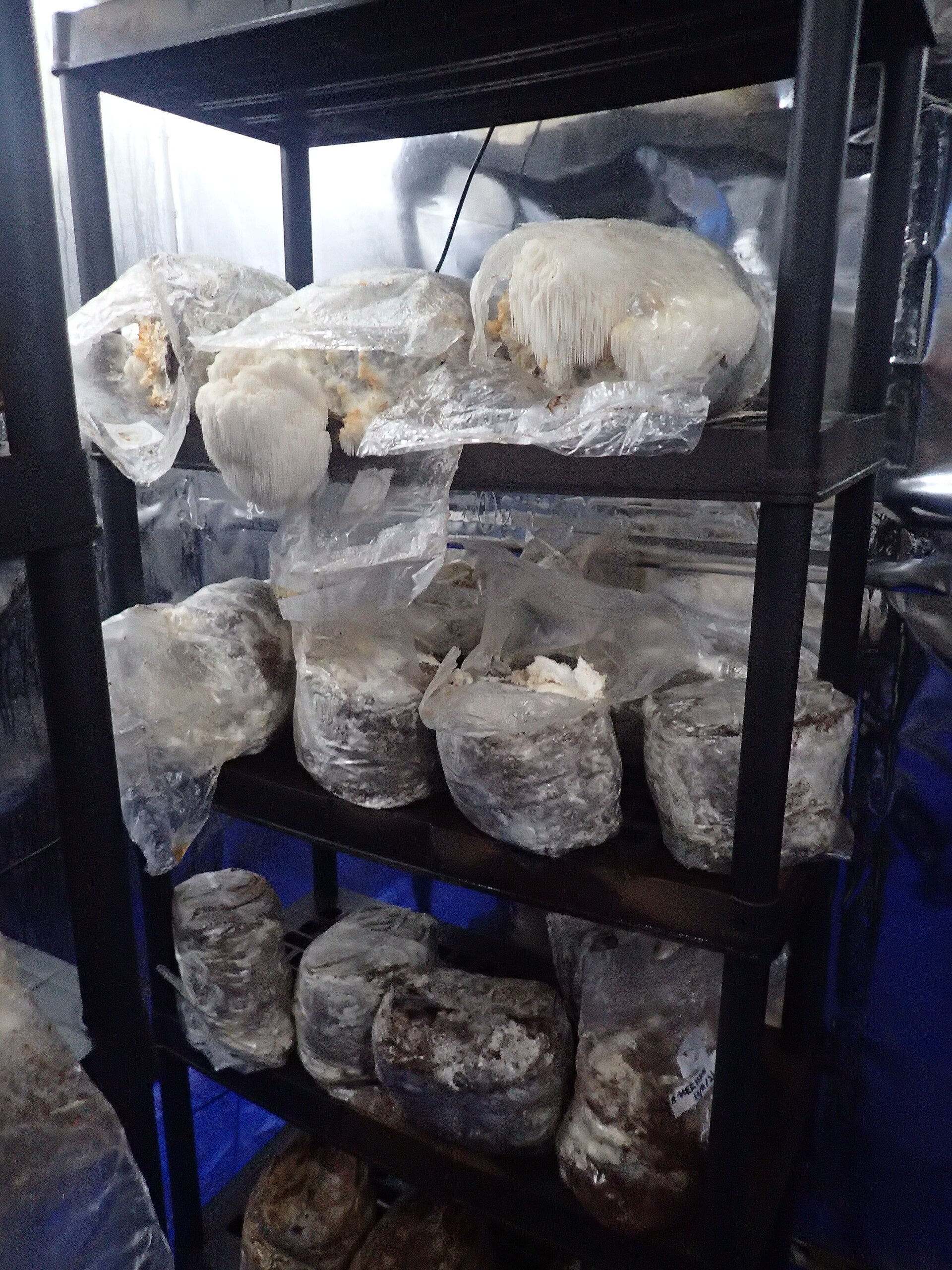
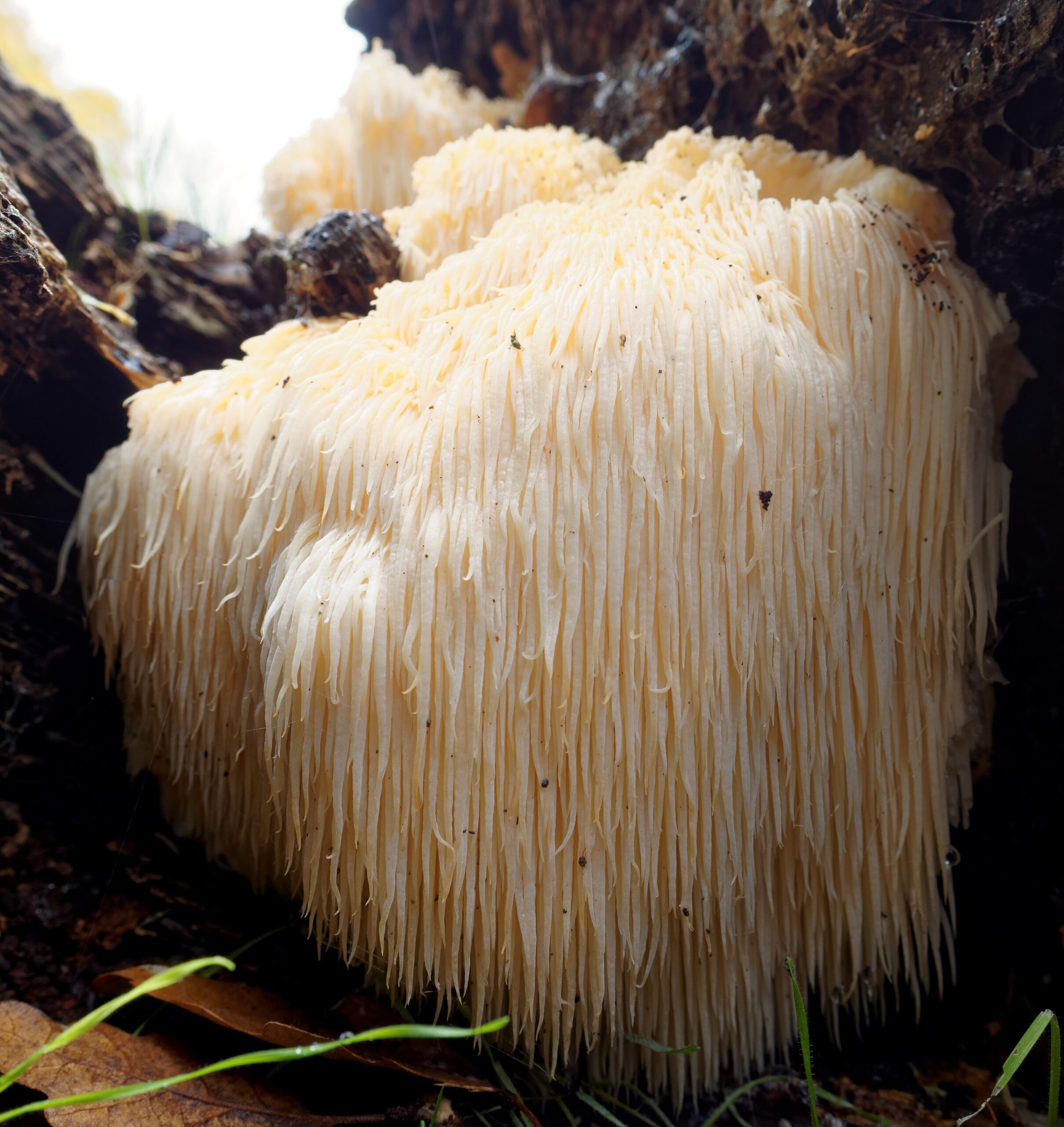
Lion’s mane is the easiest gourmet and medicinal mushroom to grow at home, and one of the most rewarding. Unlike reishi (slow), chaga (nearly impossible), or wild oysters (fussy), lion’s mane practically wants to grow for you — it fruits reliably indoors, tolerates a wide range of conditions, produces two or three flushes from a single grow kit, and looks like nothing else on earth: a cascading white waterfall of icicle-like spines hanging from a log or a bag.
This guide walks through three methods ranked from beginner-friendly to advanced: grow kits (no equipment, 2 weeks to harvest), supplemented sawdust bags (modest setup, higher yields), and hardwood log inoculation (outdoor, long-term, traditional). It also covers fruiting conditions, harvest timing, and the troubleshooting issues you’ll actually encounter.
Key Takeaways
- Grow kits are the easiest entry point — cut the bag, mist daily, harvest in 2–3 weeks. Cost: $20–30. Yield: 1–2 pounds.
- Supplemented hardwood sawdust bags are the best home method for higher yields and multiple flushes.
- Log cultivation is outdoor, slower (6–12 months to first fruit), but produces for years.
- Fruiting conditions: 60–75°F, 85–95% humidity, fresh air exchange, indirect light.
- Harvest when the spines are long but not yet yellowing — roughly 1 cm spines on a firm fruit body.
Why Grow Lion’s Mane?
_02.jpg)
A few good reasons beyond the obvious pleasure of growing your own food:
- Freshness. Fresh lion’s mane is dramatically better than anything you’ll find in a store. The texture is meaty and delicate, the flavor is seafoody-sweet (commonly compared to lobster or crab), and the cooking possibilities are much wider than with dried extracts.
- Medicinal potential. Fresh fruiting bodies contain the full spectrum of hericenones and erinacines studied in the cognitive research (see our lion’s mane benefits guide). A few servings a week of home-grown lion’s mane provides real dietary exposure to these compounds.
- Cost. Fresh lion’s mane at a specialty grocer runs $20–30/lb. A grow kit costs $20–30 and produces 1–2 pounds. Supplemented bags produce even more per dollar.
- It just works. Many people get intimidated by the idea of growing mushrooms, but lion’s mane on a grow kit is as hard as keeping a houseplant alive for two weeks.
Method 1: Grow Kit (Beginner)
.jpg)
This is where everyone should start. A grow kit is a plastic bag or block that has already been inoculated and colonized with lion’s mane mycelium at a commercial lab. All you have to do is trigger fruiting and keep it humid.
What you need

- A lion’s mane grow kit from a reputable supplier (North Spore, Field & Forest, Smugtown Mushrooms, Mushroom Mountain, and others ship kits)
- A spray bottle with clean water
- A cool, humid location out of direct sun
Steps

- When the kit arrives, open the outer packaging but leave the plastic block or bag sealed.
- Follow the supplier’s instructions for where to cut or open the bag (usually a single X-shaped cut or a flap removal on one side).
- Mist the exposed surface lightly 2–3 times per day with clean water. The goal is to keep the surface humid without saturating the block.
- Place the kit in a cool spot — 60–70°F is ideal — out of direct sun. Indirect window light or indoor room light is fine.
- Within 5–7 days you should see small white nodules — these are pinning mushrooms. They look like tiny white bumps.
- The mushrooms will develop rapidly from pins to harvestable size over 5–10 days. Continue misting daily.
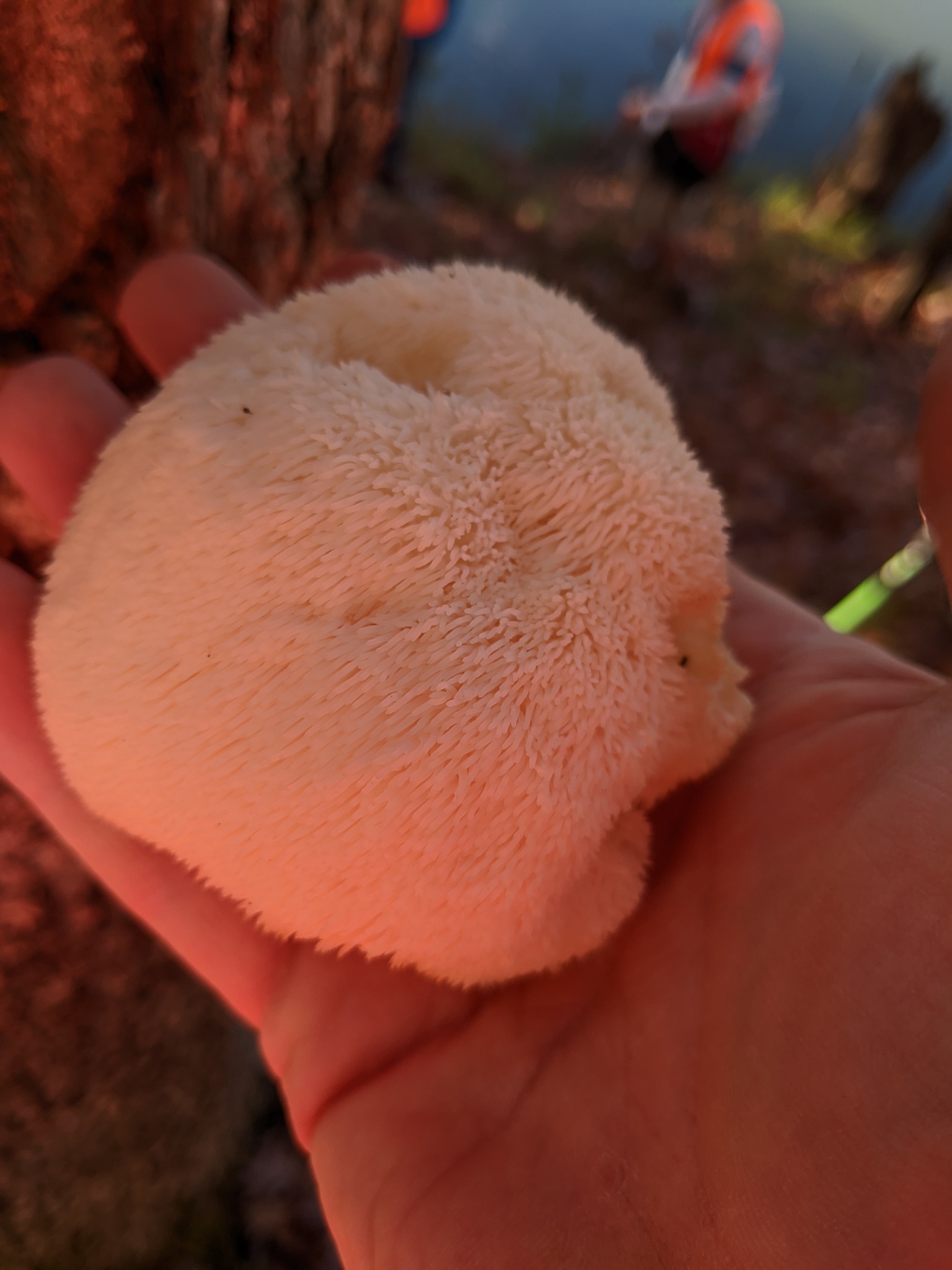
- Harvest when the fruit body is firm and the spines are about 1 cm long but not yet yellowing or drooping.
- After the first flush, rest the kit for 1–2 weeks, soak it in cold water for 2–4 hours to rehydrate, and the kit will typically produce a second and sometimes third flush.
Method 2: Supplemented Sawdust Bags (Intermediate)
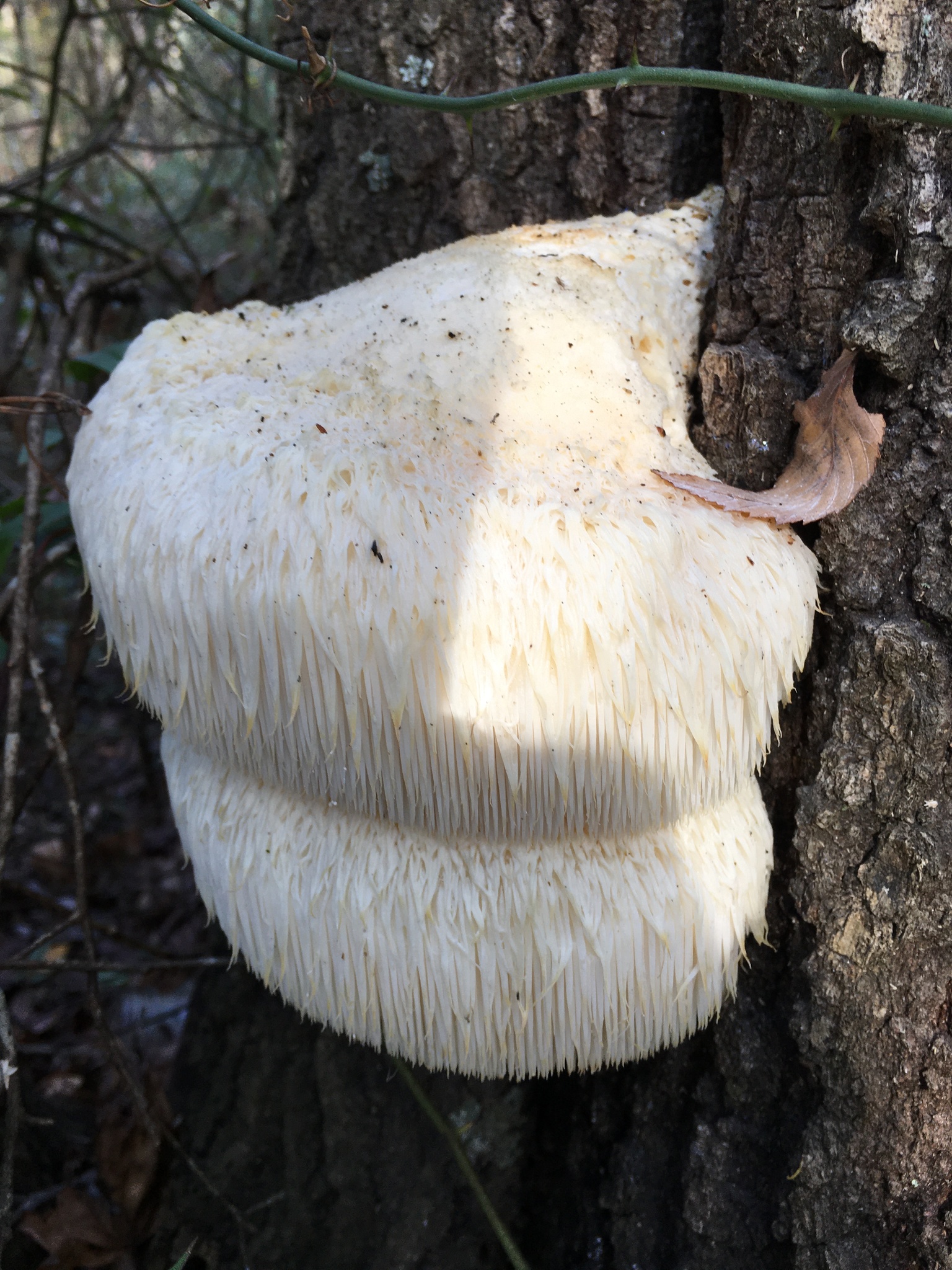

Once you’ve grown a kit or two and want higher yields and more control, supplemented hardwood sawdust bags are the next step. You’re essentially making your own version of what the commercial kits start from.
What you need
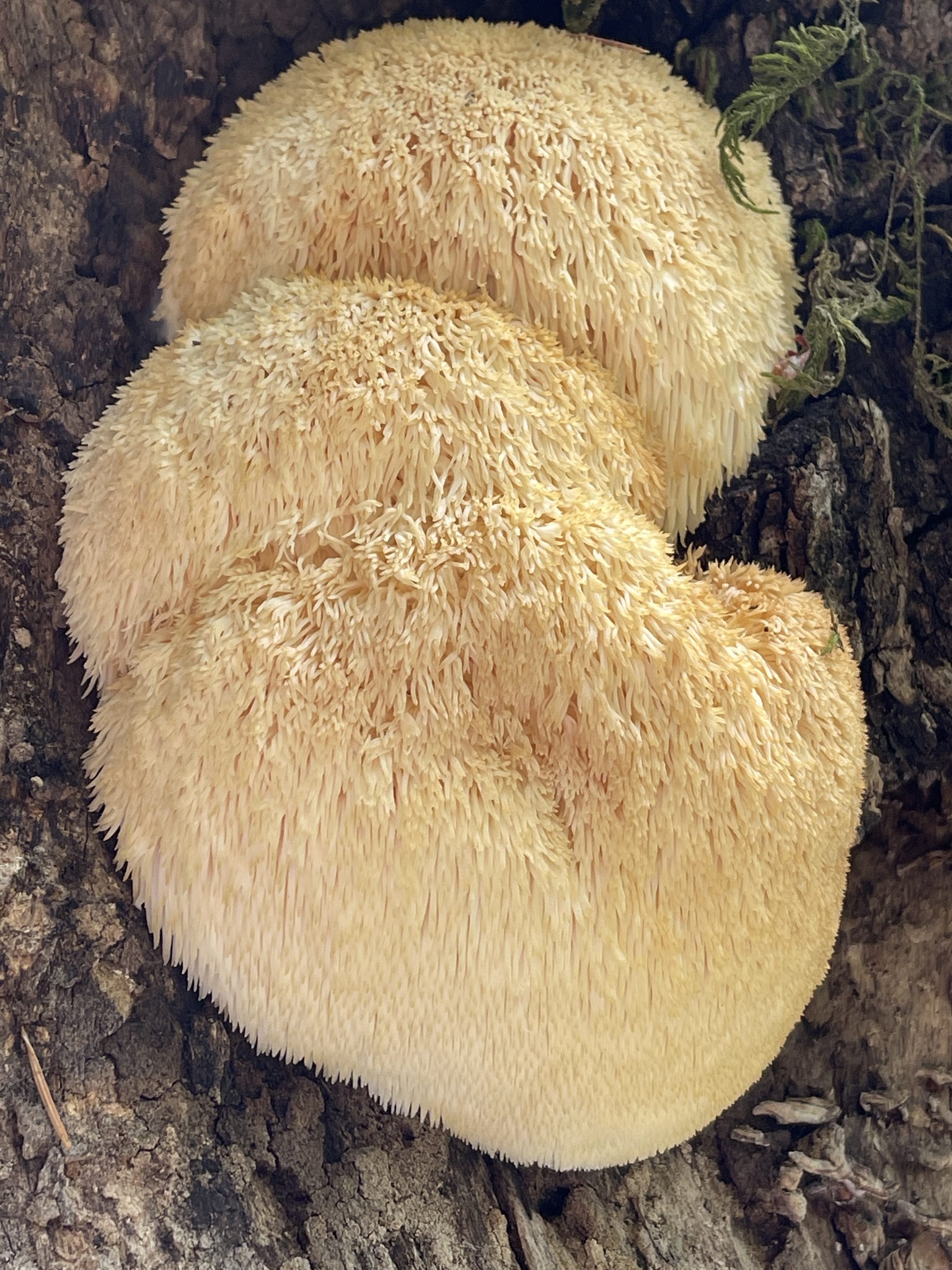

- Hardwood sawdust (oak, beech, maple — not pine or other softwoods)
- Wheat bran or similar supplement (5–15% by dry weight)
- Gypsum (1% by dry weight)
- Autoclavable mushroom grow bags with filter patches
- A pressure cooker or large pressure canner (for sterilization)
- Lion’s mane grain spawn (available from the same suppliers that sell kits)
- A clean work area — many home growers use a still-air box or a glove box
The process (summary)
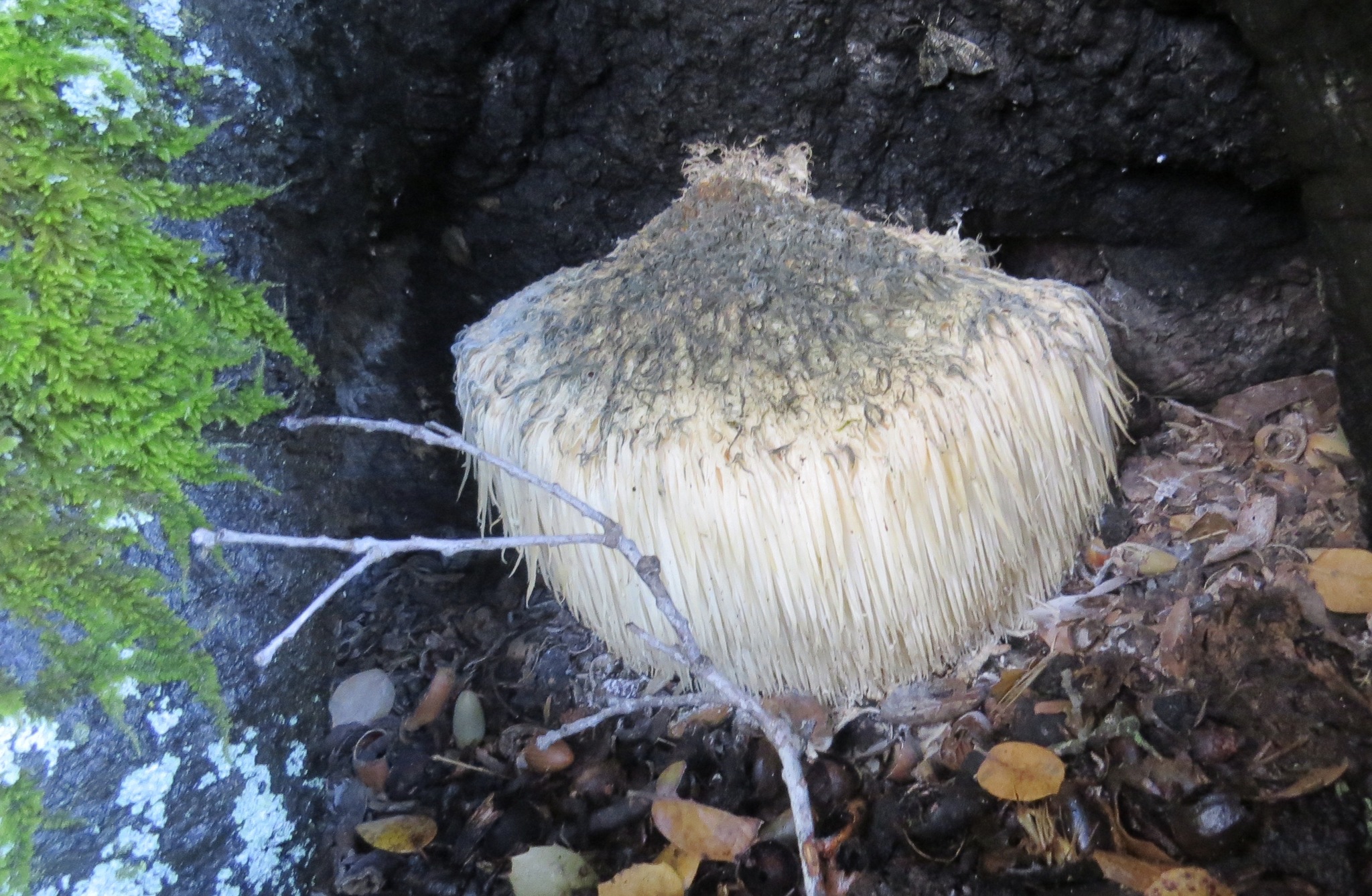

- Mix the substrate. Combine hardwood sawdust, wheat bran, gypsum, and water to about 60% moisture (feels damp but no water squeezes out when you squeeze a handful firmly).
- Bag the substrate. Pack into grow bags, usually 3–5 lbs per bag.
- Sterilize. Pressure-cook at 15 PSI for 2.5 hours. This is a food safety step — unsterilized substrate will grow mold and bacteria instead of lion’s mane.
- Cool, then inoculate. Once the bags are fully cool, add lion’s mane grain spawn to each bag through the port or filter. Seal and shake to distribute.
- Incubate. Store bags at room temperature (68–75°F) in a dark location for 2–3 weeks while the mycelium colonizes the substrate. Bags will turn uniformly white.
- Fruit. Once fully colonized, cut openings in the bag, move to a humid fruiting environment (85–95% RH), and follow the same misting routine as a kit.
- Harvest, rest, re-soak, repeat. A well-prepared bag will produce 2–4 flushes over several weeks.
This is a real project — expect to invest 4–6 hours the first time you do it and to make some mistakes. Read Paul Stamets’s Growing Gourmet and Medicinal Mushrooms or Tradd Cotter’s Organic Mushroom Farming and Mycoremediation for the full detail before attempting.
Method 3: Hardwood Log Inoculation (Outdoor, Long-Term)
.jpg)
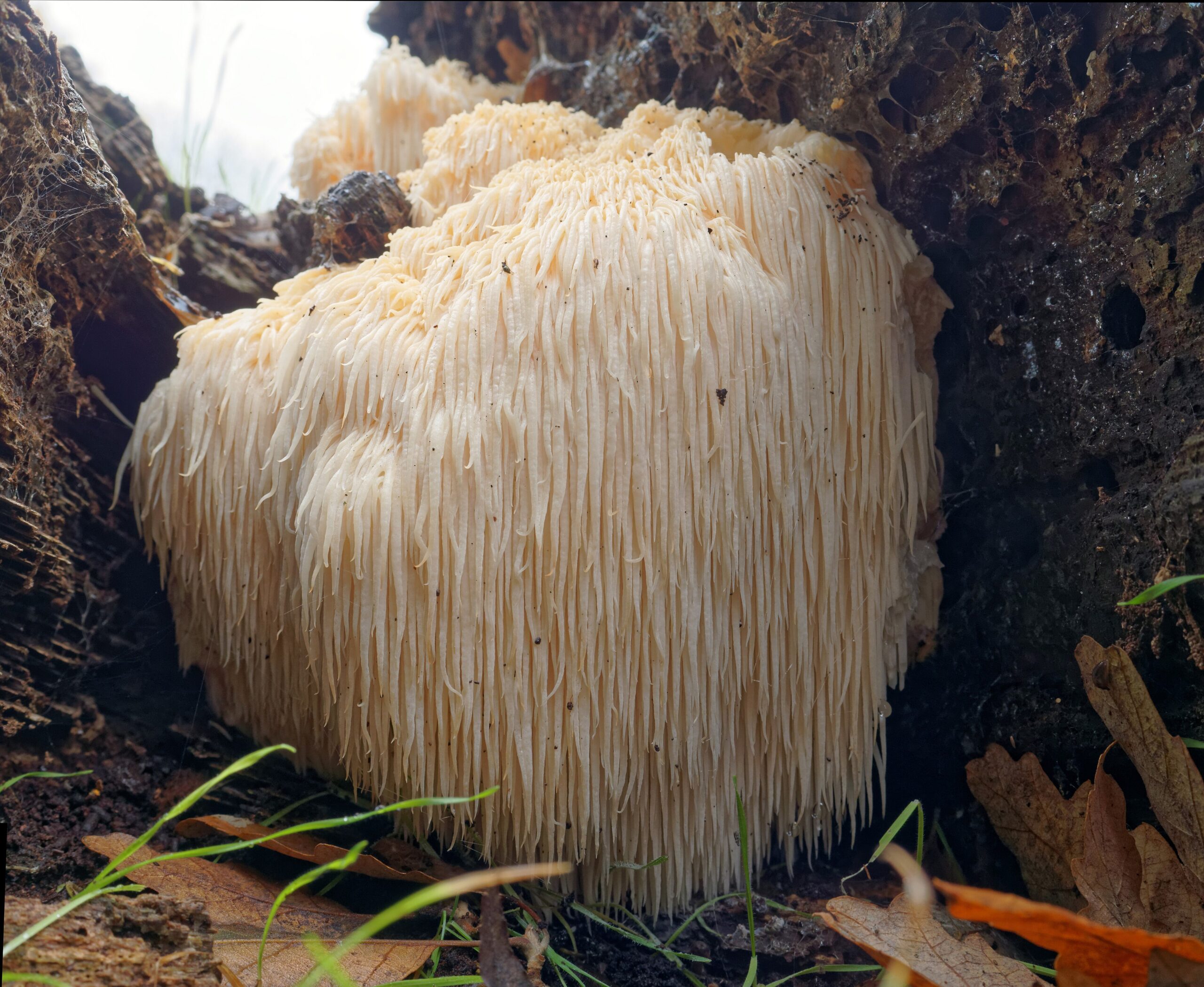
Traditional, beautiful, slow, and produces for years. You inoculate freshly cut hardwood logs with lion’s mane plug spawn, seal the plugs with wax, and let the logs incubate outdoors for 6–12 months before fruiting.
What you need
.jpg)
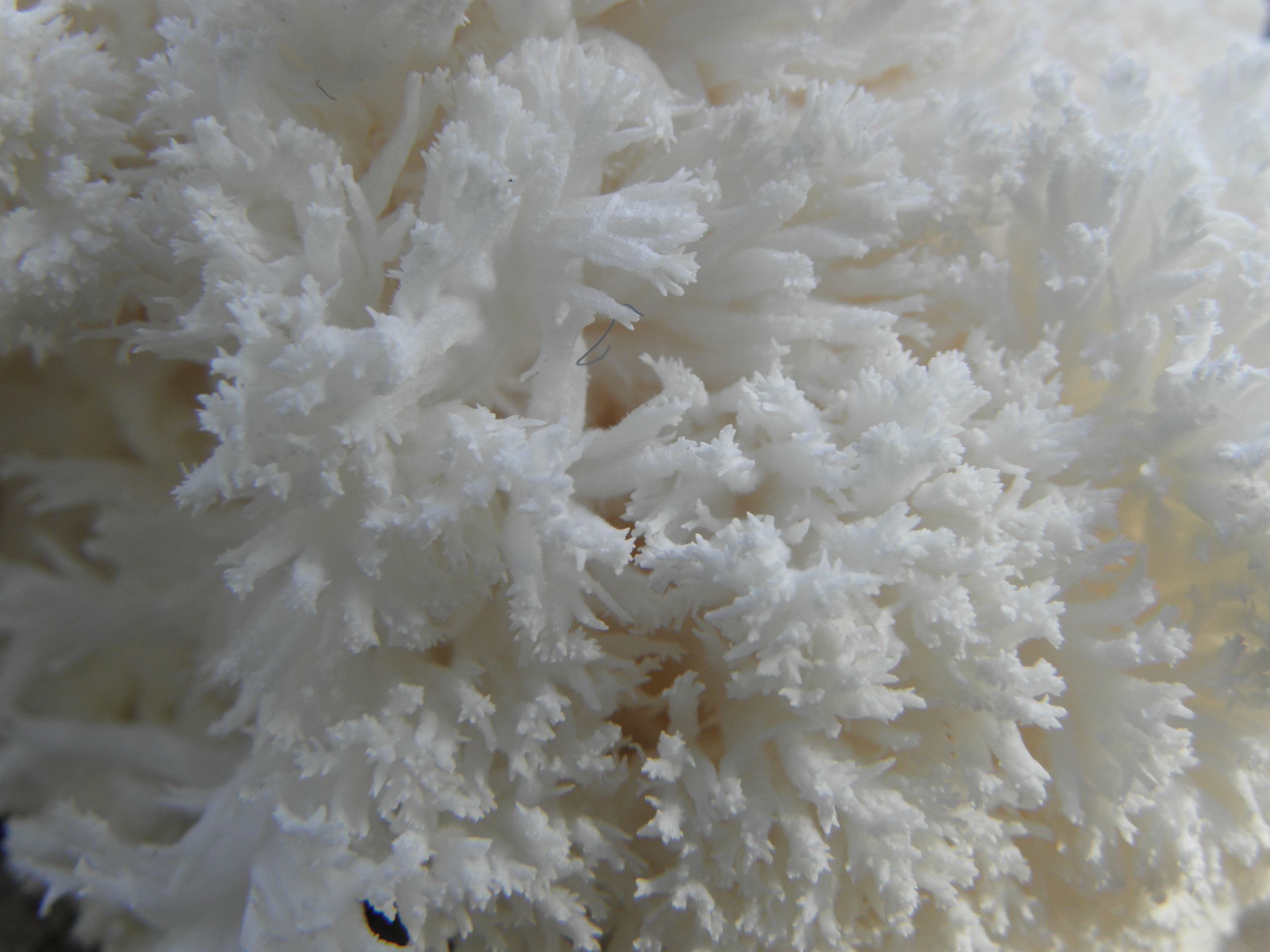
- Freshly cut hardwood logs (oak, beech, maple, sweetgum) — 3–6 inches diameter, 3–4 feet long, cut in late winter or early spring before buds break
- Lion’s mane plug spawn (from the same suppliers)
- A drill with a 5/16″ bit
- Food-grade cheese wax or beeswax
- A shaded, outdoor location near a water source
Summary
.jpg)
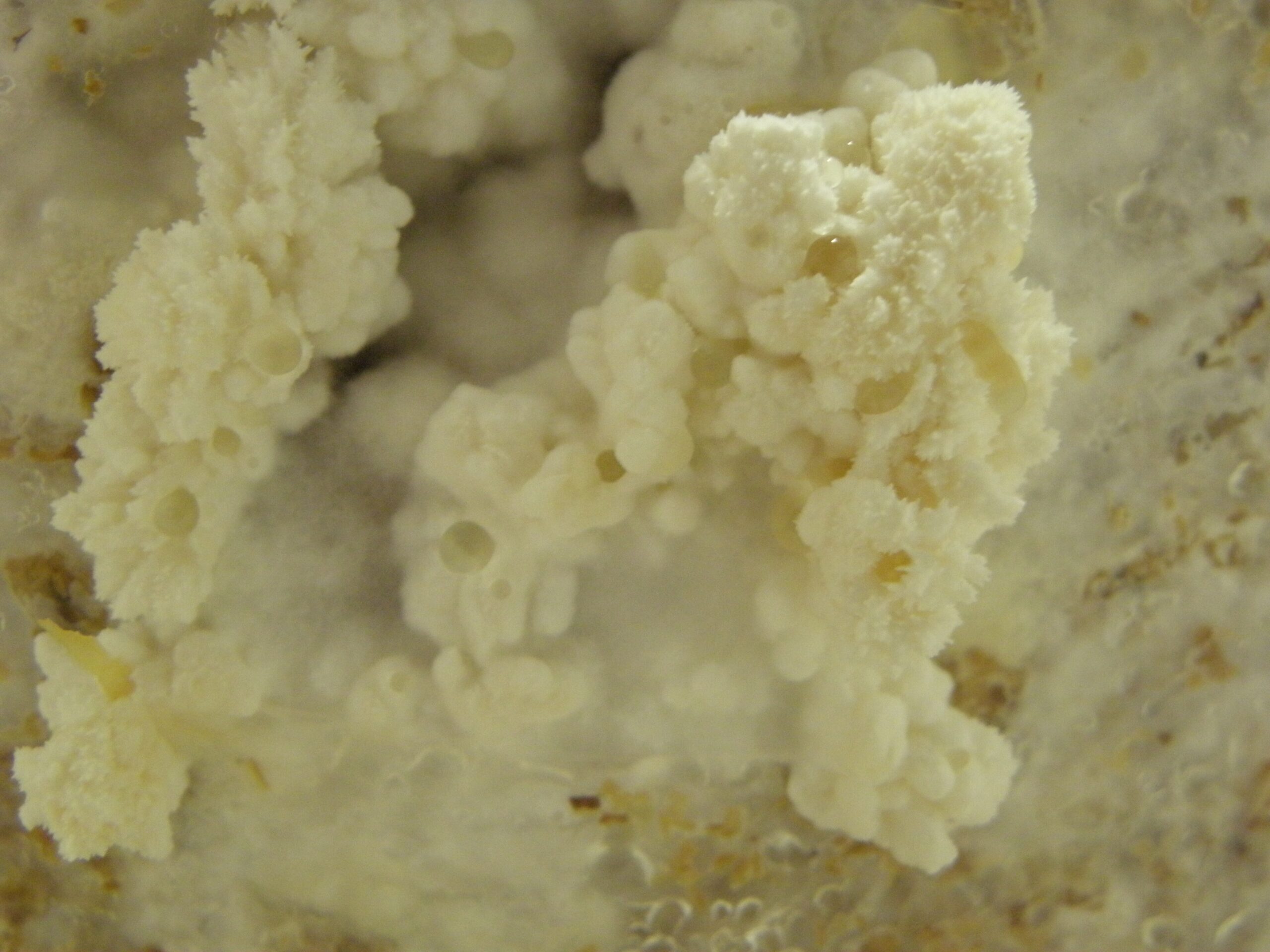
- Drill holes in a diamond pattern across the log, about 4 inches between rows, 6 inches between holes in each row, 1.25 inches deep.
- Insert a plug into each hole and tap flush with the bark.
- Seal each plug with melted wax to prevent contamination and moisture loss.
- Stack the logs in a shaded outdoor location. Keep moist — water during dry spells.
- Wait 6–12 months for the mycelium to fully colonize the log. First fruiting typically comes in fall or spring of the year following inoculation.
- Lion’s mane logs can produce for 3–5 years.
Fruiting Conditions
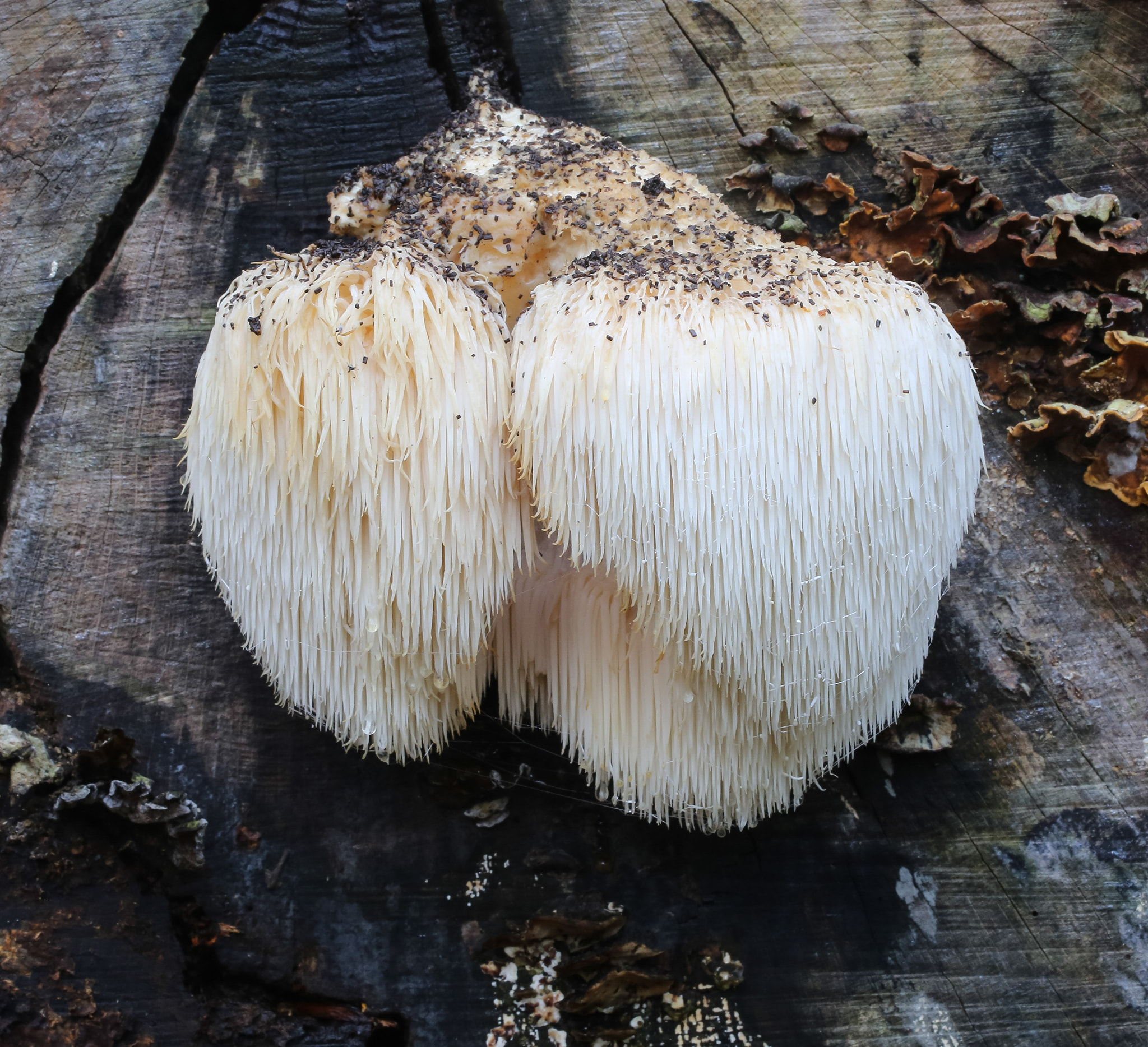

Regardless of which method you use, lion’s mane fruits best under these conditions:
- Temperature: 60–75°F (15–24°C). Lion’s mane is a cool-weather mushroom and tolerates lower temperatures better than many species.
- Humidity: 85–95% relative humidity. Dry air causes fruit bodies to crack, brown, and stall. A simple humidity tent (clear plastic over the kit) or a “shotgun fruiting chamber” handles this.
- Fresh air exchange: Lion’s mane needs fresh air during fruiting — CO₂ buildup causes spindly, antlered growth instead of the round “pom-pom” shape. Open a humidity tent for a few minutes 2–3 times daily.
- Light: Indirect light is fine. Mushrooms don’t photosynthesize, but they do orient toward light.
Harvest Timing
.jpg)
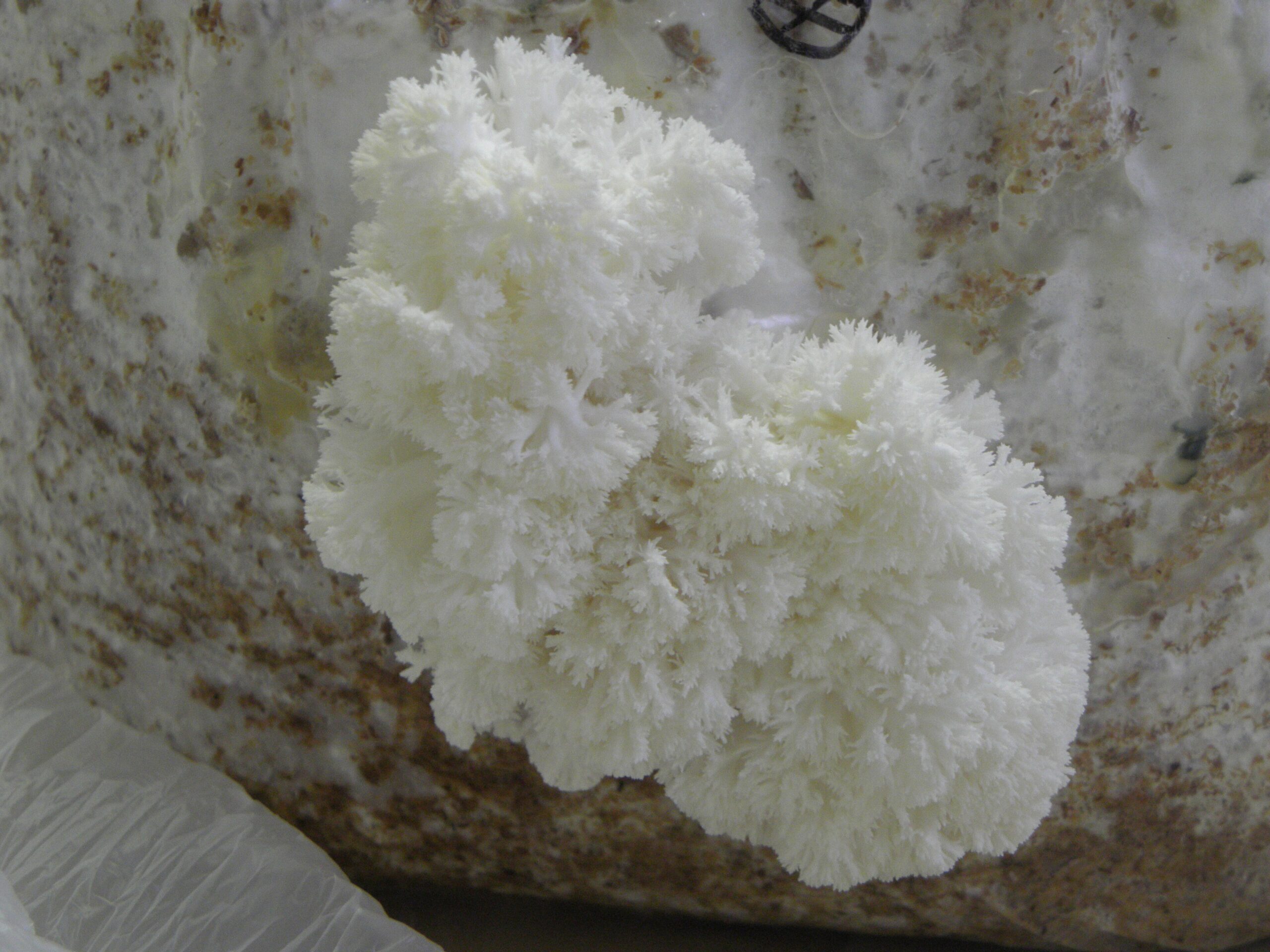
Pick lion’s mane when:
- The fruit body is firm (not mushy, not yet browning).
- The spines are 1–1.5 cm long and still white.
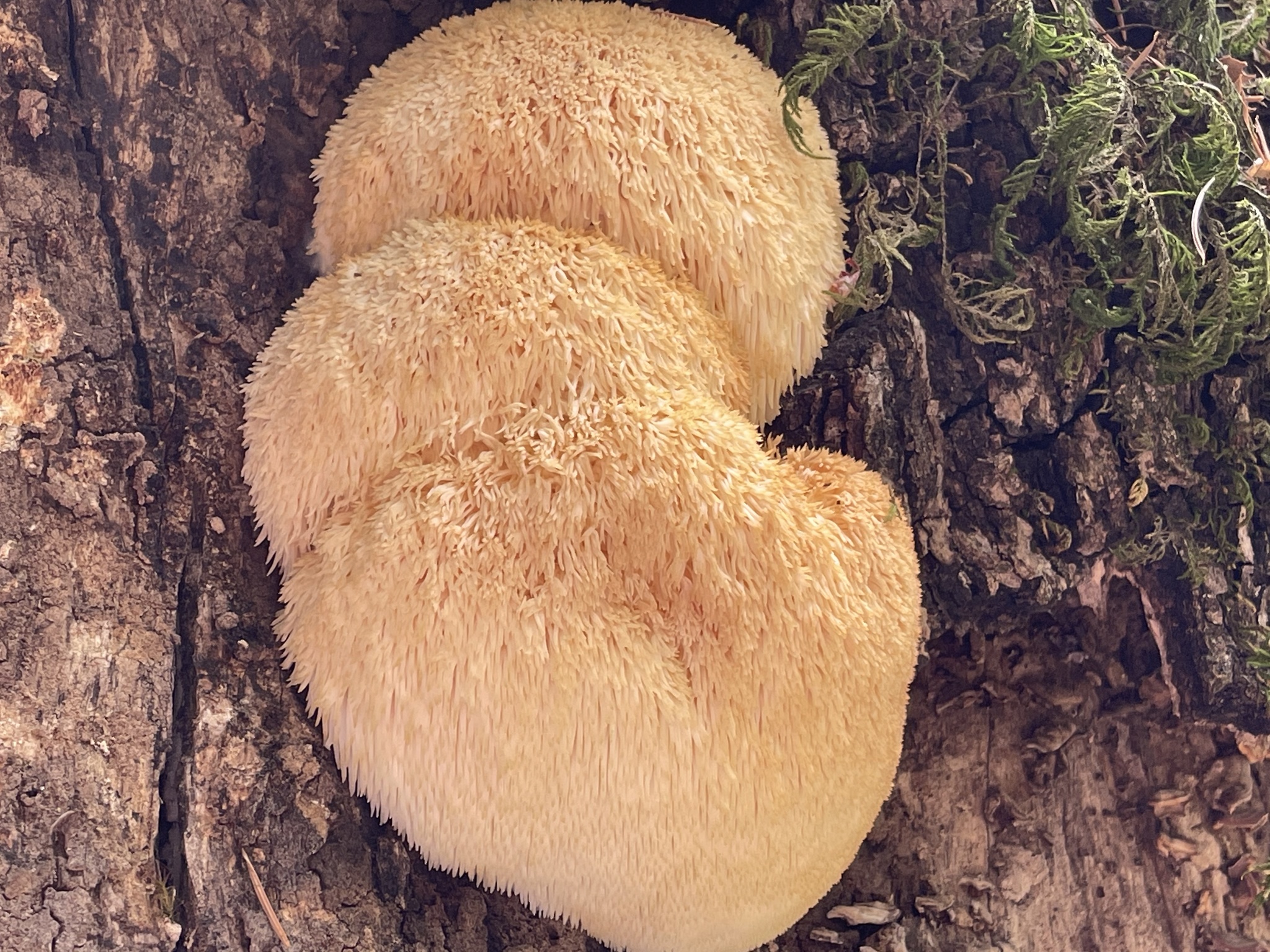
- The shape is recognizable as a “pom-pom” or “icicle mass.”
Past peak, lion’s mane will start to yellow, the spines will become long and droopy, and the flavor turns slightly bitter. Don’t wait too long — if in doubt, harvest.
To harvest: use a sharp knife to cut the fruit body flush with the substrate surface. Don’t pull — pulling can damage the underlying mycelium and reduce subsequent flushes.
Troubleshooting
- No pins after a week: temperature or humidity too low. Move to a cooler, more humid spot.
- Pins forming but drying up: humidity too low. Mist more aggressively or add a humidity tent.
- Spindly, antlered growth: not enough fresh air. Vent the fruiting chamber more often.
- Green or black mold growing: contamination. Discard the entire bag or kit — lion’s mane can sometimes fight off contamination, but most home setups will lose to it. Start over.
- Yellow/brown discoloration on fruit body: either overripe (harvest immediately) or environmental stress (check humidity and temperature).
- Bitter flavor: usually harvested too late. Pick younger next time.
Using Your Harvest
Fresh lion’s mane is one of the best cooking mushrooms you’ll ever meet. Some ideas:
- Seared “steaks”: slice into 1-inch thick slabs, sear in butter over medium-high heat until golden on both sides. Season with salt, pepper, lemon.
- Lion’s mane “crab cakes”: shredded lion’s mane bound with egg and breadcrumbs, pan-fried.
- Risotto or pasta: chopped and sautéed, folded into risotto or tossed with cream-based pasta.
- Stir-fry: holds its texture well in high-heat cooking.
You can also dry any excess lion’s mane and use it for tea or tincture. See our tincture guide for dual-extraction method.
Safety Profile: Lion’s Mane (Hericium erinaceus)
- Contraindications
- Known or suspected allergy to mushrooms or moulds — while lion’s mane allergic reactions are rare, cases of allergic contact dermatitis and respiratory sensitisation from handling fresh fruiting bodies have been reported in home-cultivation contexts; individuals with mushroom allergy or mould hypersensitivity should exercise caution both when handling the kit and when consuming the harvest. Bleeding disorders — preclinical data indicate anticoagulant and antiplatelet signalling from hericenone compounds; individuals with clotting disorders should consult a clinician before regular consumption of home-grown fruiting bodies.
- Drug interactions
- Anticoagulants and antiplatelets (warfarin, DOACs including apixaban and rivaroxaban, aspirin, clopidogrel) — hericenone compounds have demonstrated antiplatelet activity in animal models; combining home-grown lion’s mane consumption with anticoagulant therapy may increase bleeding risk and warrants INR monitoring if on warfarin. Antidiabetic medications and insulin — animal studies show modest glucose-lowering effects; concurrent use may cause additive hypoglycaemia and should be monitored. Immunosuppressants (cyclosporine, tacrolimus) — beta-glucan polysaccharides may exert mild immune-stimulating activity opposing immunosuppressive therapy.
- Pregnancy / lactation
- Avoid consuming lion’s mane during pregnancy or while breastfeeding without first consulting a clinician. No human clinical safety data exist for lion’s mane in pregnant or breastfeeding populations. While culinary quantities of home-grown fruiting bodies carry lower exposure than concentrated extract supplements, the active compounds hericenones and erinacines have not been studied for placental transfer or effects on foetal development. The cultivation kit is safe to handle during pregnancy, but consumption should wait until after the breastfeeding period or be explicitly cleared by a qualified healthcare provider.
- Maximum recommended daily dose
- Home-grown fresh fruiting body (culinary use): no established ceiling for culinary quantities consumed as food; treat as any culinary mushroom and keep portions reasonable (100–200 g fresh per serving). Dried extract supplement form: ≤3 g/day extract. Note that home-grown fruiting bodies are not standardised for hericenone or erinacine content — potency varies by substrate, harvest timing, and growing conditions. Do not combine home-grown consumption with additional lion’s mane extract supplements without accounting for the total combined daily dose.
- Do not use if
-
- You have a known mushroom or mould allergy — allergic reactions to lion’s mane fruiting bodies, including respiratory symptoms from spore exposure during late fruiting, have been documented in home-cultivation settings.
- You are eating any mushroom from a home kit you cannot confidently identify as lion’s mane — contamination with other fungi during cultivation is rare but possible; never eat unidentified mushrooms from the growing environment.
- You are taking anticoagulant or antiplatelet medications without clinician awareness — home-grown fruiting bodies contain hericenone compounds with preclinical antiplatelet signals that may increase bleeding risk.
- You are taking immunosuppressant medications (organ transplant drugs, biologics) without medical supervision — immune-stimulating polysaccharides may oppose therapeutic immunosuppression.
- You are pregnant or breastfeeding without clinician consultation — no human reproductive safety data exist for hericenone or erinacine compounds at any dose level.
- You experience skin irritation, rashes, or respiratory symptoms when handling the fruiting kit — discontinue cultivation or use PPE (gloves, mask) and do not consume, as this may indicate mushroom hypersensitivity.
Frequently Asked Questions
Can I grow lion’s mane on coffee grounds like oyster mushrooms?
Not really. Oyster mushrooms are aggressive colonizers that handle coffee grounds well; lion’s mane prefers a supplemented hardwood substrate. Stick with kits or proper sawdust bags.
How long does a grow kit last?
A typical kit produces 2–3 flushes over 6–8 weeks, yielding 1–2 pounds of fresh mushrooms total. After that, compost the spent block — there’s no meaningful mushroom production left, but it makes excellent garden compost.
Is it safe to eat mushrooms I grew at home?
Yes, much safer than foraging wild mushrooms, because you know exactly what species you’re working with. The main food safety practice is to wash and cook the mushrooms before eating. Don’t eat them raw, and don’t eat mushrooms that show off odors or discoloration.
The Bottom Line
If you want fresh lion’s mane in your kitchen and don’t want to pay specialty-grocer prices, a grow kit is the simplest investment in home food you can make. For $25 and 20 minutes a day of misting, you’ll harvest fresh gourmet mushrooms in two weeks. If you catch the bug, graduate to supplemented sawdust bags for higher yields, or to log cultivation for a multi-year outdoor project.
See also: lion’s mane benefits, functional mushroom comparison, herbal tincture guide.
References
- Stamets P. “Growing Gourmet and Medicinal Mushrooms.” Ten Speed Press, 2000.
- Cotter T. “Organic Mushroom Farming and Mycoremediation.” Chelsea Green, 2014.
- Penn State Extension. Mushroom Science and Technology publications.