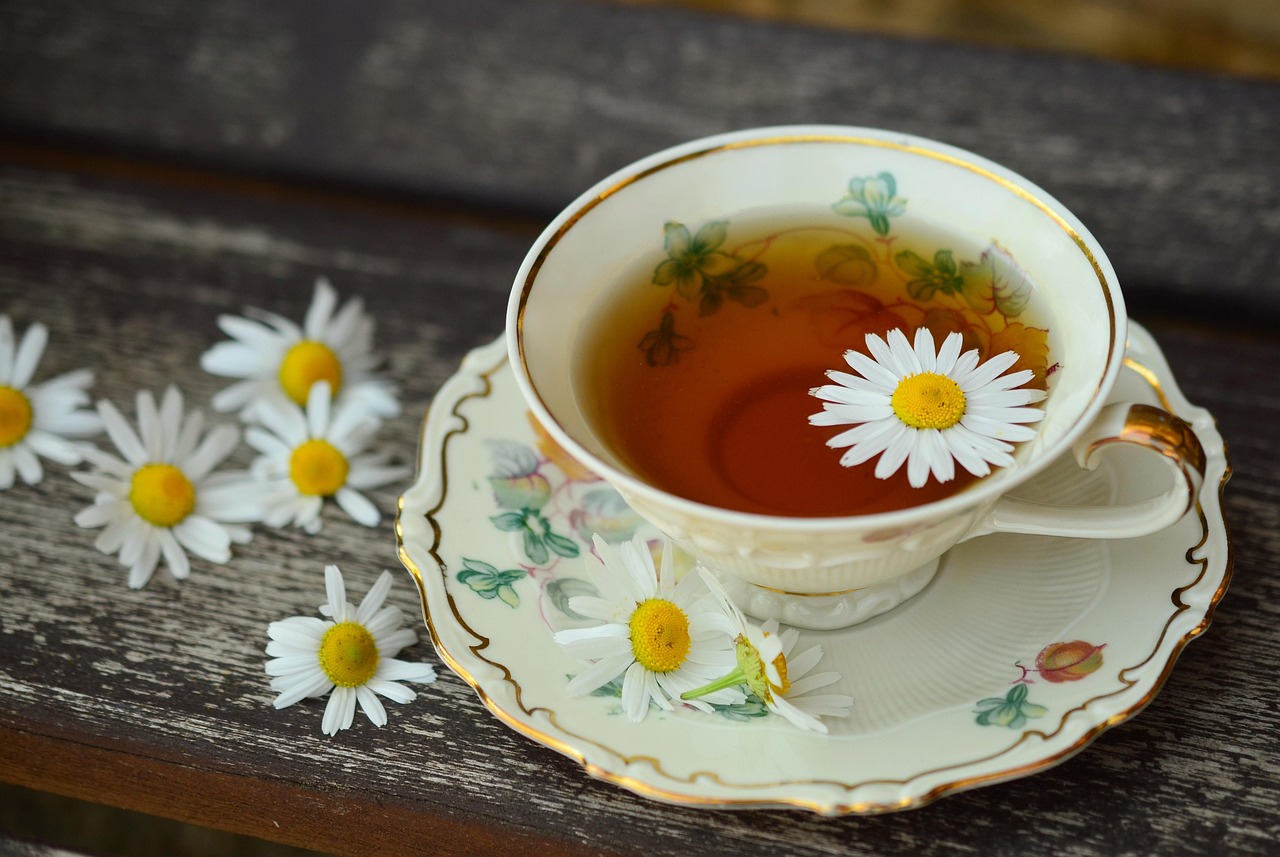
Most herbal tea blends you’ll find online are recipe lists — a handful of herbs, a ratio, brew for X minutes. What almost nobody teaches is the framework: the structural logic that experienced herbalists use to build balanced, effective, good-tasting blends from scratch. Once you understand the framework, you can stop copying recipes and start designing your own blends for specific purposes.
The good news is that the framework is simple. Four roles, one rough ratio, and a distinction between infusion and decoction. That’s most of what you need. This guide walks through the framework, explains when to use boiling water vs simmering, gives you five starter blends you can make tonight, and points out which herbs should not be part of daily long-term consumption.
Key Takeaways
- The classic blend framework uses four roles: primary (60%), support (25%), flavor (10%), accent (5%).
- Leaves, flowers, and soft aromatics → infusion (hot water, steeped 5–10 minutes, covered).
- Roots, barks, dried berries, and tough material → decoction (simmered 15–30 minutes).
- Not all herbs are for daily tea. Some (comfrey, coltsfoot, licorice at high doses) have accumulation or long-term use concerns.
- Measure by weight when precision matters; by teaspoon for casual blending.
The Four-Role Framework
Experienced Western herbalists — Rosemary Gladstar most prominently — teach a four-role structure for building balanced tea blends. The roles and their rough ratios are:
- Primary herbs (roughly 60%) — the herbs doing the main work. If your blend is for sleep, the primary herbs are your main sedatives (chamomile, passionflower, lemon balm). If it’s for digestion, your primary herbs are the digestive ones (peppermint, fennel, ginger).
- Support herbs (roughly 25%) — herbs that complement or amplify the primary action without stealing the show. For a sleep blend, this might be lavender or catnip; for a digestive blend, a little chamomile or meadowsweet.
- Flavor herbs (roughly 10%) — herbs whose main job is to make the blend taste good. Spearmint, lemongrass, rose hips, dried orange peel, hibiscus. These can have mild therapeutic effects of their own, but their primary role in the blend is palatability.
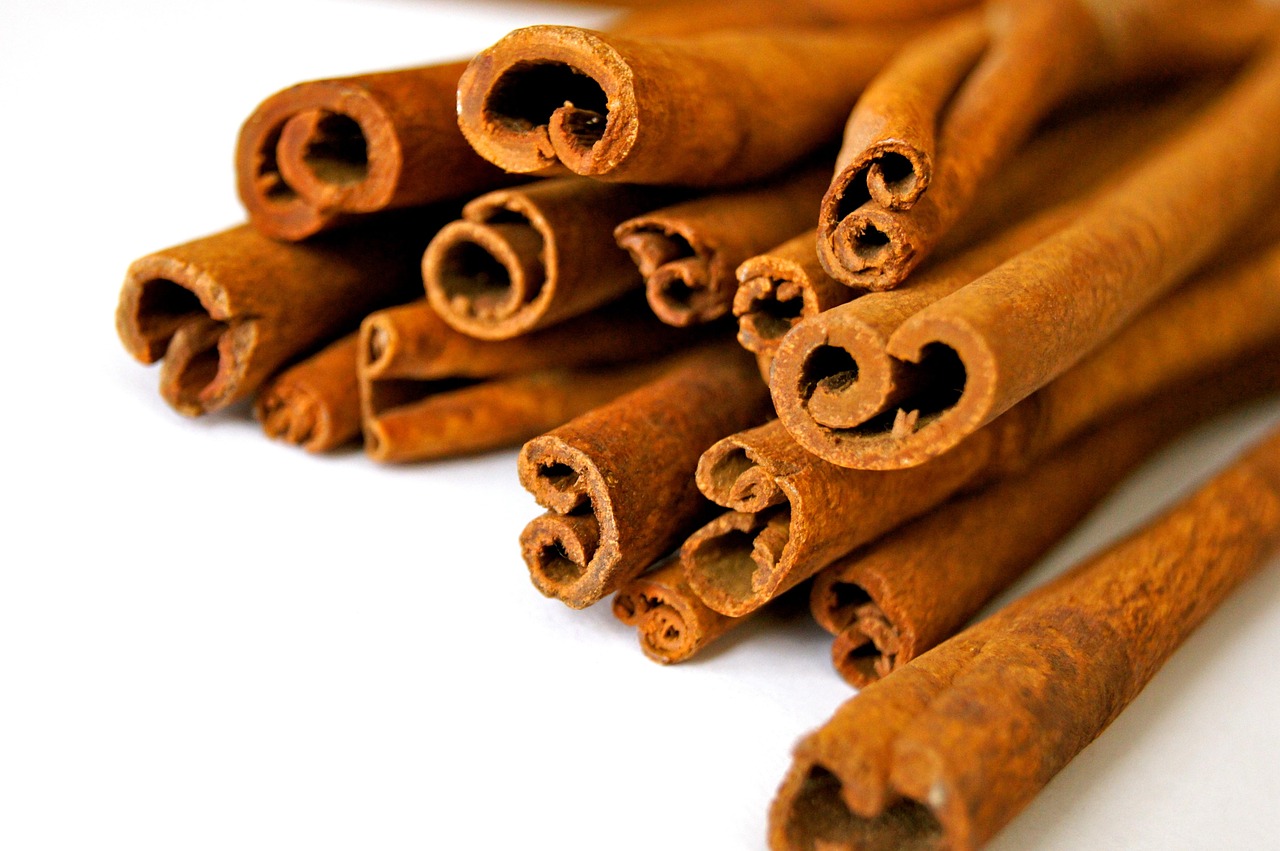
- Accent herbs (roughly 5%) — small amounts of strongly-flavored or intensely-acting herbs that add a particular character. Ginger, cinnamon, cloves, licorice root (use sparingly), cardamom, black pepper.
The ratios are approximations, not rigid rules. What matters is the principle: most of your blend should be herbs doing the main work, a smaller portion should support them, and a small fraction should handle flavor and accent. When you build a blend that is 100% primary herbs, it usually tastes medicinal and one-note. When you overdo flavor herbs, it tastes good but may not do much.
Infusion vs Decoction: The Preparation Distinction
This is where most casual herbal tea drinkers lose effectiveness without realizing it. Different plant parts require different preparation methods to extract their compounds properly.
Infusion (steep in hot water)
Use for: leaves, flowers, soft stems, and aromatic plant parts where the active compounds are delicate and often include volatile oils.
- Water temperature: just off boil (about 195–205°F / 90–96°C).
- Ratio: 1–2 teaspoons dried herb per 8 oz cup, or 1 ounce (28 g) dried herb per quart of water for a strong medicinal infusion.
- Time: 5–10 minutes for a casual cup; up to 4+ hours for a medicinal infusion (often done overnight).
- Covered! Always cover your infusion — the volatile oils (which carry many of the therapeutic effects) escape with the steam. An uncovered cup of chamomile is significantly weaker than a covered one.
- Examples of infusion herbs: chamomile, lemon balm, peppermint, spearmint, nettle, lavender, rose petals, calendula, passionflower, tulsi, oat straw, raspberry leaf.
Decoction (simmer in water)
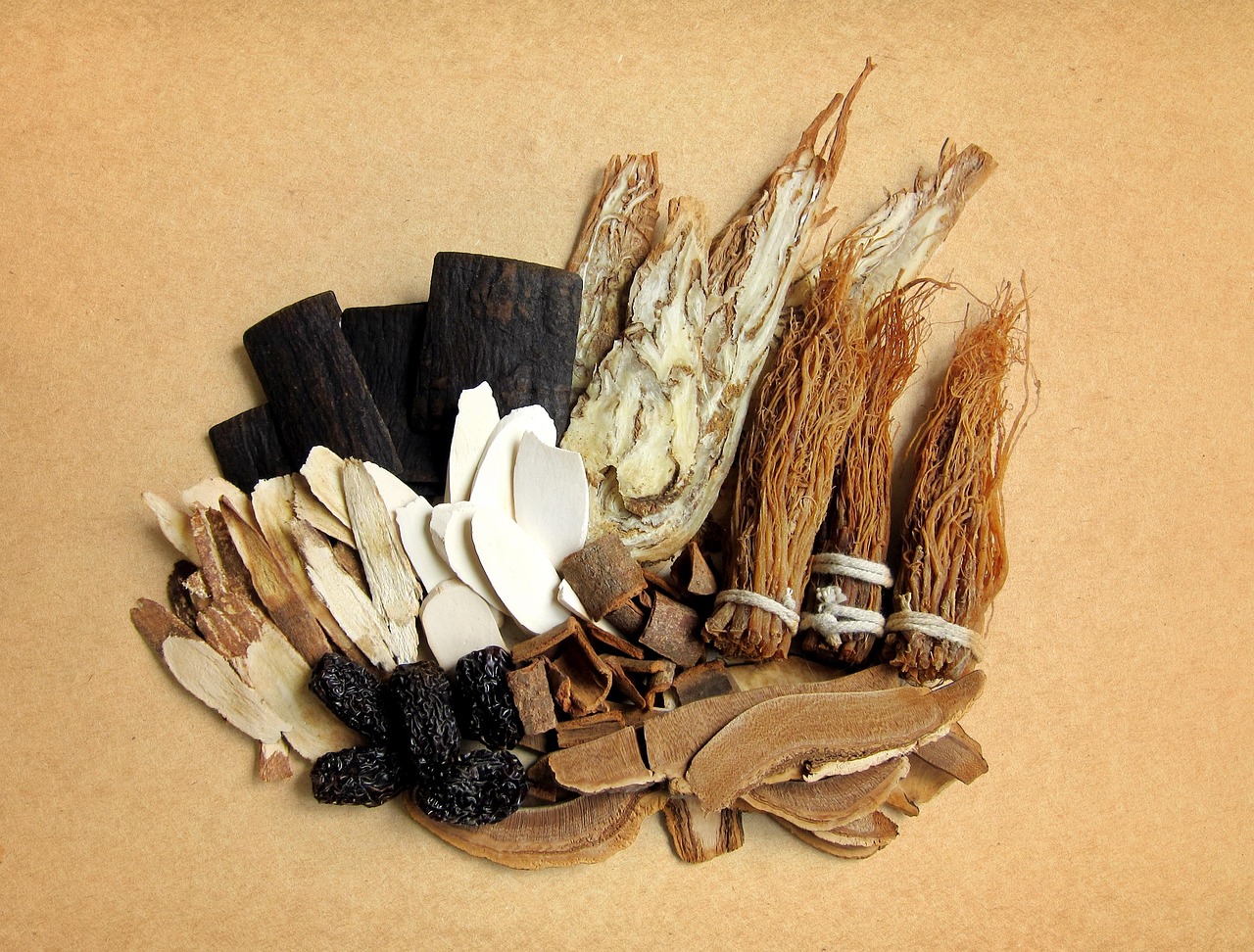
Use for: roots, barks, dried berries, seeds, and woody or tough plant parts where the active compounds are locked in cell walls that need sustained heat to release.
- Method: bring herb and water to a boil, then reduce to a gentle simmer.
- Ratio: 1 ounce (28 g) dried root/bark per pint (2 cups) of water.
- Time: 15–30 minutes, covered.
- Examples of decoction herbs: valerian root, burdock root, dandelion root, ginger root, cinnamon bark, licorice root, astragalus root, marshmallow root, echinacea root, elderberry, rose hips, reishi mushroom.
Combined (simmer, then add infusion herbs)
If your blend contains both roots and leaves, decoct the roots first for 15–20 minutes, then remove from heat, add the leaves and flowers, and let the whole thing steep covered for another 5–10 minutes before straining.
Five Starter Blends
1. Evening calm / sleep blend
- 3 parts chamomile flowers (primary)
- 2 parts lemon balm (primary)
- 1 part passionflower leaf (support)
- 1 part lavender flowers (support, flavor)
- ½ part dried orange peel (flavor/accent)
Use 1–2 teaspoons per cup, infuse covered 10 minutes. Drink 30–60 minutes before bed. See best herbs for sleep.
2. Digestive blend
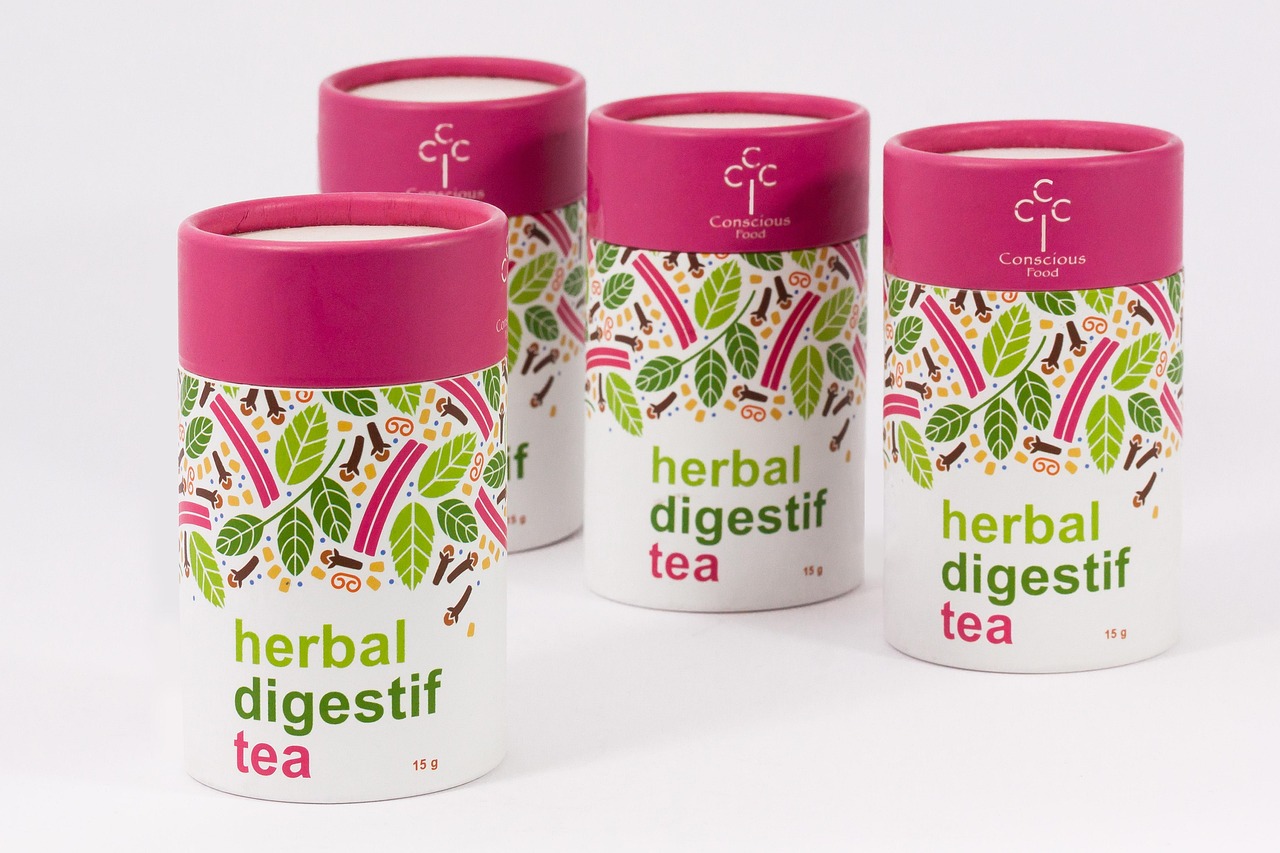
- 2 parts peppermint (primary)
- 1 part fennel seed (primary, slightly crushed)
- 1 part chamomile (support)
- 1 part ginger (accent, if you want warmth)
Use 1 teaspoon per cup, infuse covered 8–10 minutes. Drink after meals.
3. Nourishing daily tonic
- 3 parts nettle leaf (primary)
- 2 parts oat straw (support)
- 1 part red raspberry leaf (support)
- 1 part rose hips (flavor)
Use as a strong medicinal infusion: 1 oz per quart, steep covered 4+ hours, drink throughout the day. Traditional “women’s tonic” but appropriate for anyone.
4. Immune support (cold season)
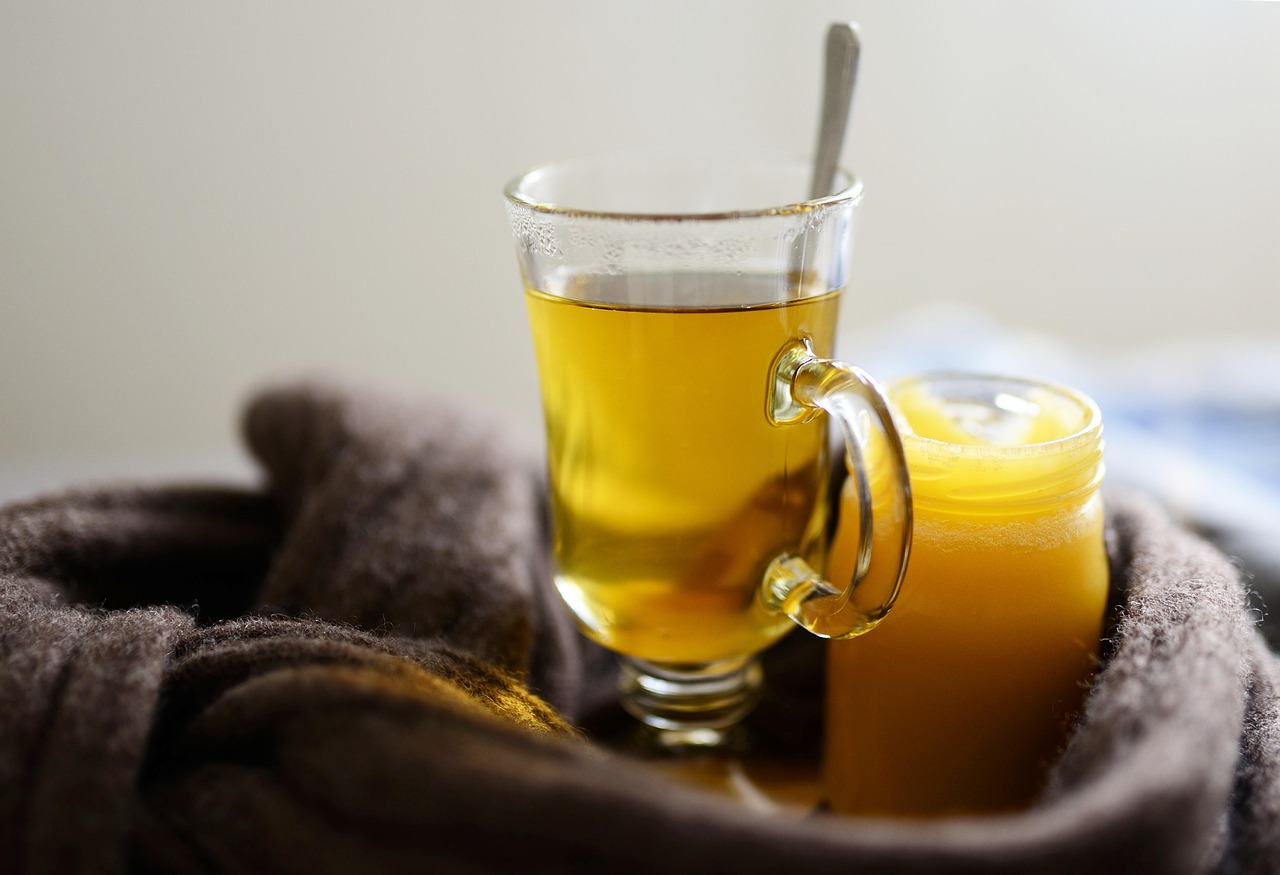
- 2 parts elderberry (dried, primary — decoct)
- 1 part echinacea root (primary — decoct)
- 1 part astragalus root (support — decoct)
- 1 part ginger root (accent — decoct)
- After simmering, add: ½ part peppermint (flavor, for the infusion step)
Decoct the roots and berries together for 20 minutes. Remove from heat, add peppermint, steep covered 5 more minutes. Strain and sweeten with honey.
5. Focus and mental clarity

- 2 parts tulsi / holy basil (primary)
- 1 part rosemary (primary)
- 1 part peppermint (support, flavor)
- ½ part ginkgo leaf (support, optional)
Use 1–2 teaspoons per cup, infuse covered 8 minutes. Morning or early afternoon.
Measuring: Teaspoons vs Weight
For casual blending, you can measure by teaspoons — a rough approximation of “parts.” For precise or medicinal work, measure by weight. Different herbs have very different densities (1 teaspoon of dried rose petals weighs far less than 1 teaspoon of crushed cinnamon bark), so weight measurement gives more consistent results from batch to batch.
A simple approach: make a 1-ounce test batch first. If you like the flavor and effect, scale up to 4 or 8 ounces using the same ratio by weight.
Herbs NOT for Daily Long-Term Tea
Most culinary and common medicinal herbs are safe for daily tea consumption. A few deserve caution:
- Comfrey leaf (Symphytum officinale) — pyrrolizidine alkaloids cause liver damage with long-term or high-dose use. Not for tea. Not for internal use in pregnancy, lactation, or any other context. Topical use only, on unbroken skin, for short periods.
- Coltsfoot (Tussilago farfara) — same pyrrolizidine alkaloid concern as comfrey. Avoid internal use entirely, including in pregnancy and lactation.
- Licorice root (Glycyrrhiza glabra) — at high doses or chronic use, causes potassium loss, fluid retention, and elevated blood pressure. Small amounts (½ teaspoon occasional) are fine; don’t build a blend around it. Avoid in pregnancy — licorice at medicinal doses is associated with preterm birth risk and hypertension. Drug interactions: potentiates corticosteroids and digoxin; contraindicated with potassium-wasting diuretics. Max daily dose: ≤3 g dried root occasionally for healthy adults; avoid chronic daily use.
- Senna, cascara sagrada, other stimulant laxatives — not for daily use.
- Valerian — safe, but the taste and sedation profile make it more appropriate for occasional use or specific sleep blends than daily tea.
- Sage (Salvia officinalis) — culinary amounts are fine; large medicinal doses long-term are not recommended due to thujone content. Avoid medicinal-dose sage during pregnancy and lactation — thujone content; reduces milk supply. Drug interactions: additive CNS sedation with benzodiazepines; may lower seizure threshold in epilepsy. Max daily dose: culinary use only (≤1 g dried leaf/day); avoid medicinal-dose infusions beyond 1–2 weeks.
Safety Profile: Common Tea-Blending Herbs
Individual herb profiles may vary. For herb-specific guidance, see the species articles linked throughout this guide.
- Contraindications
- Asteraceae allergy (chamomile cross-reactivity with ragweed affects ~5-10% of allergic individuals). High-dose licorice in hypertension, kidney disease. Sage at medicinal dose in epilepsy (thujone). Comfrey and coltsfoot internally in any context (pyrrolizidine alkaloids).
- Drug interactions
- Chamomile + warfarin/anticoagulants (theoretical bleeding risk). Licorice + diuretics, potassium-wasting drugs, corticosteroids (potentiates). Sage + sedatives (additive CNS). Peppermint + cyclosporine (reduces absorption). Valerian + benzodiazepines/alcohol (additive sedation).
- Pregnancy / lactation
- Avoid medicinal doses of: licorice (preterm birth risk, hypertension), sage (thujone; reduces milk supply), mugwort, pennyroyal, comfrey, coltsfoot. Food-amount tea of: chamomile, ginger, peppermint, rooibos — generally considered safe with clinician input. Red raspberry leaf is traditionally used in late pregnancy but should be discussed with a midwife or clinician first.
- Maximum recommended daily dose
- Most culinary-herb teas: up to 3–4 cups/day. Medicinal-strength infusions of single herbs: consult species-specific dose ceilings (e.g. chamomile standardized extract ≤1100 mg; valerian ≤900 mg; licorice ≤3 g dried root occasionally).
- Do not use if
-
- You are pregnant or lactating and the blend contains licorice (medicinal dose), sage (medicinal dose), mugwort, pennyroyal, or blue cohosh
- You have an Asteraceae/ragweed allergy (avoid chamomile, calendula, echinacea, yarrow)
- You have hypertension and the blend contains licorice root
- You take warfarin or other anticoagulants without clinician review
- You have epilepsy and the blend contains medicinal-dose sage or wormwood
Storage
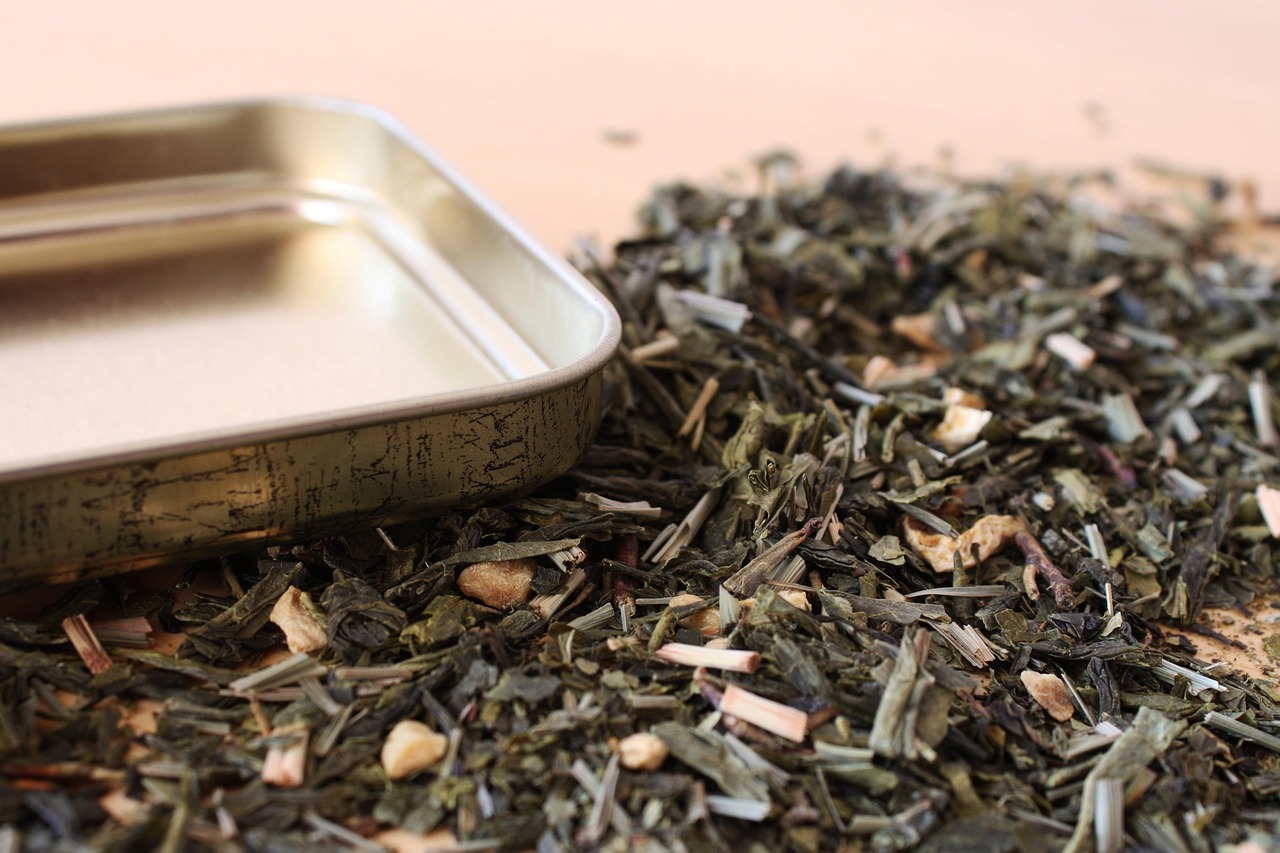
Store dried herbs whole (not pre-powdered) in airtight glass jars, out of direct light and heat. Most dried herbs retain good potency for 1–2 years; roots and barks for longer, delicate flowers and leaves for less. Label every jar with the contents and the date you acquired or dried it. When buying, look for herbs that are still vividly colored and aromatic — grey, dusty, or odorless herbs are old and weak regardless of what the label says.
Frequently Asked Questions
How do I know how much to make?

For a single cup, use 1–2 teaspoons of blend. For a daily quart infusion, use 1 ounce (about 28 g) of blend. For storage, mix enough dried herbs to fill a pint or quart mason jar — that’s typically 3–6 months of daily use for one person.
Can I blend fresh and dried herbs together?
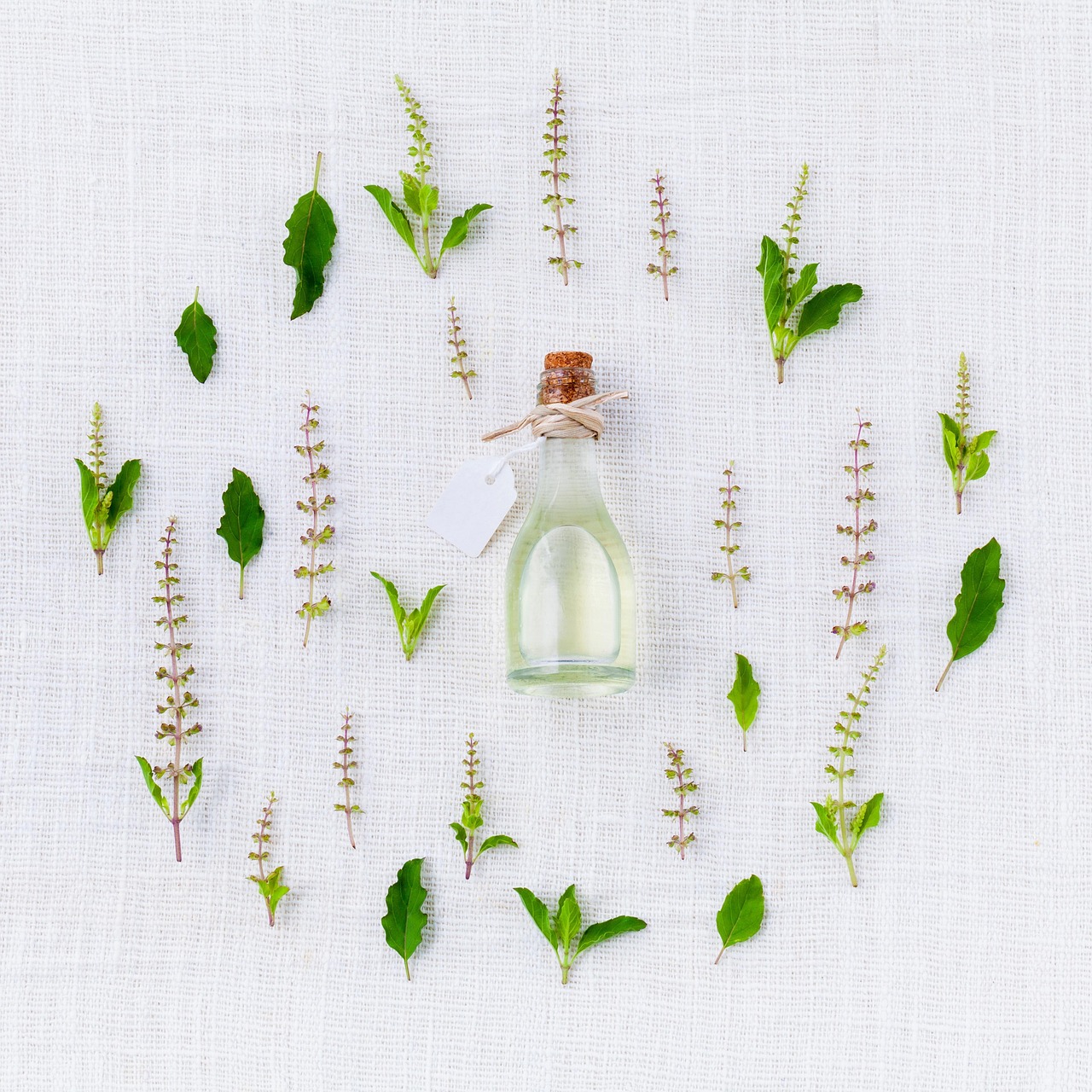
You can, but use about twice as much fresh as you would dried to account for the water weight. Fresh herbs also reduce the shelf life of the blend significantly — blends with fresh herbs should be used within a day or two.
What water should I use?

Filtered water is ideal. Hard water can affect both flavor and extraction; very soft water sometimes tastes flat. Spring water is traditional; tap water is fine in most places.
The Bottom Line
Once you understand the four-role framework (primary, support, flavor, accent) and the infusion/decoction distinction, you stop needing recipes and start designing your own. Pick a purpose, choose 3–5 herbs that serve that purpose, check whether any of them need decocting, and test a small batch. That’s the entire skill.
The herbs you’ll use most — chamomile, lemon balm, peppermint, nettle, ginger, elderberry, rose hips — are inexpensive and widely available. A starter cabinet of 10–15 dried herbs will let you build a year’s worth of blends for sleep, digestion, daily nutrition, and cold season support.
See also: best herbs for sleep, chamomile benefits, nettle benefits.
References
- Gladstar R. “Rosemary Gladstar’s Medicinal Herbs: A Beginner’s Guide.” Storey Publishing, 2012.
- Moore M. “Medicinal Plants of the Pacific West.” Red Crane Books, 1993.
- Hoffmann D. “Medical Herbalism: The Science and Practice of Herbal Medicine.” Healing Arts Press, 2003.