Turmeric is the most heavily marketed “anti-inflammatory” supplement of the past decade, and in the middle of the marketing there is a genuine research story — and a recent safety signal that changes the conversation. In 2022 and 2023, case reports began appearing in the medical literature documenting turmeric-induced hepatotoxicity in otherwise healthy adults taking common supplement doses. Memorial Sloan Kettering’s review explicitly notes “multiple 2022-2023 case reports” of turmeric-induced liver injury (MSK About Herbs).
That doesn’t mean turmeric is dangerous — cooking with it is safe, and many of the clinical studies have been positive. It means the supplement version, at the high doses and novel formulations on the market now, deserves more respect than it usually gets. This guide covers what the clinical research actually supports (osteoarthritis is the strongest case), the bioavailability problem that drives most of the formulation options, and the hepatotoxicity concerns you should factor into any decision to use turmeric supplements.
Key Takeaways
- Osteoarthritis has the strongest clinical evidence — multiple meta-analyses show curcumin comparable to NSAIDs for OA pain with a better tolerability profile.
- Curcumin has severe bioavailability problems — plain turmeric powder is poorly absorbed. Formulations like Meriva, Theracurmin, BCM-95, and liposomal curcumin exist to address this.
- 2022–2023 case reports documented turmeric-induced liver injury at supplement doses, particularly with high-bioavailability formulations (MSK).
- Multiple drug interactions — warfarin, NSAIDs, chemotherapy agents, iron absorption.
- Culinary turmeric is safe. The concerns are specifically about concentrated supplement doses, not food.
Turmeric vs Curcumin: The Critical Distinction

.jpg)
When people say “turmeric,” they might mean one of two things:
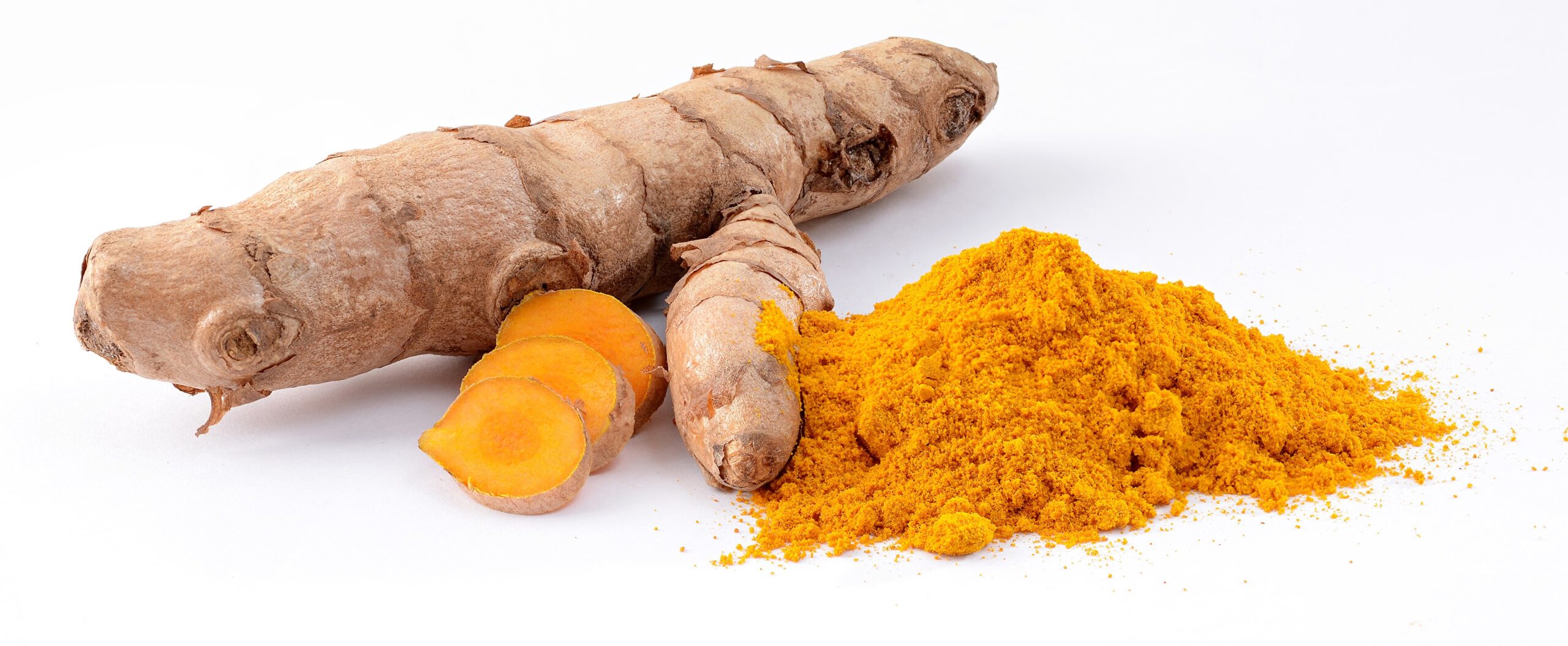
- Turmeric root — the whole dried rhizome of Curcuma longa, ground into the orange powder you cook with. Contains a wide array of compounds, including curcumin, demethoxycurcumin, and bisdemethoxycurcumin (the “curcuminoids”), along with aromatic oils.
- Curcumin — the single most studied curcuminoid, usually extracted and concentrated to 95% purity for supplement use. This is what’s in most “turmeric” capsules.
Almost all of the clinical research is on concentrated curcumin extract, not whole turmeric powder. When a study says “1 g of curcumin daily reduced X,” they are not talking about a teaspoon of the spice from your pantry.
The Bioavailability Problem

_molida,_2020-06-23,_DD_16-24_FS.jpg)
Here is the central problem with turmeric supplementation: curcumin has terrible oral bioavailability. Plain curcumin, taken by itself, is poorly absorbed from the gut, rapidly metabolized in the liver, and largely excreted before it can reach therapeutic blood levels. MSK notes curcumin has “inherent poor absorption, rapid metabolism” that limits its clinical effectiveness.
This is why the supplement industry has developed a series of enhanced formulations, each claiming to solve the bioavailability issue:
- Piperine (black pepper extract): The cheapest and most common approach. Piperine inhibits the enzymes that break down curcumin, increasing absorption by up to 2,000% in one well-cited study. Effective but crude — piperine also affects the metabolism of many pharmaceutical drugs, creating interaction concerns.
- Phytosomal curcumin (Meriva): Curcumin bound to phosphatidylcholine. Significantly higher absorption than plain curcumin without the pepper interaction concern.
- Theracurmin: Colloidal submicron dispersion. Multiple trials show improved blood levels.
- BCM-95 / Curcugreen: Curcumin combined with turmeric essential oils.
- Liposomal curcumin: Encapsulated in lipid vesicles for absorption.
The clinical trials that show the strongest positive effects for osteoarthritis, inflammation, and depression generally use one of these enhanced formulations, not plain curcumin powder. If you buy a cheap turmeric capsule without a bioavailability enhancer, you are probably not getting the effect the research describes.
What the Clinical Evidence Supports

Osteoarthritis (strongest evidence)

.jpeg)
Daily et al. 2016 published a meta-analysis of turmeric/curcumin trials for arthritis in the Journal of Medicinal Food. The conclusion: curcumin at doses around 1000 mg/day reduced arthritis symptoms, with effects comparable to common NSAIDs but with better tolerability. Multiple subsequent trials have reinforced this finding. This is the single most robust use case for turmeric supplementation.
Inflammation markers


Multiple trials have measured inflammatory biomarkers (CRP, IL-6, TNF-α) in response to curcumin supplementation, with generally positive but modest effects. The clinical meaning of these biomarker changes is less clear than pain outcomes in arthritis.
Depression (preliminary)


Several small trials have examined curcumin for major depressive disorder with mixed-positive results. A Lopresti et al. 2017 trial found curcumin significantly improved depression scores. This is promising but preliminary — not yet at the level of evidence for SSRIs or well-validated therapy.
Cancer (preclinical mostly)


Curcumin has extensive preclinical anticancer data in cell culture and animal models. Translation to human cancer treatment has been disappointing so far, partly because of the same bioavailability problem. MSK specifically warns against combining turmeric with chemotherapy drugs — more on that below.
The Hepatotoxicity Concerns


This is the section supplement marketing skips. Starting around 2022, case reports began appearing in the hepatology literature describing acute liver injury in patients taking turmeric supplements. The pattern in most cases:
- Previously healthy adults taking turmeric/curcumin supplements at doses within the normal supplement range.
- Development of elevated liver enzymes, jaundice, fatigue.
- Resolution after discontinuing the supplement, in most cases.
- Several cases involved high-bioavailability formulations — which makes biological sense, because these formulations deliver dramatically more curcumin to the liver than plain turmeric.
MSK’s review acknowledges “multiple 2022-2023 case reports document ‘turmeric-induced hepatotoxicity’ with liver injury.” Italian researchers (Lombardi et al. 2023) published a case series in a hepatology journal and flagged this as an emerging safety signal.
What this means in practice:
- If you have any pre-existing liver condition, do not take turmeric supplements without clinician supervision.
- If you take turmeric supplements and develop unusual fatigue, jaundice, dark urine, or abdominal discomfort, stop immediately and see a doctor.
- High-bioavailability formulations may actually carry higher risk than plain curcumin — “more absorbed” is not automatically “safer.”
- Culinary use (cooking with turmeric in food) has not been associated with hepatotoxicity and is not the concern here.
Drug Interactions


Turmeric/curcumin has a number of meaningful drug interactions:
- Anticoagulants (warfarin, aspirin, ibuprofen): MSK warns curcumin “may lessen the effects of these medications” — and also that curcumin has antiplatelet activity that can increase bleeding risk. Either way, talk to your prescriber.
- Chemotherapy: MSK notes that “laboratory studies show turmeric stopped some chemotherapy medications from working” — specifically doxorubicin and cyclophosphamide. Do not combine turmeric supplements with chemotherapy without your oncologist’s approval.
- Iron absorption: Curcumin binds iron and reduces absorption. People with iron-deficiency anemia should avoid high-dose turmeric.
- Gallbladder disease: Turmeric stimulates gallbladder contraction and is contraindicated in patients with gallstones or bile duct obstruction.
- CYP3A4 substrates: Curcumin and especially piperine-enhanced curcumin affect the metabolism of many prescription drugs. A pharmacist consultation is wise if you take multiple medications.
Safety Profile: Turmeric (Curcuma longa)
- Contraindications
- Gallstones or bile duct obstruction: turmeric stimulates gallbladder contraction and bile flow, which can trigger pain and worsen obstruction — this is a firm contraindication for supplement use. Bleeding disorders: curcumin has significant antiplatelet activity; use with active bleeding disorders or upcoming surgery (within 2 weeks) is contraindicated. Pre-existing liver disease warrants caution given 2022–2023 case reports of turmeric-induced hepatotoxicity at supplement doses, particularly with high-bioavailability formulations.
- Drug interactions
- Anticoagulants and antiplatelets (warfarin, aspirin, NSAIDs, clopidogrel): curcumin enhances antiplatelet activity and may reduce warfarin effectiveness or increase bleeding risk — MSK specifically warns of this interaction. Chemotherapy agents: laboratory and clinical data show turmeric may reduce the effectiveness of doxorubicin and cyclophosphamide; do not combine with chemotherapy without oncologist approval. Diabetes medications (metformin, sulfonylureas, insulin): curcumin may enhance hypoglycemic effect; monitor blood glucose. CYP3A4 substrates: curcumin and especially piperine-enhanced formulations affect CYP enzyme activity, potentially altering levels of many prescription drugs. Iron supplements: curcumin chelates iron and reduces absorption; avoid combining if you have iron deficiency anemia.
- Pregnancy / lactation
- Culinary amounts of turmeric used in cooking are safe during pregnancy and breastfeeding. Medicinal-dose turmeric supplements (500 mg+ curcumin equivalent) should be avoided during pregnancy — curcumin has demonstrated uterine-stimulant activity in animal studies, and the safety of concentrated curcumin formulations in human pregnancy has not been established. During breastfeeding, culinary use is accepted; supplement doses are not recommended without clinical guidance due to lack of safety data.
- Maximum recommended daily dose
- Curcuminoids: ≤2 g/day (EFSA ADI, 2010); clinical trials for osteoarthritis typically use 500–1,000 mg curcumin equivalent/day. Whole turmeric powder as a spice has no established ceiling and is safe at culinary quantities. Enhanced-bioavailability formulations (Meriva, Theracurmin, BCM-95) should be used at their labeled research doses, not doubled, given the hepatotoxicity signal in concentrated preparations.
- Do not use if
-
- You have gallstones or any bile duct obstruction
- You are scheduled for surgery within 2 weeks (antiplatelet activity increases bleeding risk)
- You are taking warfarin or chemotherapy drugs without provider guidance
- You are pregnant and considering medicinal/supplement doses (culinary use is fine)
- You have iron deficiency anemia (curcumin reduces iron absorption and may worsen the deficiency)
How to Use Turmeric


In food. Cooking with turmeric is safe, genuinely useful, and does not carry the hepatotoxicity concerns associated with supplements. Black pepper, fat (oil or coconut milk), and heat all improve curcumin absorption modestly. Daily culinary use is a reasonable background practice without the downside of concentrated supplementation.
As a supplement for osteoarthritis. The clinical trials mostly used enhanced-bioavailability formulations at doses around 500–1000 mg curcumin equivalent per day. If you’re going to supplement, Meriva, Theracurmin, or BCM-95 are the most research-supported options. Avoid high-dose long-term use without periodic check-ins with a clinician.
As a golden milk / turmeric latte. Traditional preparation of turmeric with milk (or coconut milk), black pepper, and warming spices is a reasonable middle ground between food and supplement — higher dose than typical cooking, lower and less concentrated than capsules.
Frequently Asked Questions
Is it safe to take turmeric every day?


Culinary use — yes, daily, indefinitely. Concentrated supplements — more nuanced. At typical doses (500–1000 mg/day of curcumin equivalent) most people tolerate turmeric supplements well, but the 2022–2023 hepatotoxicity case reports mean that high-dose chronic use carries a small but real liver risk that did not appear in the research literature before. Check in with a healthcare provider, especially if you are taking supplements for more than a few months.
Should I buy turmeric with black pepper?


Piperine dramatically increases curcumin absorption, but it also affects the metabolism of many pharmaceutical drugs. If you take prescription medications, the pharmacologically cleaner choice is a phytosomal or liposomal curcumin formulation instead of a piperine-enhanced one.
Can turmeric replace my NSAIDs for arthritis?
Maybe — the meta-analyses show comparable pain reduction for osteoarthritis, with a better GI tolerability profile. But this is a conversation for your doctor, not a decision to make alone, especially if you’ve been on chronic NSAID therapy.
The Bottom Line
Turmeric is genuinely supported by clinical research for osteoarthritis, with more tentative evidence for other inflammatory and mood indications. The bioavailability problem means that cheap plain curcumin capsules are probably underdelivering, while enhanced formulations (Meriva, Theracurmin, BCM-95) do deliver — but may also be the ones implicated in the recent hepatotoxicity case reports.
The sensible middle ground: cook with turmeric liberally, enjoy the traditional golden milk preparations, and if you’re going to supplement, do it at a modest dose, with a research-supported formulation, with periodic liver monitoring if you continue for more than a few months, and not while on anticoagulants or chemotherapy.
See also: herbs for inflammation, herbs for focus.
References
- Memorial Sloan Kettering Cancer Center. “Turmeric” About Herbs. mskcc.org
- Daily JW, Yang M, Park S. “Efficacy of Turmeric Extracts and Curcumin for Alleviating the Symptoms of Joint Arthritis: A Systematic Review and Meta-Analysis of Randomized Clinical Trials.” J Med Food. 2016;19(8):717–729.
- Hewlings SJ, Kalman DS. “Curcumin: A Review of Its Effects on Human Health.” Foods. 2017;6(10):92.
- Lombardi N et al. “Acute liver injury following turmeric use in Tuscany: An analysis of the Italian Phytovigilance database and systematic review of case reports.” Br J Clin Pharmacol. 2021;87(3):741–753.