Of all the functional mushrooms on supplement store shelves, turkey tail (Trametes versicolor) has something none of the others can claim: a polysaccharide extract that has been a legal prescription drug in Japan since 1977. It’s called PSK, or Krestin, and it has more human clinical evidence behind it than lion’s mane, reishi, chaga, and cordyceps combined.
That alone makes turkey tail worth understanding. But the story has important limits — turkey tail is an adjunct, not a treatment, and the way it’s framed in Japan is very different from the way it’s sold in American health food stores. This guide walks through what the research actually supports, how to distinguish the three main extracts (PSK, PSP, VPS), what it looks like in the wild, and how to use it responsibly.
Key Takeaways
- Turkey tail has the strongest clinical evidence of any functional mushroom — PSK has been an approved adjunctive cancer therapy in Japan since 1977 (MSK About Herbs).
- PSK appears to improve survival rates in gastric and colorectal cancer patients when used as adjuvant therapy after surgery (MSK).
- It is not a cancer cure. PSK is used alongside surgery and chemotherapy, not instead of them.
- Three different extracts exist — PSK (Japanese pharmaceutical), PSP (Chinese dietary supplement), VPS — and they are not interchangeable.
- Turkey tail is the easiest medicinal polypore to identify in the wild and can be foraged safely by beginners.
What Is Turkey Tail?
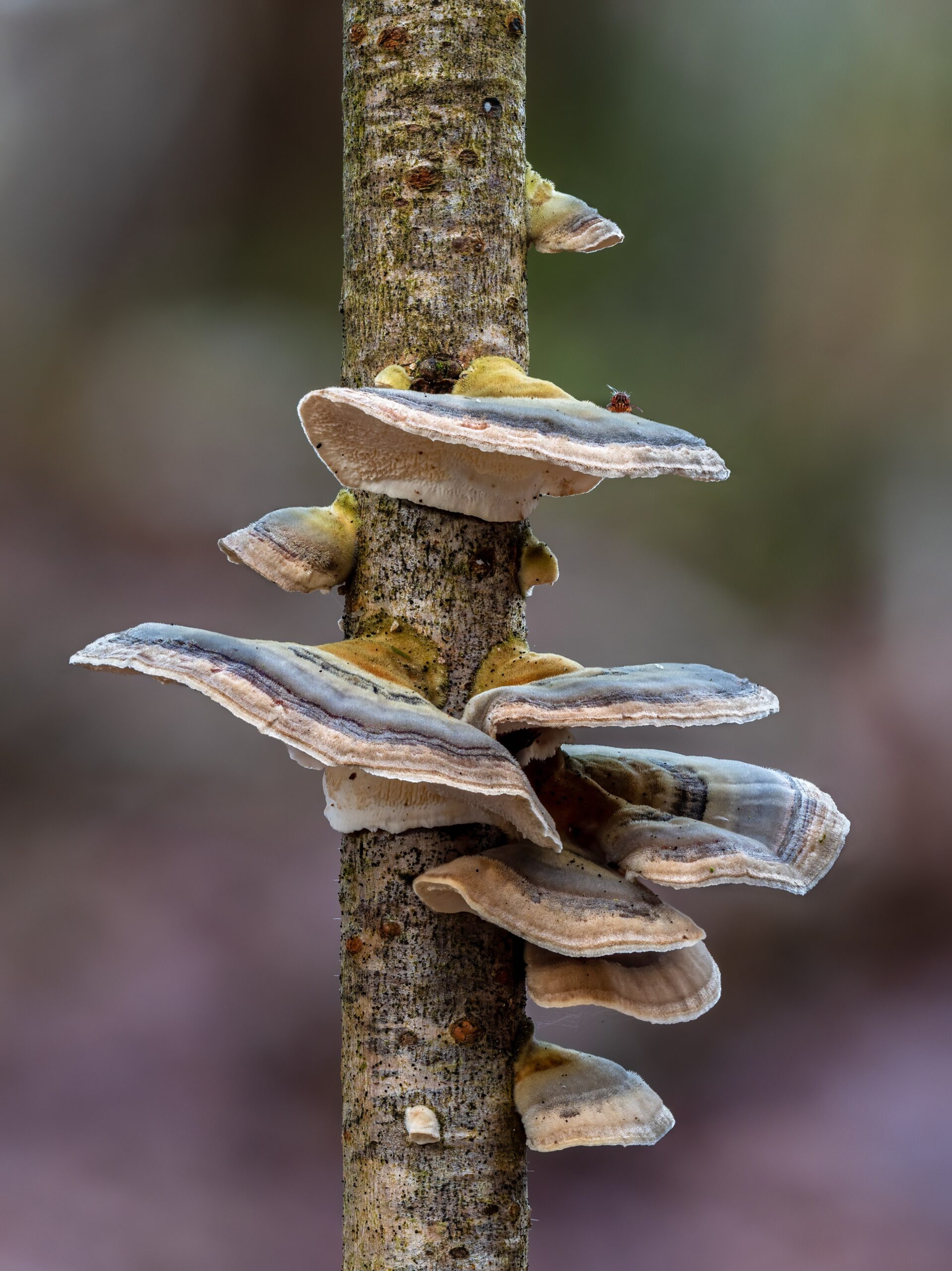

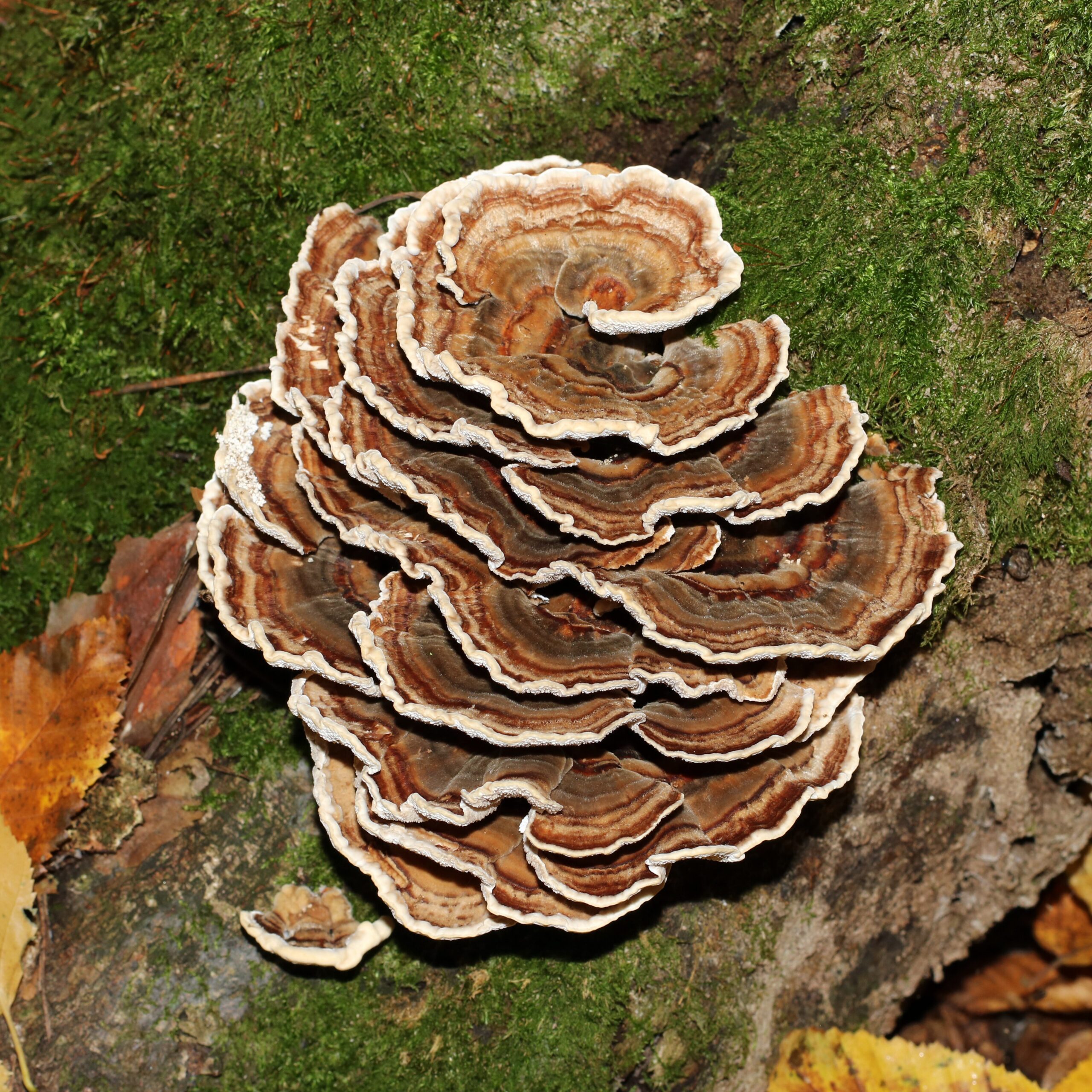
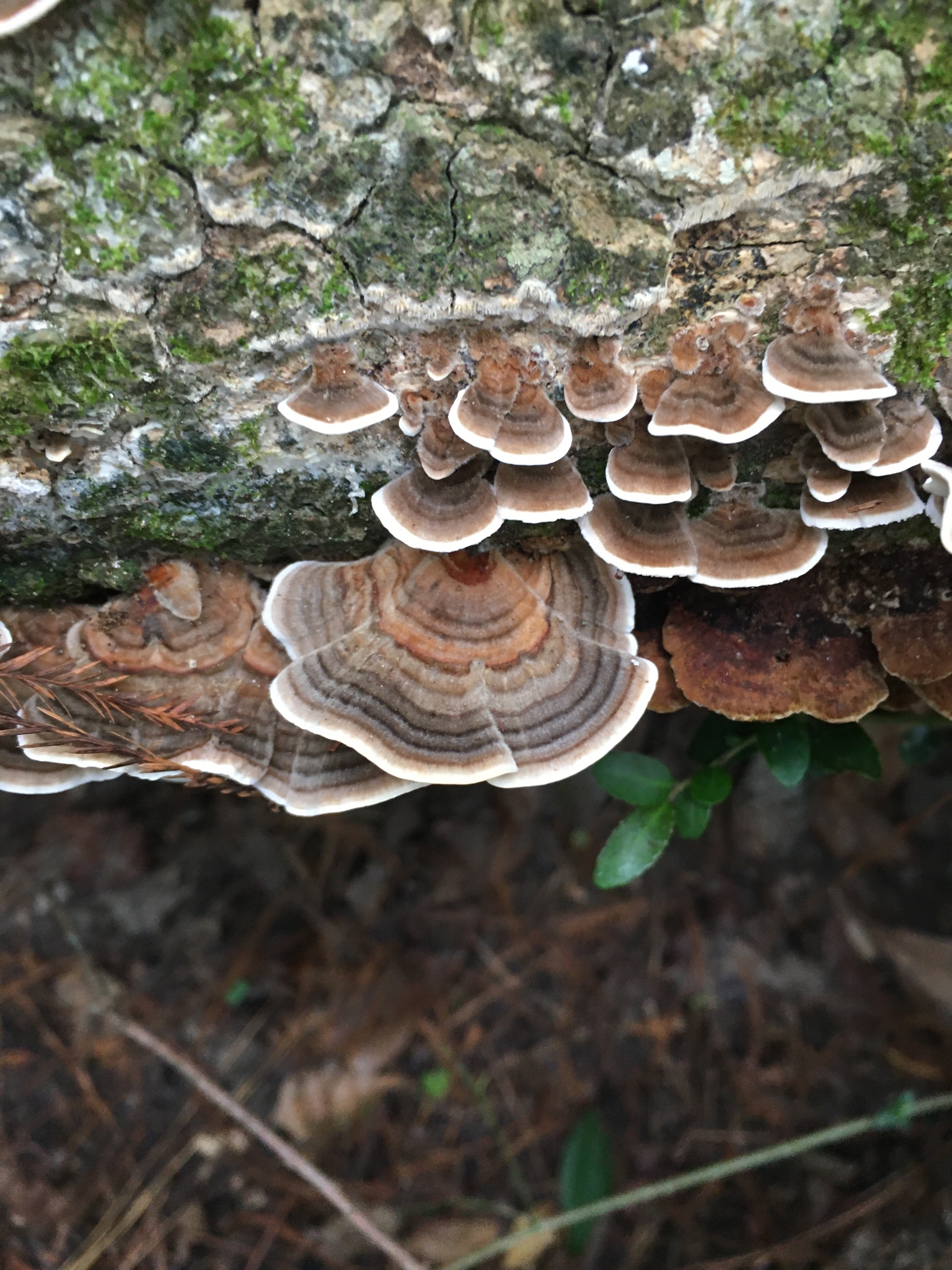
Turkey tail is Trametes versicolor (also called Coriolus versicolor, Polyporus versicolor, or Polystictus versicolor, depending on which taxonomist you ask). It’s a small, tough, fan-shaped polypore that grows in overlapping clusters on dead and dying hardwoods throughout temperate forests worldwide. Its common name comes from the obvious resemblance to a wild turkey’s tail feathers — concentric bands of brown, tan, gray, blue, and rust, with a finely-pored white underside.
It is almost certainly growing within walking distance of wherever you live. Turkey tail is one of the most abundant wood-decay fungi in North America.
The three extracts (and why the distinction matters)
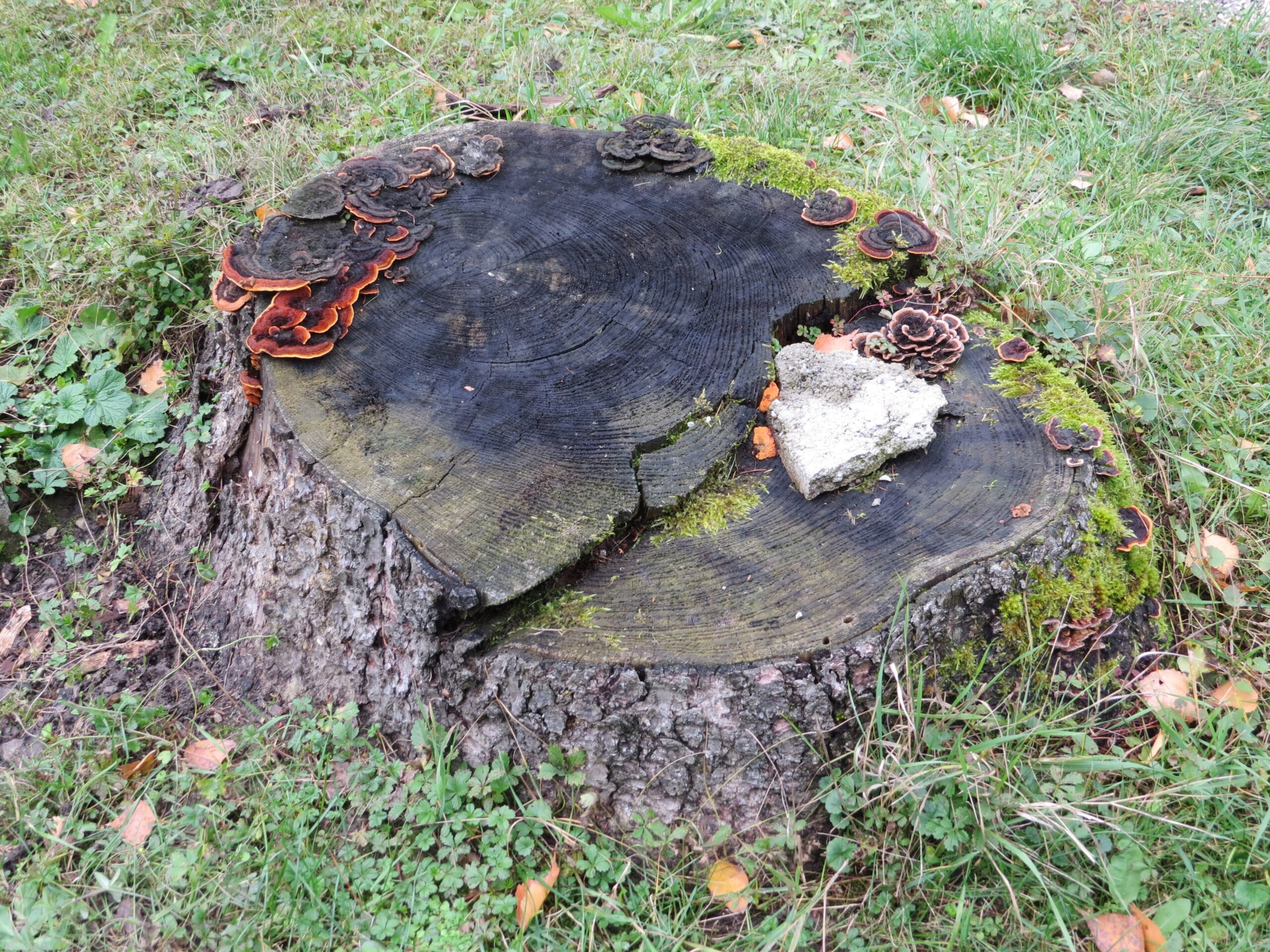
_Tree_stump_with_fungis_(Gloeophyllum_sepiarium,_Trametes_versicolor,_Trametes_versicolor,_Lenzites_betulina?)_at_Hauptfriedhof_St._Pölten.jpg)
When people talk about “turkey tail research,” they are almost always talking about one of three specific polysaccharide extracts:
- PSK (polysaccharide-K, brand name Krestin) — developed in Japan in the 1970s, approved as a prescription adjunctive cancer therapy in 1977. Most human clinical trials use this specific extract.
- PSP (polysaccharide-peptide) — developed in China, sold as a dietary supplement. Structurally similar to PSK but not identical.
- VPS — a related extract also sold as a dietary supplement.
The dietary supplements you can buy in the United States are PSP, VPS, or whole-mushroom extracts. They are not PSK, and you cannot buy PSK as a supplement in the US because it is classified as an unapproved pharmaceutical here. This matters when reading the research: most of the landmark “turkey tail” survival trials used PSK specifically, and we cannot assume dietary PSP supplements produce identical effects.
The Clinical Evidence

Memorial Sloan Kettering’s integrative oncology service summarizes the evidence this way: “PSK appears to improve survival rates in patients with gastric and colorectal cancers” when used as an adjuvant treatment after surgery (MSK About Herbs: Coriolus versicolor). Additional research has examined PSP in advanced non-small cell lung cancer with promising results, and mixed results for breast cancer and hepatocellular carcinoma.
That is a genuinely remarkable statement for a mushroom. Very few natural products have survival-benefit data from multiple controlled trials. PSK was the best-selling anticancer drug in Japan for a period in the 1980s.
But here is the honest framing we need to apply:
- PSK has been used alongside surgery and chemotherapy — not instead of them.
- The trials were conducted primarily in Japan and China; Western regulatory bodies have not approved PSK or PSP as cancer therapies.
- Structure-function claims only are legal for the dietary supplements sold in the US. Nothing on this page — and nothing on any supplement label — should be read as a claim that turkey tail treats, cures, or prevents cancer.
- If you or someone you love is facing a cancer diagnosis, the right place for this conversation is with an oncologist, not an herbal blog.
Mechanism: How Turkey Tail Modulates the Immune System

Preclinical research describes turkey tail polysaccharides as “biological response modifiers” — substances that adjust immune function rather than simply suppressing or stimulating it. The specific mechanisms documented in laboratory and animal studies include inducing apoptosis in leukemia cells, enhancing T-cell proliferation and cytokine production, and preventing chemotherapy-induced immune suppression (MSK).
The active compounds are beta-glucan polysaccharides — specifically, 1,3 and 1,6 beta-D-glucans bound to small protein fragments. These are the same class of compounds that drive immune effects in other medicinal mushrooms (reishi, shiitake, maitake), but PSK and PSP have a specific molecular profile that distinguishes them.
Foraging Turkey Tail
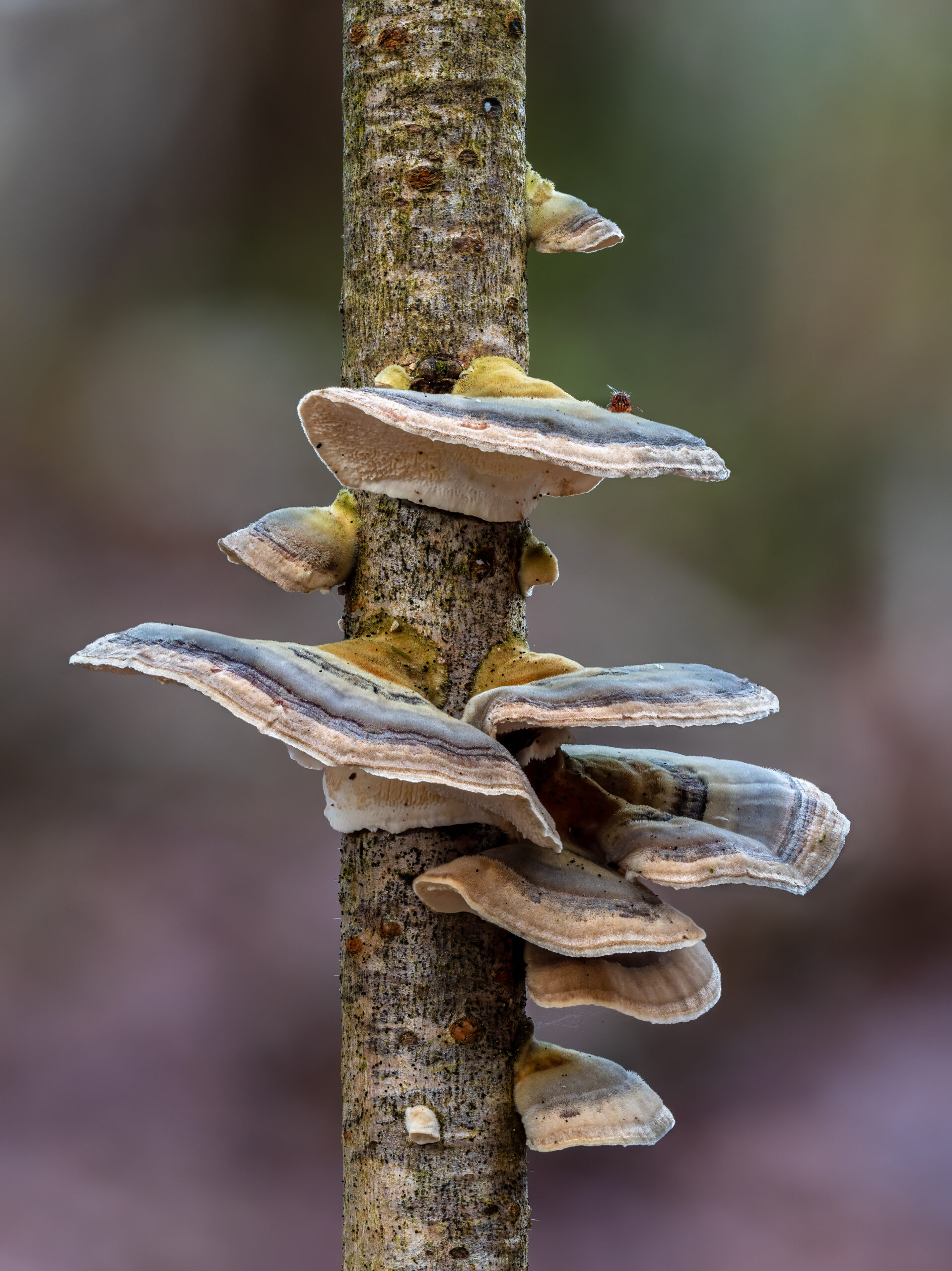

Turkey tail is the easiest medicinal polypore for a beginner forager to identify safely. Here’s what you need to know:
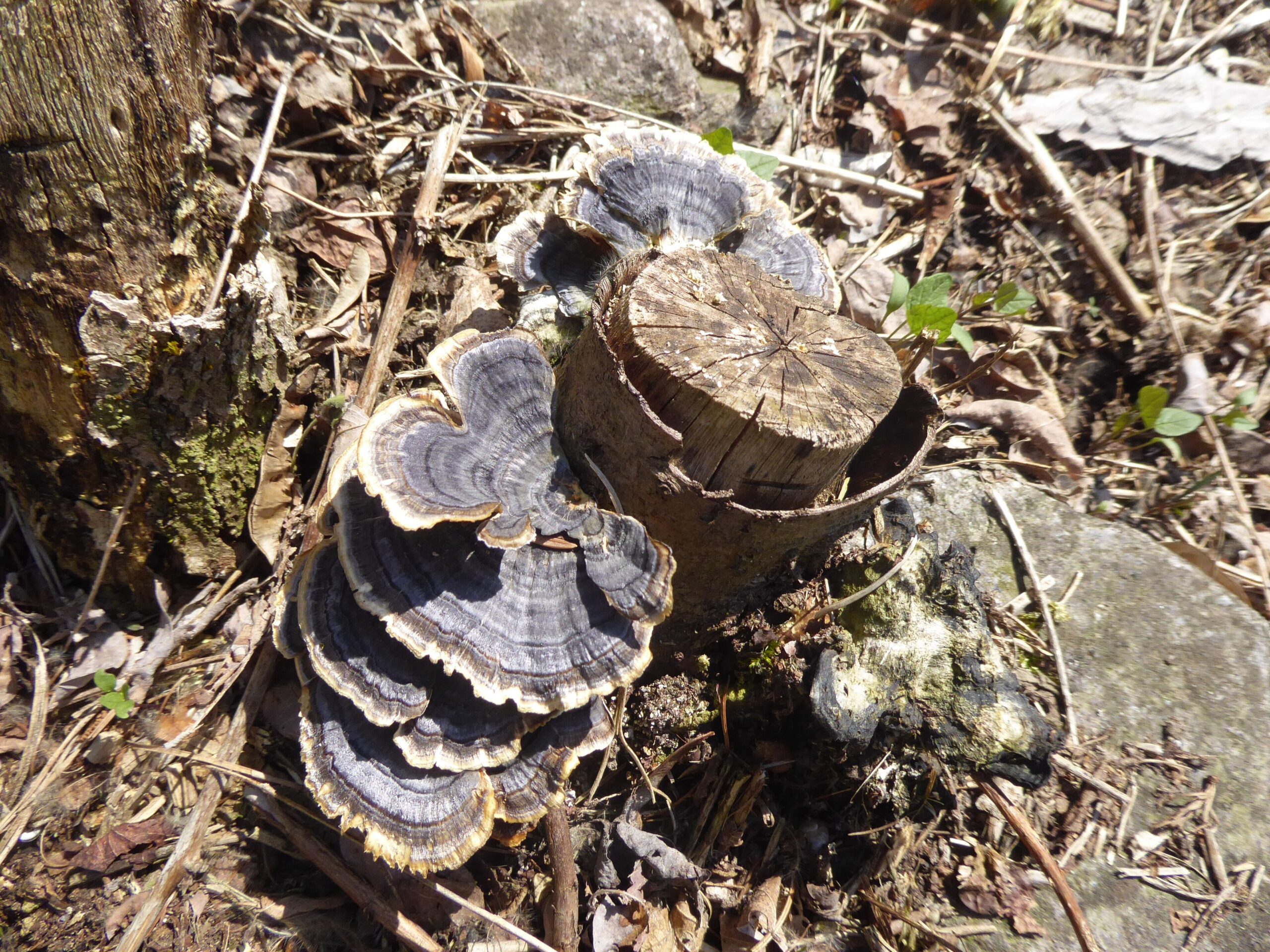
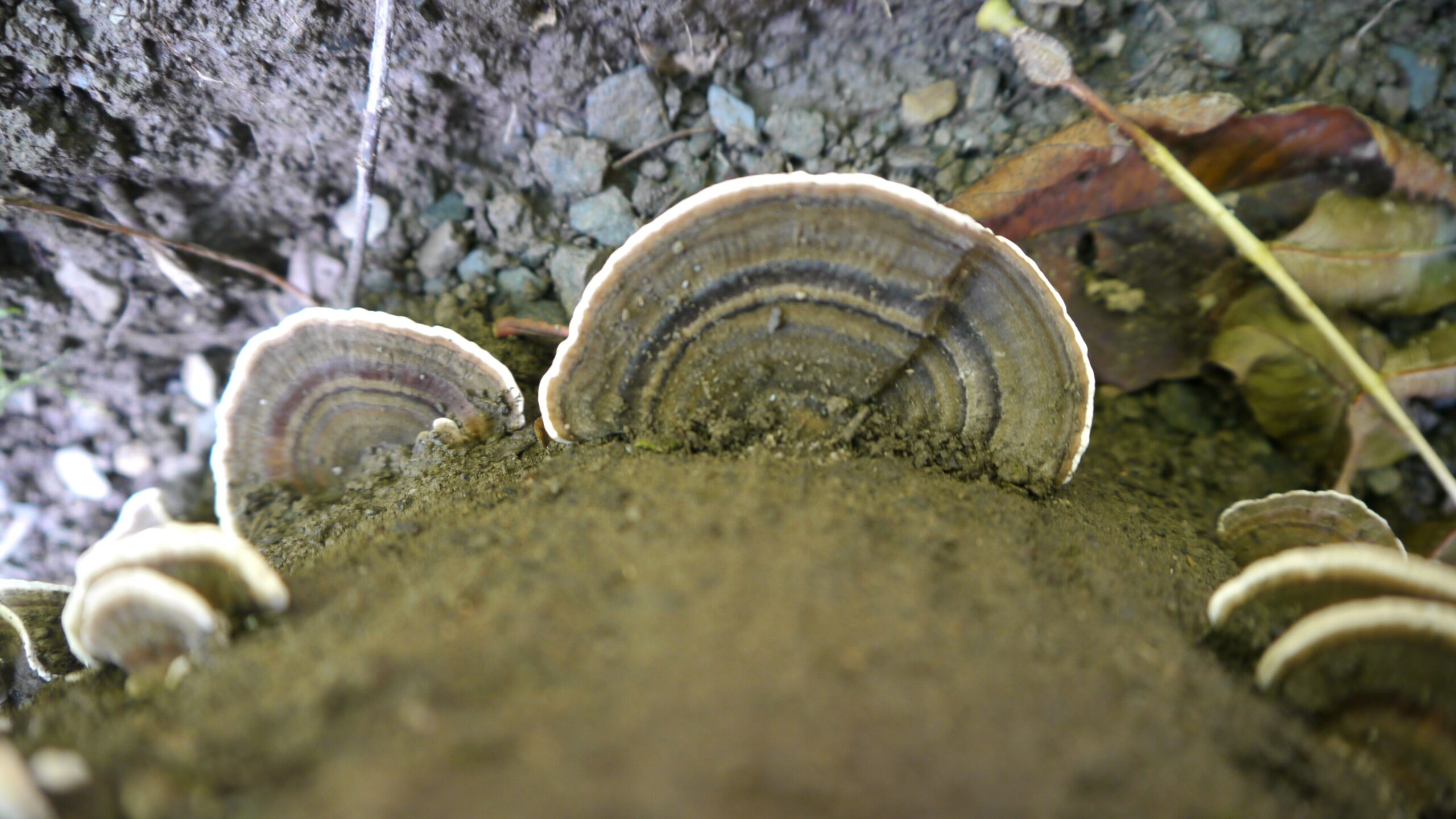
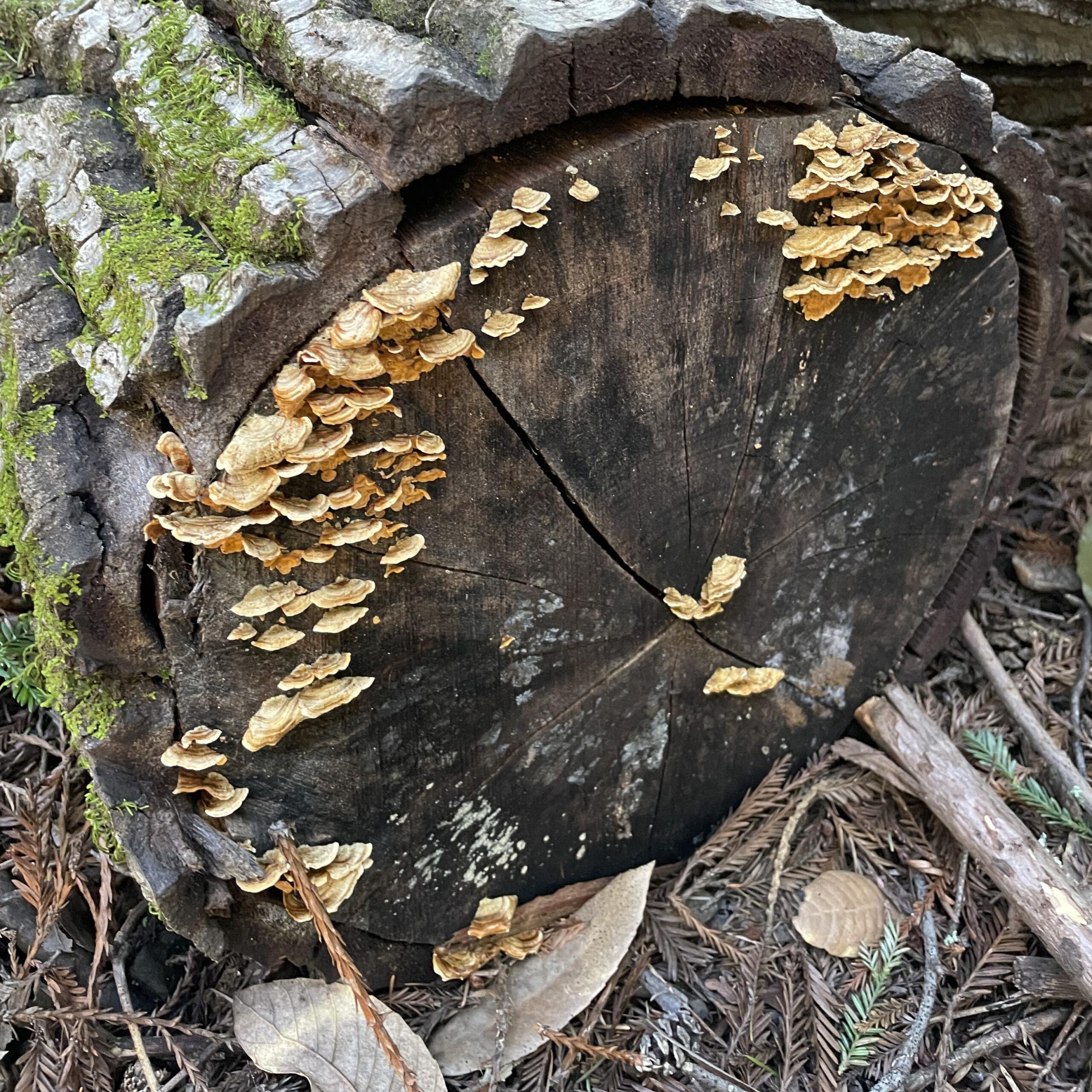
- Habitat: Dead and dying hardwood logs, stumps, and standing deadwood. Oak, maple, beech, birch — almost any temperate hardwood.
- Shape: Thin, flexible, fan-shaped brackets, usually 2–4 inches wide, growing in overlapping rosettes or shelves.
- Top surface: Concentric bands of alternating color (brown, tan, gray, rust, cream, sometimes blue or purple tones). The bands are fine and distinct.
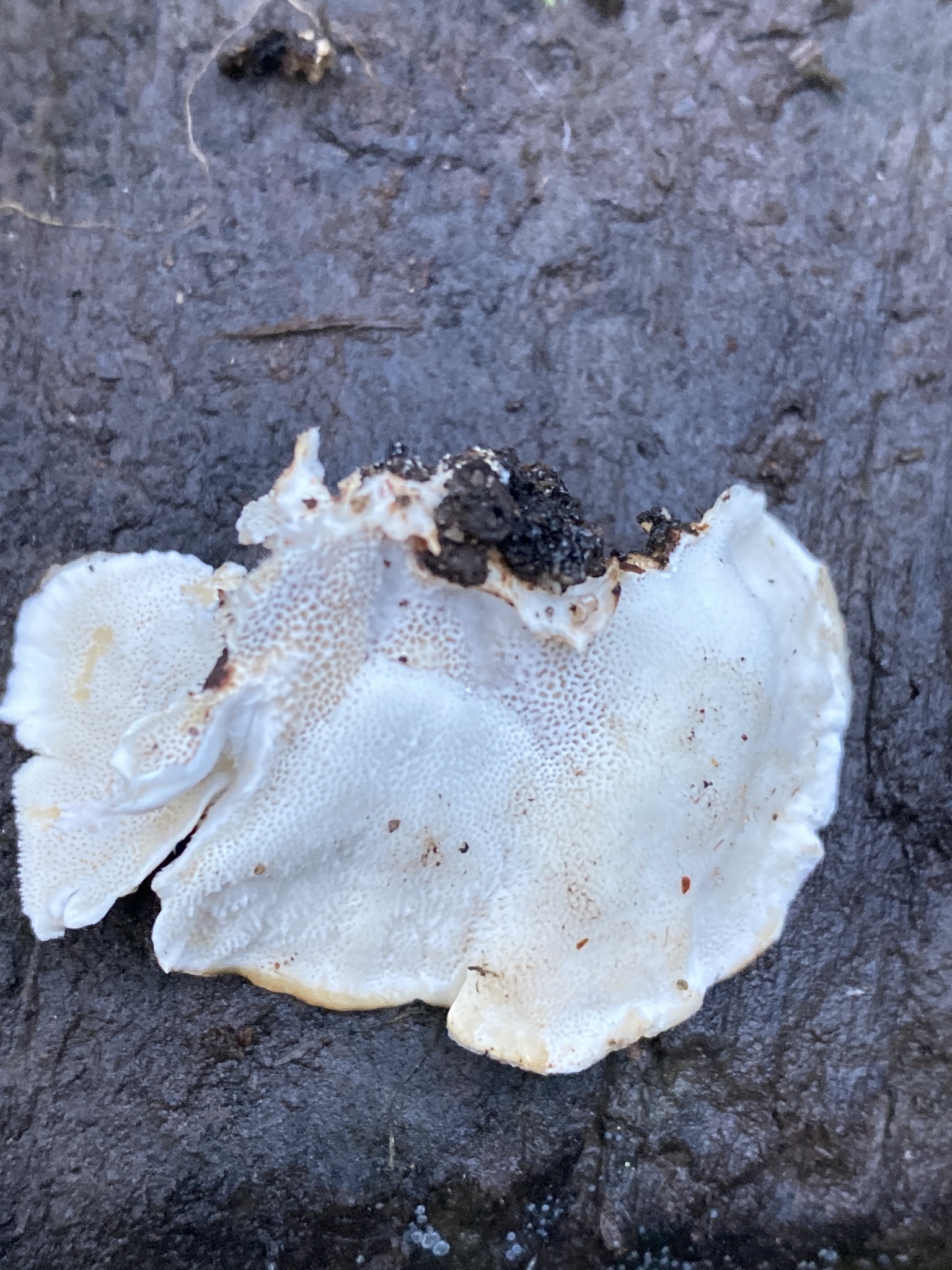
- Underside: This is the critical ID feature. A true turkey tail has small, uniform pores — not gills, not smooth. Pores are roughly 3–5 per millimeter. Hold it in good light and you should see a fine white peppering.
- Texture: Leathery and flexible when fresh; tough and papery when dry.
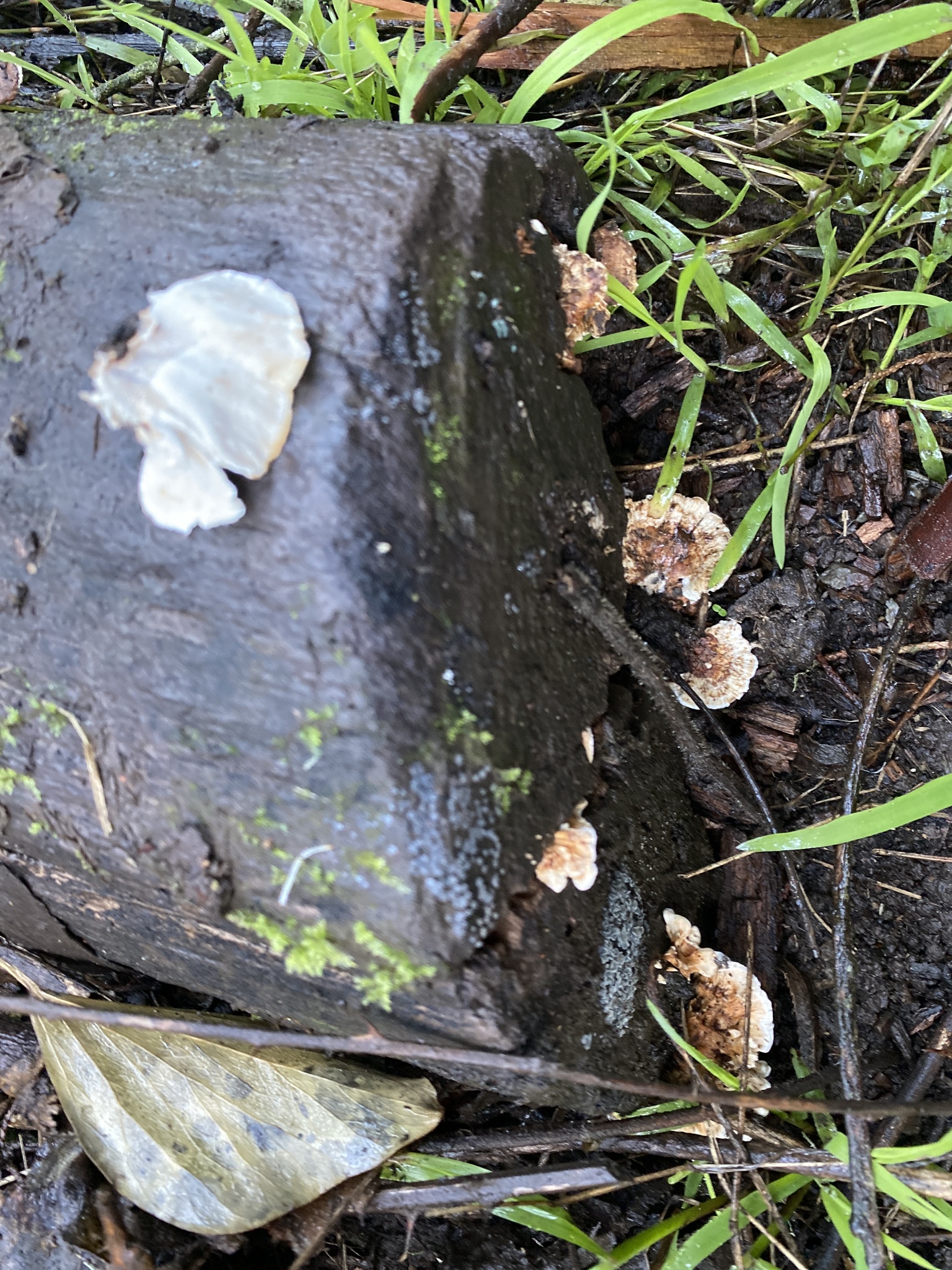
Lookalikes to rule out: False turkey tail (Stereum ostrea) has a smooth, wrinkly underside instead of pores — not toxic, but no medicinal value. Violet-toothed polypore (Trichaptum biforme) has a toothed or slit underside. Neither is dangerous, but neither is what you want.
If the underside is smooth or wrinkled rather than finely pored, it is not turkey tail. That single rule eliminates almost every lookalike you will encounter.
How to Prepare Turkey Tail
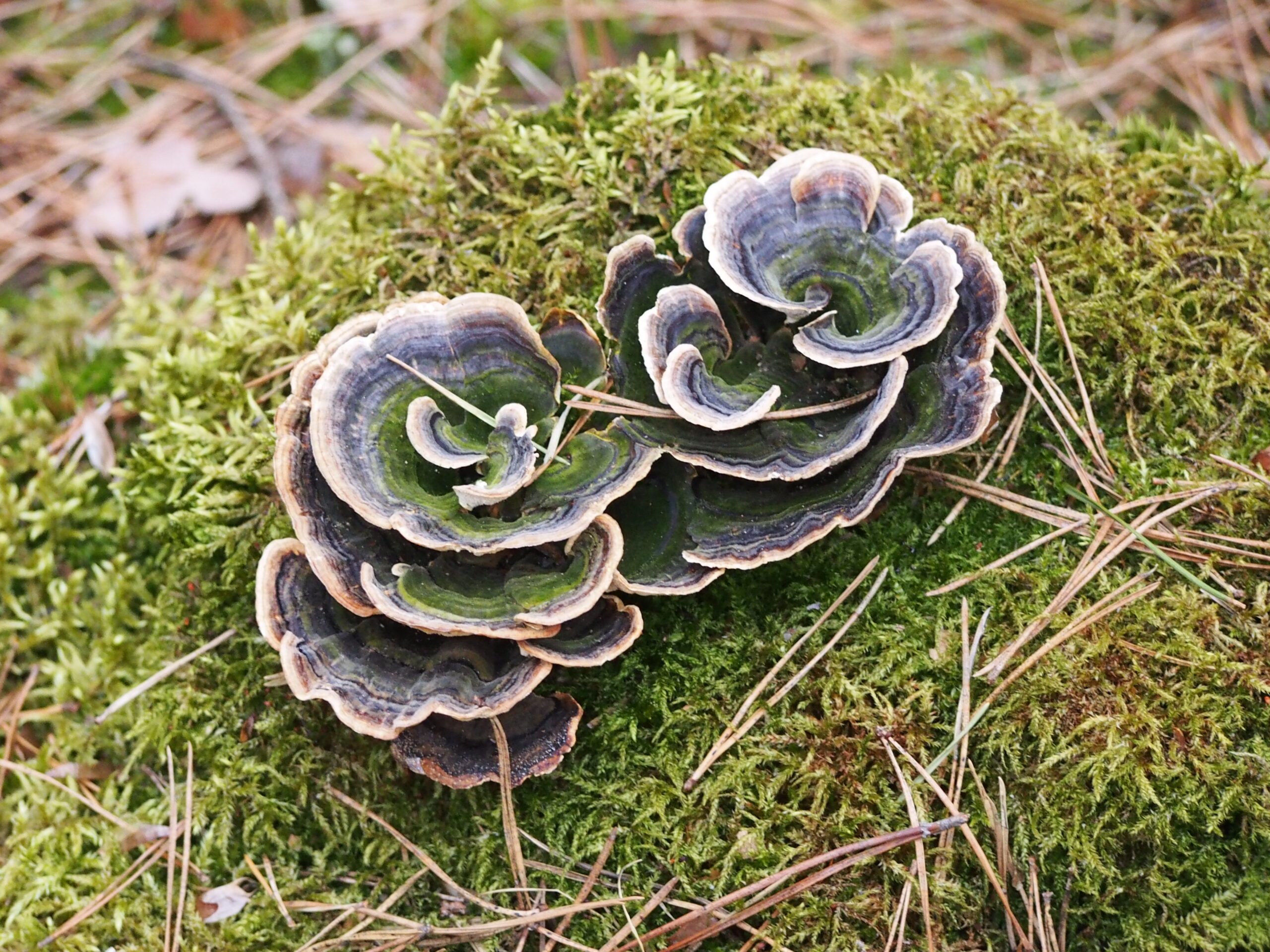

Turkey tail is tough and woody. You are not going to eat it like a portobello. The bioactive compounds need to be extracted, and for beta-glucan content, hot-water extraction is the minimum standard.
Simple decoction
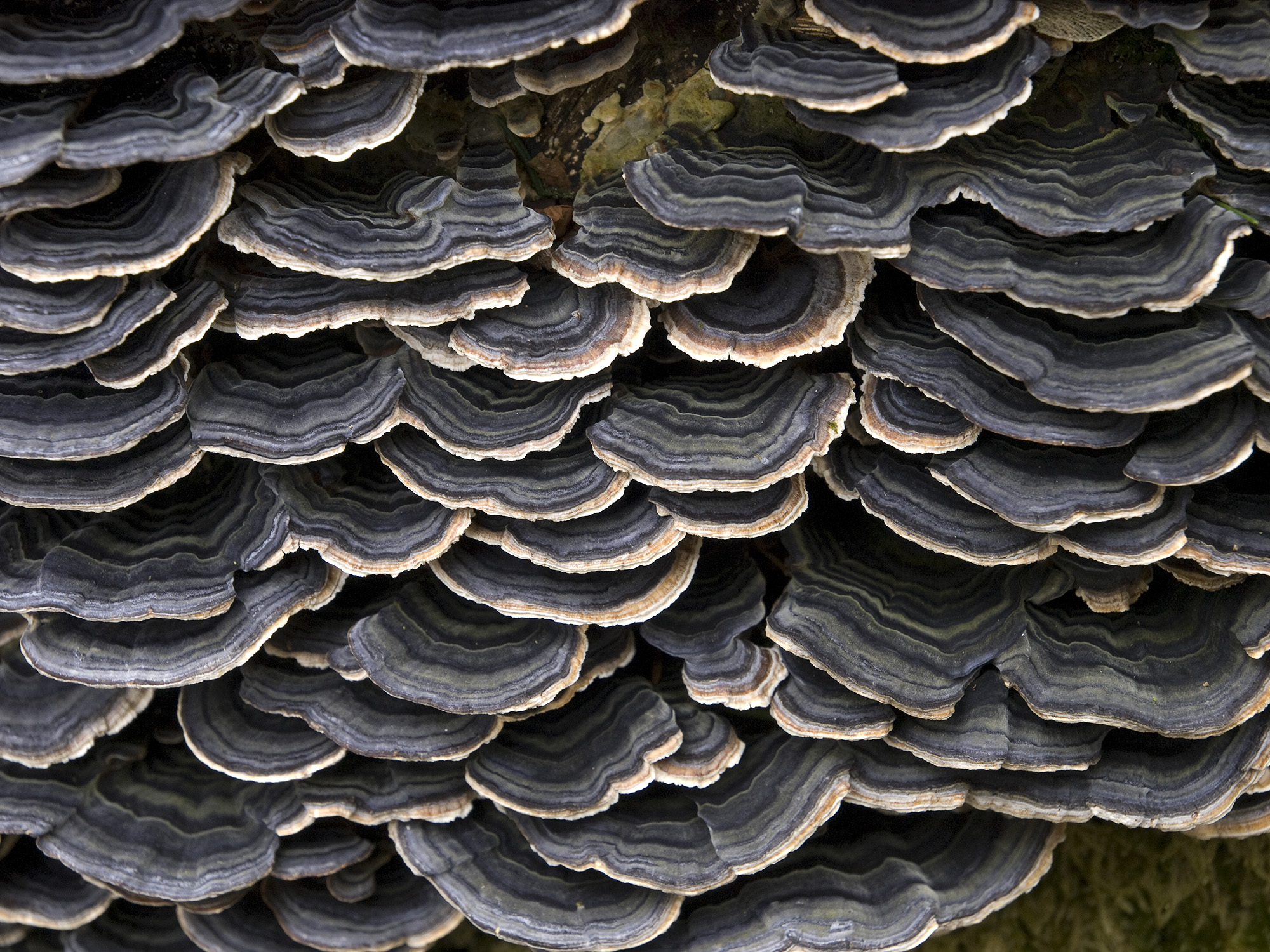

- Clean fresh or dried turkey tail brackets (brush off bark debris; don’t wash in water unless necessary).
- Cut or tear into pieces roughly the size of a quarter.
- Simmer 15–20 g of dried material in about 1 liter of water for at least 1 hour, ideally 2.
- Strain. The liquid should be tea-colored. Drink 1 cup (about 200 ml) per day.
- The same material can be re-brewed 1–2 more times.
Dual extraction

For full-spectrum extraction, follow the dual-extraction approach covered in our herbal tincture guide: a long hot-water extract combined with an alcohol extract, then blended at a target ratio.
Dosage and Safety

There is no FDA-established dose for turkey tail supplements. Published PSK trials in Japan typically used 3 g/day of the standardized pharmaceutical extract. Dietary PSP supplements in the US are usually sold at 1–3 g/day.
Turkey tail has an excellent safety profile. The most commonly reported side effects are “dark colored stools and darkening of fingernails” (MSK) — harmless cosmetic changes from the pigments in the extract. More serious adverse events are rare in the clinical literature.
Cautions:
- Pregnancy and breastfeeding: insufficient safety data — avoid.
- Immunosuppressants: turkey tail is immunomodulatory; theoretical caution for transplant recipients and patients on drugs like cyclosporine or tacrolimus.
- Active cancer treatment: do not start without discussing with your oncology team. PSK has been used alongside chemotherapy in Japan, but drug-herb interactions with specific regimens should be reviewed case by case.
Safety Profile: Turkey Tail (Trametes versicolor)
- Contraindications
- Active autoimmune disease (lupus, rheumatoid arthritis, multiple sclerosis, inflammatory bowel disease) — turkey tail’s beta-glucan and PSK content exert strong immune-modulating activity that may amplify autoimmune pathology. Concurrent chemotherapy or immunotherapy: while PSK is used as an adjunct in Japanese oncology practice, coordination with the treating oncologist is mandatory because immune-modulating supplements can alter cytokine signalling and potentially interact with checkpoint-inhibitor therapies.
- Drug interactions
- Immunosuppressants (cyclosporine, tacrolimus, mycophenolate, corticosteroids) — immune-stimulating polysaccharides may directly oppose therapeutic immunosuppression, reducing drug efficacy. Anticoagulants and antiplatelets (warfarin, DOACs, aspirin, clopidogrel) — theoretical additive bleeding risk from beta-glucan polysaccharide activity; monitor INR if combined with warfarin. Checkpoint inhibitors and chemotherapy agents — consult prescribing oncologist before use; PSK clinical studies were conducted under oncologist supervision, not as unsupervised self-supplementation.
- Pregnancy / lactation
- Avoid during pregnancy and breastfeeding due to insufficient human safety data. Turkey tail’s immune-modulating polysaccharides have not been studied in pregnant or breastfeeding populations. Immune stimulation during pregnancy carries a theoretical risk of altering maternal-foetal immune tolerance. Until human safety data are available, precautionary avoidance is the appropriate recommendation, consistent with MSKCC and NHS guidance on unstudied medicinal mushrooms.
- Maximum recommended daily dose
- No formally established upper ceiling. PSK (polysaccharide-K, krestin) clinical trials used 3 g/day in divided doses; this represents the best-evidenced ceiling for PSK-equivalent dosing. Whole dried mushroom or hot-water extract products: typical clinical use is 2–3 g/day. Exceeding 3 g/day PSK-equivalent provides no documented additional benefit and has not been studied for long-term safety beyond clinical trial durations.
- Do not use if
-
- You have an active autoimmune condition — immune stimulation from beta-glucans may worsen disease activity and increase flare risk.
- You are receiving chemotherapy, immunotherapy, or checkpoint-inhibitor cancer treatment without oncologist approval — PSK is used adjunctively in supervised oncology settings, not as a self-prescribed supplement during active treatment.
- You are taking immunosuppressant medications (organ-transplant drugs, corticosteroids, biologics) — opposing immunomodulatory mechanisms may reduce graft protection or disease control.
- You are taking anticoagulants or antiplatelet drugs without medical supervision — theoretical additive bleeding risk from polysaccharide activity.
- You are pregnant or breastfeeding — no human safety data; precautionary avoidance is appropriate.
- You have collected a wild specimen without expert identification — Stereum ostrea and Trichaptum biforme are common lookalikes that lack PSK content and have not been studied for safety at supplement doses.
Frequently Asked Questions
Is turkey tail a cancer cure?

No. PSK has been used in Japan as an adjunctive therapy — meaning alongside surgery and chemotherapy, not instead of them — with evidence suggesting improved survival in some gastric and colorectal cancer patients. That is a meaningful and encouraging finding, but it is not the same as “cures cancer,” and no one should interpret it that way. Anyone facing a cancer diagnosis should work with a qualified oncology team; integrative approaches belong in that conversation, not outside it.
Can I buy PSK in the United States?

No. PSK is classified as a pharmaceutical in Japan and has not been approved by the FDA, so it is not legally available as a supplement in the US. What you can buy is PSP, VPS, or whole-mushroom extracts — related but not identical products. Read labels carefully and look for products that specify beta-glucan content.
How does turkey tail compare to other functional mushrooms?

Turkey tail has the strongest clinical evidence base of any functional mushroom, far more than lion’s mane, reishi, or chaga. However, its research is focused almost entirely on cancer adjuvant use — not cognition, stress, sleep, or general wellness. For those other goals, a different mushroom is usually more appropriate. See our full functional mushroom comparison.
Is foraged turkey tail safe to use?
Yes, once you have confidently identified the pored underside. Turkey tail has no dangerous lookalikes in North America — the common confusions (false turkey tail, violet-toothed polypore) are harmless, just not medicinal. The main risk is chemical: never harvest from roadside trees, landscaping treated with fungicide, or obviously polluted sites.
The Bottom Line
Turkey tail is the functional mushroom with the strongest human clinical evidence, the longest regulatory history, and arguably the most interesting story — a polypore growing on a rotting log in your backyard forest that became one of Japan’s best-selling anticancer drugs. The honest framing is that PSK is an adjuvant, not a cure, and that dietary supplements in the US are not the same product as the pharmaceutical.
For general immune support, turkey tail is a reasonable, well-tolerated choice with real mechanistic backing. For anyone navigating cancer treatment, turkey tail is a conversation to have with your oncology team — not a decision to make alone from a supplement aisle.
References
- Memorial Sloan Kettering Cancer Center. “Coriolus versicolor (Turkey Tail)” About Herbs. mskcc.org
- Torkelson CJ et al. “Phase 1 Clinical Trial of Trametes versicolor in Women with Breast Cancer.” ISRN Oncology, 2012.
- Oba K et al. “Efficacy of adjuvant immunochemotherapy with polysaccharide K for patients with curative resections of gastric cancer.” Cancer Immunol Immunother, 2007.