If you could take one mushroom to support your brain as you age, lion’s mane would be a strong contender. Long revered in traditional Chinese medicine as a tonic for the mind and gut, this extraordinary fungus has become one of the most rigorously studied functional mushrooms in modern science, and the results are genuinely exciting.
A 2023 randomized controlled trial found that healthy adults taking just 1.8 grams of lion’s mane per day showed measurable improvements in cognitive processing speed compared to placebo (PMC10675414). That’s not folklore. That’s peer-reviewed evidence from a well-designed clinical study.
In this guide, we’ll walk through everything you need to know about lion’s mane benefits: what the research actually says, how to use it, what dose to take, what to look for when buying, and even how to grow it at home. Let’s dig in.
What Is Lion’s Mane Mushroom?
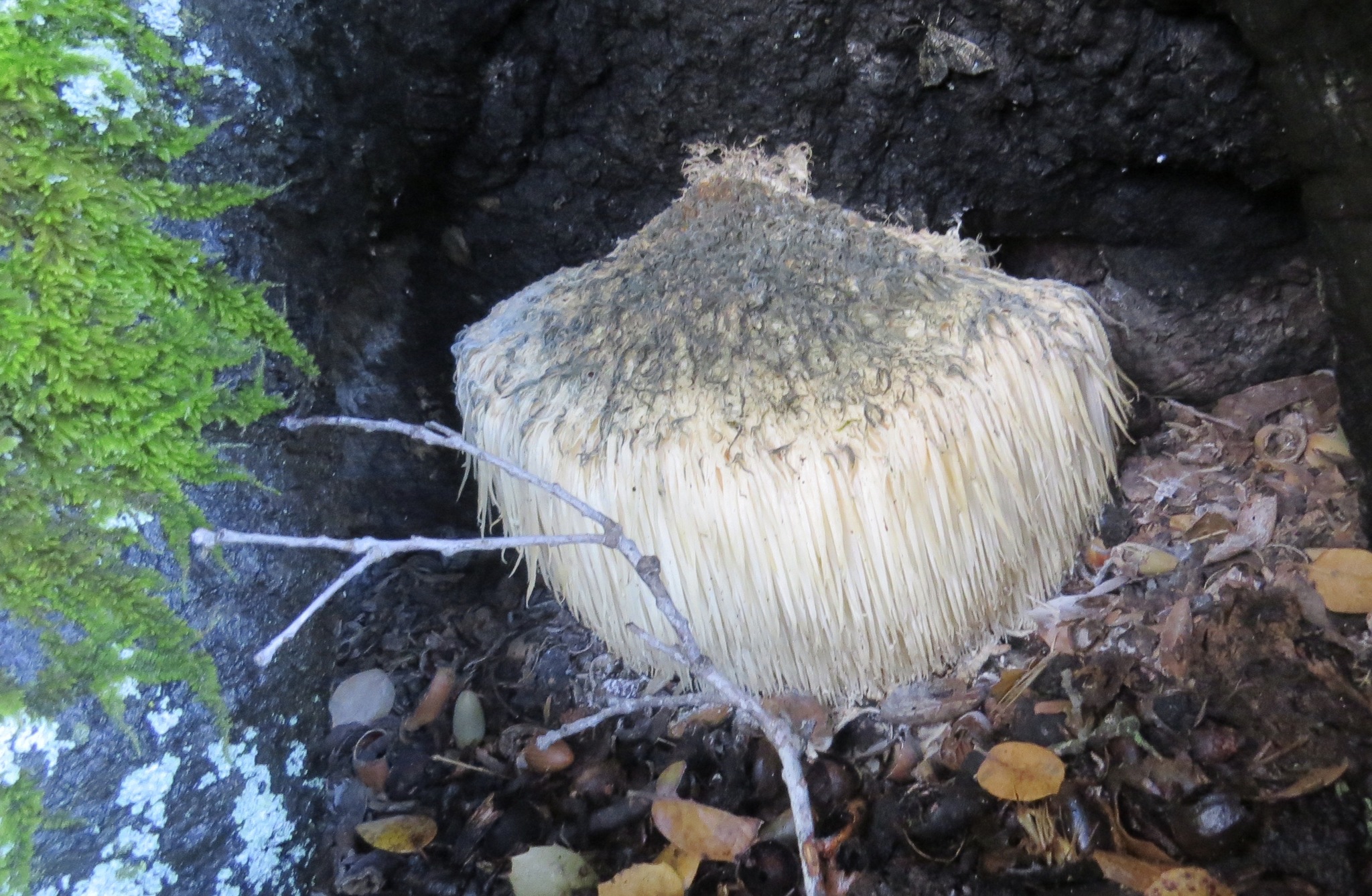

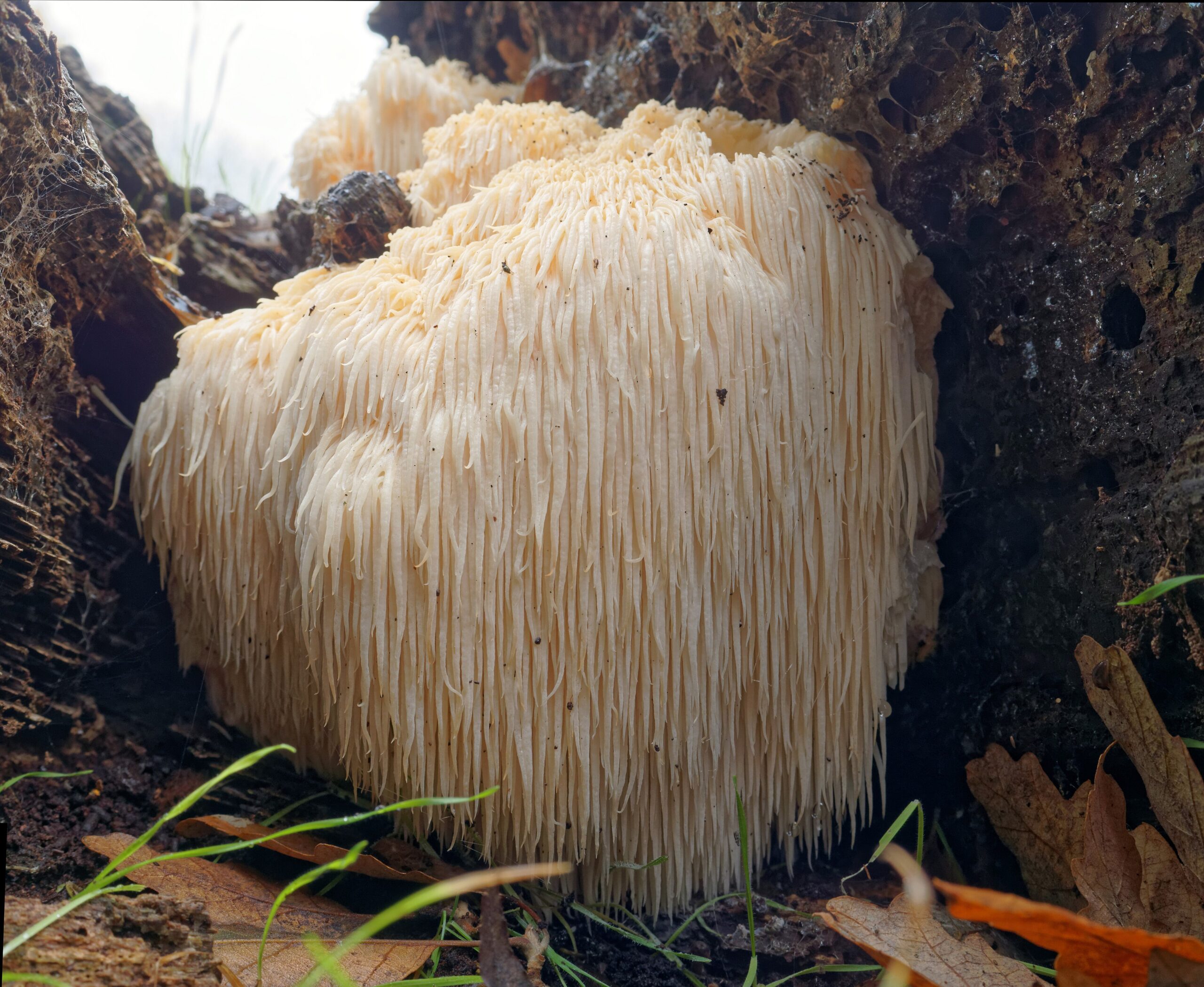
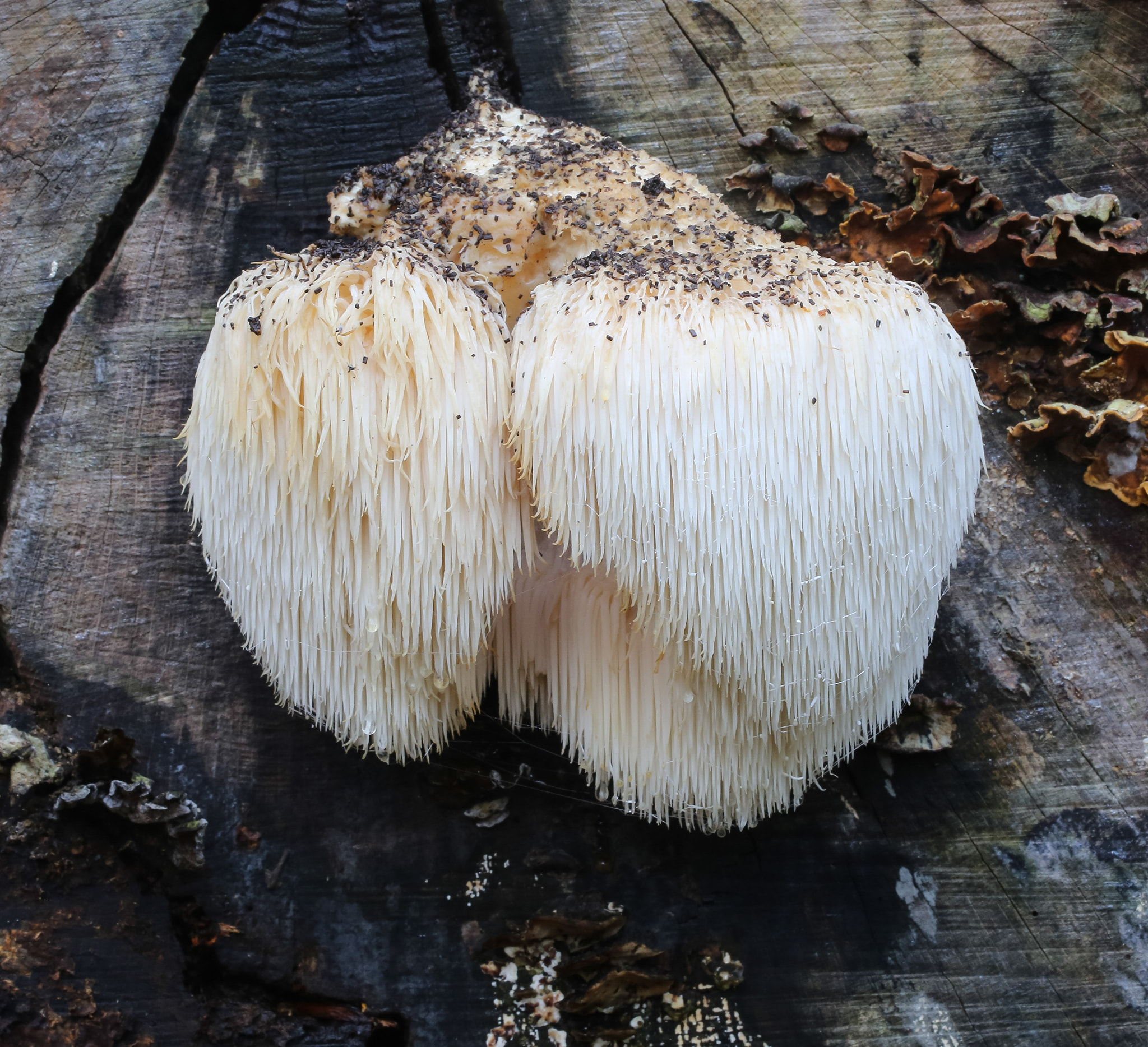
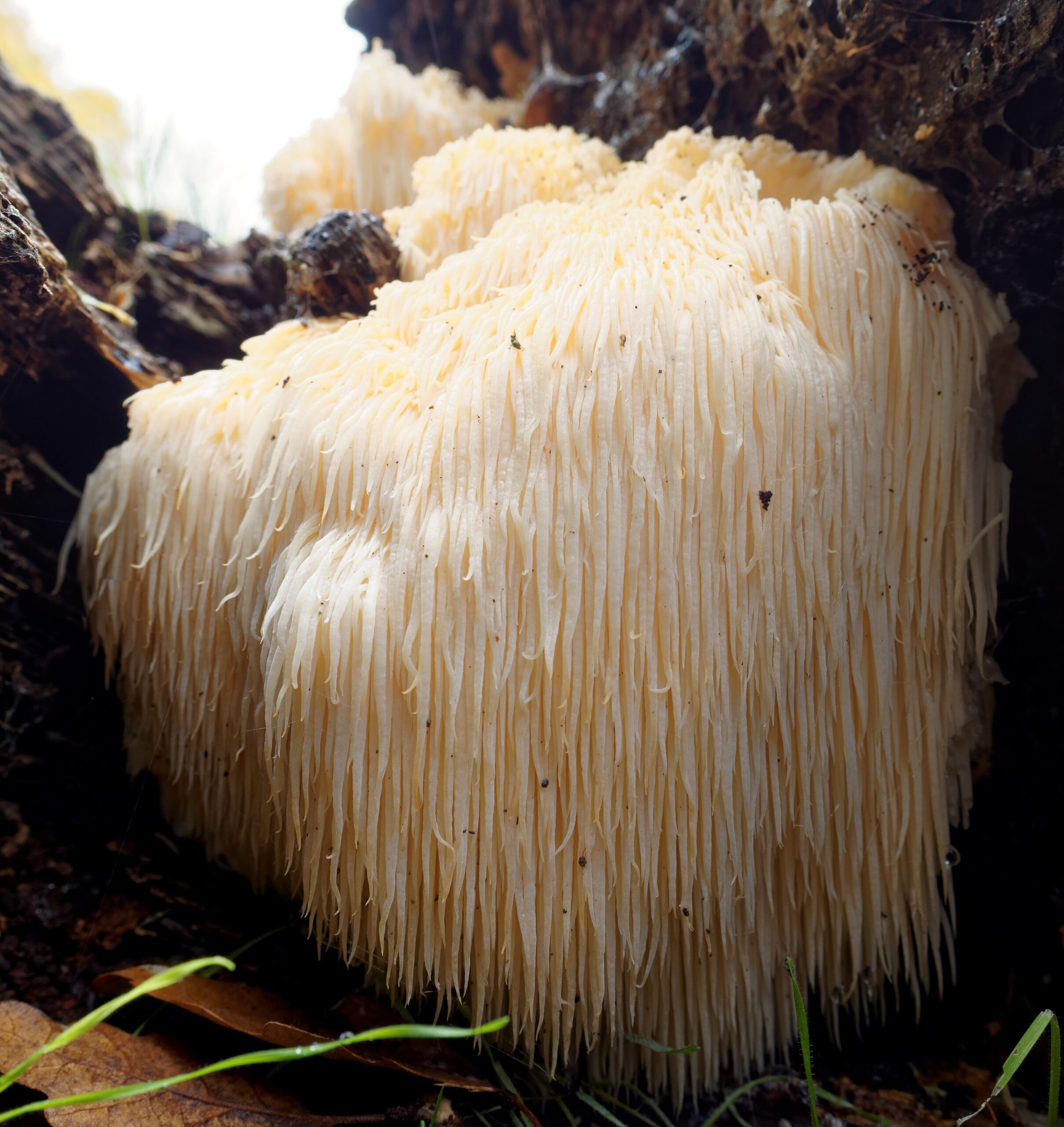
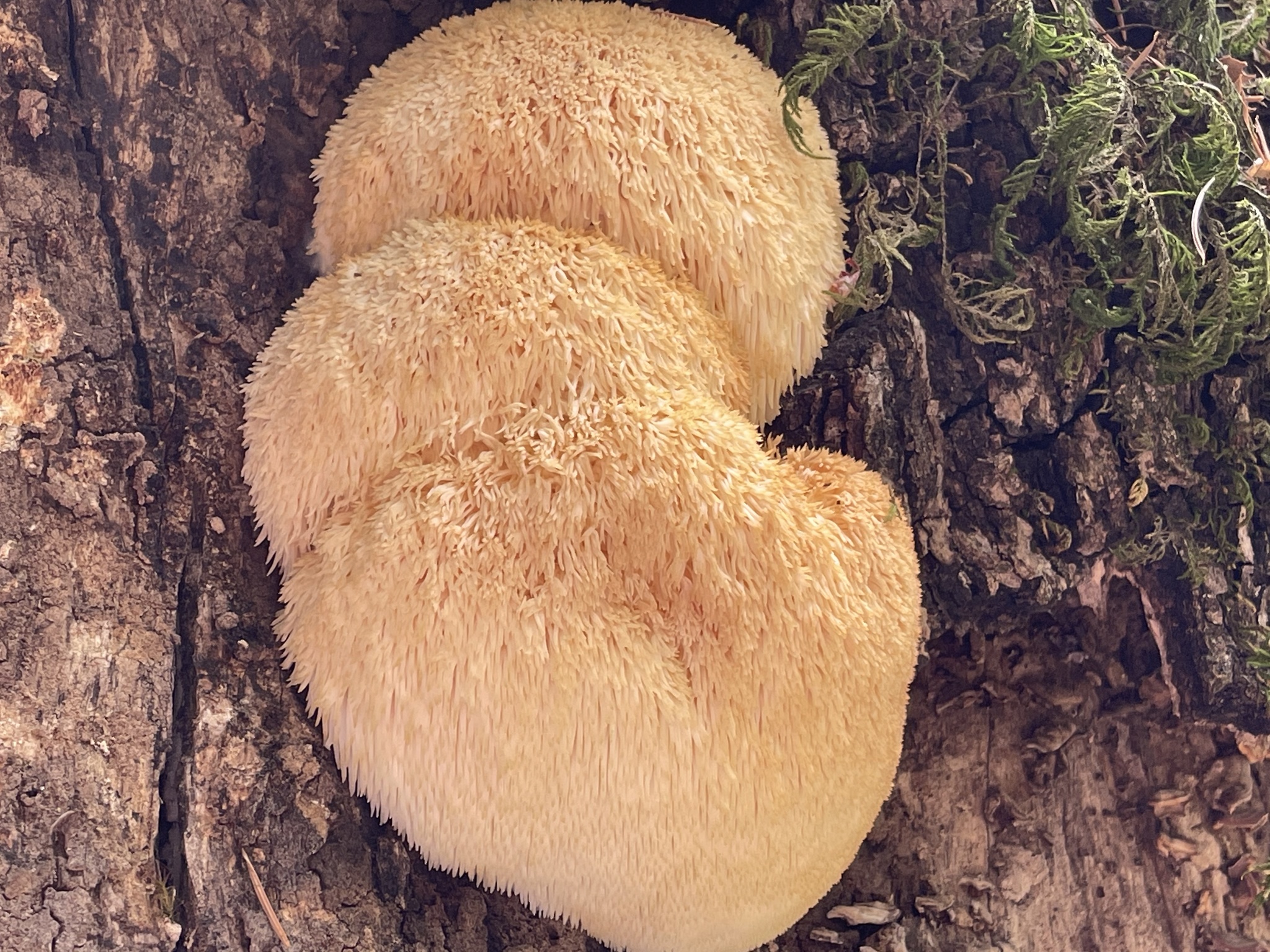
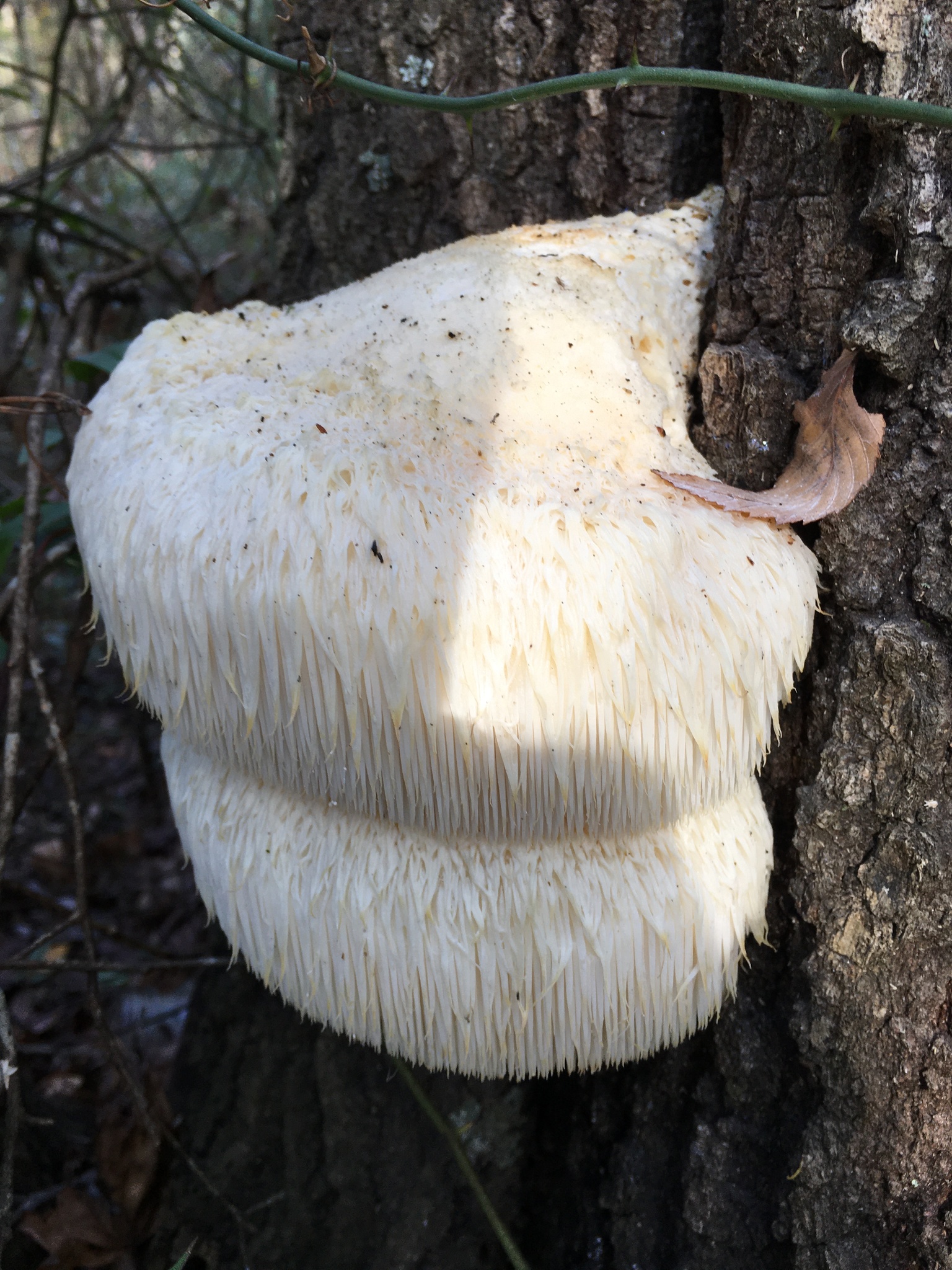
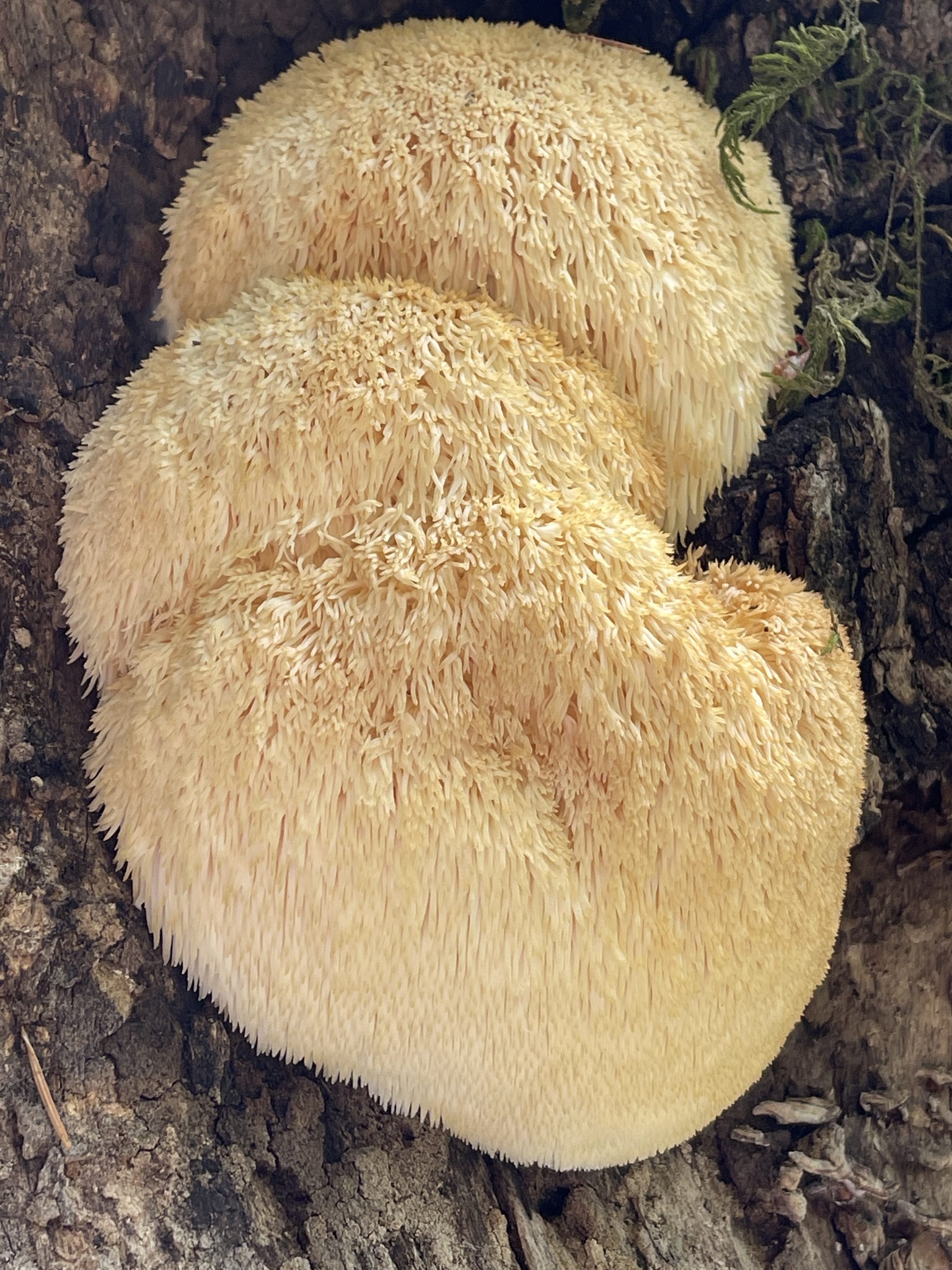
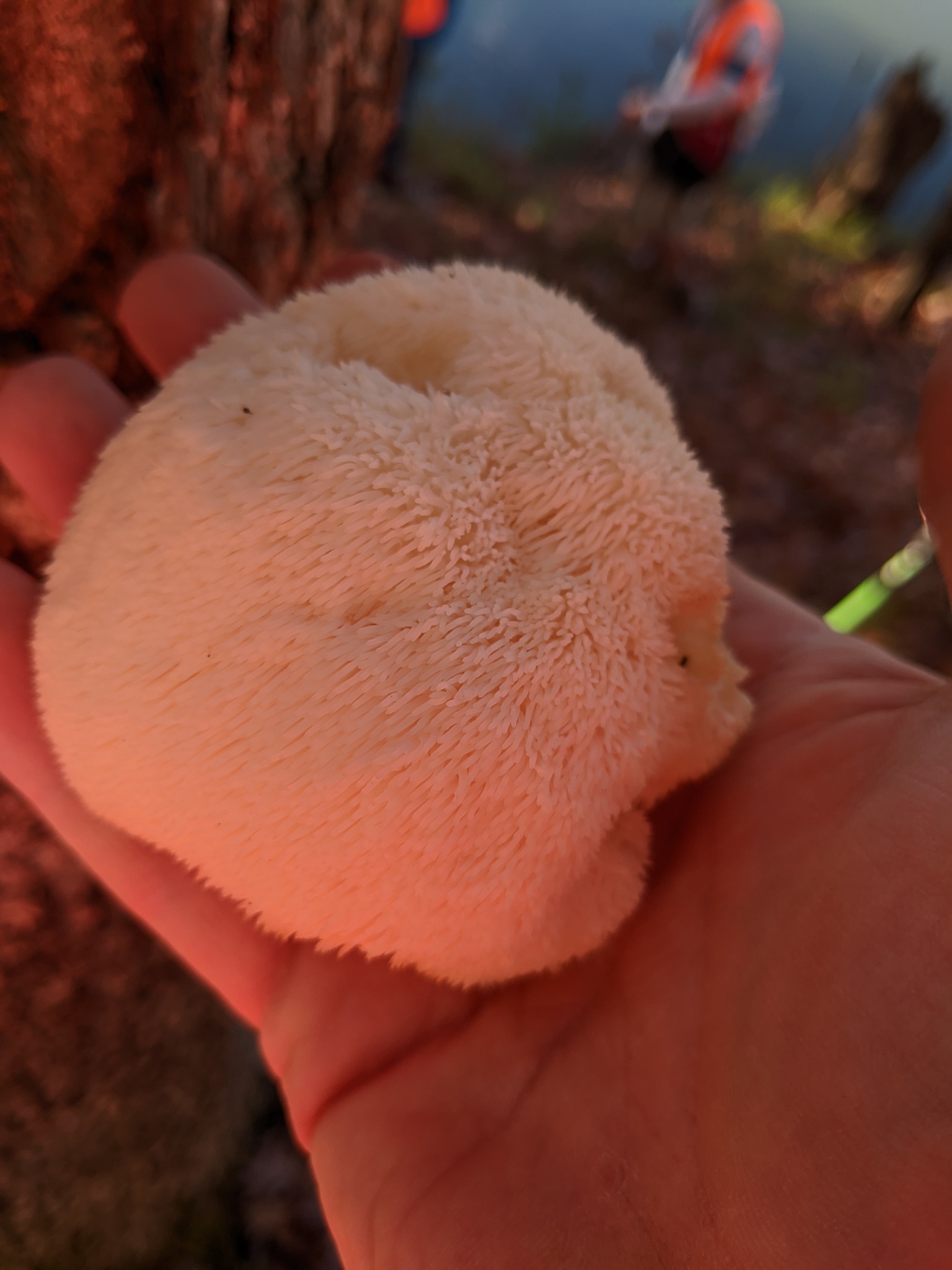
Lion’s mane (Hericium erinaceus) is a white, shaggy mushroom that grows on hardwood trees throughout North America, Europe, and Asia. Its cascading, icicle-like spines give it an unmistakable appearance. It genuinely looks like a miniature lion’s mane hanging from a branch.
What makes this mushroom remarkable from a biochemical standpoint are two families of compounds found nowhere else in nature:
- Hericenones — found primarily in the fruiting body (the part you see growing on a tree). These compounds can cross the blood-brain barrier and stimulate the production of Nerve Growth Factor (NGF).
- Erinacines — found primarily in the mycelium (the underground root network). These are potent NGF-stimulating diterpenoids that also cross the blood-brain barrier.
NGF is a protein essential for the growth, maintenance, and survival of neurons. It plays a central role in neuroplasticity, your brain’s ability to form new connections and repair existing ones. This is why lion’s mane has attracted so much attention from neuroscience researchers.
Beyond the brain, lion’s mane is also rich in beta-glucan polysaccharides that support immune function, along with antioxidants and anti-inflammatory compounds. It’s an edible mushroom with a long history of culinary use, particularly in East Asian cuisine, where it’s prized for its delicate, lobster-like flavor.
Lion’s Mane Benefits: What the Research Shows
.jpg)
1. May Support Cognitive Function and Mental Clarity
.jpg)
This is where lion’s mane shines brightest. The 2023 double-blind, placebo-controlled RCT published in the Journal of Dietary Supplements demonstrated that healthy adults aged 18–45 who took 1.8 g/day of lion’s mane extract for 12 weeks showed significant improvements in cognitive processing speed compared to the placebo group (PMC10675414). Participants reported clearer thinking and faster task completion.
An earlier landmark study by Mori et al. (2009) found that older adults with mild cognitive impairment who consumed 3 g/day of lion’s mane for 16 weeks showed significantly improved scores on cognitive function scales. Notably, improvements declined after supplementation stopped, suggesting ongoing use matters.
“Lion’s mane is one of the few natural compounds with demonstrated ability to stimulate NGF synthesis in human neural cells, a mechanism with direct relevance to cognitive maintenance.”
2. Stimulates Nerve Growth Factor (NGF) Production

The hericenones and erinacines in lion’s mane are the only known natural compounds that can stimulate de novo NGF synthesis in neural cells. In laboratory studies, lion’s mane extracts have been shown to promote neurite outgrowth, essentially encouraging neurons to sprout new connections.
This NGF-stimulating activity is significant because NGF levels naturally decline with age, and maintaining healthy NGF levels is associated with neuronal health and cognitive resilience. While most of this research has been conducted in cell and animal models, the cognitive improvements observed in human trials are consistent with this mechanism.
3. May Support Mood and Emotional Well-Being
.jpg)
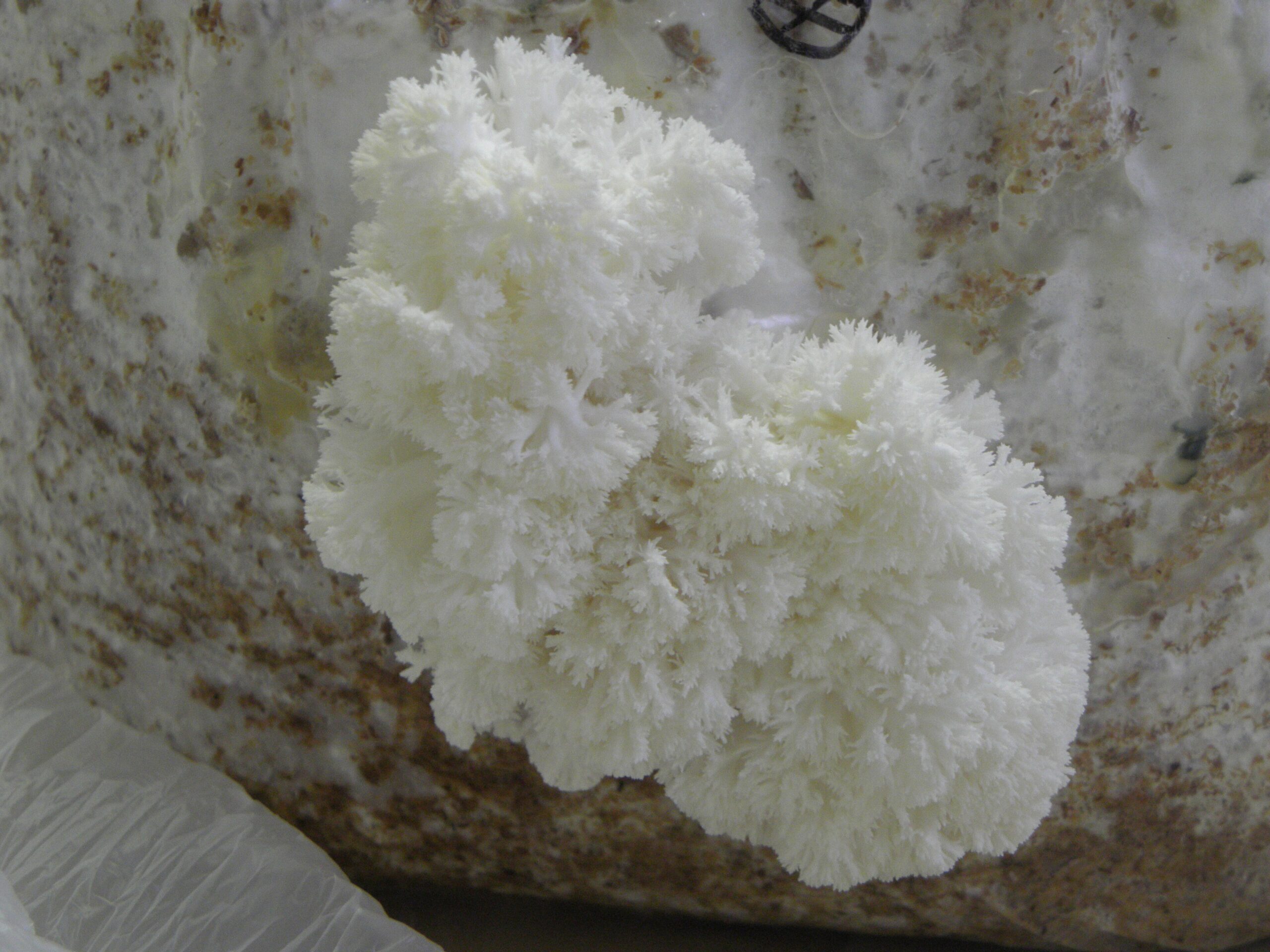
A 2010 study in Biomedical Research examined 30 women who consumed lion’s mane cookies (containing 500 mg of fruiting body powder per cookie, four cookies daily) for four weeks. The lion’s mane group reported reduced feelings of irritation and anxiety compared to the placebo group, measured by validated mood assessment tools. For more on natural approaches to relaxation and rest, see our research review of the best herbs for sleep.
Researchers hypothesize that the mood-supporting effects may be linked to lion’s mane’s anti-inflammatory activity in the brain and its influence on NGF, which plays a role in the hippocampus, a brain region involved in emotional regulation. While more research is needed, preliminary findings are encouraging.
4. Supports Gut Health and Immune Function
.jpg)
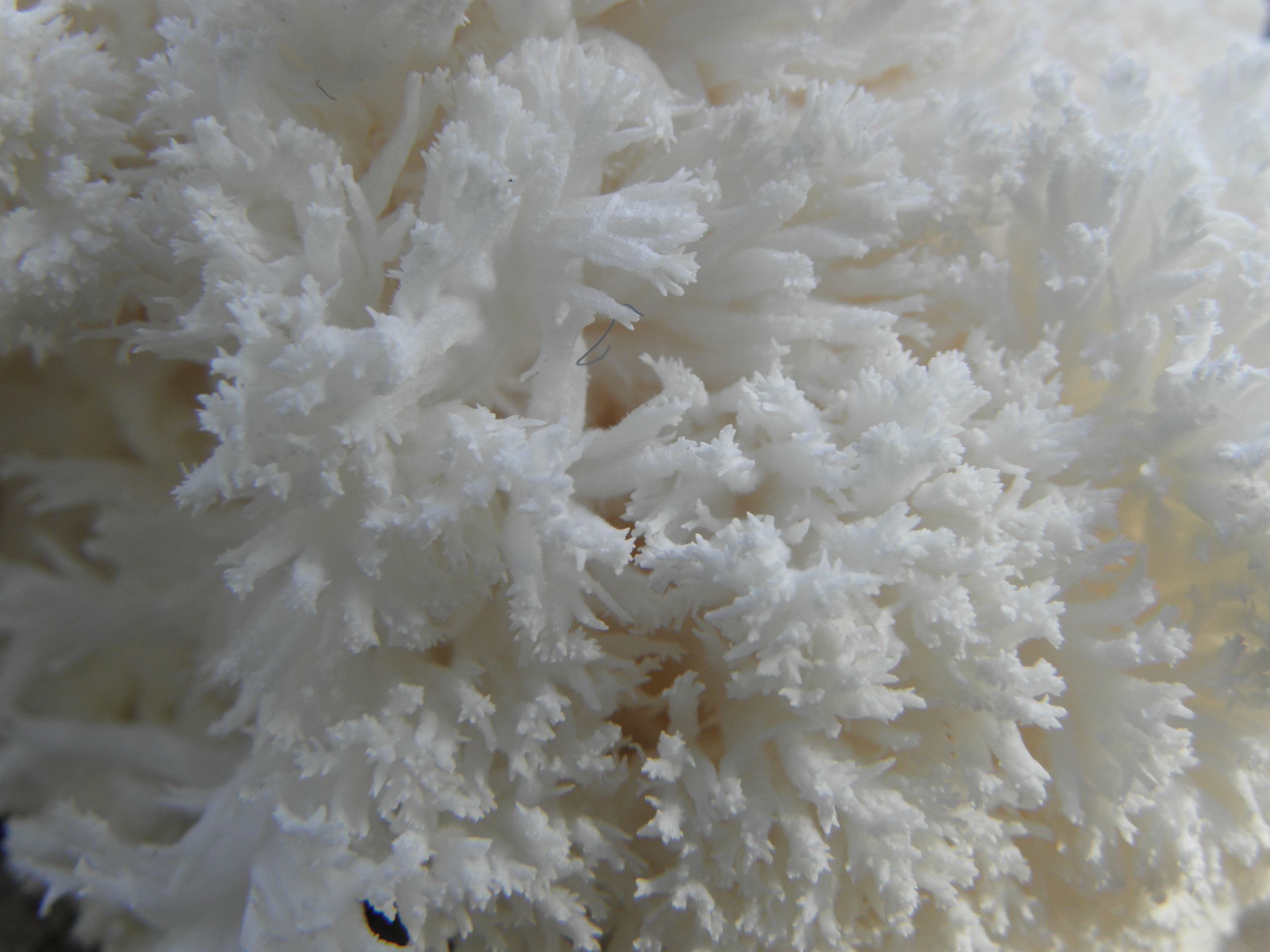
Lion’s mane contains potent beta-glucan polysaccharides that modulate immune response, along with compounds that may support the integrity of the gut lining. Animal studies have shown protective effects on gastric mucosa, and the mushroom’s prebiotic-like properties may benefit the gut microbiome. Traditional use in Chinese medicine for digestive support spans centuries.
For a broader look at how lion’s mane compares to other popular functional mushrooms, see our complete comparison of lion’s mane, reishi, chaga, cordyceps, and turkey tail.
How to Use Lion’s Mane
_02.jpg)
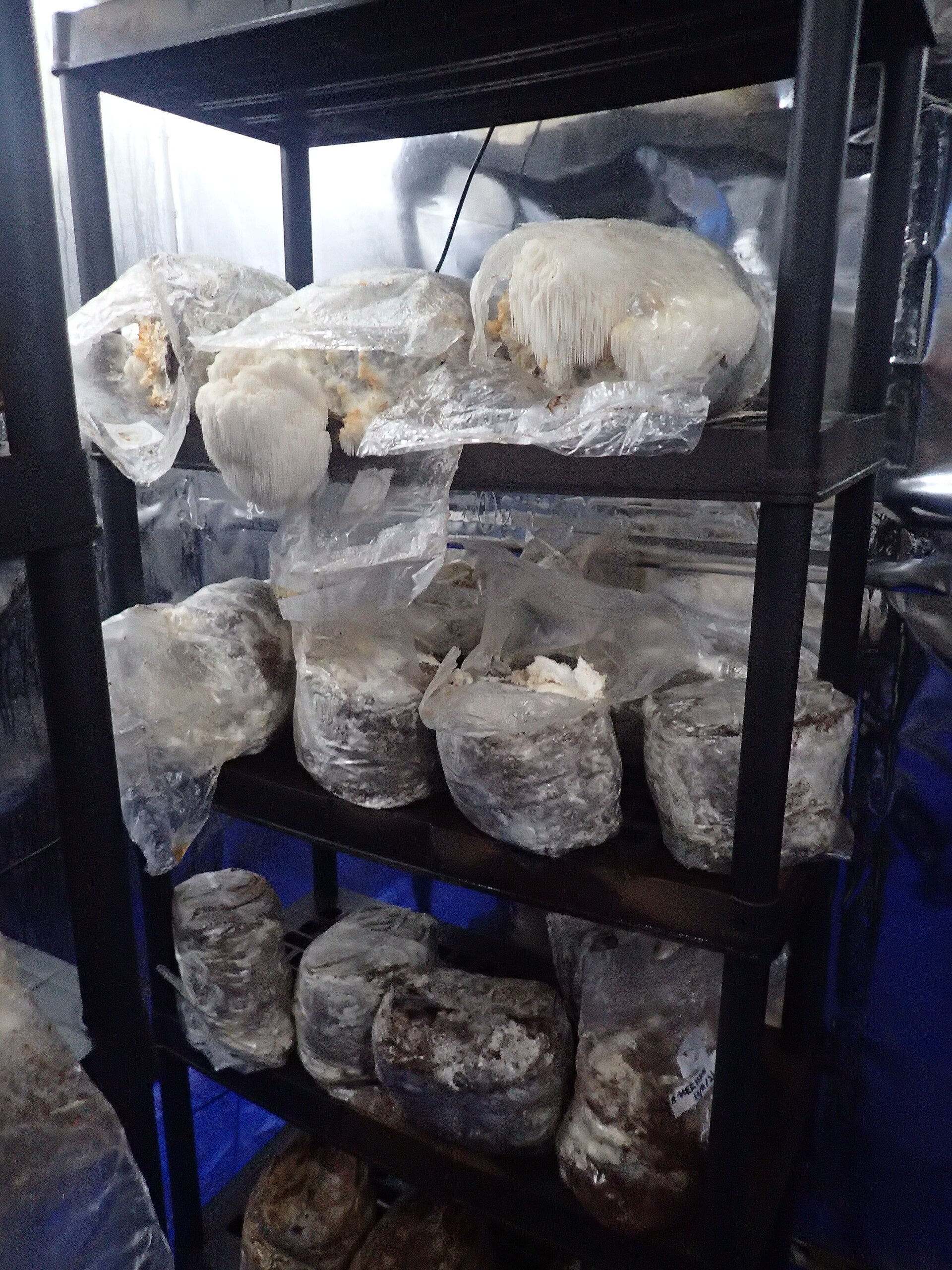
One of the best things about lion’s mane is its versatility. There’s a format for nearly every preference and lifestyle.
Capsules and Powdered Extract
.jpg)
This is the most popular and convenient form. Look for capsules made from fruiting body extract with standardized beta-glucan content. Most products come in 500 mg capsules, making it easy to dial in your dose. Powdered extract can be stirred into coffee, smoothies, or warm water.
Dual-Extraction Tincture

A dual-extraction tincture uses both hot water and alcohol to pull the full spectrum of bioactive compounds from lion’s mane: the water-soluble beta-glucans and the alcohol-soluble hericenones and erinacines. This is considered the most bioavailable form by many herbalists. Interested in making your own? See our guide on how to make a mushroom tincture at home.
Tea

Dried lion’s mane slices or powder can be simmered for 15–20 minutes to make a mild, slightly sweet tea. This won’t extract the alcohol-soluble compounds, but it’s a lovely daily ritual and delivers beta-glucans effectively.
Fresh or Cooked

If you’re lucky enough to find fresh lion’s mane at a farmers’ market (or grow your own), you’re in for a treat. Slice it into thick steaks and sear in butter until golden. The texture is meaty and satisfying, and the flavor has often been described as reminiscent of lobster or crab. Cooking does reduce some bioactive compounds, but you’ll still benefit from beta-glucans and the sheer joy of eating something this delicious.
Lion’s Mane Dosage Guide

| Level | Daily Dose | Notes |
|---|---|---|
| Starter | 500 mg/day | Good starting point to assess tolerance. Take with food. |
| Clinical Dose | 1,000–1,800 mg/day | Range used in human clinical trials. 1,800 mg was the dose in the 2023 RCT. |
| Upper Range | Up to 3,000 mg/day | Studied safely for 16 weeks. Some traditional preparations use higher amounts. |
Most practitioners suggest splitting the dose, half in the morning and half in the afternoon. Lion’s mane is not sedating, so morning or midday use is generally preferred. Effects on cognitive clarity are often noticed within 2–4 weeks of consistent use, though some people report benefits sooner.
Side Effects and Safety
Lion’s mane has an excellent safety profile. A 2022 systematic review of clinical trials found no significant adverse events reported at doses up to 3,000 mg/day for 16 weeks (PMC9328747).
Reported side effects are rare and mild. They may include:
- Mild digestive discomfort (especially at higher doses when first starting)
- Skin itchiness in rare cases, possibly related to increased NGF activity
Precautions to be aware of:
- Mushroom allergies: If you have a known allergy to mushrooms, avoid lion’s mane.
- Blood-thinning medications: Lion’s mane may have mild anti-platelet effects. Consult your doctor if you take anticoagulants.
- Surgery: Discontinue use at least two weeks before scheduled surgery due to potential effects on blood clotting.
- Pregnancy and breastfeeding: Insufficient safety data exists. Consult your healthcare provider.
What to Look for When Buying Lion’s Mane
The mushroom supplement market is, frankly, a mess. Quality varies enormously, and many popular products contain little actual mushroom. Here’s how to find a product worth your money.
Fruiting Body vs. Mycelium on Grain
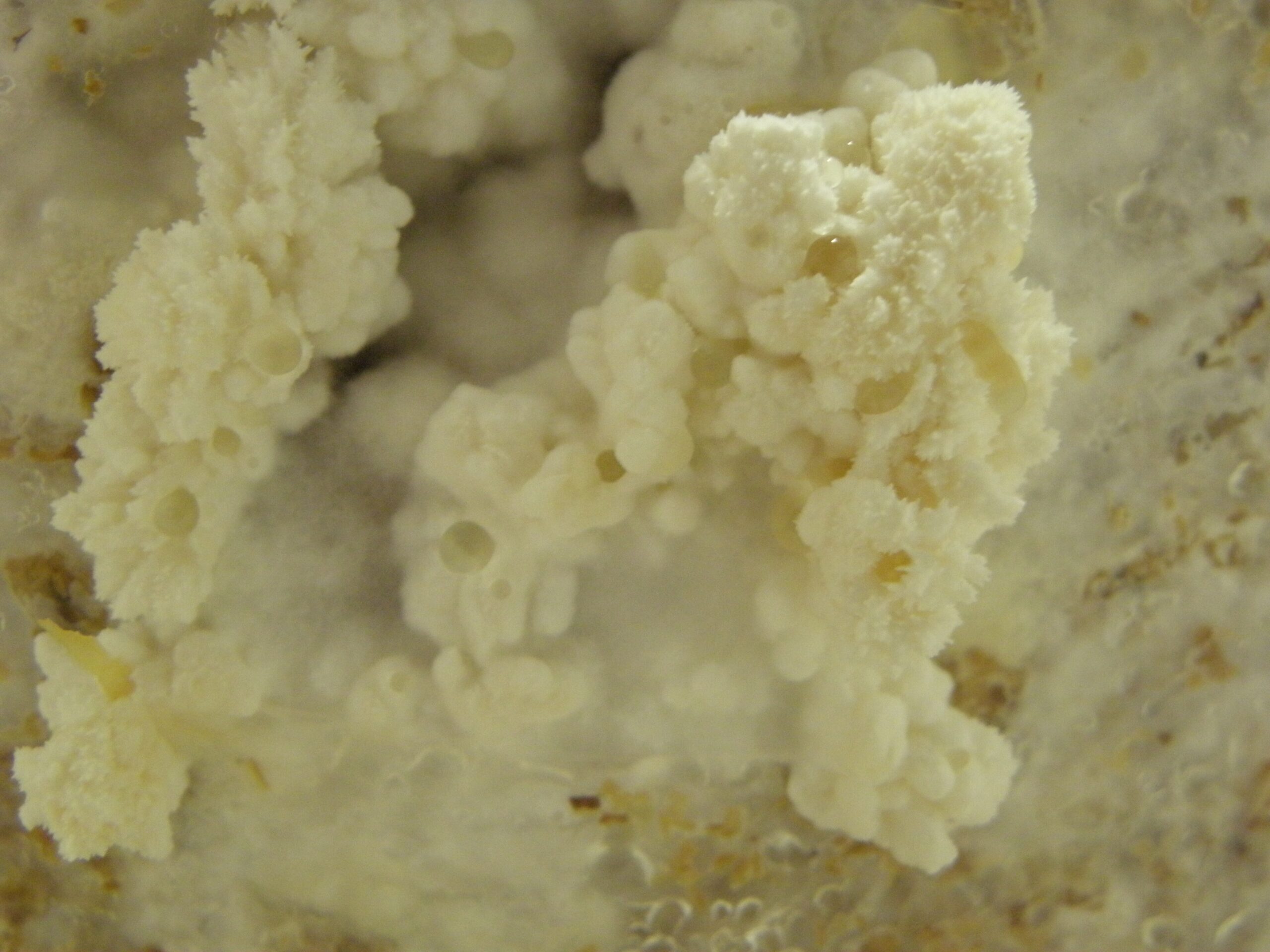
This is the single most important distinction. Many budget supplements use “mycelium on grain,” meaning mycelium grown on a bed of rice or oats. The final product is ground up with the grain substrate still in it, meaning a significant portion of what you’re consuming is starchy filler, not mushroom.
Fruiting body extracts are made from the actual mushroom and contain meaningfully higher concentrations of hericenones and beta-glucans. Look for “fruiting body” clearly stated on the label and in the supplement facts panel.
Beta-Glucan Content
Beta-glucans are a reliable marker of genuine mushroom content. According to analytical standards established by Nammex (a leading mushroom ingredient supplier), quality lion’s mane extract should contain a minimum of 30 mg/g (3%) beta-glucans. Premium extracts often test at 25–30% or higher. If a product doesn’t list beta-glucan content, that’s a red flag.
Avoid Grain Fillers and Starch
A simple test: look for starch content on the Certificate of Analysis (COA). High starch levels (above 5%) indicate grain contamination from mycelium-on-grain production. Reputable brands will have third-party COAs available on request or on their website.
Extraction Method
Hot water extraction is the minimum standard — it breaks down the chitin cell walls and makes beta-glucans bioavailable. Dual extraction (hot water + alcohol) captures the full spectrum of compounds including hericenones. Look for “extract” on the label rather than simply “powder.”
How to Grow Lion’s Mane at Home
Lion’s mane is one of the easiest gourmet mushrooms to cultivate at home, making it a rewarding project for beginners.
The basics:
- Substrate: Hardwood sawdust supplemented with wheat bran is the standard. You can also use supplemented hardwood pellets or even straw. Sterilize or pasteurize the substrate before inoculating.
- Temperature: Lion’s mane fruits best between 60–75°F (15–24°C). It’s a cool-weather mushroom and tolerates lower temperatures better than many species.
- Humidity: High humidity (85–95%) is essential during fruiting. A simple humidity tent, shotgun fruiting chamber, or martha tent works well for home growers.
- Timeline: After inoculation with grain spawn, colonization takes about 2–3 weeks. Once you introduce fruiting conditions (fresh air exchange, light, humidity), you can expect to see pins within a few days and harvestable mushrooms within 2–3 weeks.
- Harvest: Pick when the spines are about 1 cm long and still firm. If the mushroom starts to yellow or the spines become very long and droopy, it’s past peak.
If you enjoy growing your own remedies, our guide to 10 medicinal herbs every beginner should grow covers easy-to-cultivate plants that complement a mushroom wellness routine. For beginners, a pre-made grow kit is the easiest path. Just cut a slit in the bag, mist daily, and watch the magic happen. Most kits will produce two or three flushes of mushrooms before the substrate is spent. If growing your own food and medicine appeals to you, our sister site Wild Hearth Life has more on homesteading and self-sufficient living.
Frequently Asked Questions
How long does it take for lion’s mane to work?
Most people report noticing subtle improvements in mental clarity and focus within 2–4 weeks of consistent daily use. In clinical trials, measurable cognitive improvements were observed after 8–12 weeks. Lion’s mane works through gradual biological mechanisms like NGF stimulation, not acute stimulation, so patience and consistency are key.
Can I take lion’s mane every day?
Yes. Daily use is both safe and recommended for best results. Clinical trials have used daily supplementation for up to 16 weeks with no significant adverse effects. Many practitioners and long-term users take lion’s mane daily as part of their ongoing wellness routine. Some people choose to cycle (e.g., 5 days on, 2 days off), though there is no clinical evidence that cycling is necessary.
Should I take lion’s mane in the morning or at night?
Morning or early afternoon is generally preferred. Lion’s mane is not a stimulant (it won’t make you jittery), but its cognitive-supporting effects are best leveraged during your active hours. It does not cause drowsiness, so taking it at night is fine if that fits your schedule, though some people report vivid dreams when taking it later in the day.
Is lion’s mane safe to take with other supplements or medications?
Lion’s mane is generally well-tolerated alongside other supplements and is commonly stacked with mushrooms like reishi or cordyceps. However, because of its potential mild anti-platelet effects, you should consult your healthcare provider if you take blood-thinning medications (such as warfarin or aspirin), diabetes medications (lion’s mane may influence blood sugar levels), or immunosuppressants. Always disclose all supplements to your doctor.
The Bottom Line
Lion’s mane is one of the most promising functional mushrooms available today, with a growing body of clinical evidence supporting its role in cognitive health. It’s safe, well-tolerated, delicious to eat, and accessible in many forms, from capsules to tinctures to grow-your-own kits.
The key is choosing a quality product made from fruiting body extract, being consistent with your dose, and giving it time to work. If you’re exploring functional mushrooms for the first time, lion’s mane is an excellent place to start.
For a deeper dive into how lion’s mane stacks up against other popular adaptogenic mushrooms, check out our functional mushroom comparison guide.
Safety Profile: Lion’s Mane (Hericium erinaceus)
- Contraindications
- Known allergy to Hericium species or to mushrooms in general — reactions ranging from mild dermatitis to anaphylaxis have been documented in case reports (Wang et al., 2001, Ann Allergy Asthma Immunol). Caution advised in people with active autoimmune conditions given limited long-term immunomodulation data.
- Drug interactions
- Theoretical additive effect with antiplatelet and anticoagulant medications (aspirin, warfarin, clopidogrel, NOACs) due to fibrinolytic and mild antiplatelet activity observed in vitro. May modestly lower blood glucose — monitor when used alongside insulin or oral hypoglycemics. Avoid within 2 weeks of scheduled surgery. No major CYP450 interactions have been characterized in human data to date.
- Pregnancy / lactation
- Insufficient human safety data exists for pregnancy or breastfeeding. Traditional culinary use of the fresh fruiting body is generally considered safe in food amounts; concentrated extracts, tinctures, and high-dose supplementation are not recommended during pregnancy or lactation until more robust safety evidence is available. Consult a qualified herbalist or prescriber before use.
- Maximum recommended daily dose
- Fruiting body extract: 500–3,000 mg daily of a standardized dual-extract (hot water + ethanol) in clinical trials. The Mori et al. 2009 cognitive study used 1,000 mg three times daily (3,000 mg/day) for 16 weeks without serious adverse events. Start at 500 mg and titrate. Do not exceed 3,000 mg/day without supervision. Tea or culinary use: 50–100 g fresh fruiting body prepared as food.
- Do not use if
-
- You have a known mushroom allergy
- You take warfarin or other anticoagulants without prescriber awareness
- You are within 2 weeks of surgery
- You are pregnant or breastfeeding (concentrated extract form)
- You are under 18 — pediatric safety data is lacking
- You experience gastrointestinal distress, itching, or rash after a trial dose
References
- Docherty S, et al. “The Acute and Chronic Effects of Lion’s Mane Mushroom Supplementation on Cognitive Function, Stress and Mood in Young Adults: A Double-Blind, Parallel Groups, Pilot Study.” Nutrients. 2023. PMC10675414
- Mori K, et al. “Improving effects of the mushroom Yamabushitake (Hericium erinaceus) on mild cognitive impairment.” Phytother Res. 2009;23(3):367-72.
- Nagano M, et al. “Reduction of depression and anxiety by 4 weeks Hericium erinaceus intake.” Biomed Res. 2010;31(4):231-7.
- Friedman M. “Chemistry, Nutrition, and Health-Promoting Properties of Hericium erinaceus (Lion’s Mane) Mushroom Fruiting Bodies and Mycelia and Their Bioactive Compounds.” J Agric Food Chem. 2015;63(32):7108-23.
- Saitsu Y, et al. “Improvement of cognitive functions by oral intake of Hericium erinaceus.” Biomed Res. 2019;40(4):125-131.
- Szućko-Kociuba I, et al. “Neurotrophic and Neuroprotective Effects of Hericium erinaceus.” Int J Mol Sci. 2022. PMC9328747