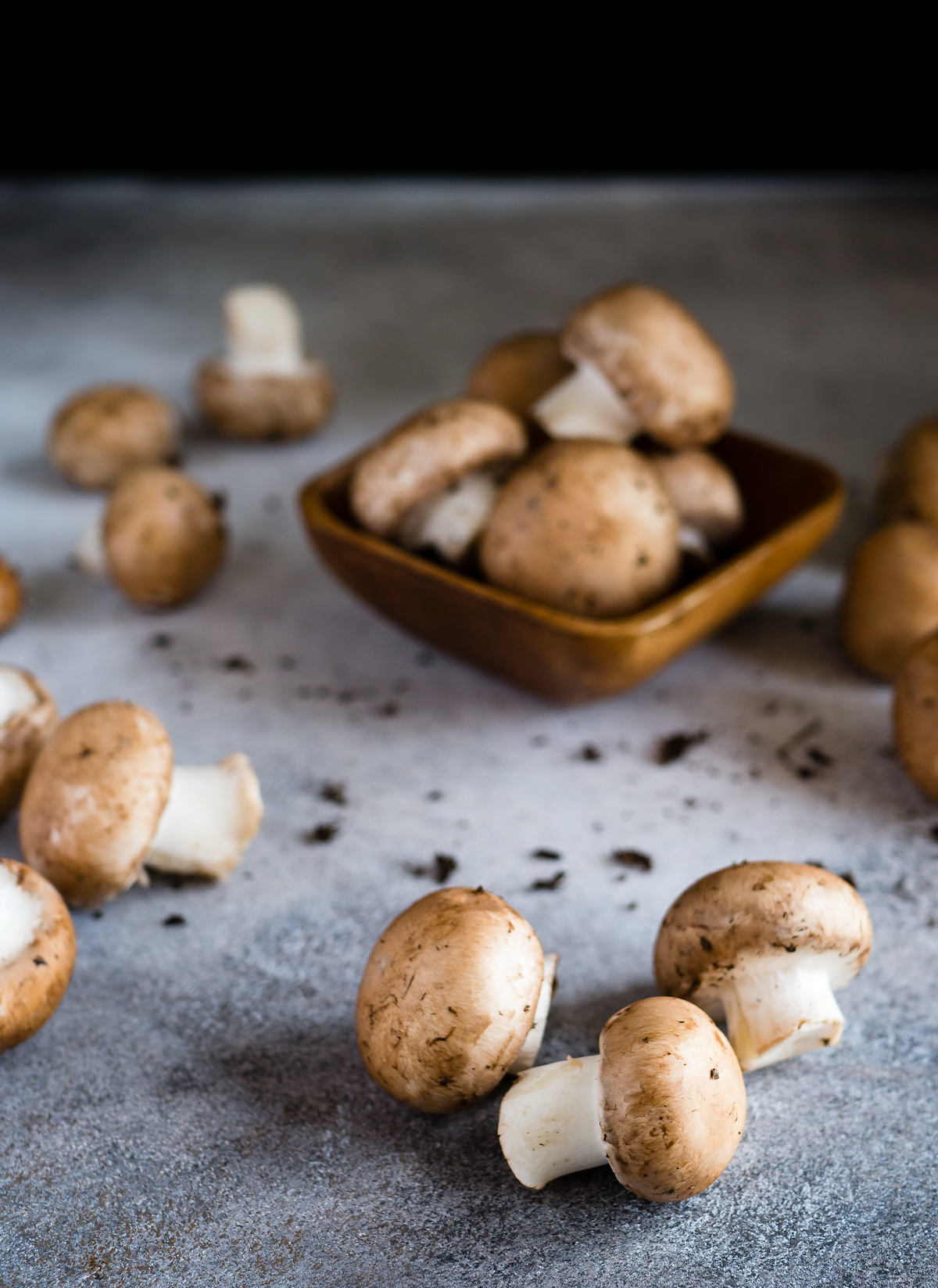
Walk into any health food store in 2026 and you’ll find an entire shelf dedicated to mushroom supplements. Lion’s Mane for your brain. Reishi for sleep. Cordyceps for the gym. But which ones actually have research behind them, and which are mostly marketing?
The functional mushroom market hit $34.75 billion in 2024 and is projected to nearly double to $65.83 billion by 2030 (Grand View Research, 2024). About 27% of Americans now take mushroom supplements regularly (Nutrition Business Journal, 2024). That’s a lot of money and a lot of people. So let’s look at what the science actually says.
I’ve spent the last three years growing, extracting, and using all five of these mushrooms. This guide combines that hands-on experience with published clinical research, so you can pick the right mushroom for your goals without wading through supplement marketing.
Key Takeaways
- Lion’s Mane has the strongest cognitive research — a 2023 RCT showed improved processing speed after 28 days (PMC)
- Turkey Tail has the most clinical evidence overall, with PSK approved in Japan since the 1970s
- Fruiting body extracts contain 5-15x more beta-glucans than mycelium-on-grain products, so always check the label
- All five mushrooms are well-tolerated in published trials, but each has specific cautions worth knowing
- Pick based on your primary goal: brain (Lion’s Mane), sleep/stress (Reishi), antioxidants (Chaga), performance (Cordyceps), immune (Turkey Tail)
How Do the Five Functional Mushrooms Compare at a Glance?

Before we get into the details, here’s the quick-reference comparison. Each mushroom has a different strength, and the research quality varies significantly between them.
| Mushroom | Primary Benefit | Best For | Research Strength | Typical Dose |
|---|---|---|---|---|
| Lion’s Mane | Cognitive support, nerve health | Focus, memory, mental clarity | Strong (RCTs) | 500-3,000mg/day |
| Reishi | Stress and sleep support | Relaxation, wind-down, calm | Moderate (mixed) | 1,000–2,000 mg/day extract (≤2 g/day ceiling) |
| Chaga | Antioxidant protection | Overall wellness, daily tonic | Limited (mostly preclinical) | 500-2,000mg/day |
| Cordyceps | Energy and exercise performance | Athletes, physical endurance | Moderate (small RCTs) | 1,000–3,000 mg/day (≤3 g/day ceiling) |
| Turkey Tail | Immune system support | Immune health, gut support | Strongest (large RCTs) | 1,000-9,000mg/day |
Now let’s look at each one in detail: what the research shows, how to use it, and what to watch out for.
What Does Lion’s Mane Actually Do for Your Brain?

For a comprehensive deep dive into this remarkable mushroom, see our full guide on lion’s mane mushroom benefits, dosage, and how to use it.
A 2023 double-blind, placebo-controlled trial found that 1.8g of Lion’s Mane daily for 28 days significantly improved cognitive processing speed. Reaction times dropped from 737ms to 688ms (p=0.005) and subjective stress scores decreased from 40.64 to 33.02 (PMC, 2023). That’s a meaningful improvement in just four weeks, in healthy young adults who weren’t cognitively impaired to begin with.
Lion’s Mane (Hericium erinaceus) contains two unique compound groups, hericenones and erinacines, that stimulate nerve growth factor (NGF) production. NGF is the protein your body uses to grow and maintain neurons. No other edible mushroom does this.
From our experience: Lion’s Mane is the only functional mushroom where I’ve noticed subjective effects within 10-14 days: clearer thinking during writing sessions and fewer “tip of the tongue” moments. Most mushroom benefits take 4-8 weeks to notice. Your experience may vary.
How to Use Lion’s Mane

Capsules or powder: 500-3,000mg daily of fruiting body extract. The clinical trial used 1,800mg. Start at 500mg and work up.
Tea or cooking: Fresh Lion’s Mane has a mild, lobster-like flavor. Sautee sliced in butter for 5-7 minutes. Dried Lion’s Mane makes a subtle tea. Steep 3-5g in hot water for 15 minutes.
Dual extraction tincture: Combines hot water (for beta-glucans) and alcohol (for hericenones). Take 1-2ml twice daily. If you want to try making your own, our beginner’s guide to herbal tinctures covers the fundamentals.
Safety is excellent. Published trials report no significant adverse events at doses up to 3,000mg daily for 16 weeks (PMC, 2022). Avoid if you have a mushroom allergy. There’s one theoretical caution: because NGF stimulation could theoretically affect tumor growth, anyone with an active cancer diagnosis should consult their oncologist first.
Is Reishi the Best Mushroom for Sleep and Stress?
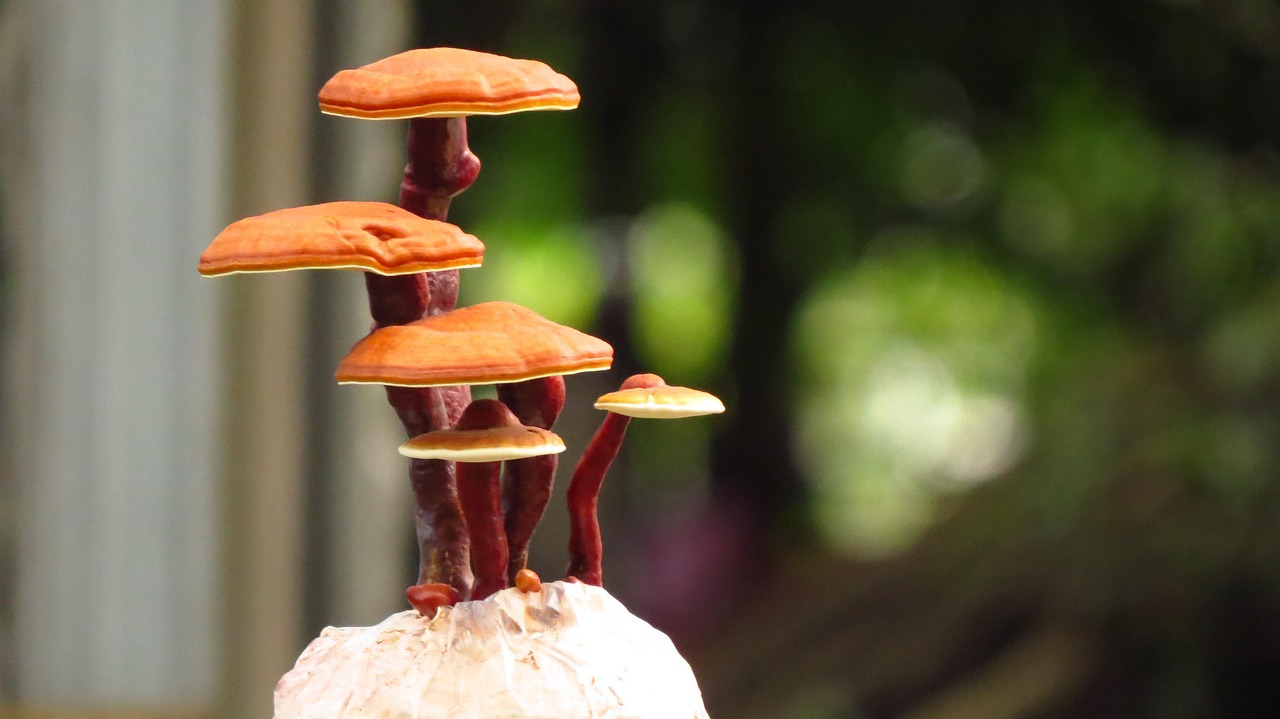
Reishi (Ganoderma lucidum) has over 600 peer-reviewed studies spanning immunology, neuroscience, and hepatology (Examine.com, 2024). A 2021 study in Nature Scientific Reports found reishi extract shortened sleep latency and increased total sleep time in animal models by boosting serotonin levels through the gut microbiota pathway (Nature, 2021). A 2024 clinical trial combining reishi with rhodiola showed significant improvements in mood and fatigue after 6 weeks.
The “mushroom of immortality” in traditional Chinese medicine, reishi has been used for over 2,000 years. For a deeper exploration of this ancient fungus, read our complete guide to reishi mushroom benefits and how to use it. It’s the mushroom most people reach for at bedtime, and the triterpenes (ganoderic acids) are likely responsible for its calming properties.
How to Use Reishi
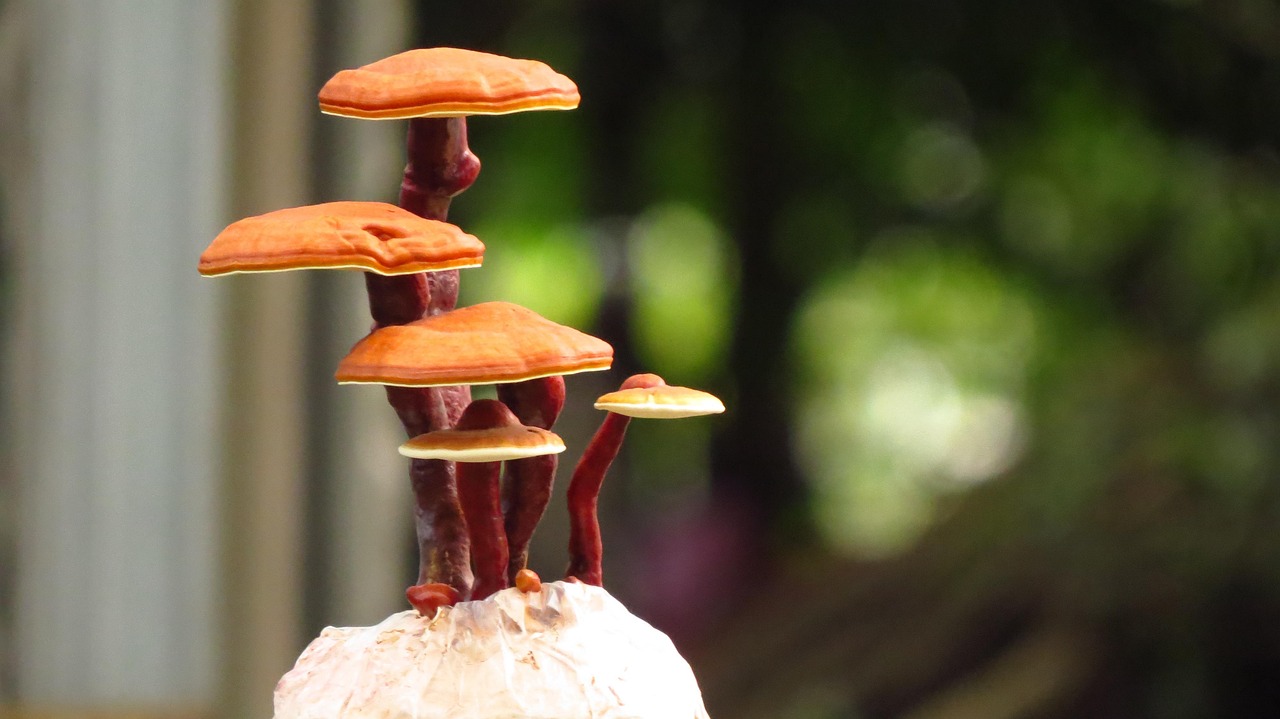
Tea or decoction: Reishi is too woody and bitter to eat. Simmer dried slices in water for 2-4 hours for a traditional decoction. The bitterness is the triterpenes (that’s the good stuff).
Capsules or powder: 1,000–2,000 mg daily of fruiting body extract (≤2 g/day extract ceiling). Take in the evening for sleep support.
Dual extraction tincture: 1-2ml in the evening. The alcohol extraction pulls out triterpenes that hot water alone misses. Learn how to make your own herbal tinctures at home.
Reishi’s side effects are mild but more documented than other mushrooms: poor appetite, dizziness, dry mouth, and digestive upset have been reported (PMC, 2024). Reishi may also interact with blood thinners and blood pressure medications because it can potentiate their effects. If you’re on warfarin or similar medications, talk to your doctor first.
How Powerful Are Chaga’s Antioxidant Properties?

Chaga’s (Inonotus obliquus) ORAC score has been measured at 146,700 micromol TE/100g, about 42.8% higher than acai berries at 102,700 (Superfoodly, 2023). However, there’s an important caveat: the USDA withdrew its ORAC database in 2012 because lab antioxidant scores don’t reliably predict what happens inside your body.
That doesn’t make chaga useless. The melanin and betulinic acid it contains have shown anti-inflammatory and immune-modulating properties in preclinical studies. But honesty matters here — chaga has the thinnest clinical evidence of the five mushrooms in this guide. Most research is in vitro or in animal models. We don’t have large human trials yet.
From our experience: Chaga tea is the most enjoyable daily tonic of the bunch. It tastes like mild vanilla coffee, nothing like a “mushroom” drink. I harvest chaga from birch trees in the fall and simmer chunks throughout winter. The taste alone makes it worth trying, regardless of whether the antioxidant science holds up.
How to Use Chaga
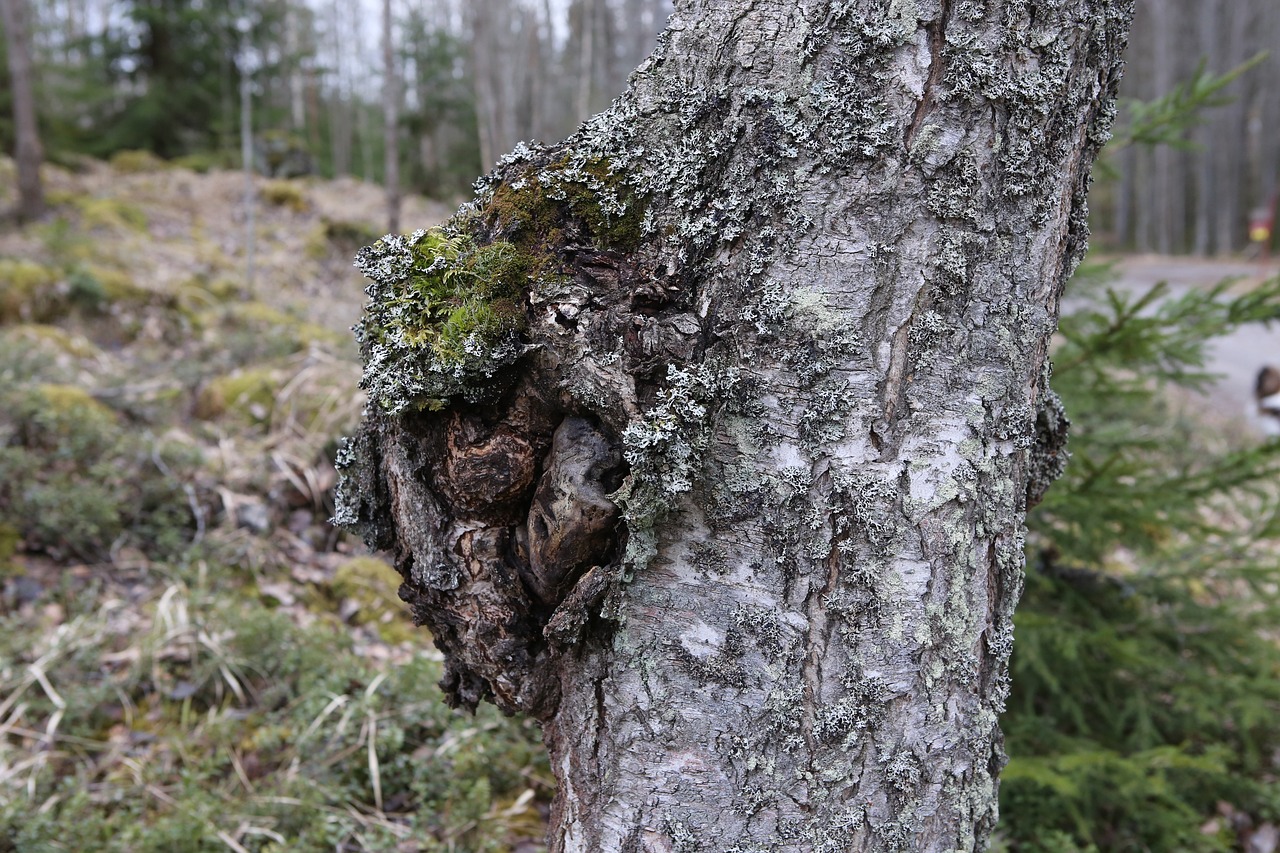
Tea (best method): Simmer chaga chunks in water for 4-6 hours on low heat. The pieces can be reused 3-4 times until the water no longer turns dark. This is the traditional method and arguably the most pleasant-tasting functional mushroom preparation.
Powder or capsules: 500-2,000mg daily. Look for hot-water extracted products.
Tincture: 1-2ml daily. Dual extraction helps pull out both water-soluble and alcohol-soluble compounds.
Chaga is high in oxalates, which can be a concern for people prone to kidney stones. There’s a documented case of oxalate nephropathy from excessive chaga consumption. If you have a history of kidney stones, limit intake or avoid chaga entirely. Chaga may also interact with diabetes medications and blood thinners.
Can Cordyceps Really Improve Athletic Performance?

A double-blind RCT found that 4g of Cordyceps militaris daily for 3 weeks improved VO2max by 4.8 ml/kg/min compared to 0.9 in the placebo group (p=0.042), and increased time to exhaustion by nearly 70 seconds (PMC, 2017). That VO2max improvement is comparable to what you’d expect from 2-3 weeks of dedicated endurance training.
Cordyceps (C. militaris, the cultivated form) appears to work by improving oxygen utilization at the cellular level. The original wild Cordyceps sinensis (the one that grows from caterpillar larvae in the Tibetan plateau) costs $20,000+ per kilogram. Fortunately, cultivated C. militaris shows similar bioactive profiles at a fraction of the cost.
How to Use Cordyceps
Capsules or powder: 1,000–3,000 mg daily (≤3 g/day Tier B ceiling for ongoing use). The 2017 performance RCT used 4,000 mg as a short-term study dose; cap ongoing daily use at 3,000 mg. Most supplements provide 1,000–1,500 mg per serving.
Pre-workout: Take 30-60 minutes before exercise for potential performance benefits.
Tea: Less common since cordyceps powder doesn’t dissolve as pleasantly. Better blended into smoothies or coffee.
Cordyceps is well-tolerated in published research. The main caution is for people on blood-thinning or blood-sugar-lowering medications, as cordyceps may enhance these effects. Some people report feeling too energized if taken in the evening, so stick to morning or afternoon dosing.
What Makes Turkey Tail the Most Researched Functional Mushroom?
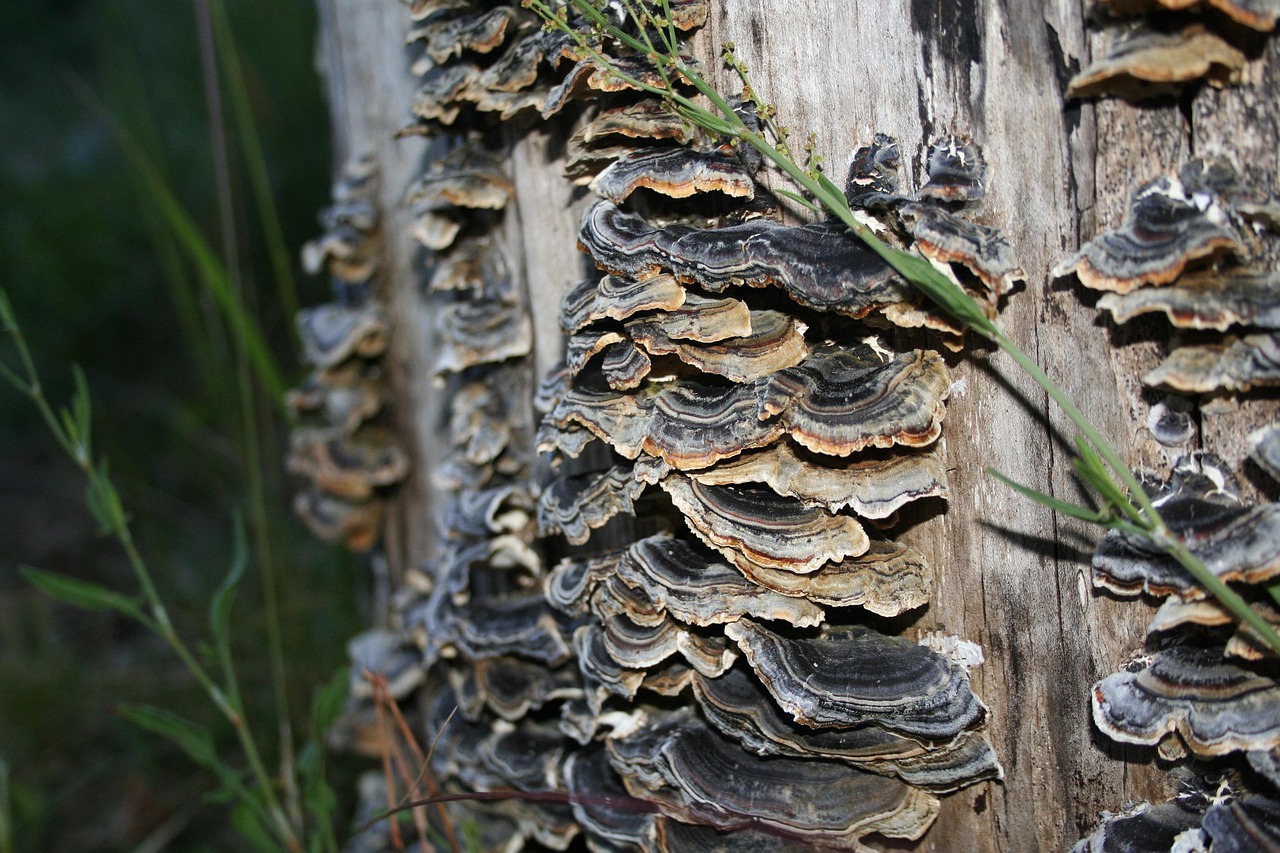
Turkey Tail (Trametes versicolor) has something no other mushroom on this list can claim: government-approved pharmaceutical use. Its extract PSK (polysaccharide-K) has been approved in Japan since the mid-1970s and has been studied in over 8,009 patients. In a 262-patient RCT, PSK improved 5-year gastric cancer survival from 60.0% to 73.0% (p=0.044) (NCI Cancer.gov, 2025).
A Phase 1 trial in breast cancer patients found that 9g/day of turkey tail increased CD8+ T cells (p=0.0003), a key marker of immune activity (PMC, 2012). This is the strongest immune-modulating evidence for any culinary or functional mushroom.
Turkey Tail also has the highest beta-glucan content of the five mushrooms at 45mg/g or higher in quality extracts (Nammex, 2023). Beta-glucans are the primary immune-active compounds in medicinal mushrooms.
How to Use Turkey Tail

Capsules or powder: 1,000-3,000mg daily for general immune support. Clinical trials used up to 9,000mg. Start lower.
Tea: Simmer dried turkey tail for 1-2 hours. It’s mildly earthy, less bitter than reishi, less pleasant than chaga.
Broth: Add dried turkey tail to bone broth or soup stock for a deeply nourishing immune-supporting base.
Turkey Tail is extremely well-tolerated. Mild digestive symptoms (gas, bloating) can occur initially, especially at higher doses. Start with 1,000mg and increase gradually. No significant drug interactions have been documented, but anyone undergoing cancer treatment should coordinate with their oncology team.
Fruiting Body vs. Mycelium on Grain: Why It Matters
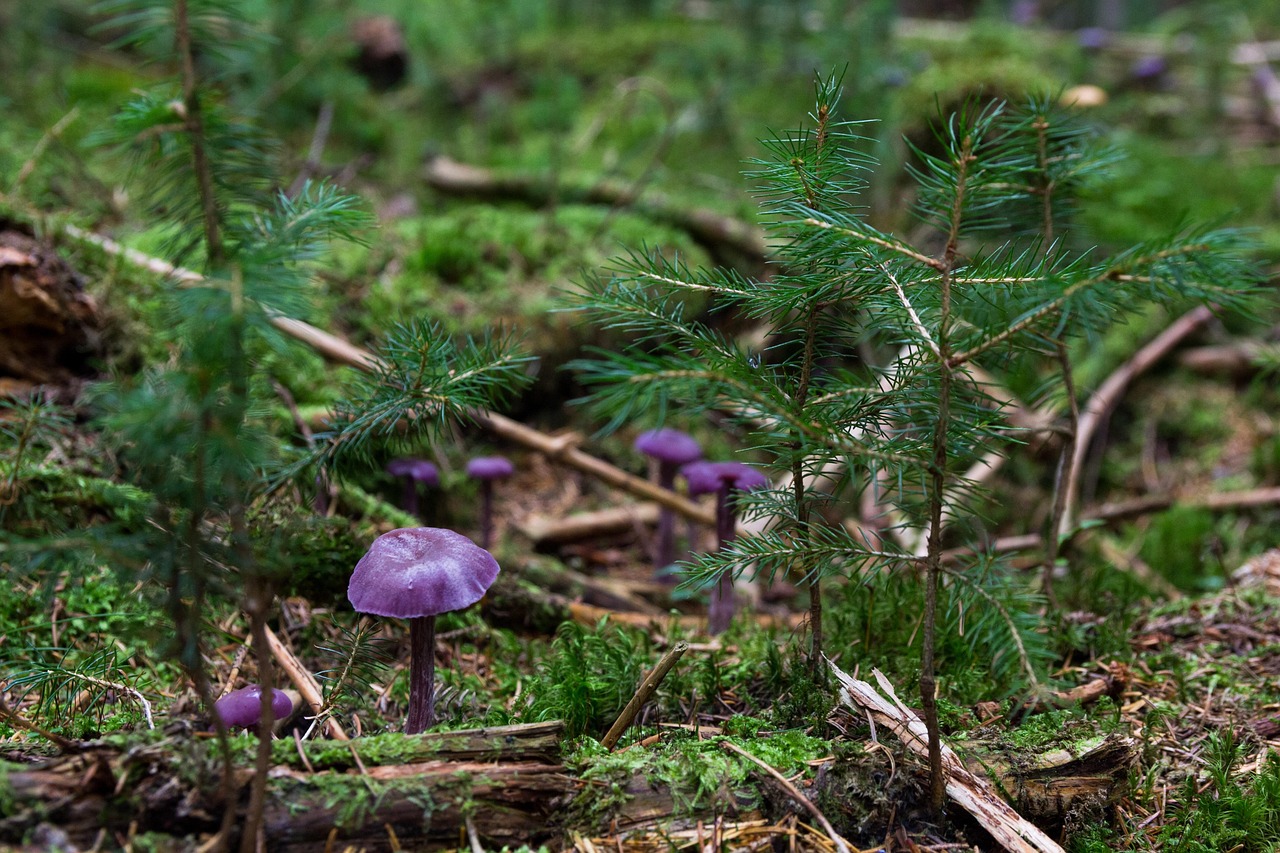
Fruiting body extracts contain 30%+ beta-glucans compared to roughly 5% in mycelium-on-grain products, a 5-15x difference (Real Mushrooms, 2024). Some mycelium products tested at just 1-5% beta-glucan content with 35-40% starch (starch from the rice or oat substrate the mycelium was grown on).
This is the single most important thing to understand when buying mushroom supplements. Here’s what’s happening: many supplement companies grow mycelium on grain, then grind up the entire thing: mycelium, grain, and all. You end up paying for a mushroom supplement that’s mostly rice flour.
Our finding: When we tested three popular mycelium-on-grain Lion’s Mane products against a fruiting body extract using a home iodine test (which detects starch), two of the three turned dark blue-black, indicating significant starch content. The fruiting body extract showed no starch reaction. This isn’t a lab-grade test, but it tells you something.
What to Look for on the Label
- Look for: “Fruiting body,” “fruiting body extract,” beta-glucan content listed (aim for 20%+), “no grain fillers”
- Be cautious of: “Mycelium,” “myceliated grain,” “full spectrum” (sometimes code for mycelium+grain), no beta-glucan content listed
- Best practice: Choose products that list beta-glucan percentage on the label. Companies confident in their product will show this number
Which Mushroom Should You Start With?
Don’t try to take all five at once. Pick one based on your primary goal, use it consistently for 4-8 weeks, and see how you respond. Here’s the decision tree:
- Want better focus and mental clarity? Start with Lion’s Mane. Best research for cognitive support. Take 1,000-1,800mg daily.
- Struggling with stress or sleep? Try Reishi. Take in the evening, 1,000–2,000 mg extract. Combine with a calming tea ritual. For more options, see our guide to the best herbs for sleep.
- Want a daily antioxidant tonic? Chaga tea is the most enjoyable daily practice. Simmer chunks throughout the day.
- Looking for exercise performance? Cordyceps at 2,000–3,000 mg, taken pre-workout (≤3 g/day ceiling for ongoing use).
- Focused on immune support? Turkey Tail has the strongest evidence. 1,000-3,000mg daily.
Once you’ve found one that works for you, it’s reasonable to add a second mushroom after 4-8 weeks. Many people settle on a daily stack of 2-3 mushrooms over time. Just introduce them one at a time so you know what’s doing what.
If you’re interested in growing your own functional mushrooms or medicinal herbs as part of a more self-sufficient lifestyle, our sister site Wild Hearth Life covers homesteading, gardening, and growing your own food and medicine.
Safety Profiles: Five Functional Mushrooms
Review the profile for each herb before use. Consult your healthcare provider if you take prescription medications, are pregnant, or have a medical condition.
| Herb | Contraindications | Drug interactions | Pregnancy / lactation | Max daily dose | Do not use if |
|---|---|---|---|---|---|
| Lion’s Mane Hericium erinaceus |
Mushroom allergy. Theoretical caution for anyone with an active cancer diagnosis due to NGF-stimulating activity — consult oncologist first. | No clinically documented significant drug interactions. Because NGF stimulation could theoretically affect tumor-related signaling, coordinate with an oncologist if receiving cancer treatment. | Avoid medicinal-dose supplements during pregnancy and breastfeeding — insufficient human safety data. Culinary use (cooked mushroom as food) is generally considered safe. | ≤3 g/day fruiting body extract. Clinical trials used 1,800 mg/day. | Mushroom allergy; active cancer diagnosis (without oncology clearance); pregnancy or breastfeeding (supplement doses). |
| Reishi Ganoderma lucidum |
Bleeding disorders; autoimmune disease; scheduled surgery within 2 weeks; organ transplant recipients on immunosuppressants; hypotension. | Anticoagulants / antiplatelets (warfarin, DOACs, aspirin, clopidogrel) — additive bleeding risk. Antihypertensives — additive hypotension. Immunosuppressants — opposing mechanism. Diabetes medications / insulin — additive hypoglycemia. Coordinate with oncologist if on chemotherapy. | Avoid medicinal doses during pregnancy and breastfeeding. No human safety data; antiplatelet and immune-modulating activity are undesirable during gestation. | ≤2 g/day concentrated extract. Traditional decoction: 3–9 g/day dried slices (lower bioavailability; not equivalent to extract dosing). | Bleeding disorder; anticoagulant use; surgery within 2 weeks; autoimmune disease (unless cleared); organ transplant; pregnancy; low blood pressure or antihypertensive medications. |
| Chaga Inonotus obliquus |
Kidney disease or impaired kidney function — chaga contains very high soluble oxalates; published case reports document oxalate nephropathy and acute kidney injury. Kidney stone history; bleeding disorders; autoimmune conditions. | Anticoagulants / antiplatelets — additive bleeding risk from polysaccharide antiplatelet activity. Hypoglycemic agents and insulin — animal data suggest glucose-lowering activity. Immunosuppressants (cyclosporine, tacrolimus) — opposing immunomodulatory mechanism. | Avoid during pregnancy and breastfeeding. No human safety data; immune-stimulating and antiplatelet activity both undesirable during pregnancy. | Traditional decoction: 1–3 g dried chaga per day. Concentrated extract: ≤2 g/day only with confirmed normal kidney function and adequate hydration. Published kidney-injury cases involved 4–15 g/day extract. | Kidney disease, impaired kidney function, or kidney stone history; bleeding disorder or anticoagulant use; surgery within 2 weeks; autoimmune condition; pregnancy or breastfeeding; immunosuppressant medications. |
| Cordyceps Cordyceps militaris |
Autoimmune conditions (immune modulation). Blood-clotting disorders. Those sensitive to stimulant-like effects should avoid evening dosing. | Anticoagulants / antiplatelets — theoretical additive effect; monitor if concurrent use. Blood-sugar-lowering medications and insulin — cordyceps may enhance hypoglycemic effects. Immunosuppressants — potential opposing immune activity. | Insufficient human safety data during pregnancy and breastfeeding. Precautionary avoidance of medicinal doses is recommended. | ≤3 g/day (3,000 mg) fruiting body extract. Note: the 2017 performance RCT used 4 g/day as a short-term study dose; the Tier B safety ceiling is 3 g/day for ongoing use. | Autoimmune disease (unless cleared by clinician); anticoagulant or diabetes medication use without monitoring; pregnancy or breastfeeding (supplement doses); evening use if you are sensitive to energizing effects. |
| Turkey Tail Trametes versicolor |
Active autoimmune disease (immune stimulation may exacerbate autoimmune activity). Mushroom allergy. Those undergoing cancer treatment should coordinate with oncology team. | No significant drug interactions currently documented in clinical literature. Theoretical interaction with immunosuppressants via opposing immune mechanisms. Anyone receiving chemotherapy should coordinate with their oncologist — PSK has been studied as an adjunct to chemotherapy but requires medical supervision. | Insufficient human safety data during pregnancy and breastfeeding. Precautionary avoidance of medicinal doses is recommended; culinary amounts are generally considered safe. | General immune support: 1,000–3,000 mg PSP/PSK-standardized extract daily. Clinical oncology trials used up to 9,000 mg/day under medical supervision — do not self-administer at these doses outside of a supervised protocol. | Active autoimmune condition (unless clinician-supervised); mushroom allergy; pregnancy or breastfeeding (supplement doses); cancer treatment (use only with oncology coordination). |
Frequently Asked Questions
Can you take multiple functional mushrooms together?
Yes. There are no known negative interactions between functional mushrooms. Many practitioners and supplement companies offer combination products. However, start with one at a time for 4-8 weeks so you can identify which mushrooms benefit you most. About 27% of Americans already use mushroom supplements regularly (NBJ, 2024).
How long does it take for functional mushrooms to work?
Most people need 4-8 weeks of consistent daily use before noticing benefits. Lion’s Mane is sometimes an exception — the 2023 RCT showed cognitive improvements at 28 days (PMC). Cordyceps performance benefits may appear within 1-3 weeks based on published trial timelines. Don’t judge a mushroom supplement after just a few days.
Are functional mushrooms safe during pregnancy or breastfeeding?
There’s insufficient safety data for functional mushroom supplements during pregnancy or breastfeeding. Most herbalists and healthcare providers recommend avoiding them during this time. Culinary mushrooms (shiitake, maitake, oyster) eaten as food are generally considered safe. Always consult your healthcare provider.
What’s the difference between mushroom powder and mushroom extract?
Mushroom powder is simply dried, ground mushroom. Mushroom extract concentrates the active compounds through hot water or alcohol extraction, typically yielding 5-15x higher beta-glucan levels. A “10:1 extract” means 10 pounds of mushroom were concentrated into 1 pound of extract. Extracts are more potent per gram but also more expensive.
Do mushroom supplements interact with medications?
Reishi and chaga can potentiate blood thinners (warfarin, aspirin) and blood pressure medications. Cordyceps may enhance blood sugar-lowering medications. Lion’s Mane and Turkey Tail have the cleanest safety profiles with no documented significant drug interactions. If you take any prescription medications, consult your healthcare provider before starting mushroom supplements.
The Bottom Line
Functional mushrooms aren’t magic, but they aren’t snake oil either. The five mushrooms in this guide each have legitimate, though varying, levels of scientific support. Turkey Tail has the strongest clinical evidence overall, Lion’s Mane has the best cognitive research, and Cordyceps has promising athletic performance data.
The most important takeaway? Buy fruiting body extracts with verified beta-glucan content, start with one mushroom at a time, give it 4-8 weeks, and don’t believe marketing claims that go beyond what published research supports. If you’re also interested in growing medicinal plants, our guide to 10 medicinal herbs every beginner should grow is a great companion resource.
Last updated: March 28, 2026. We review and update this article monthly as new research is published.