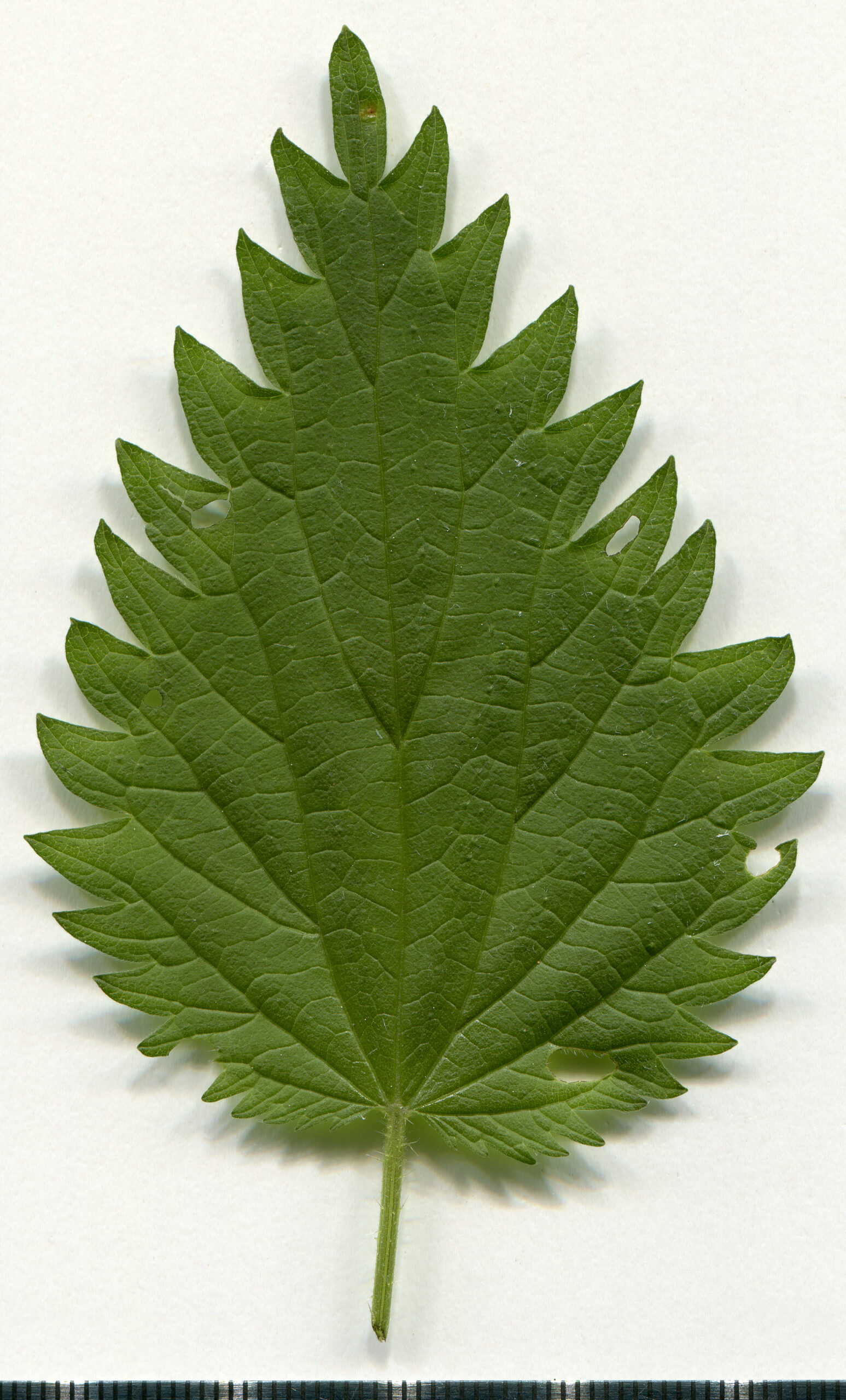
Stinging nettle (Urtica dioica) is the plant almost everyone has an opinion about before they have actually met it. If you grew up in a region where it thrives, you probably know it as the thing that ruined an afternoon in the woods. If you are a forager or herbalist, you know it as one of the most nutrient-dense and useful wild greens in the temperate world. Both of those descriptions are true, and the gap between them says a lot about how much ordinary knowledge we have lost about wild plants.
Nettle has real research behind it for seasonal allergies and enlarged prostate, a nutritional profile that rivals cultivated leafy greens, and a place in traditional European and Native American medicine going back millennia. It is also surprisingly easy to harvest without getting stung (once you know the trick) and loses its sting completely when dried or cooked.
Key Takeaways
- Nettle has clinical evidence for allergic rhinitis — Mittman 1990 RCT showed freeze-dried nettle reduced hay fever symptoms vs placebo.
- Research also supports nettle root for BPH (benign prostatic hyperplasia) symptom relief.
- Nutritionally remarkable — high in iron, calcium, magnesium, and vitamin K (which is also why it interacts with warfarin).
- The sting is deactivated by drying, cooking, blending, or prolonged drying — dried or cooked nettle cannot sting you.
- One of the easiest and most abundant wild foods to harvest — in its native range, nettle is nearly unmissable in spring.
What Is Stinging Nettle?
.jpg)
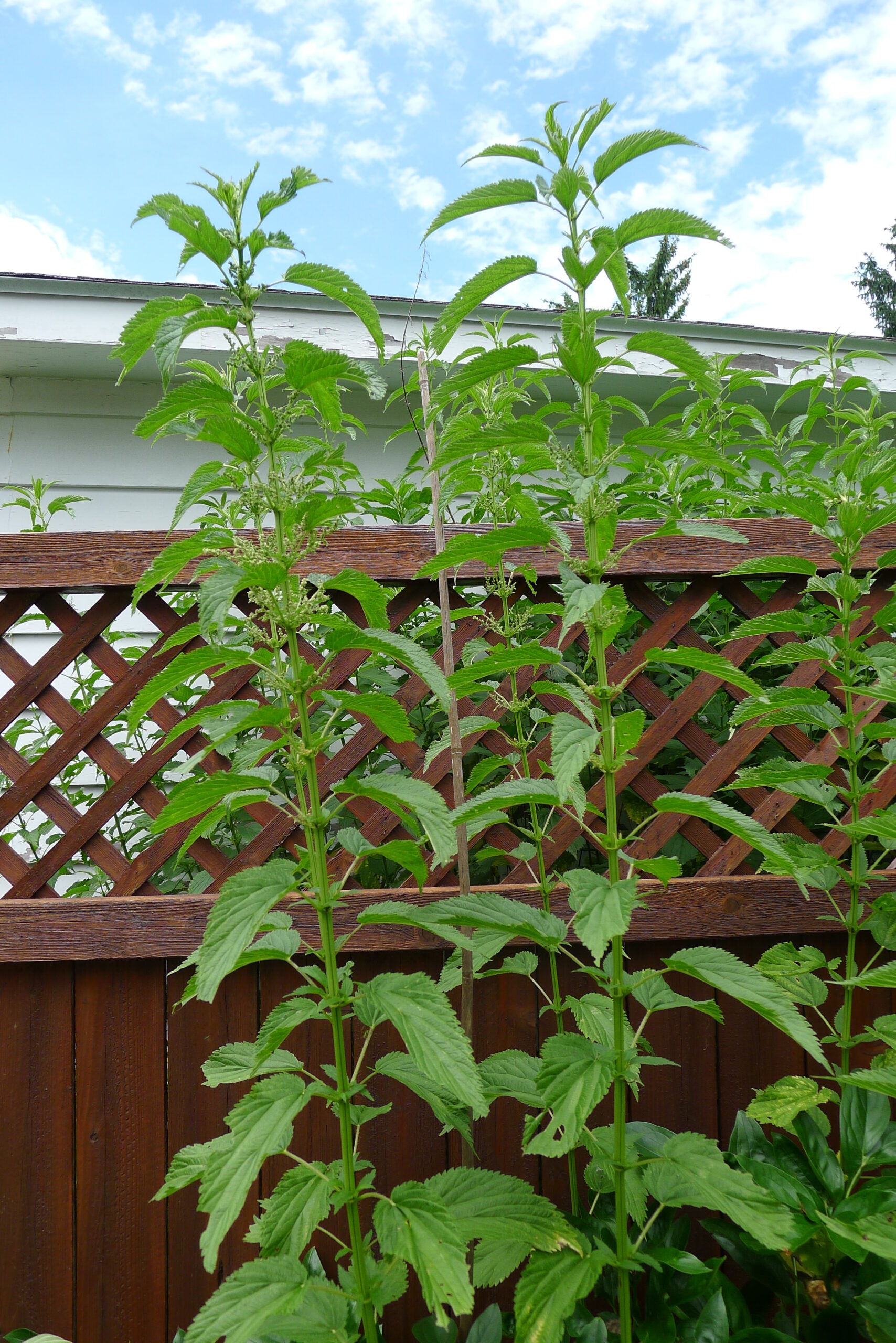
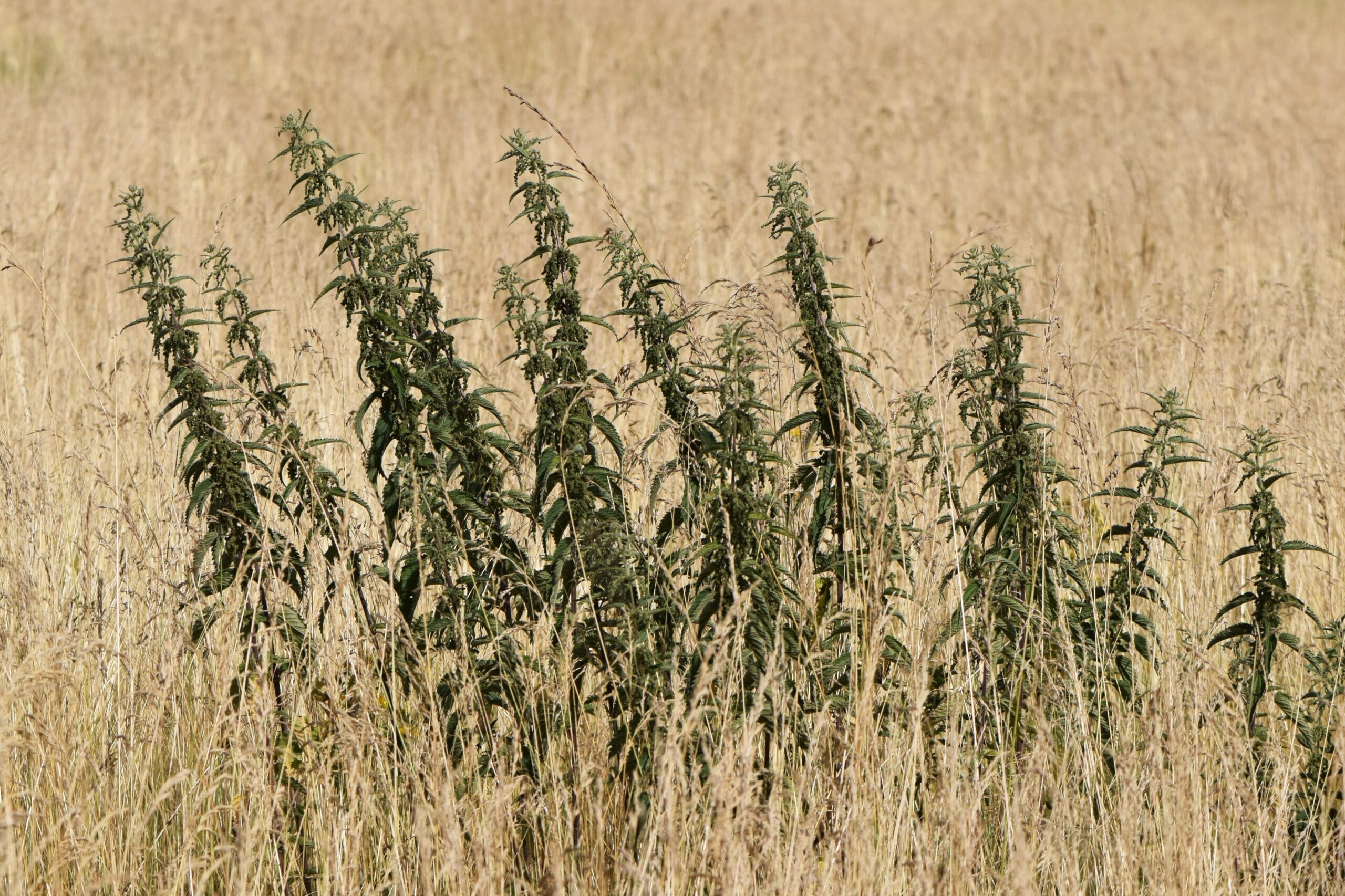
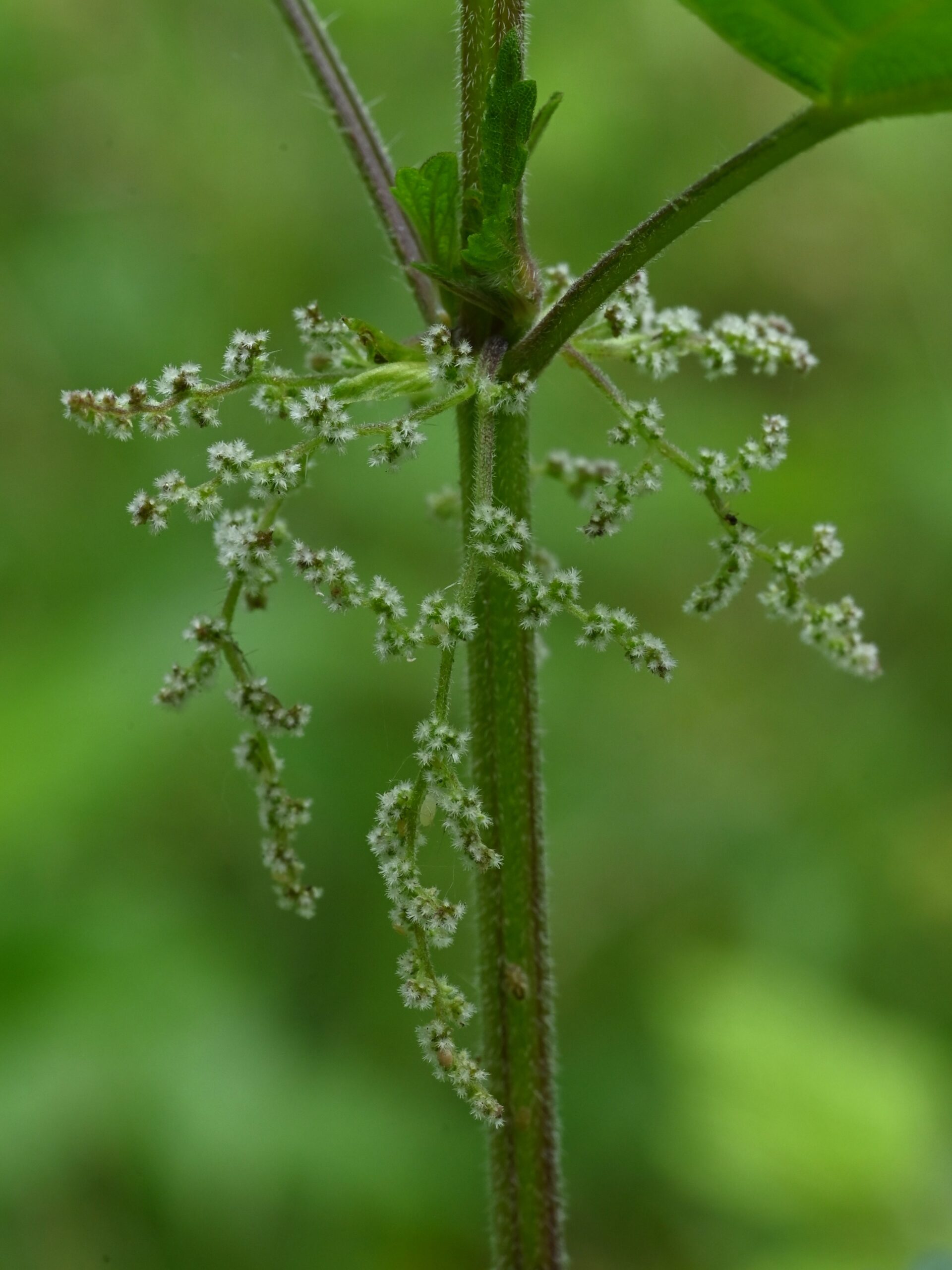
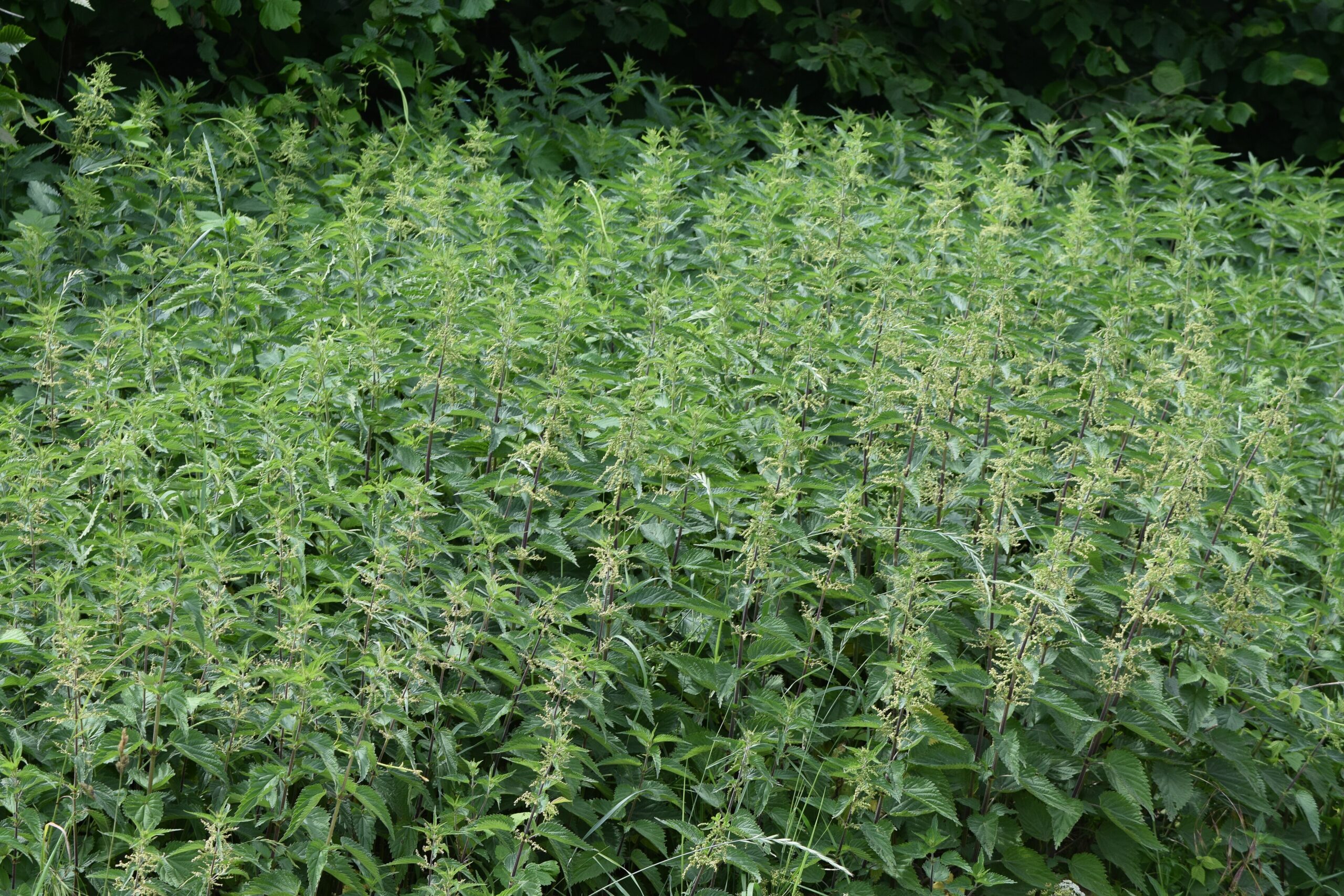
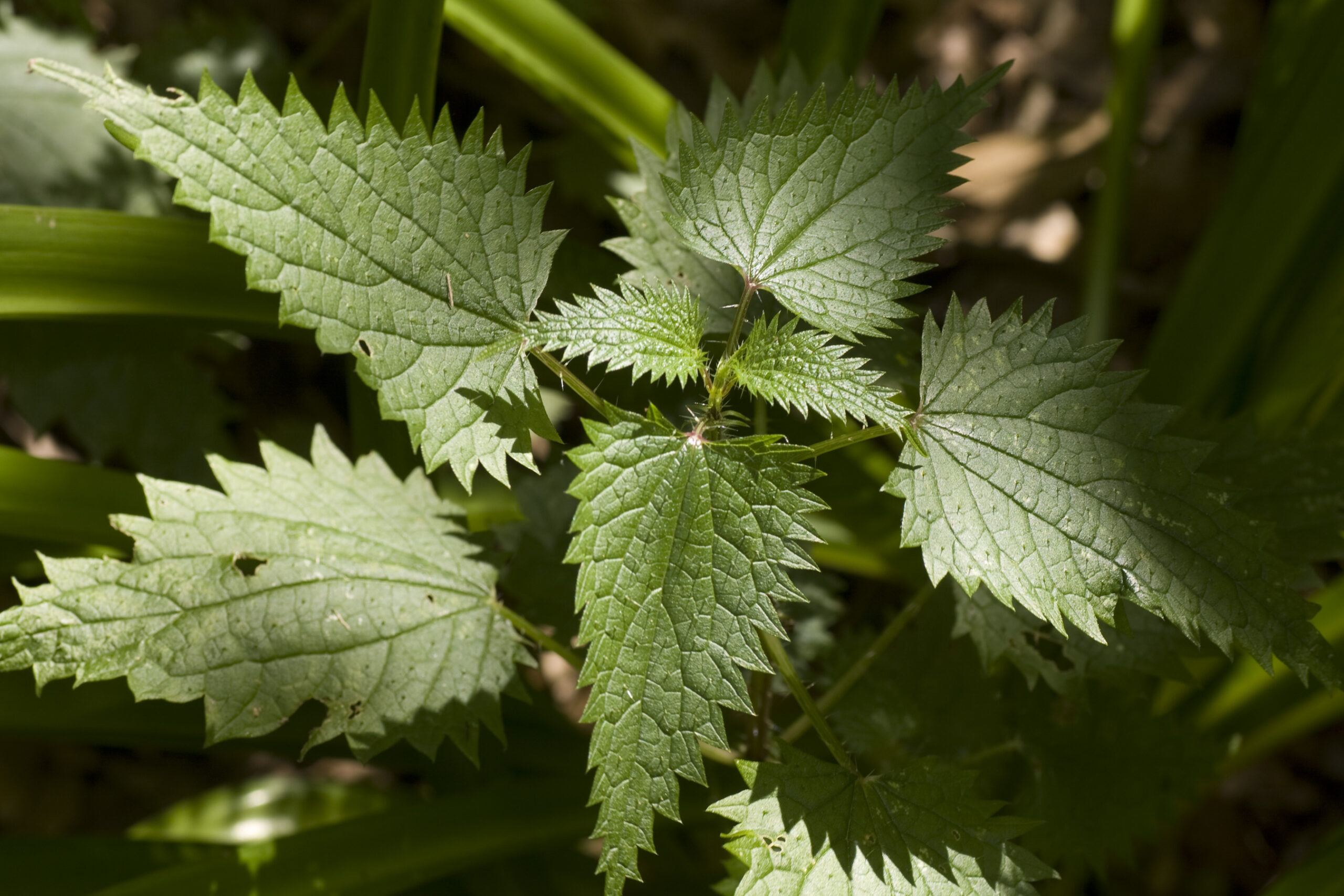
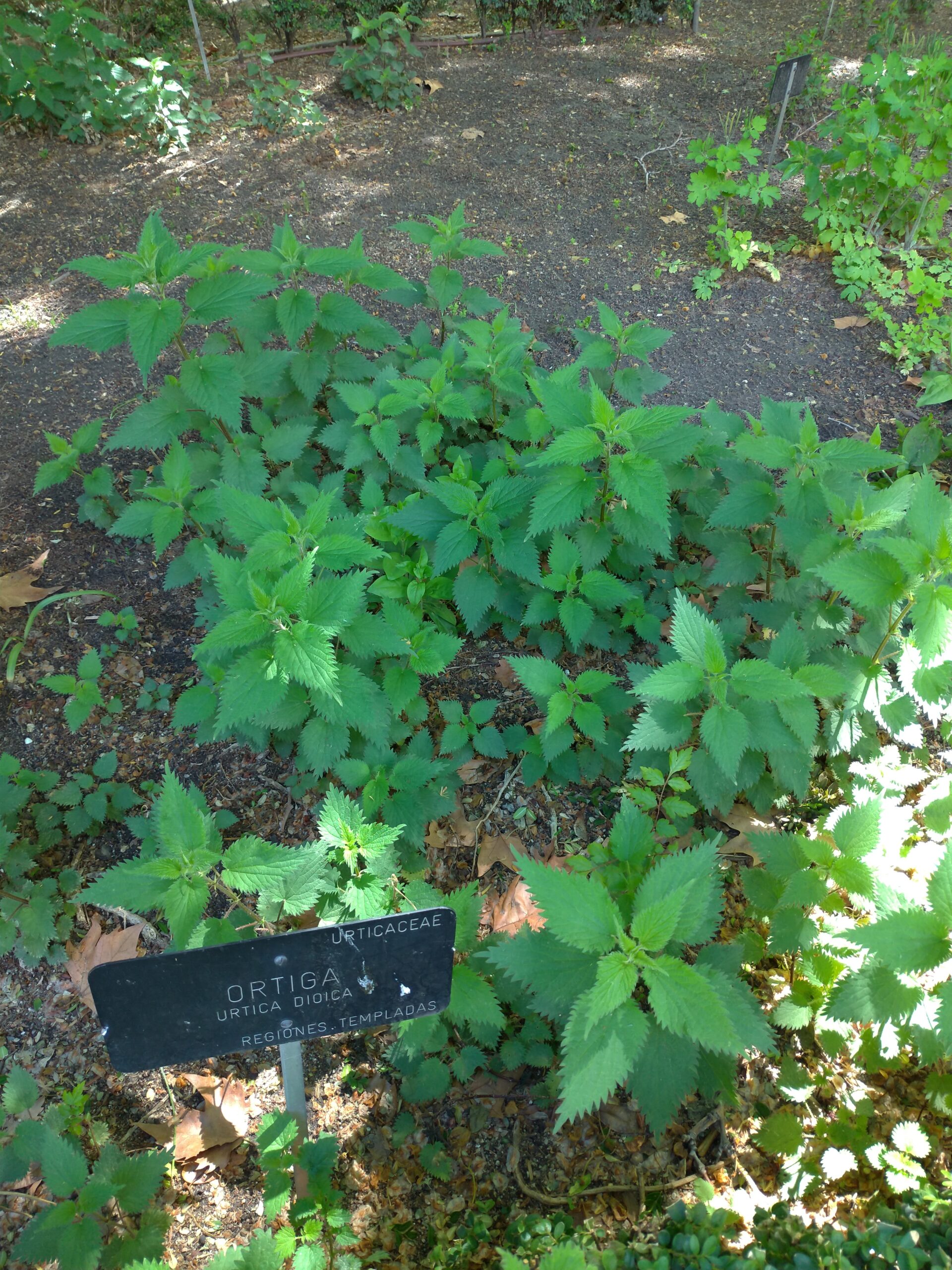
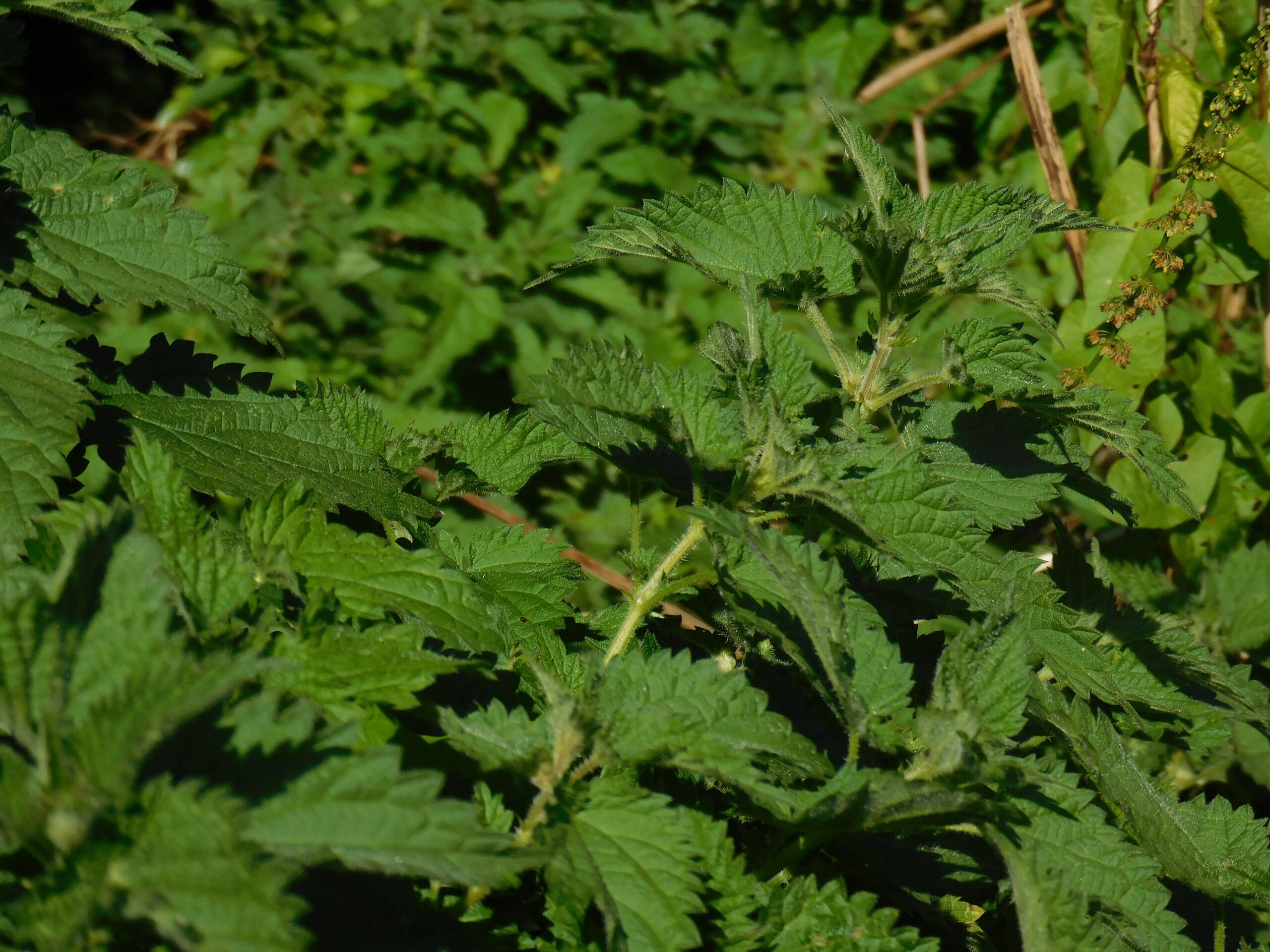
Stinging nettle (Urtica dioica) is a perennial herbaceous plant native to Europe, Asia, northern Africa, and parts of North America. It grows 2–7 feet tall in moist, nitrogen-rich soils — often marking old settlements, manure piles, forest edges, and disturbed ground. The leaves are opposite, serrated, and heart-shaped at the base. Both the leaves and stems are covered in fine hollow hairs (trichomes) that break off on contact, injecting a mixture of histamine, acetylcholine, serotonin, and formic acid into whoever touched them. The result is the familiar burning, itchy welt.
The sting is the defense mechanism of an otherwise remarkably useful plant. As soon as you cook, dry, freeze, or blend the leaves, the hairs collapse and the sting disappears. This is why a blanched nettle soup is completely safe to eat, and why dried nettle tea has been consumed for centuries without anyone needing medical attention.
The Research

Allergic rhinitis (seasonal allergies)

The most-cited clinical study on nettle is Mittman 1990, a randomized double-blind trial of freeze-dried nettle in patients with allergic rhinitis. Participants took either 300 mg capsules of freeze-dried nettle or placebo during allergy season. The nettle group reported significantly greater improvement in allergy symptoms, with 58% rating nettle as moderately to highly effective compared to 37% for placebo.
This is a modest effect, not a cure for allergies — but it is a real, replicable finding, and multiple subsequent studies have examined the mechanism. Nettle appears to inhibit histamine release and block certain inflammatory mediators involved in the seasonal allergy response. Freeze-dried or fresh nettle preparations seem to be more effective than cooked nettle for this purpose, because some of the active compounds are heat-sensitive.
Benign prostatic hyperplasia (BPH)
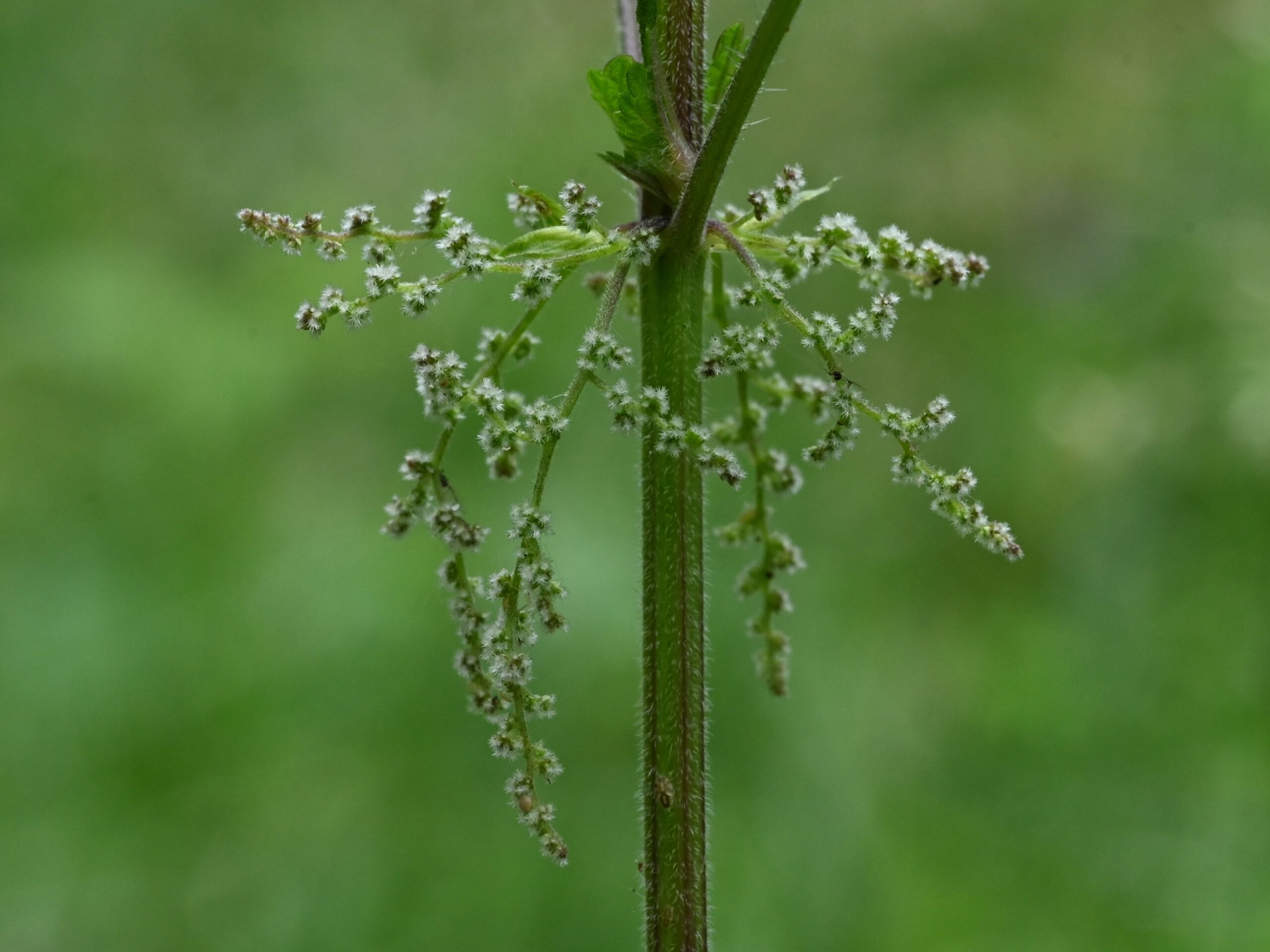

Nettle root — a separate preparation from nettle leaf — has a meaningful clinical research base for benign prostatic hyperplasia, the age-related prostate enlargement that affects most men over 50. Safarinejad 2005 was a six-month double-blind RCT of nettle root extract in 620 men with BPH. The nettle group showed significant improvements in International Prostate Symptom Score and urinary flow rate compared to placebo. Other trials have replicated similar findings, often in combination with saw palmetto.
The proposed mechanisms involve nettle root lignans interacting with sex hormone-binding globulin and 5-alpha-reductase activity. Nettle root is frequently included in BPH formulations alongside saw palmetto, and the two together have been studied in European practice for decades.
Joint pain and inflammation
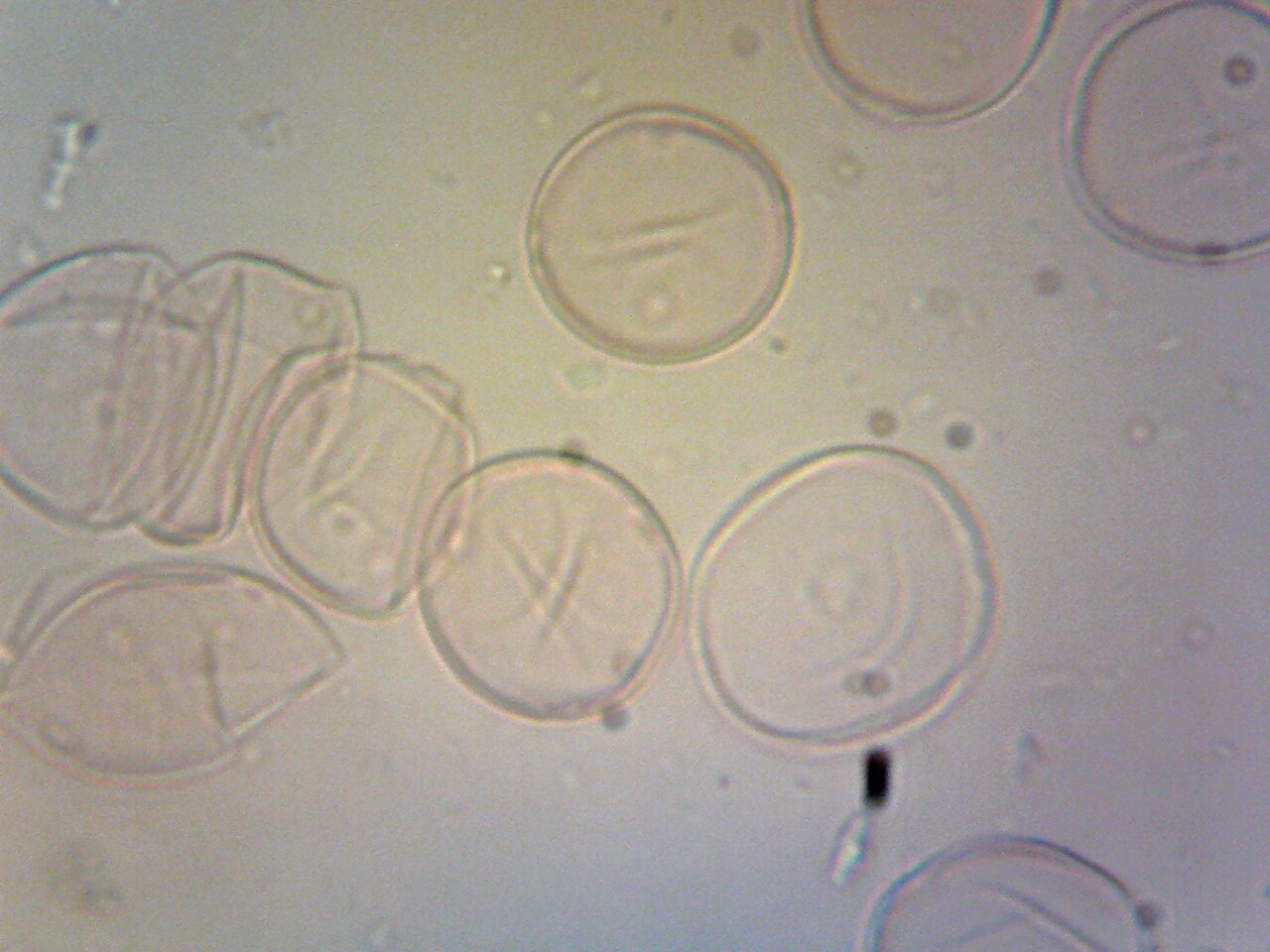
Traditional European practice used nettle topically for joint pain — literally stinging the painful area with fresh nettles. Small clinical studies support a modest analgesic effect from topical nettle application on arthritic joints. The mechanism likely involves the sting itself (counterirritant effect) and anti-inflammatory compounds in the plant.
Nutritional Value

Nettle is one of the most nutrient-dense wild greens available in the temperate zone. Dried nettle (per 100 g) provides substantial amounts of iron, calcium, magnesium, potassium, vitamin A (as beta-carotene), vitamin K, vitamin C, and protein. Fresh cooked nettle in a soup or sautéed as a green delivers much of the same nutrition at reasonable portion sizes.
A practical caveat on iron: plant-source iron (non-heme iron) is less bioavailable than iron from animal foods. Nettle is not a substitute for iron supplementation in people with clinical iron-deficiency anemia — but as a regular dietary contribution, it is better than most cultivated greens.
How to Harvest Nettle Without Getting Stung
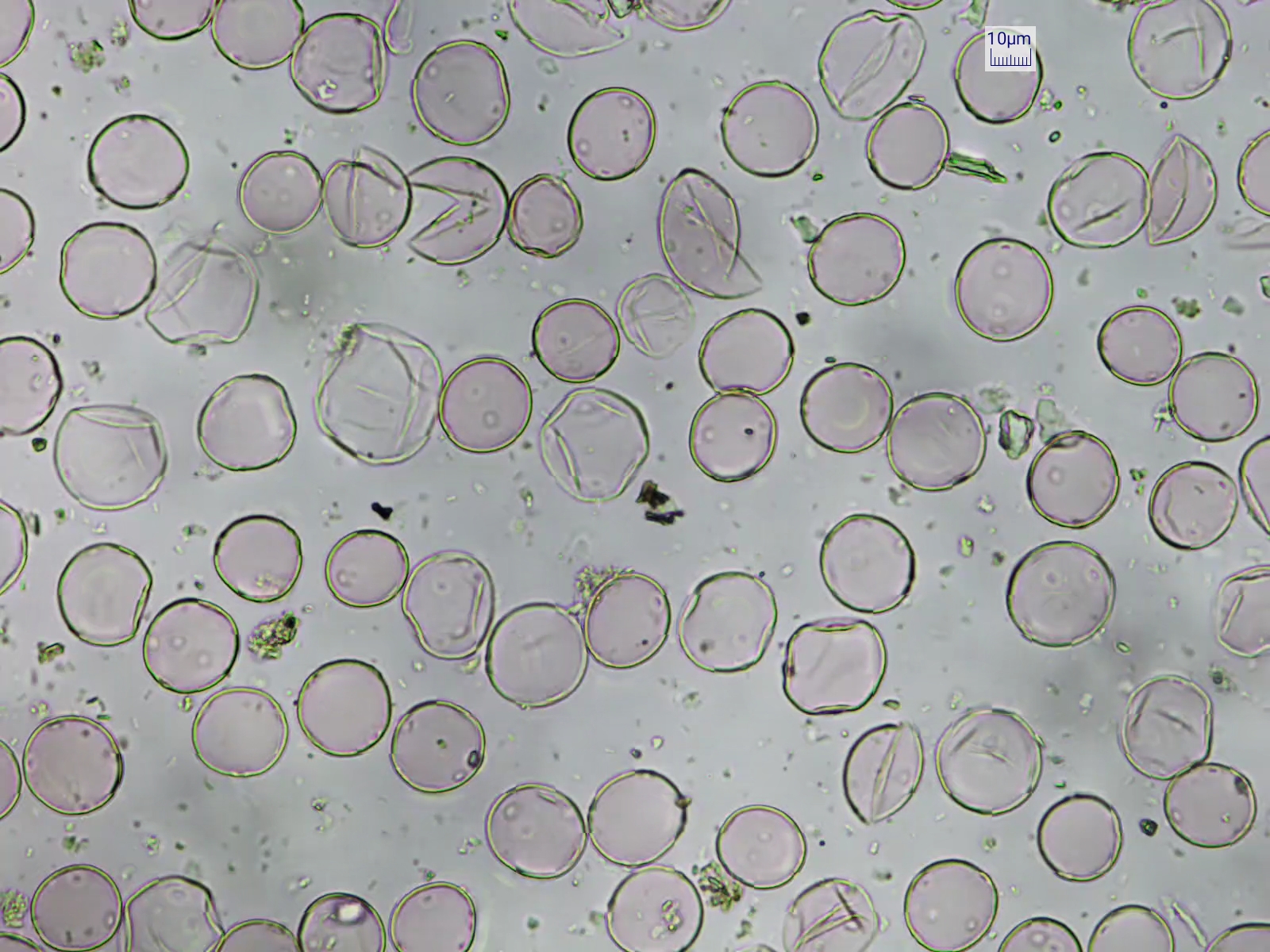

Here is the foraging trick most people don’t know: grab the leaves firmly from the underside with full contact, moving confidently. The stinging hairs lie mostly on the top of the leaves and stems and are oriented to pierce skin that brushes against them. A firm grip from below, with enough pressure to crush the hairs against the leaf surface, usually produces no sting at all. Tentative, fingertip-only contact is what gets you stung.
Better still: wear thin gardening gloves for the first few times. Or harvest with scissors or pruners directly into a bag. Once you have a handful, the sting is no longer a concern — the moment you wash, wilt, cook, or dry the leaves, they become completely safe to handle.
When to harvest: early spring, when the plants are 6–12 inches tall and the leaves are young, tender, and most nutrient-dense. Later in the season, nettle develops gritty cystoliths (calcium oxalate particles) that can irritate the kidneys, and the leaves become tough. Harvest only the top 4–6 inches of young shoots.
Where to harvest: moist, rich soil along stream edges, forest margins, fencerows, abandoned gardens, and old homesteads. Avoid roadsides, lawn-chemical zones, and downstream of conventional farms. Nettle bioaccumulates some environmental contaminants, so clean sites matter.
How to Use Nettle

Cooked as a green

Blanch fresh nettle in boiling salted water for 30 seconds to 1 minute, then drain and rinse. Use anywhere you would use spinach — in soups, sautés, frittatas, pasta fillings, pesto. The flavor is slightly grassier and more mineral than spinach, pleasant on its own.
Dried for tea

Hang bundles of nettle upside down in a warm, dry, well-ventilated area out of direct sun for 1–2 weeks until crisp. Strip leaves from stems and store in airtight jars. For tea, use 1–2 teaspoons of dried leaf per cup, steeped 10 minutes covered. Nettle tea has a mild, grassy, slightly iron-y flavor and can be drunk daily.
Infusion (medicinal strength)

A traditional nettle infusion uses 1 ounce (28 g) of dried nettle per quart of water, steeped 4+ hours or overnight. This produces a concentrated, mineral-rich drink used in folk herbalism for “nourishing” properties. Refrigerate and drink within 36 hours.
Tincture

Fresh nettle tincture (1:2 in 95% alcohol) is the most common form for allergic rhinitis. Typical dose: 2–4 mL (about half to one teaspoon), 2–3 times daily during allergy season. See our tincture guide.
Capsules
Freeze-dried nettle leaf capsules (300 mg) are the form used in the Mittman 1990 RCT. Typical dose: 300–600 mg at the onset of allergy symptoms, repeated as needed.
Safety and Interactions
Vitamin K and anticoagulants. Nettle is rich in vitamin K, which can reduce the effectiveness of warfarin. If you take warfarin, either avoid regular nettle consumption or, preferably, tell your prescriber and have your INR monitored if you want to include it in your diet.
Diuretics. Nettle has a mild diuretic effect that can be additive with prescription diuretics.
Diabetes medication. Nettle may lower blood sugar modestly. If you take metformin, sulfonylureas, or insulin, monitor blood sugar when adding regular nettle intake.
Pregnancy. Traditional use in pregnancy is long-standing and generally considered safe at dietary (food and tea) doses, but medicinal-strength nettle infusions and nettle root should be avoided in early pregnancy without clinical supervision.
Kidney issues. The gritty cystoliths in older nettle leaves can irritate sensitive kidneys. Stick with young spring nettles for regular consumption.
Safety Profile: Stinging Nettle (Urtica dioica)
- Contraindications
- Nettle is generally well tolerated, but diuretic use is a relative contraindication: nettle has documented mild diuretic activity that is additive with prescription diuretics (furosemide, hydrochlorothiazide), and the combination may cause excessive fluid and electrolyte loss. Blood pressure medications: additive hypotensive effects have been reported; patients on multiple antihypertensives should discuss nettle use with their prescriber before adding it regularly.
- Drug interactions
- Anticoagulants (warfarin and vitamin K antagonists): nettle leaf is high in vitamin K, which directly antagonizes warfarin’s anticoagulant effect — INR may decrease with regular high-intake nettle consumption; if you take warfarin, either avoid regular medicinal nettle doses or have INR monitored. Lithium: nettle’s diuretic effect reduces lithium clearance, potentially raising lithium blood levels to toxic range; this interaction is clinically significant and nettle should be avoided in patients on lithium. Diuretics (furosemide, thiazides): additive diuretic effect. Diabetes medications (metformin, sulfonylureas, insulin): animal and in vitro data suggest blood glucose lowering; monitor if taking antidiabetics. Antihypertensives: additive blood pressure lowering.
- Pregnancy / lactation
- Cooked nettle leaves and nettle tea are considered safe at dietary amounts in the 2nd and 3rd trimesters, and nettle is nutritionally valuable (iron, folate, calcium). The 1st trimester warrants caution — traditional herbalism advises avoiding large amounts of nettle root and medicinal-strength infusions (1 oz dried leaf/quart water) in the first trimester due to theoretical uterine stimulant concerns, though this risk is not well documented in clinical literature. During lactation, nettle is culturally used as a galactagogue and is generally regarded as safe; standard tea preparations are unlikely to cause harm.
- Maximum recommended daily dose
- Leaf tea: 2–4 cups/day (standard infusion, 1–2 tsp dried leaf per cup). Standardized extract: 300 mg three times daily (the dose used in the Mittman 1990 allergy RCT). Freeze-dried capsules: 300 mg TID (three times daily), the form with the best clinical evidence for allergic rhinitis. Nourishing infusion (1 oz/quart): 1–2 cups daily is common traditional use; higher volumes not evaluated in trials.
- Do not use if
-
- You take lithium (nettle’s diuretic effect reduces clearance and may cause toxicity)
- You are on multiple antihypertensive medications (additive hypotension risk)
- You have severe kidney disease (monitor fluid balance; consult provider)
- You are in the 1st trimester of pregnancy (avoid medicinal-strength preparations; dietary amounts generally considered acceptable)
Frequently Asked Questions
Does nettle actually help with allergies?
Based on the Mittman 1990 RCT and subsequent research, yes — modestly. It is not as effective as prescription antihistamines, but many people find it useful either alone for mild allergies or as a complement to other strategies. Fresh or freeze-dried nettle is more effective than cooked nettle for this specific use because some of the active compounds are heat-sensitive.
Is it safe to drink nettle tea every day?
For most healthy people, yes. Nettle tea is one of the most traditional daily “nourishing” beverages in European herbal practice. The main cautions are if you take warfarin (vitamin K content), diuretics, or diabetes medication, or if you have kidney disease (talk to your doctor).
Can I eat nettle like spinach?
Absolutely. Blanched or cooked nettle is completely sting-free and works in any recipe that calls for cooked greens. Nettle soup, nettle pesto, nettle quiche, and nettle risotto are all traditional European preparations that highlight its flavor and nutrition.
Are nettle leaf and nettle root the same thing?
No — they are harvested from the same plant but used for different purposes. Nettle leaf is the food and nutritional tonic, and has the allergy research. Nettle root is primarily used for BPH and has a different compound profile, including lignans that affect hormone metabolism.
The Bottom Line
Nettle is one of the most useful wild plants in the temperate world — genuinely nutritious, pleasant to eat once you get past the sting, research-supported for seasonal allergies and BPH, and abundant in the wild for anyone willing to learn to identify and harvest it. For most people, integrating dried nettle tea or fresh spring nettles into regular cooking is a safe and rewarding practice with real nutritional and mild therapeutic benefits.
If you’re taking warfarin or have kidney issues, talk to a clinician first. Otherwise: find a clean patch, bring gloves the first few times, and make nettle soup. You’ll understand why people have been eating this plant for 2,000 years.
See also: spring foraging guide, 10 medicinal herbs every beginner should grow.
References
- Mittman P. “Randomized, double-blind study of freeze-dried Urtica dioica in the treatment of allergic rhinitis.” Planta Med. 1990;56(1):44–47.
- Safarinejad MR. “Urtica dioica for treatment of benign prostatic hyperplasia: a prospective, randomized, double-blind, placebo-controlled, crossover study.” J Herb Pharmacother. 2005;5(4):1–11.
- Randall C et al. “Randomized controlled trial of nettle sting for treatment of base-of-thumb pain.” J R Soc Med. 2000;93(6):305–309.