Valerian is the most famous herbal sleep aid in the Western tradition — and also one of the most honestly mixed in terms of clinical evidence. Memorial Sloan Kettering’s review puts it plainly: “Valerian may provide modest improvements in sleep, but study results are mixed” (MSK About Herbs). That mixed picture is the honest story — valerian works well for some people, not at all for others, and the research literature reflects that inconsistency.
This guide walks through what the research actually shows, why valerian smells the way it smells (dirty socks, famously), how valerenic acid interacts with GABA receptors, which preparation is most likely to work, and the real contraindications you should not skip.
Key Takeaways
- Sleep evidence is genuinely mixed — some studies show modest benefit, others show no effect vs placebo (MSK).
- Valerenic acid is the main active, binding to GABA-A receptors similarly to (but far more weakly than) benzodiazepines.
- Response varies widely between individuals. If valerian works for you, you’ll notice within a few nights; if it doesn’t, it probably never will.
- Do not combine with benzodiazepines, barbiturates, or alcohol — additive CNS depression.
- Stop at least one week before surgery due to anesthesia interactions (MSK).
What Is Valerian?
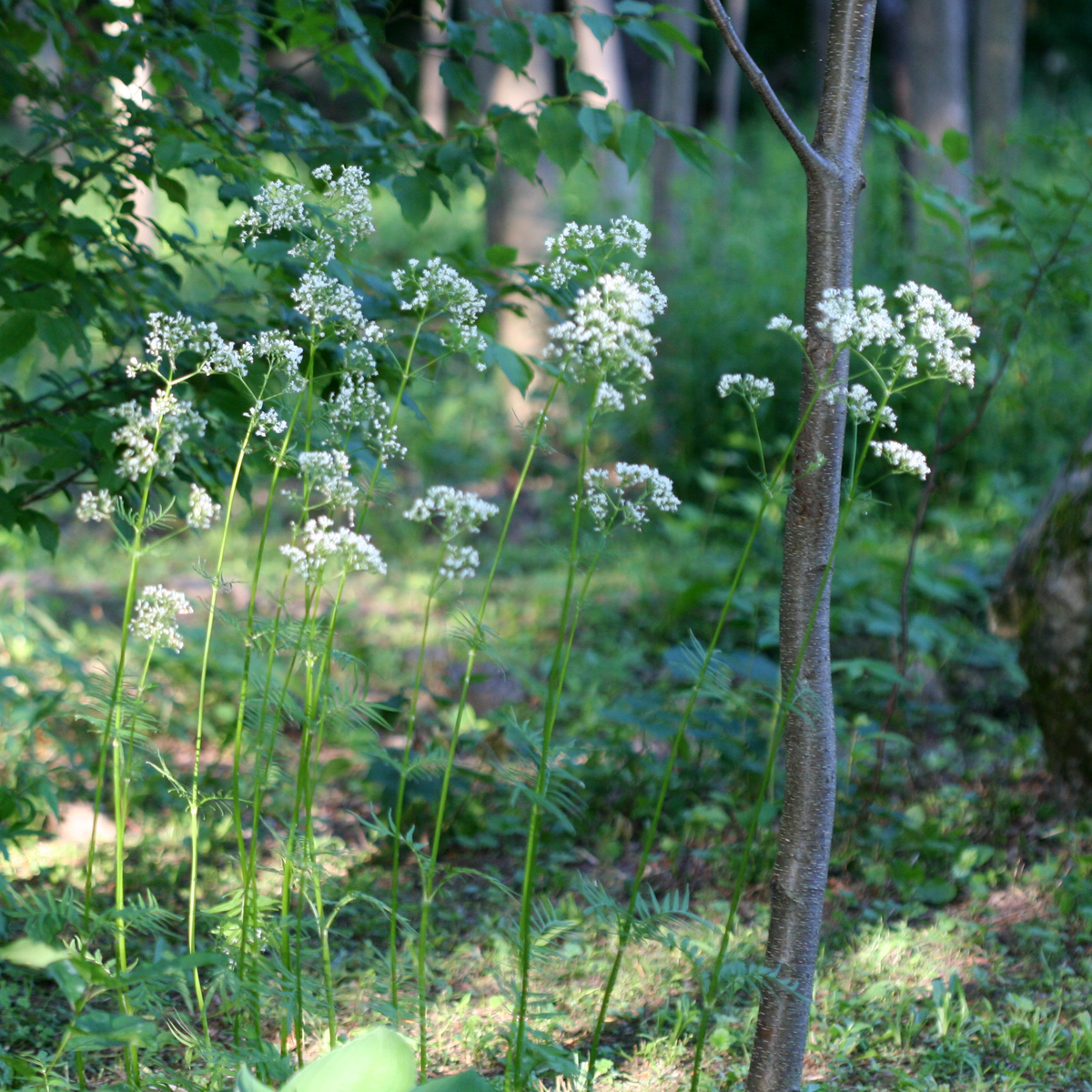

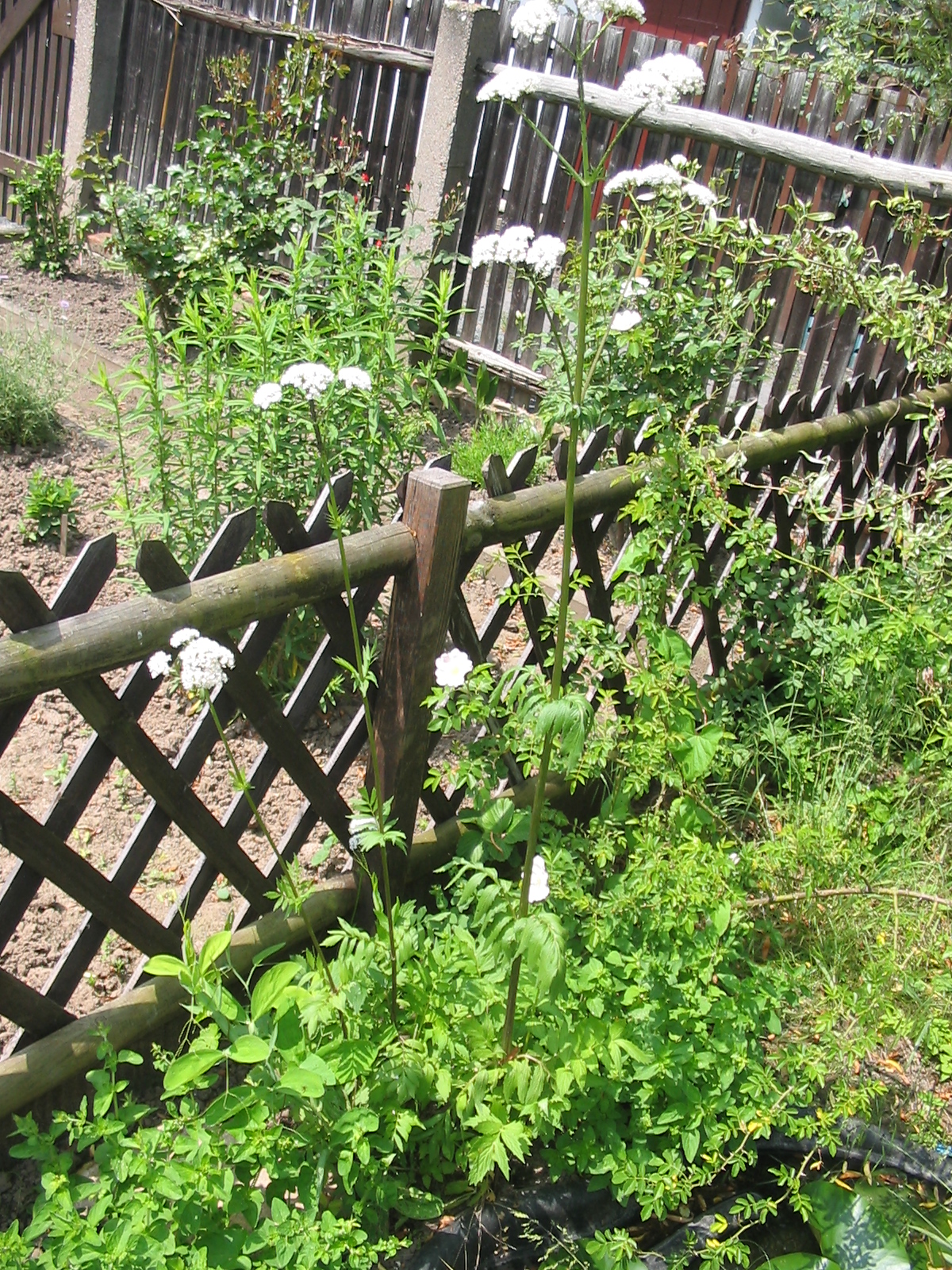
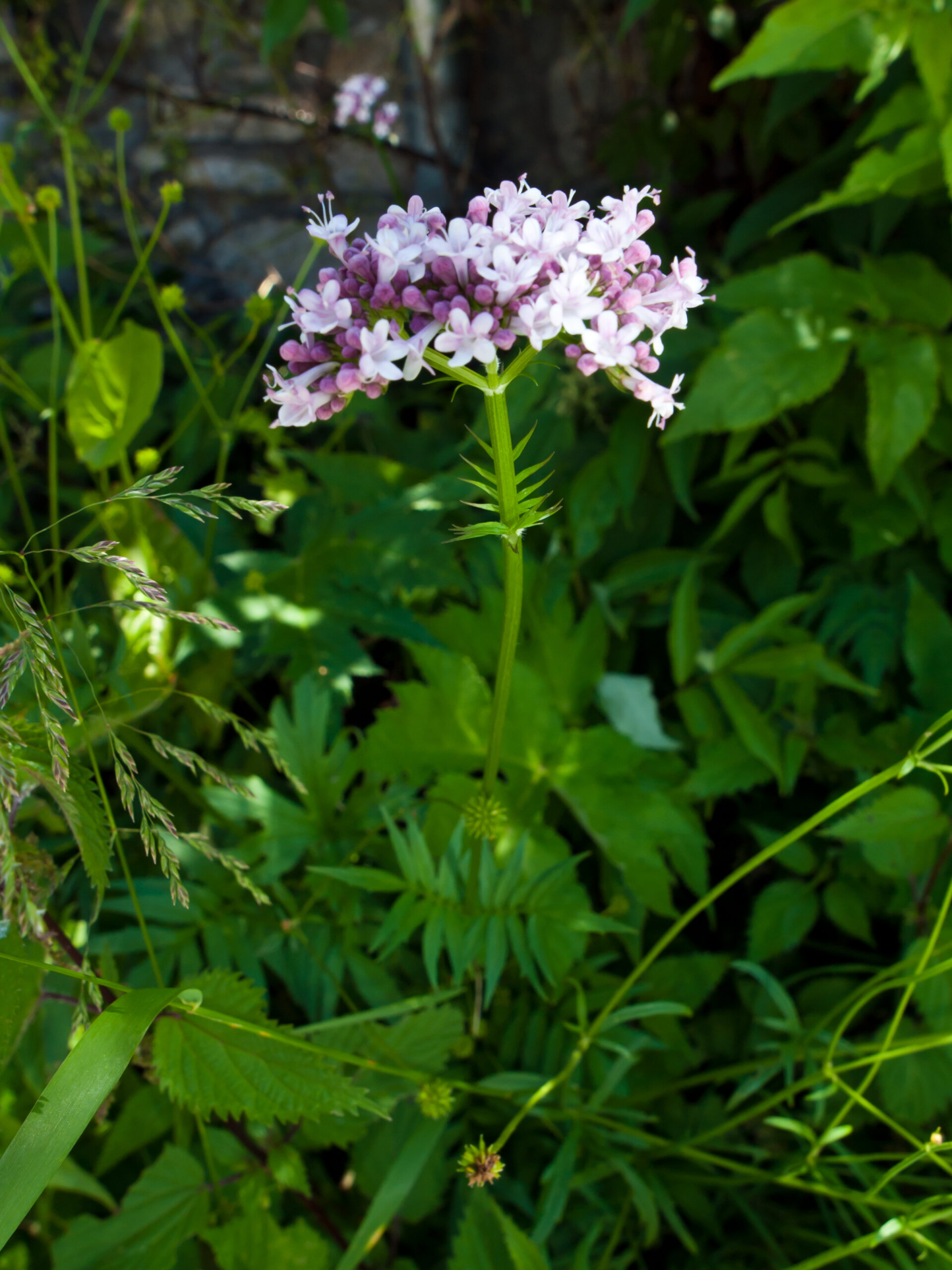
Valerian (Valeriana officinalis) is a tall perennial herb native to Europe and parts of Asia, now naturalized across much of North America. The medicinal part is the root, which contains the volatile and nonvolatile compounds responsible for both its therapeutic effects and its unmistakable smell. Hippocrates described valerian’s use in the 4th century BCE, and it has been continuously prescribed by Western herbalists ever since.
The smell deserves its own paragraph. Fresh valerian root has a mild, earthy, grassy odor. Dried valerian root smells like old gym socks — the result of valerenic acid and isovaleric acid developing during the drying process. This is not a defect or a sign of poor quality; it is what properly dried valerian smells like, and cats love it. If your valerian does not smell at all, it’s probably stale. If it smells strongly, it’s probably good.
The Research: Why It’s Mixed


The clinical literature on valerian for sleep includes dozens of trials, several meta-analyses, and frustratingly inconsistent results. Some studies show statistically significant improvements in sleep latency, sleep quality, and time to fall asleep. Others find no difference from placebo. A 2006 meta-analysis in the American Journal of Medicine (Bent et al.) concluded that valerian might improve subjective sleep quality, but the methodological quality of the underlying studies was too variable to draw firm conclusions.
MSK notes that in some trials, “sleep-inducing properties were not superior to placebo” and highlights that a clinical trial in cancer patients found no improvement in sleep. This is not a failure of the research — it is the research honestly telling us that valerian is probably a real but small and inconsistent effect.
Why individual response varies so much
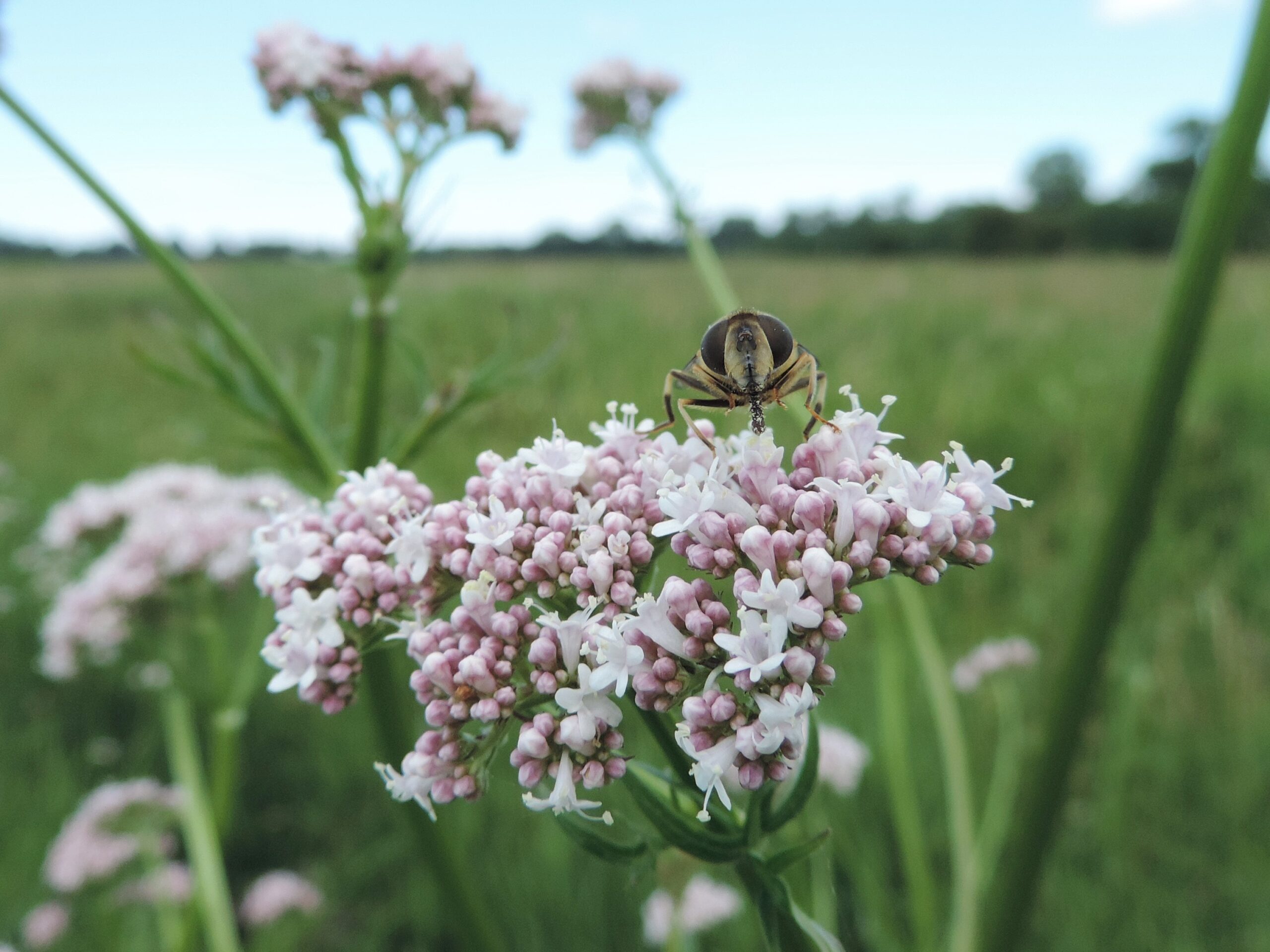

Two explanations help make sense of the mixed findings. First, valerian’s active compounds vary substantially between batches and species — most products are V. officinalis, but some contain related species with different chemistry. Second, individual response to GABAergic substances varies genetically; the same compound that sedates one person may not meaningfully affect another. If you’ve ever noticed that a glass of wine makes you sleepy while making a friend feel energetic, you have observed the same interindividual variation that makes valerian research messy.
Anxiety
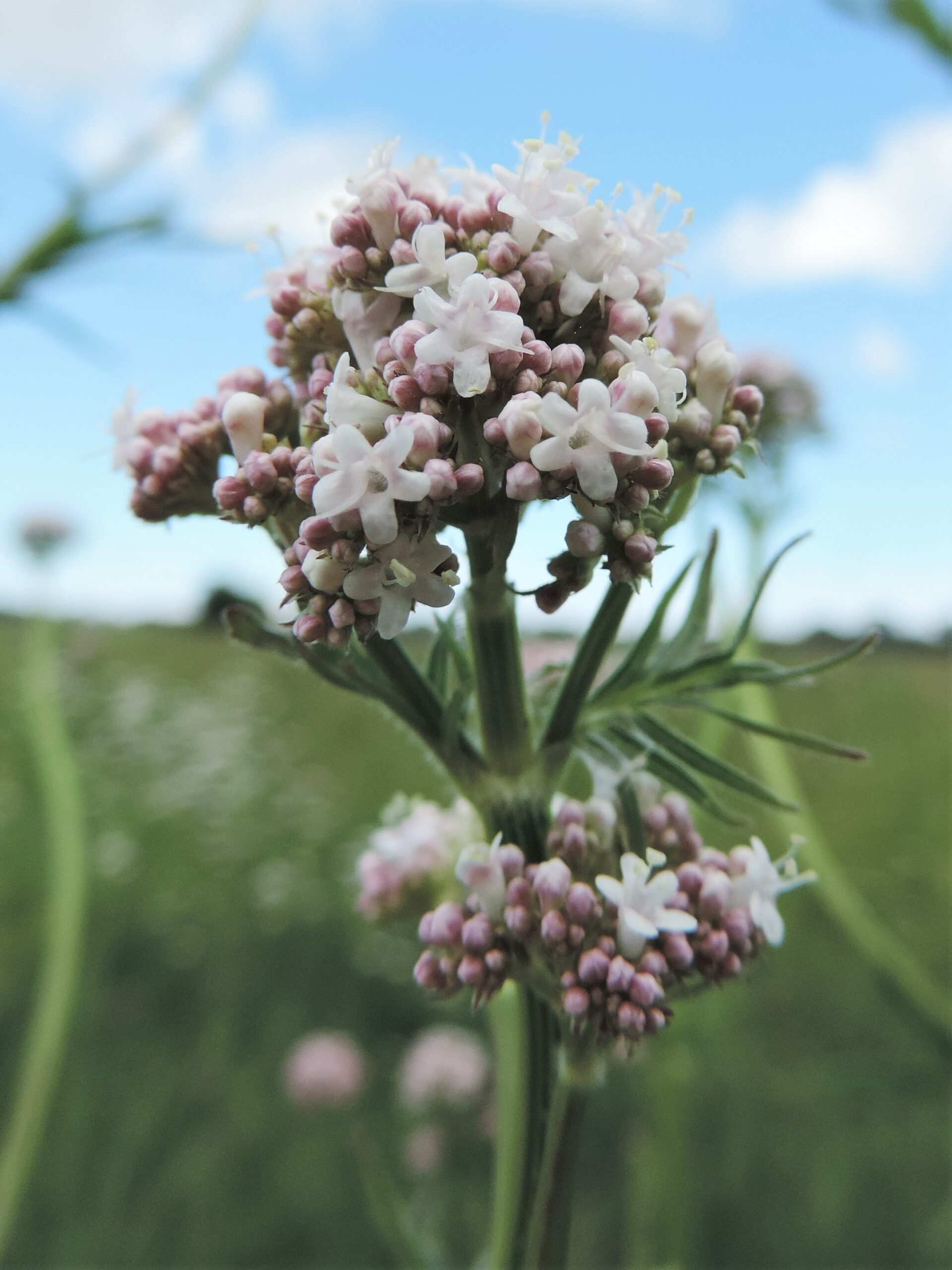

Valerian has been studied for generalized anxiety disorder with modest positive results, including a small 2002 trial by Andreatini comparing valerian to diazepam. The effect is probably real but small, and valerian is almost never the first choice for clinical anxiety — chamomile has stronger evidence, and clinical-level anxiety belongs in a healthcare conversation anyway.
Mechanism: Valerenic Acid and GABA
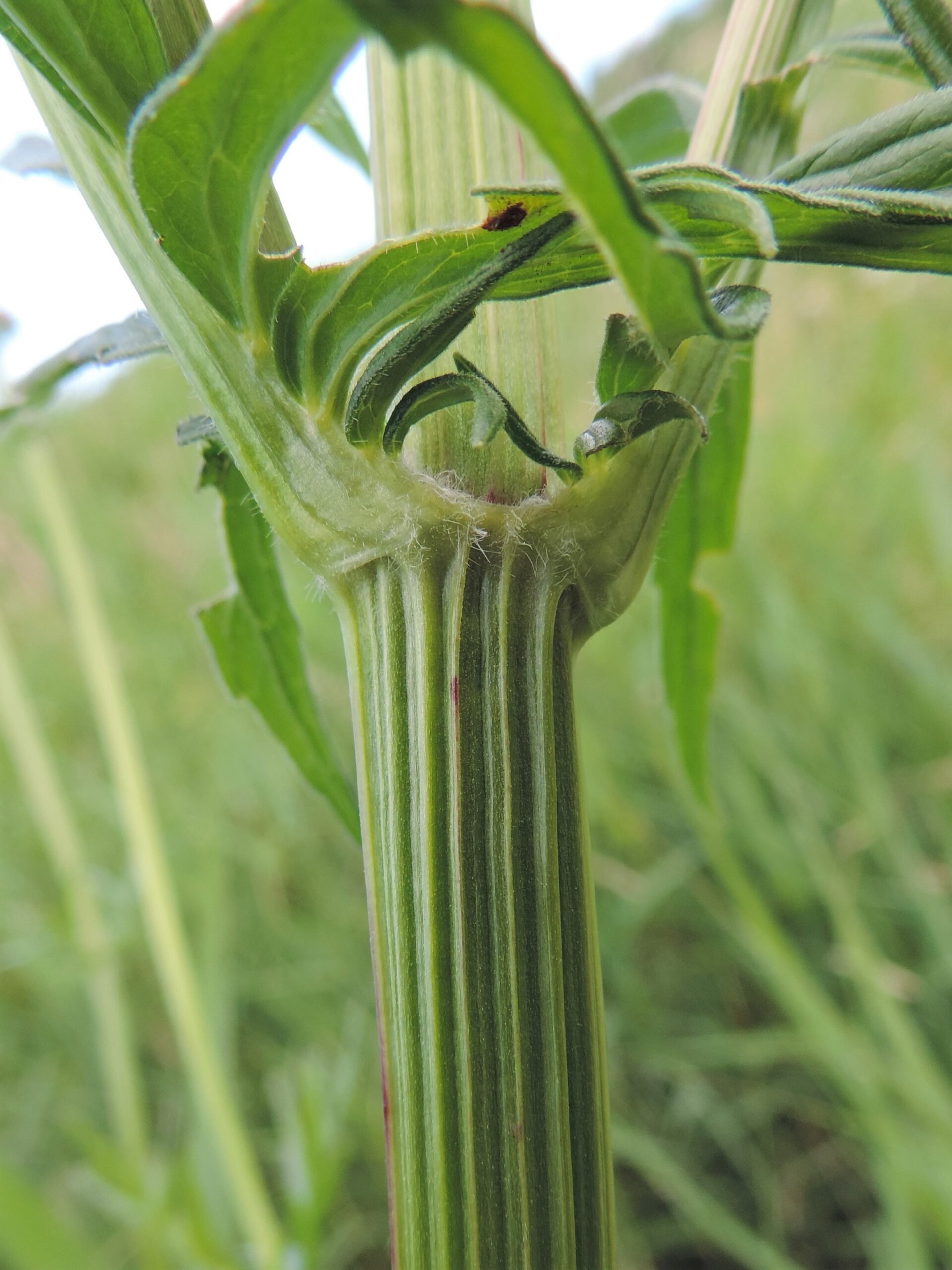

The primary bioactive compound is valerenic acid, a sesquiterpene found in V. officinalis root. Valerenic acid binds to the GABA-A receptor at a site distinct from the benzodiazepine site, acting as a positive allosteric modulator. In plain language: it enhances the calming effect of GABA, the brain’s primary inhibitory neurotransmitter, without directly activating the receptor itself.
This is a different mechanism from prescription sleep drugs (which usually target the benzodiazepine site directly) and from chamomile’s apigenin (which does bind at the benzodiazepine site, weakly). The practical implication is that valerian’s effects are subtler than Z-drugs or benzodiazepines and carry a much lower risk of dependence, tolerance, or rebound insomnia.
Additional constituents — iridoids called valepotriates, and gamma-aminobutyric acid itself (yes, valerian root actually contains GABA, though whether it crosses the blood-brain barrier meaningfully is debated) — may contribute to the overall effect.
How to Use Valerian
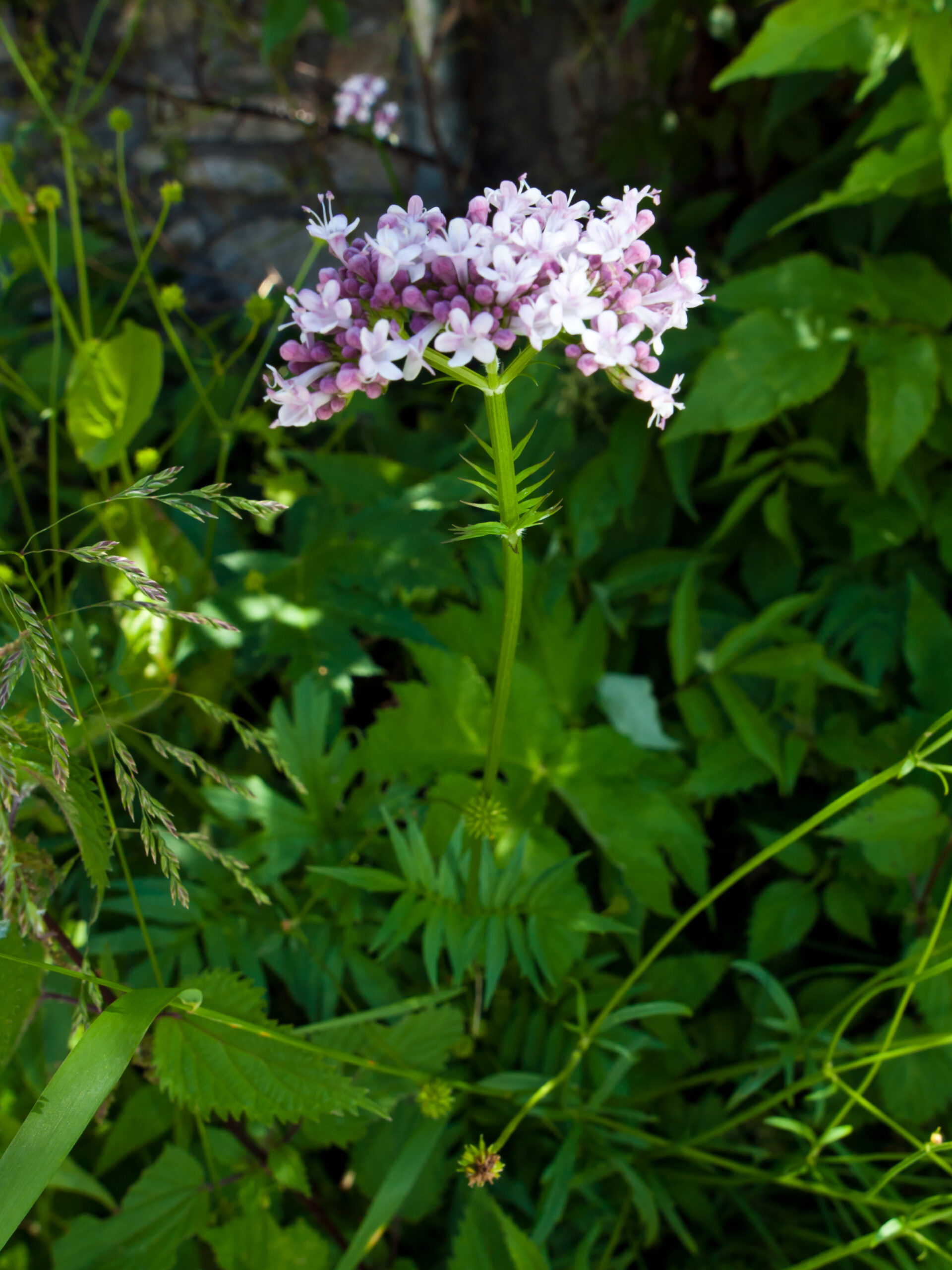

Tincture (probably the most reliable form)
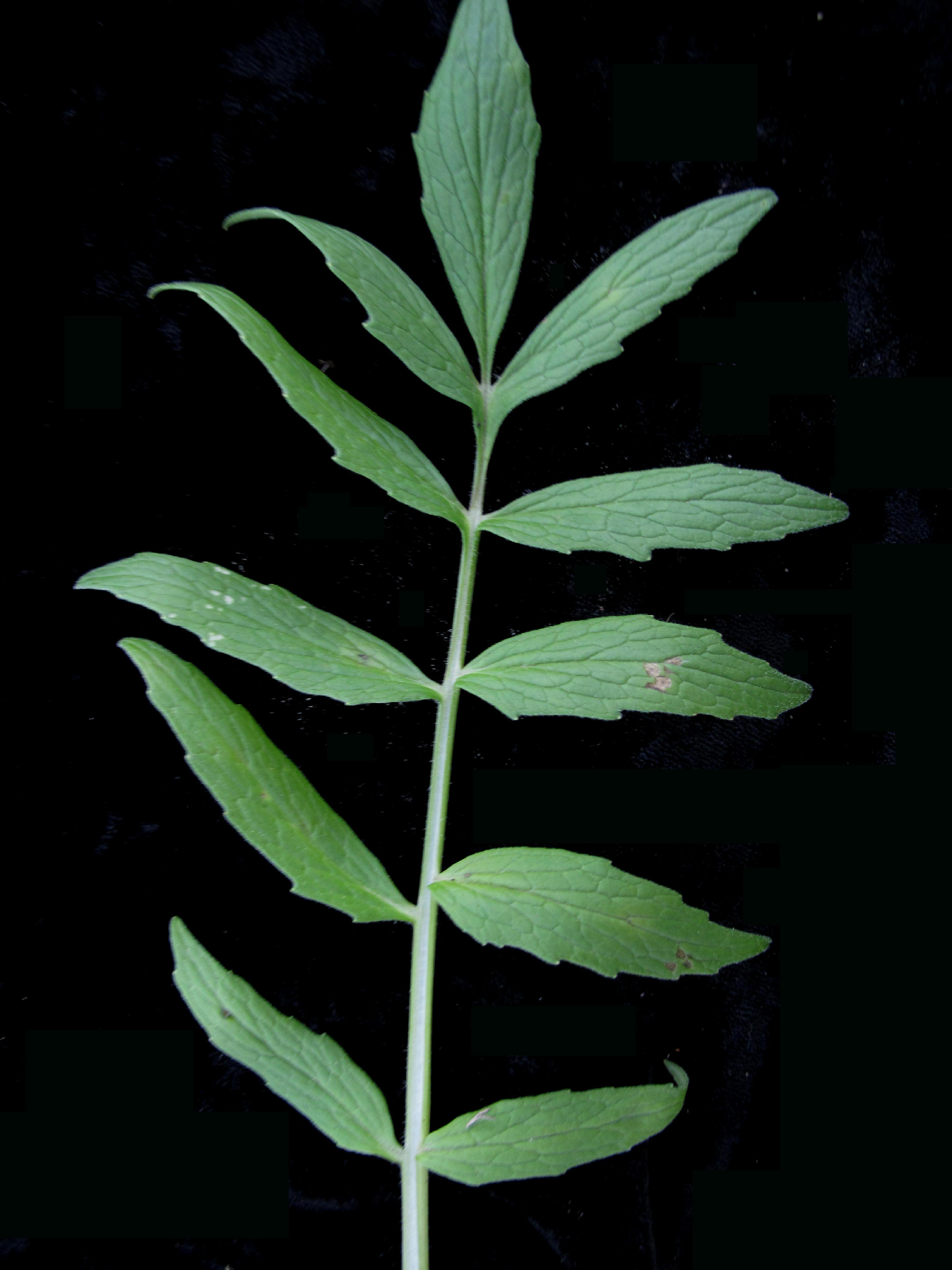

A 1:5 valerian tincture in 60% alcohol is the form most practitioners prefer, because the alcohol captures both the water-soluble and fat-soluble compounds. Typical dose: 2–5 mL (about half to one teaspoon) 30–60 minutes before bed. See our tincture guide for how to make your own from dried root.
Capsules
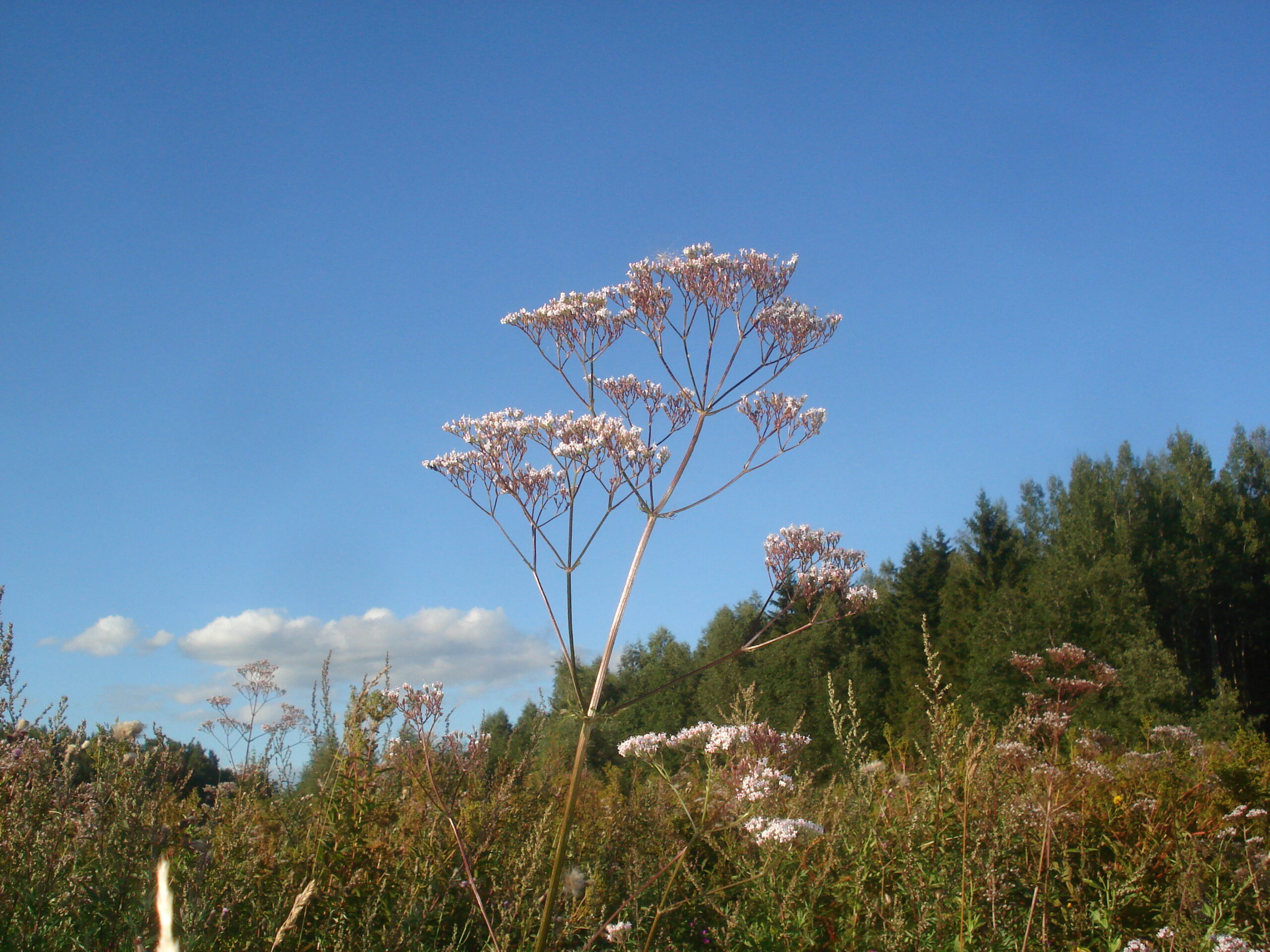

Standardized extract capsules are the most convenient form. Look for products standardized to valerenic acid content (typically 0.8–1.0%). Doses in clinical trials range from 300–900 mg of dried root equivalent, 30–60 minutes before bed.
Tea

;_flowering_plants._Colour_p_Wellcome_V0044358.jpg)
Valerian tea works, but the taste is challenging and the dose is harder to control. If you want to try it: 2–3 grams of dried root per cup, steeped covered in hot (not boiling) water for 10–15 minutes. Many people blend valerian with chamomile, passionflower, and lemon balm to mask the flavor.
A practical note on timing
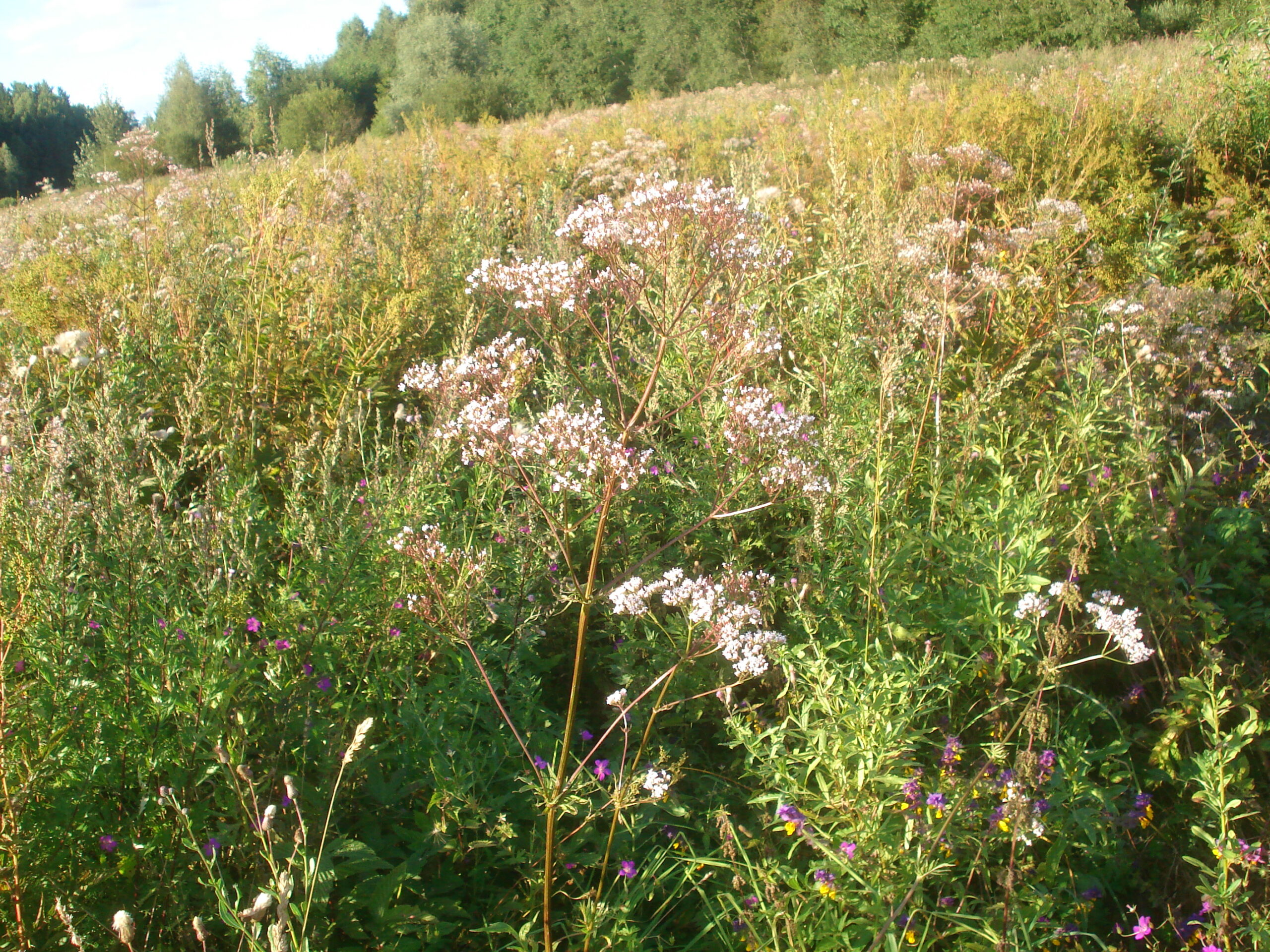

Take valerian at least 30 minutes (ideally an hour) before you want to fall asleep. It doesn’t work instantly. Some people also find valerian more effective with consistent nightly use over 2–4 weeks than as an occasional sleep aid.
Safety and Contraindications
.jpg)
Valerian is generally well tolerated, but it has several meaningful cautions that supplement marketing usually glosses over.
CNS depressants. Do not combine valerian with benzodiazepines (Xanax, Ativan, Klonopin), barbiturates, Z-drugs (Ambien, Lunesta), alcohol, or other sedatives. The additive effect can be significant.
Surgery. Stop valerian at least one week before any scheduled surgery. Valerian may interact with anesthesia and prolong its effects (MSK).
Driving and machinery. Do not take valerian and then drive, operate heavy equipment, or do anything requiring full alertness. Even at modest doses, some people experience morning grogginess.
Liver. Rare case reports of hepatotoxicity have been associated with valerian use. If you develop symptoms of liver problems (fatigue, jaundice, dark urine, right-upper-quadrant pain) while taking valerian, stop immediately and see a clinician.
Pregnancy and breastfeeding. Insufficient safety data — avoid.
Children. Not well studied for pediatric use; consult a pediatric practitioner.
Common side effects
.jpg)
Drowsiness, headache, diarrhea, and dizziness are the most commonly reported effects (MSK). Paradoxical stimulation — valerian making you more alert instead of sleepy — happens in a small minority of people and is a reason to discontinue rather than increase the dose.
Frequently Asked Questions
Does valerian actually work?
For some people, yes. For others, no. The clinical evidence is genuinely mixed, which reflects real biological variation rather than inadequate research. If you try valerian at a reasonable dose for 3–4 consecutive nights and notice no improvement in sleep, it is not likely to start working later. Move on to chamomile, passionflower, lemon balm, or a combination blend.
Why does valerian smell so bad?
Dried valerian root develops isovaleric acid and valerenic acid during drying, which smell similar to old gym socks or aged cheese. This is normal and expected. Tincture and capsule forms largely bypass the smell; tea does not. Some people who love valerian’s effects cannot tolerate the smell enough to use loose root.
Is valerian safe for long-term nightly use?
Valerian has a much better long-term safety profile than prescription sleep medications — no meaningful risk of dependence, tolerance, or withdrawal has been documented. However, the rare hepatotoxicity case reports mean that if you are using it nightly for more than a few months, checking in with a clinician and watching for any symptoms of liver stress is reasonable.
Can I take valerian and chamomile together?
Yes, and many traditional sleep blends do. Valerian, chamomile, passionflower, and lemon balm work on overlapping but distinct mechanisms, and combinations are often more effective than any single herb at the same dose. See our best herbs for sleep guide for blend suggestions.
The Bottom Line
Valerian is a traditional sleep herb with genuinely mixed clinical evidence — it works for some people and not for others, and there is no reliable way to predict which camp you are in until you try it. If you want to try valerian, a standardized extract capsule (300–600 mg) or tincture (2–5 mL) 30–60 minutes before bed is the standard protocol. Give it 3–4 nights; if nothing is improving, it’s probably not for you.
Pay attention to the contraindications. Valerian is safer than prescription sleep drugs, but “safer than Ambien” is not the same as “no cautions required.” If you’re on any CNS depressant, heading into surgery, or pregnant, valerian is not the right choice.
See also: best herbs for sleep, chamomile: evidence-based anxiety and sleep guide.
Safety Profile: Valerian (Valeriana officinalis)
- Contraindications
- Active liver disease — rare reports of hepatotoxicity attributed to valerian exist (often from adulterated multi-ingredient products, but caution is warranted). Planned surgery within 1–2 weeks: valerian affects GABAergic pathways and may prolong anesthesia recovery. Known sensitivity to Valerianaceae family. History of paradoxical stimulation on valerian (rare but documented — anxiety, palpitations, or insomnia instead of sedation).
- Drug interactions
- Sedatives and CNS depressants (benzodiazepines, Z-drugs, opioids, antihistamines, alcohol): additive sedation — do not combine without prescriber awareness. Anesthetics: may prolong sedation; discontinue 1–2 weeks before surgery. CYP3A4 substrates: some in vitro evidence suggests weak inhibition; clinical relevance unclear. Antidepressants (SSRIs, MAOIs, tricyclics): theoretical additive CNS effect, use under supervision. Antiseizure medications: potential additive effect on GABA — consult neurologist.
- Pregnancy / lactation
- Human safety data is insufficient for pregnancy and lactation. Some animal studies suggest potential fetal effects at high doses. Traditional herbalism permits short-term use late in pregnancy for sleep, but modern evidence-based recommendations favor avoidance. If used, limit to short-term (under 2 weeks) and only under guidance from a qualified provider. Avoid during lactation unless cleared by a pharmacologically-informed provider.
- Maximum recommended daily dose
- Dried root: 2–3 g per dose, up to 3 times daily (6–9 g/day maximum in traditional use). Tincture (1:5 in 70% alcohol): 1–3 ml, 30–60 minutes before bedtime. Standardized extract: 300–900 mg/day (commonly 400–900 mg 30 minutes before bed in RCTs — Bent et al., 2006, Am J Med). Do not exceed 900 mg/day of standardized extract. Tolerance may develop with continuous nightly use — consider 2–3 nights per week or time-limited courses.
- Do not use if
-
- You have active liver disease or elevated liver enzymes
- You are scheduled for surgery within 2 weeks
- You take benzodiazepines, opioids, or other CNS depressants
- You are pregnant or breastfeeding (absent provider guidance)
- You are under 12 years old (pediatric safety data limited)
- You need to drive, operate heavy machinery, or perform complex tasks within 4–6 hours of a dose
- You experience paradoxical stimulation or next-day grogginess
References
- Memorial Sloan Kettering Cancer Center. “Valerian” About Herbs. mskcc.org
- Bent S, Padula A, Moore D, et al. “Valerian for sleep: a systematic review and meta-analysis.” Am J Med. 2006;119(12):1005–1012.
- Fernández-San-Martín MI, et al. “Effectiveness of Valerian on insomnia: a meta-analysis of randomized placebo-controlled trials.” Sleep Med. 2010;11(6):505–511.
- Andreatini R et al. “Effect of valepotriates (valerian extract) in generalized anxiety disorder: a randomized placebo-controlled pilot study.” Phytother Res. 2002;16(7):650–654.