Walk into any health food store and you’ll see chaga tea, chaga powder, chaga tinctures, chaga chunks in cellophane. Walk a birch forest in Vermont or Finland and you might see the thing itself: a cracked, charcoal-black lump erupting from the trunk of a paper birch like a blister of burnt cork. Both of those are chaga — Inonotus obliquus — and both deserve more honesty than they usually get.
Most articles about chaga mushroom benefits read like product copy. They list antioxidants and immune claims, quote ancient Siberian folk medicine, and recommend a daily dose. What they almost never tell you is this: as of 2024, there are no published human clinical trials on chaga for any indication. Memorial Sloan Kettering’s integrative medicine service puts it plainly: “Safety and efficacy of chaga have yet to be evaluated in clinical studies” (MSK About Herbs: Chaga).
That doesn’t mean chaga is useless. It means we need to talk about it accurately — what the preclinical research actually shows, what the traditional use was, why three documented kidney case reports deserve serious attention, and why the sustainability question may matter more than the benefits question for the next decade.
Key Takeaways
- No human clinical trials exist for chaga. All current evidence is from cell culture and animal studies. Honest framing is required (MSK).
- Preclinical studies identify real bioactive compounds — at least 33 triterpenoids and 44 phenolic compounds in a 2023 Heliyon review (Ern et al. 2023).
- Three documented case reports link chaga to serious kidney damage, including oxalate nephropathy at 4–15 g/day and end-stage renal disease requiring hemodialysis (MSK).
- Chaga inhibits platelet aggregation in animal studies — people on warfarin, DOACs, or aspirin should not take chaga without medical supervision (MSK).
- A single chaga conk takes 8–15 years to reach harvestable size. Commercial demand has outpaced regeneration in several regions, making sourcing ethics a real question.
What Is Chaga, Really?
.jpg)
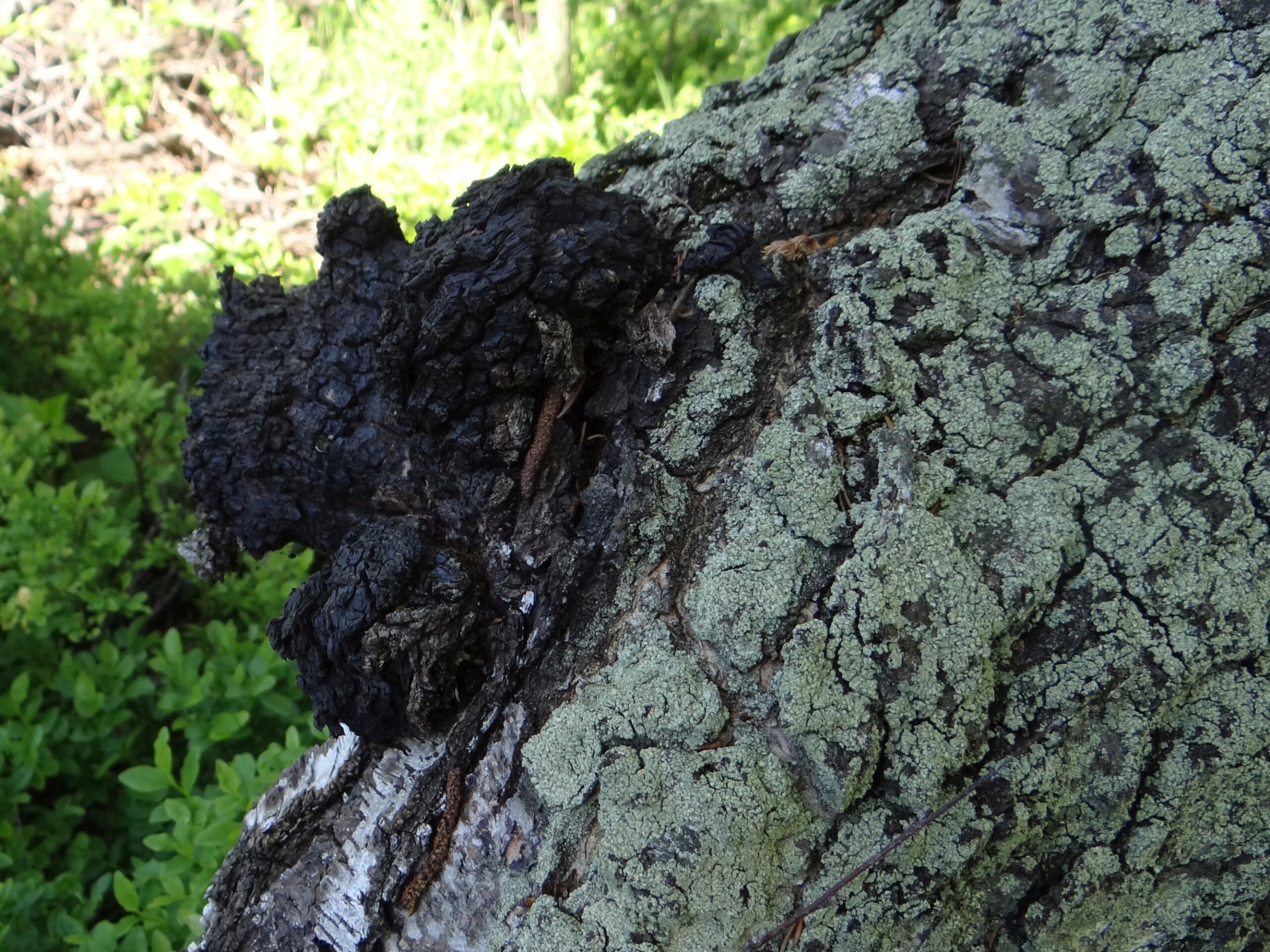
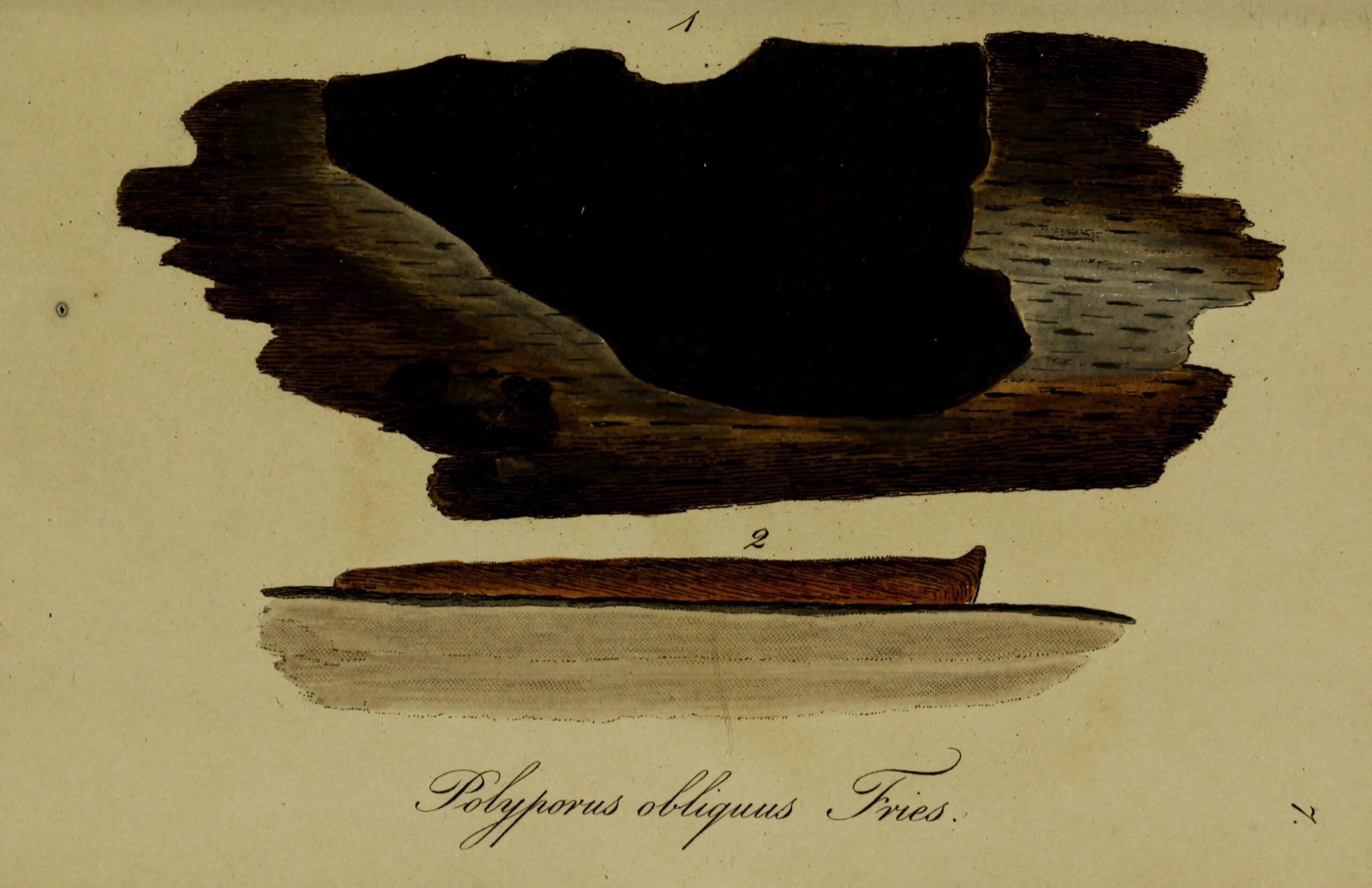
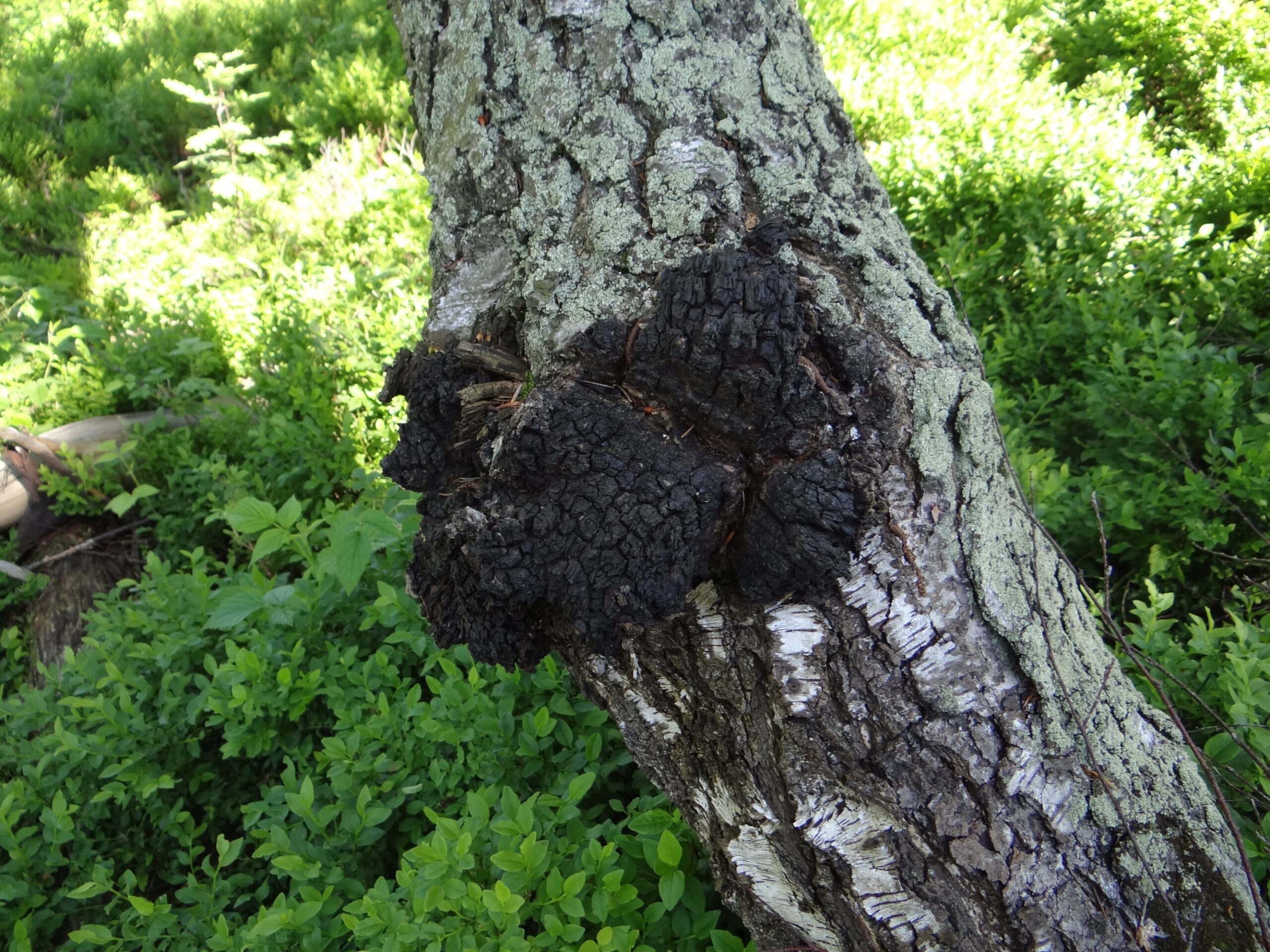
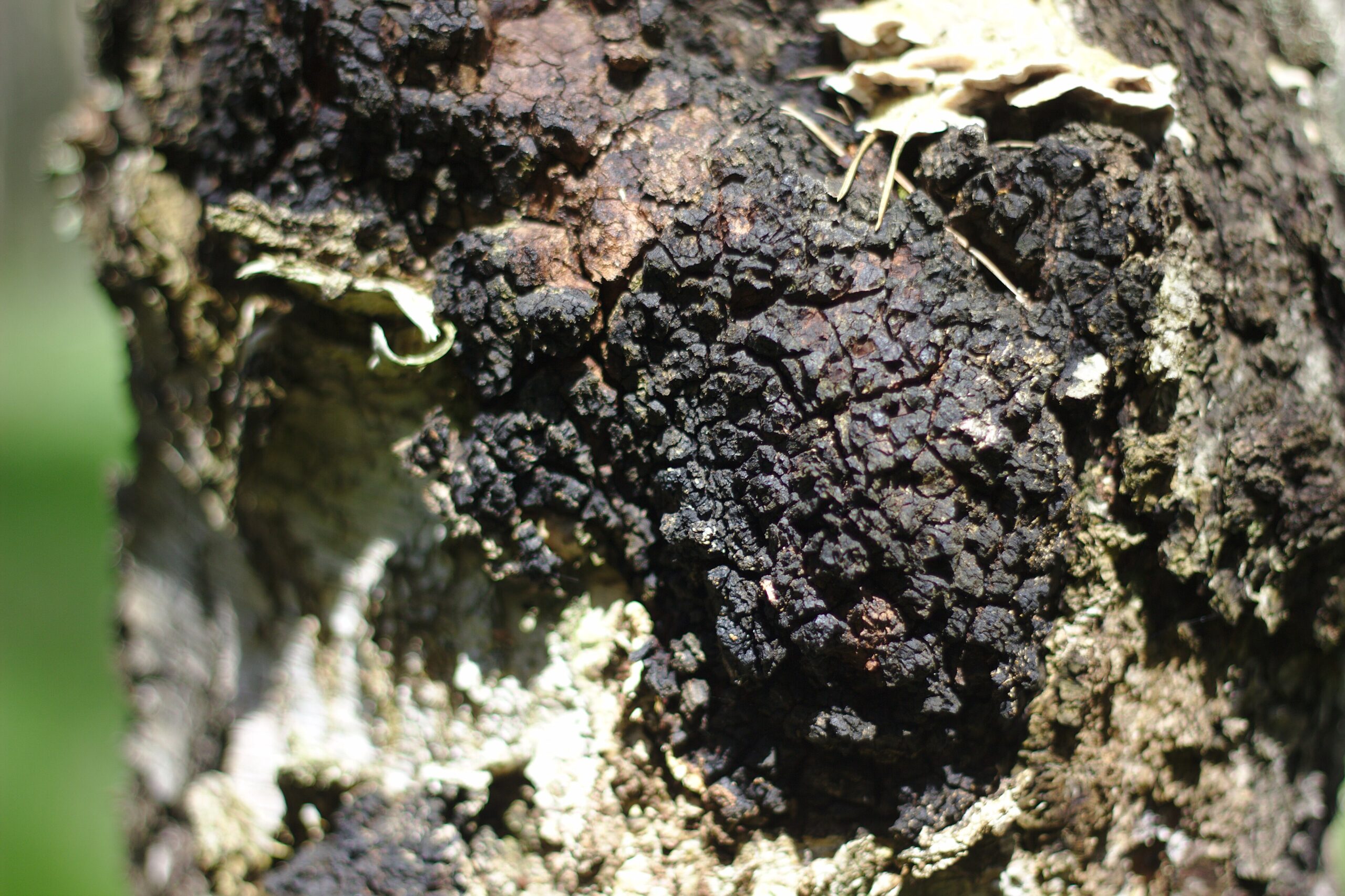
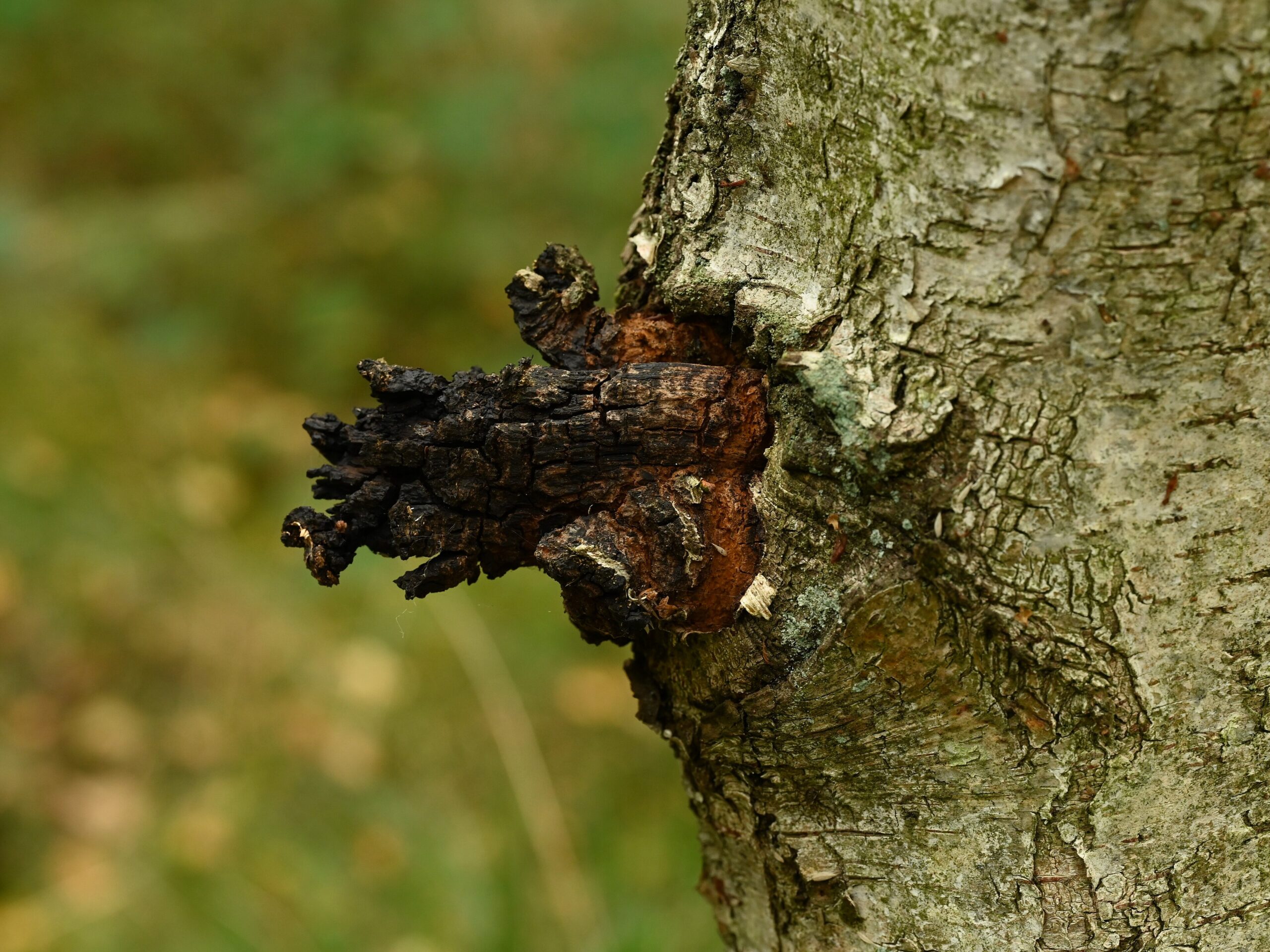
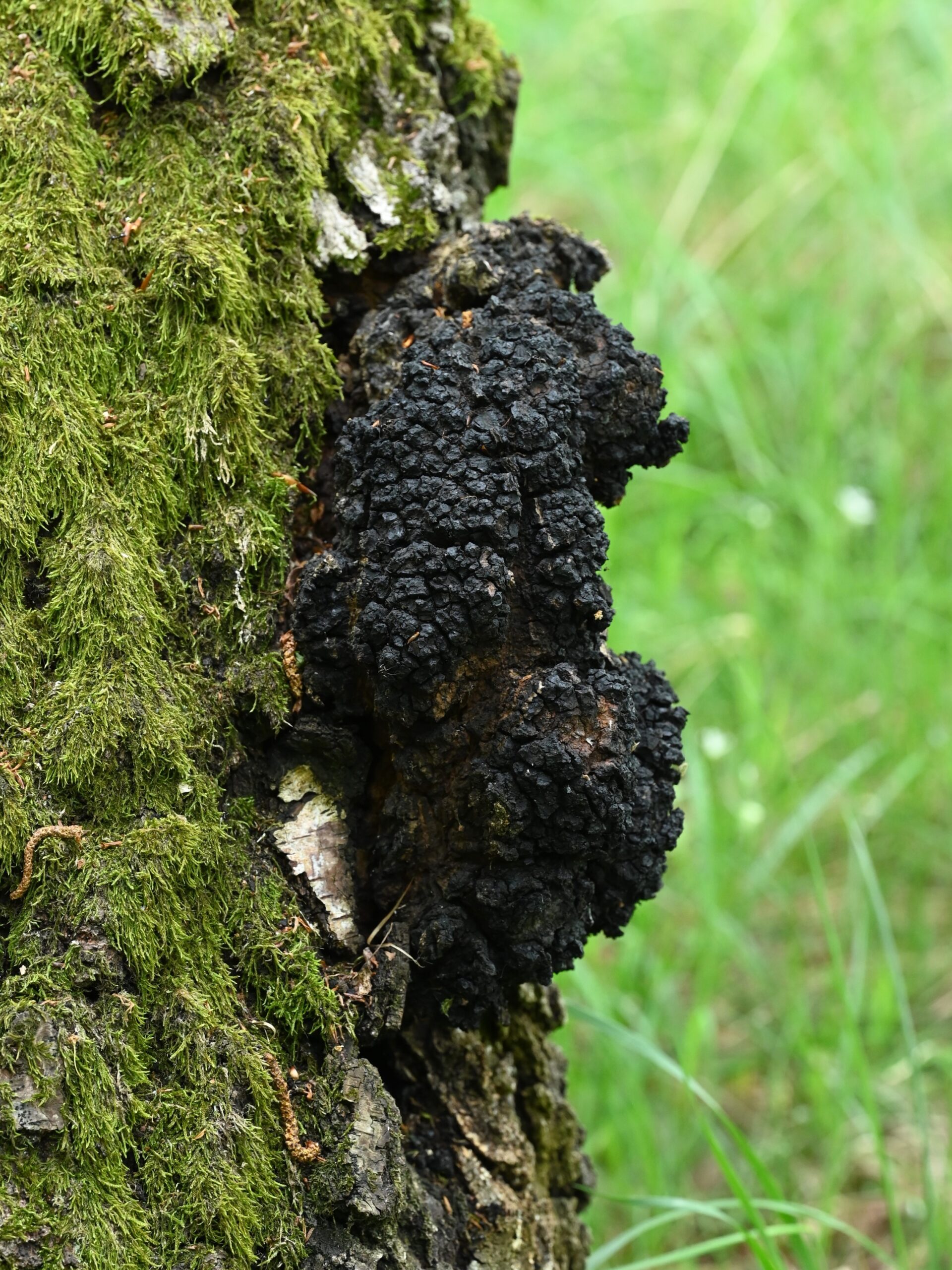
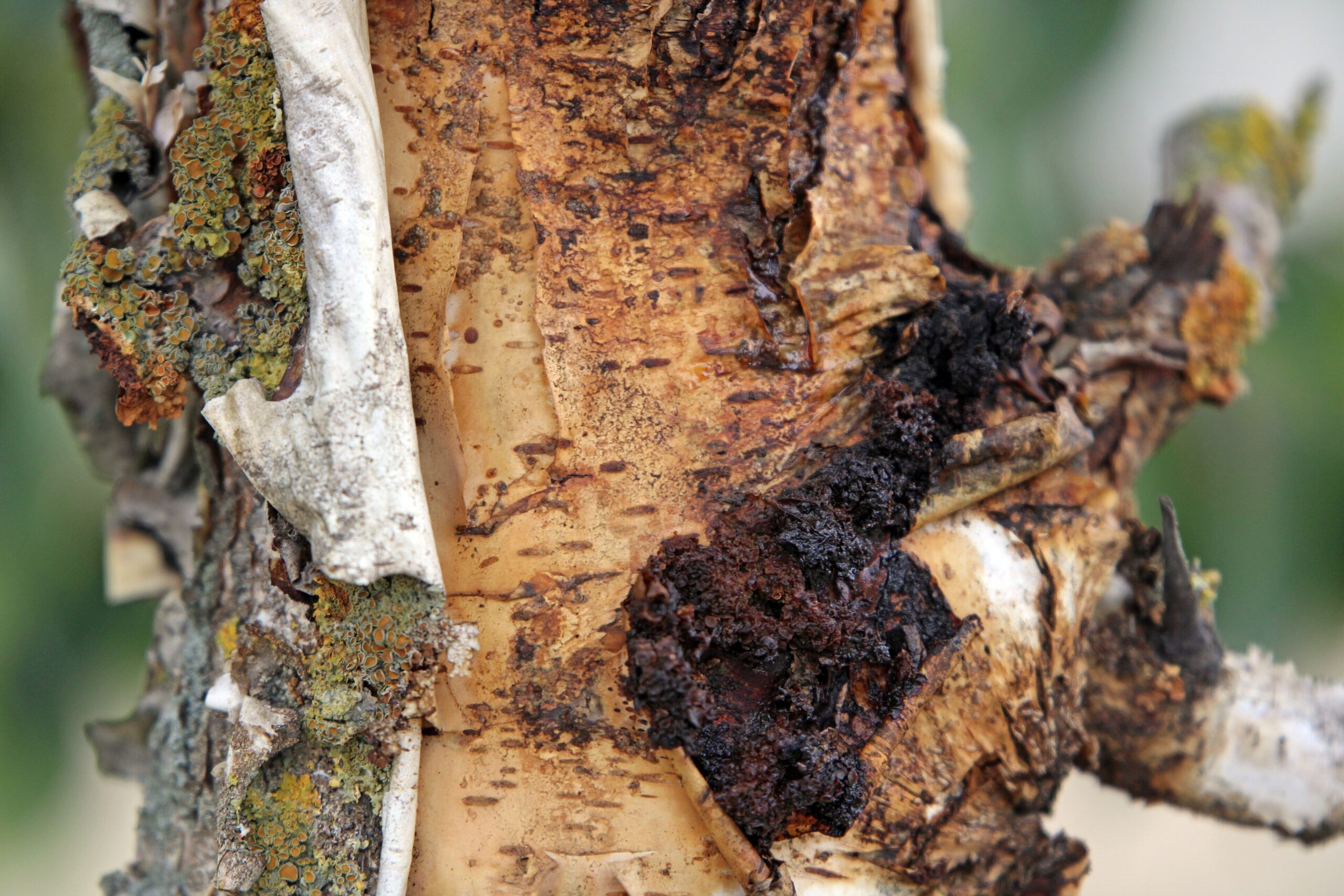
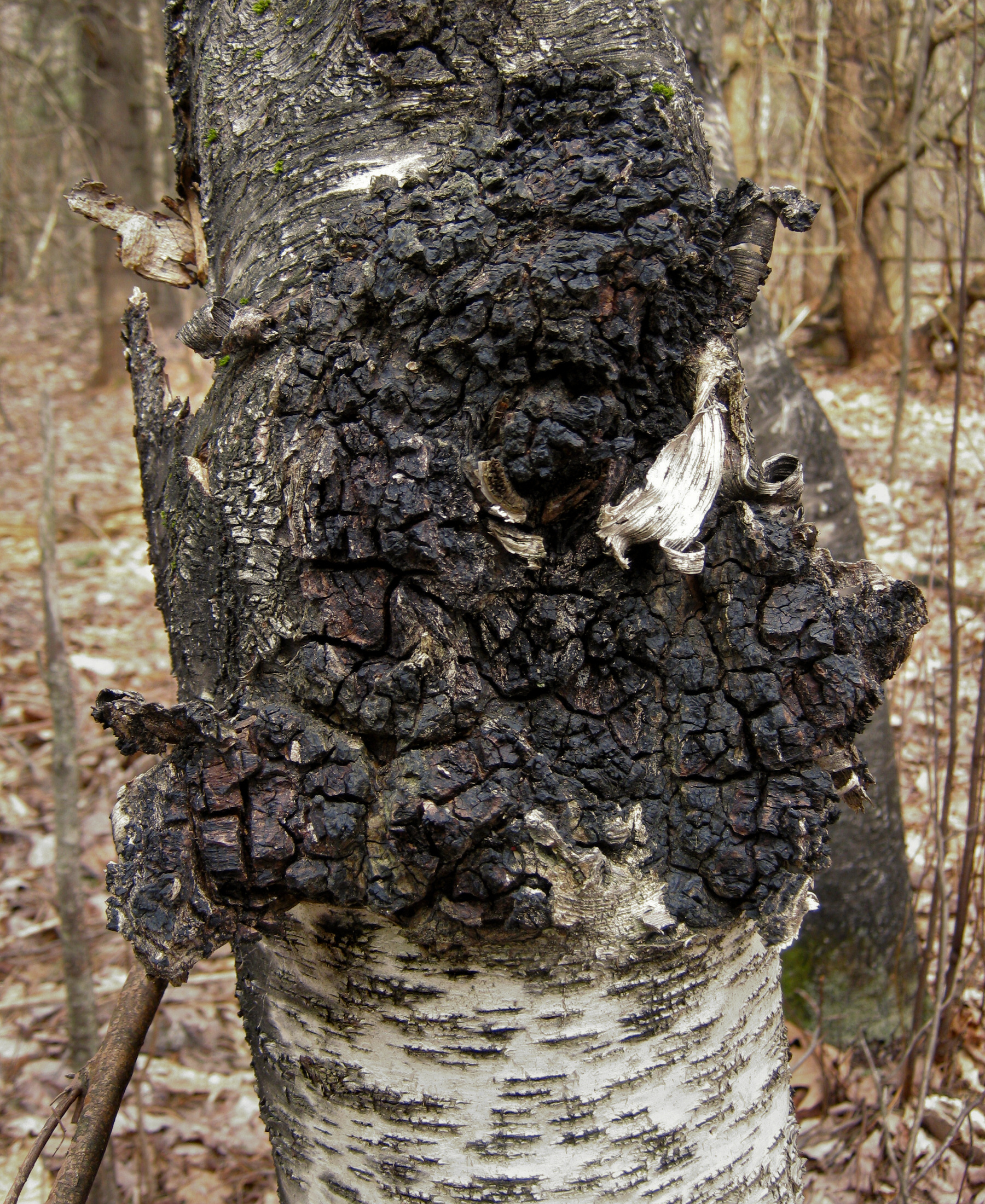
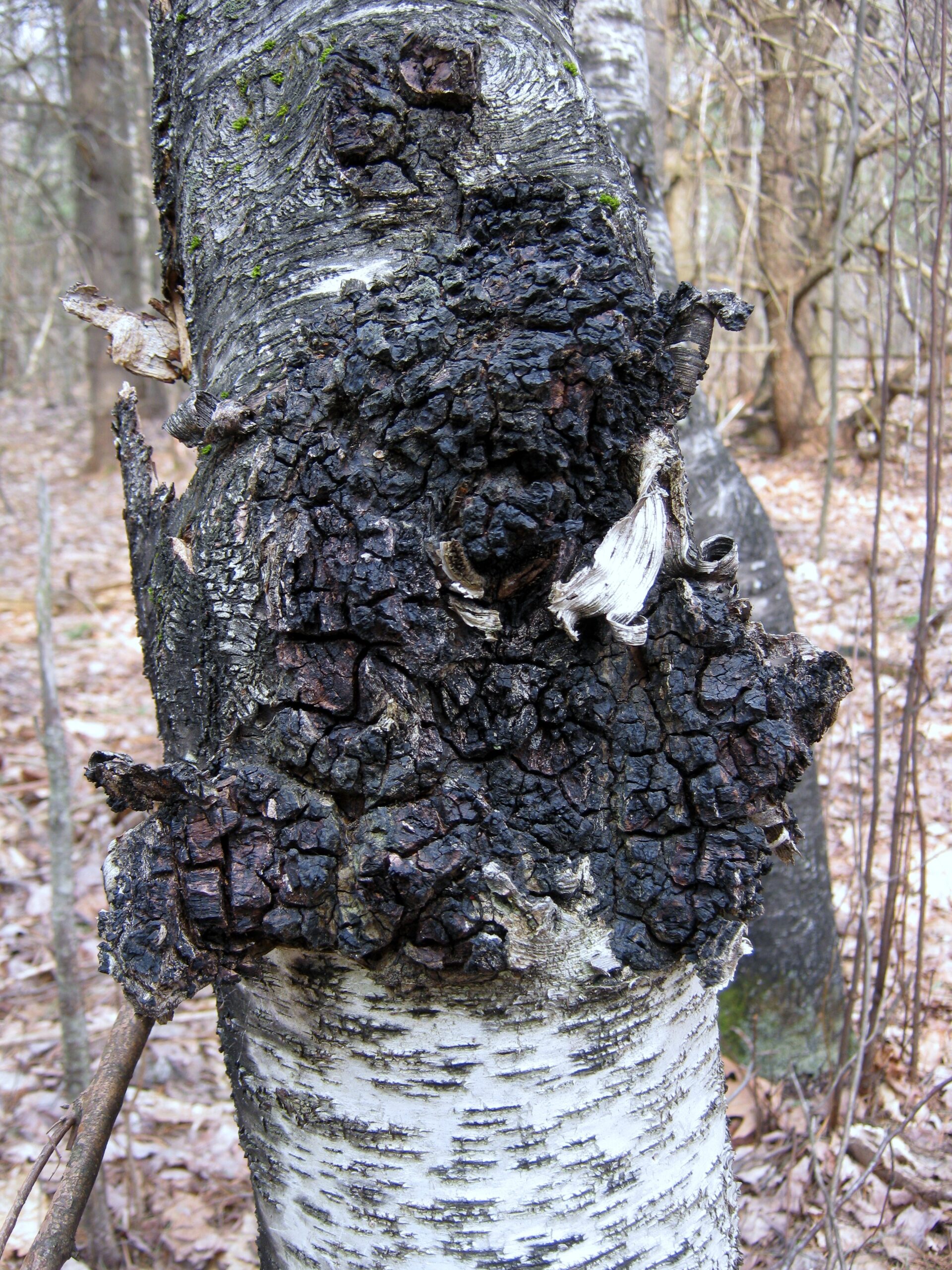
Chaga (Inonotus obliquus) is a parasitic fungus that grows almost exclusively on birch trees in cold northern climates — the boreal forests of Russia, Finland, the Baltics, Scandinavia, northern Canada, the American Northeast and Alaska. What you see and harvest is the cracked black mass bursting out through the bark, which can be anywhere from the size of a fist to the size of a soccer ball.
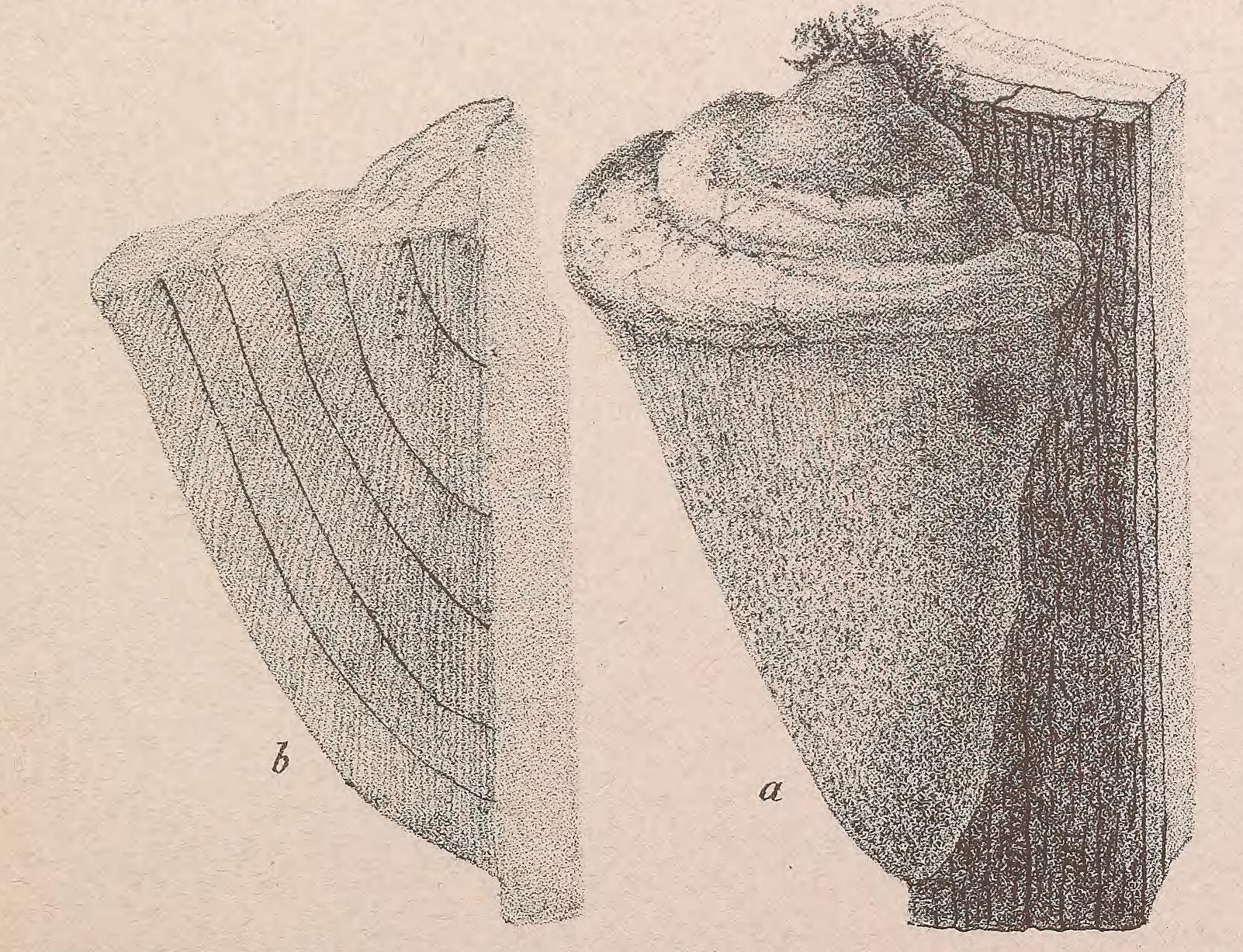
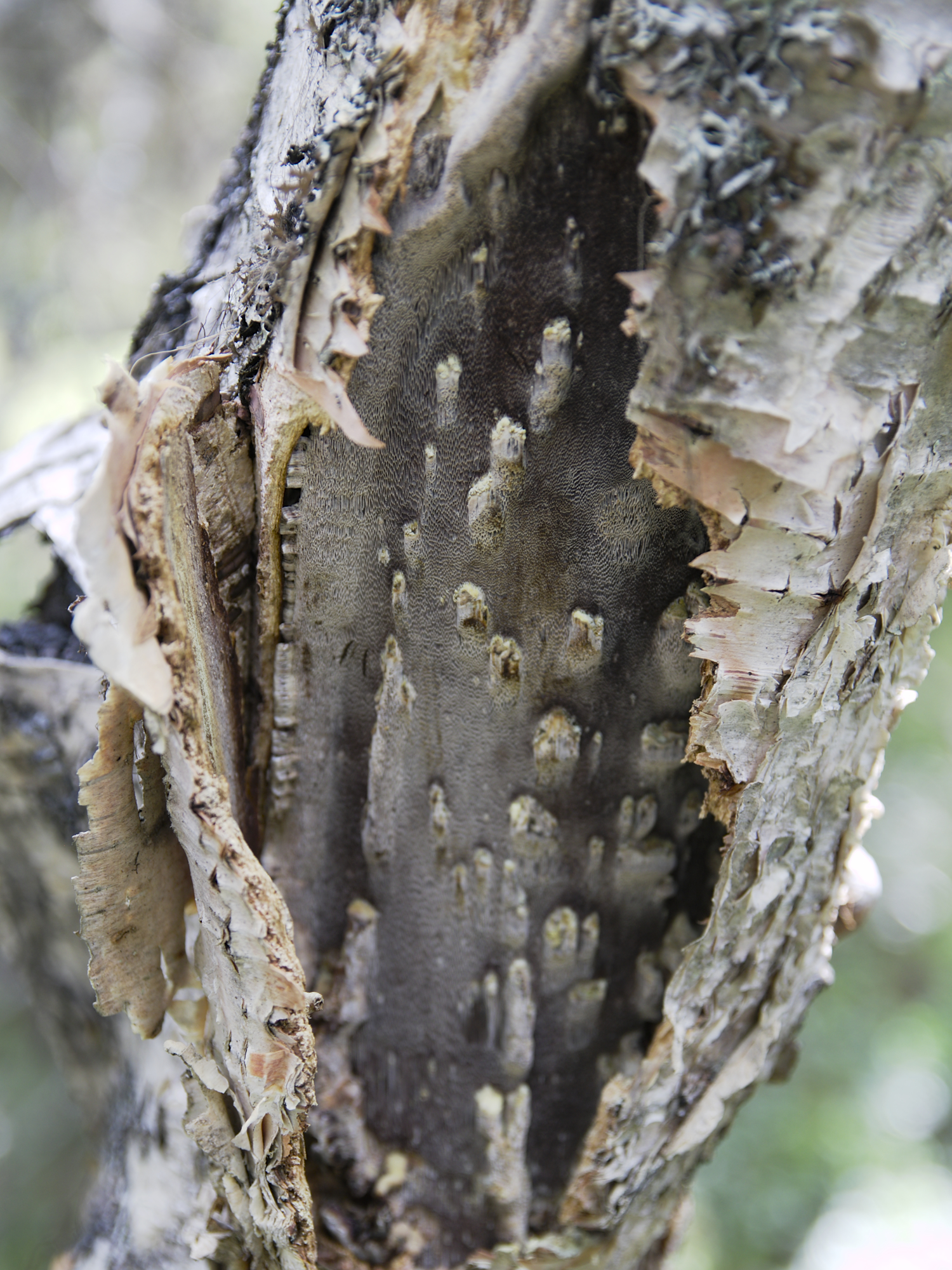
Here’s a distinction that matters and that most supplement marketing gets wrong: the black chaga mass is not a fruiting body, and it is not mycelium. It is a sterile conk — technically a sclerotium — made up of the fungus’s hyphae densely packed together with lignin-derived melanins from the birch host. The actual spore-producing surface of Inonotus obliquus forms only later, under the bark, after the tree has died — and by then the chaga is no longer what you want to harvest.
This matters because the entire “fruiting body vs mycelium on grain” debate that drives quality discussions for lion’s mane and reishi does not map onto chaga. Chaga is its own category. What you want is a wild-foraged (or properly cultivated) sclerotium, correctly dried and correctly extracted.
What Does the Research Actually Show?
.jpg)
Let’s be precise about this, because almost everyone else is imprecise. A 2023 narrative review published in Heliyon surveyed the therapeutic literature on Inonotus obliquus and found:
- Triterpenoids: At least 33 identified compounds, including inotodiol, lanosterol, ergosterol, betulinic acid, and trametenolic acid.
- Polysaccharides: Multiple fractions of varying molecular weights, including beta-glucans.
- Phenols and flavonoids: At least 44 identified compounds, including protocatechuic acid, caffeic acid, quercetin, and kaempferol.
- Melanin-like pigments derived from the lignin of the host birch, which give chaga its black color and contribute significantly to its antioxidant profile.
That is a genuinely impressive chemical inventory. But the same review is candid about what we still don’t know. The authors write that “the exact underlying mechanisms for most of the mushroom’s health-benefiting effects are still not well understood” (Ern et al. 2023). And crucially, the review presents no human clinical trials — because none have been published.
Antioxidant activity (in vitro)
.jpg)
Chaga polysaccharide extracts show concentration-dependent scavenging of DPPH radicals, hydroxyl radicals, and superoxide anions in cell-culture assays (Du et al. 2013, cited in the Ern 2023 review). These are the kinds of in-vitro antioxidant assays that every polyphenol-rich plant or fungus performs well on. They do not translate directly to measurable antioxidant effects in a living human — that requires clinical trials we don’t yet have.
Blood sugar effects (animal models)
.jpg)
In type-2 diabetes mouse models, chaga polysaccharides improved insulin resistance, restored hepatic glycogen levels, and ameliorated impaired glucose tolerance at oral doses of 150–500 mg/kg (Wang et al. 2017, cited in Ern 2023). Promising — and strictly preclinical. No human dose has been established because no human trial has been conducted.
Anti-inflammatory pathways (cell culture)

Preclinical studies report that chaga extracts inhibit nitric oxide synthase (iNOS) and cyclooxygenase-2 (COX-2), two well-known inflammation enzymes, and modulate Th1/Th2 cytokine secretion in immune cells (MSK About Herbs). Again, this is plausible mechanism, not clinical proof.
Cancer-cell studies
.jpg)
In laboratory models, chaga extracts have shown activity against colon, lung, liver, cervical, and melanoma cancer cell lines, with one constituent (inotodiol) specifically active against cervical cancer cells in vitro (MSK). These are cell-culture experiments. They do not demonstrate that chaga prevents or treats cancer in people. Anyone who tells you otherwise is either misinformed or selling you something.
Traditional Use: A More Honest Frame
_de_4,2_kg.jpg)
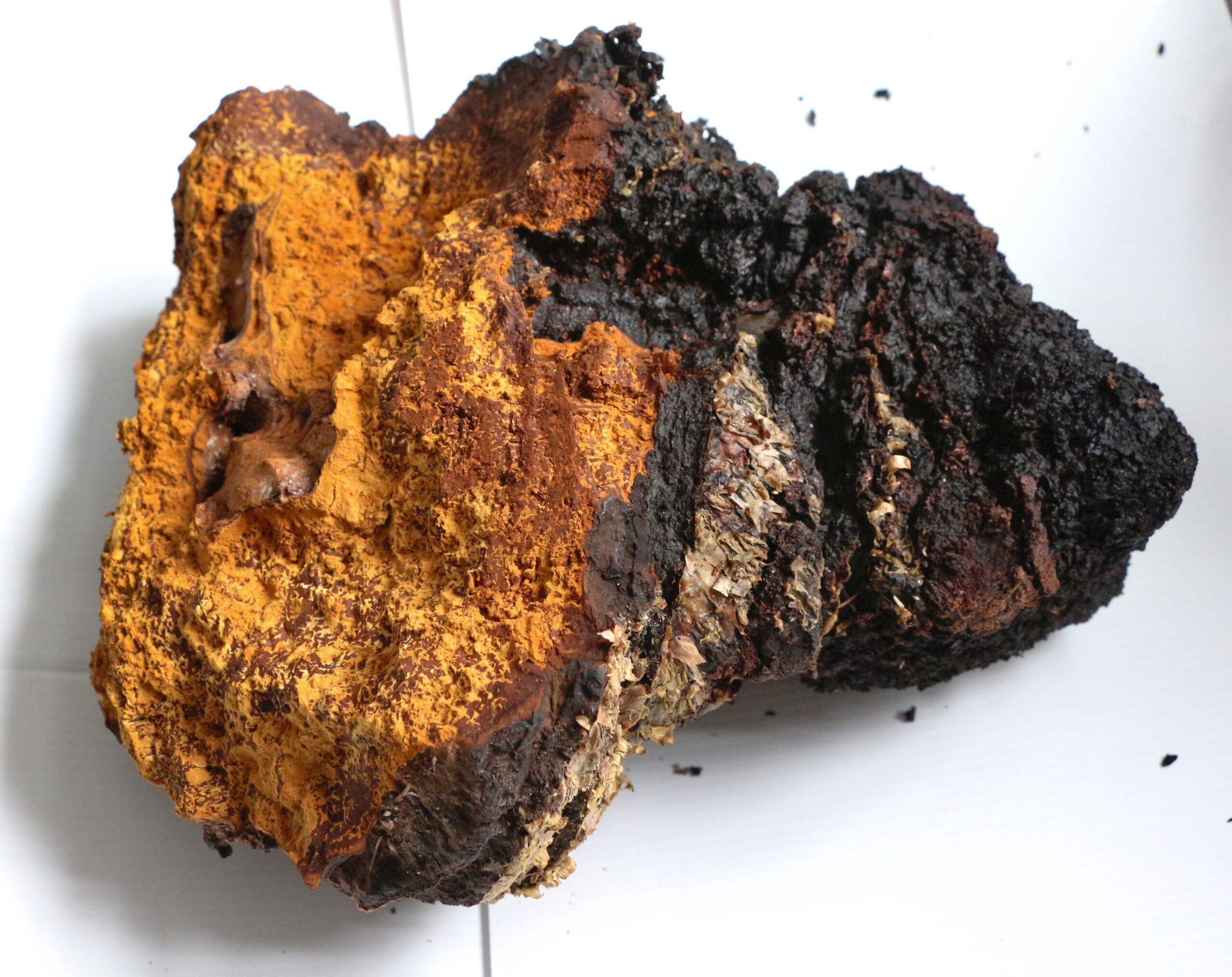
Where chaga has a genuinely long and well-documented history is in Northern Eurasian folk medicine. Russian, Finnish, Polish, and Baltic traditions used decocted chaga as a general tonic and digestive remedy going back centuries. In Finland, chaga became a commercial tea product — “tikkatee,” or woodpecker tea — as early as the 1930s.
Traditional use is a real form of evidence, but it is its own category. It tells us that people have consumed chaga tea for a long time without it being immediately harmful, which is useful to know. It does not tell us that chaga “works” for any specific condition in the way a randomized trial would. And traditional use at a cup of decocted tea a day is not the same exposure as the concentrated extract capsules sold today.
Safety: The Kidney Case Reports

This is the section most chaga articles skip, and it is the most important one.
Memorial Sloan Kettering’s integrative oncology service documents three published case reports of serious kidney damage associated with chaga consumption: oxalate nephropathy in patients consuming 4–15 grams of chaga daily, and end-stage renal disease following long-term use. One patient required hemodialysis with incomplete recovery (MSK About Herbs: Chaga).
The biological mechanism is not mysterious. Chaga’s own constituent list includes oxalic acid alongside gallic, protocatechuic, and p-hydroxybenzoic acids (MSK). Oxalate, consumed in large amounts by susceptible individuals, can crystallize in the kidney tubules and cause acute kidney injury. Three case reports is not an epidemic, but it is not zero either, and it is more documented harm than almost any other functional mushroom has generated.
Practical implications:
- If you have existing kidney disease (any stage of CKD), avoid chaga.
- If you have a history of calcium oxalate kidney stones, avoid chaga.
- If you are on a high-oxalate restriction for any reason, do not add chaga.
- At the very least, do not exceed roughly 1–3 grams of dried chaga per day as a decocted tea, stay well hydrated, and do not take concentrated chaga extract capsules without a clinical reason.
Herb–Drug Interactions

Two interactions are well enough supported by preclinical pharmacology to take seriously.
Anticoagulants. Chaga extract has been shown to inhibit platelet aggregation in animal studies (MSK). That means an additive bleeding risk with warfarin, direct oral anticoagulants (DOACs like apixaban or rivaroxaban), aspirin, and clopidogrel. If you are on any of these medications, or scheduled for surgery within the next two weeks, do not take chaga.
Hypoglycemic agents. The same animal research that suggested glucose-lowering effects also raises the possibility of additive hypoglycemia when combined with diabetes medications — metformin, sulfonylureas, insulin. Not a reason to avoid chaga outright if you are diabetic, but a reason to monitor your blood glucose carefully if you start using it, and to tell your physician.
Dosage: The Honest Answer

There is no established clinical dose for chaga because there is no clinical trial to establish one. That is the truthful answer, and I’m going to give it plainly instead of inventing numbers.
Traditional folk preparations typically used roughly 1–3 grams of dried chaga per day decocted as tea. That is a reasonable upper-bound for traditional use. It is not the same as the concentrated extract capsules sold today, which can deliver multi-gram equivalents in a much more bioavailable form — and at the upper end of that range, we are in the same territory as the 4–15 g/day patients who developed oxalate nephropathy.
If you choose to use chaga, my honest recommendation is: stick with decocted tea from whole chunks rather than concentrated extract powders, start low, stay well hydrated, and do not treat chaga as a daily supplement for months at a time until more safety data exists.
How to Prepare Chaga

Because chaga’s bioactives split between water-soluble compounds (polysaccharides, melanins) and alcohol-soluble compounds (triterpenoids like inotodiol and betulinic acid), traditional herbalists use a dual extraction — hot water plus alcohol — to capture both fractions. This is the same principle as dual-extracting reishi or lion’s mane.
Simple chaga tea (water extract only)

- Break a piece of dried chaga into chunks roughly the size of a walnut. (Fresh chaga from the tree is stone-hard; you will want a hammer and a chisel, or a robust grinder.)
- Place 15–20 grams of chunks in a pot with about 1 liter of water.
- Simmer — do not hard-boil — at 60–80 °C for at least 2 hours, ideally 4 or more. Boiling aggressively can degrade heat-sensitive compounds.
- Strain. The liquid should be deep tea-brown, not black. Chunks can be re-used for 2–3 more brews.
- Drink 1 cup (about 200 ml) per day, at most.
Dual extraction (for full bioavailability)
Full dual extraction follows the same approach as any dual-extracted mushroom: water extract first, then an alcohol extract, then combine them at a final ratio. The process is identical to the one covered in our herbal tincture guide; the only differences are longer water simmer times and the use of broken chaga chunks rather than fresh plant material.
The Sustainability Problem (And Why It Matters)
This is the part of the chaga conversation nobody in the supplement industry wants to have.
Chaga grows slowly. Harvestable conks form over roughly 8 years, and some take 15 or more to reach a size worth harvesting. When a forager removes the entire conk from a tree, the fungus in that location is effectively gone for a generation. Commercial demand has exploded since the mid-2010s — one feature article in Asparagus Magazine describes Canada’s commercial chaga harvest as a “boom” and asks directly whether it can avoid going bust.
The 2023 Heliyon review acknowledges this tension. It cites an older (2004) assessment finding “exceedingly abundant biological resources of I. obliquus with no risk of over-harvesting,” but the reviewers immediately caveat that this study is “over a decade old… leaving us with the unknown impact of increased Chaga harvesting” (Ern et al. 2023). In other words: the last good assessment is twenty years out of date, and the supplement industry has grown tenfold since then.
If you forage chaga yourself, the widely accepted ethical guidelines are:
- Leave at least 20–30% of the conk in place. It will continue to grow.
- Only harvest conks larger than an outstretched hand. Smaller conks are young — leave them.
- Harvest in winter. The conk is firm and the birch is dormant; dormant trees handle the minor injury better.
- Do not harvest from dead or dying birches — the chaga has already lost most of its quality, and fruiting body formation is what spreads the species.
- Do not strip multiple trees in the same stand. Rotate areas with multi-year gaps.
If you buy chaga, ask where it was harvested. Reputable suppliers will tell you. Wild chaga from Alaska, Canada, or managed Finnish and Russian operations is generally more traceable than bulk powder of unspecified origin.
Safety Profile: Chaga (Inonotus obliquus)
- Contraindications
- Kidney disease or impaired kidney function (chaga contains exceptionally high levels of soluble oxalates — published case reports document oxalate nephropathy, acute kidney injury, and end-stage renal disease requiring hemodialysis in patients consuming concentrated chaga extract); kidney stone history (oxalate stone formation risk); bleeding disorders (platelet-inhibiting polysaccharides); autoimmune conditions (immune-stimulating beta-glucans may exacerbate autoimmune activity).
- Drug interactions
- Anticoagulants and antiplatelets — warfarin, DOACs (apixaban, rivaroxaban), aspirin, clopidogrel (theoretical additive bleeding risk from chaga’s polysaccharide antiplatelet activity; monitor INR if concurrent use). Hypoglycemic agents and insulin (animal data show glucose-lowering activity — additive hypoglycaemia risk requiring blood-glucose monitoring). Immunosuppressants including cyclosporine, tacrolimus (opposing immunomodulatory mechanism may reduce drug efficacy).
- Pregnancy / lactation
- Avoid during pregnancy and breastfeeding. No human safety data exist for either population. Chaga’s immune-stimulating and antiplatelet activity are both undesirable during pregnancy. Insufficient evidence to establish safe exposure levels during lactation; precautionary avoidance is recommended by integrative oncology references including Memorial Sloan Kettering Cancer Center.
- Maximum recommended daily dose
- Traditional decocted tea: up to 1–3 g dried chaga per day is the range cited in ethnobotanical literature and the form used in most safety-favourable traditional contexts. Concentrated extracts: ≤2 g/day extract — only with confirmed normal kidney function and adequate hydration. The three published kidney-injury case reports involved extract capsule doses in the 4–15 g/day range. Do not use high-dose extract long-term without clinical monitoring.
- Do not use if
-
- You have chronic kidney disease, reduced kidney function, or a history of kidney stones — high oxalate content poses a documented nephrotoxicity risk even at moderate doses.
- You have a bleeding disorder or are scheduled for surgery within two weeks — chaga has antiplatelet properties that may increase bleeding risk.
- You are taking warfarin, DOACs, aspirin for cardiovascular prevention, or clopidogrel — additive bleeding risk requires medical coordination before concurrent use.
- You have an active autoimmune condition (lupus, rheumatoid arthritis, multiple sclerosis, inflammatory bowel disease) — immune stimulation may worsen disease activity.
- You are pregnant or breastfeeding — no human safety data; precautionary avoidance is the appropriate recommendation.
- You are taking immunosuppressant medications — chaga’s immune-stimulating activity may directly oppose therapeutic immunosuppression.
Frequently Asked Questions
Are there any human studies on chaga?
Not yet. As of 2024, there are no published human clinical trials on chaga for any condition. Memorial Sloan Kettering’s integrative medicine service states plainly that “safety and efficacy of chaga have yet to be evaluated in clinical studies.” All current evidence is preclinical — from cell-culture experiments and animal models. Chaga may prove to have real therapeutic value as human research develops, but honest reporting requires saying “we don’t know yet” rather than “studies show.”
Who should avoid chaga entirely?
Based on the documented safety signals: anyone with kidney disease or a history of oxalate kidney stones, anyone taking anticoagulants (warfarin, apixaban, rivaroxaban, aspirin, clopidogrel), anyone scheduled for surgery in the next two weeks, and people who are pregnant or breastfeeding (no safety data exists for these populations). Diabetics on glucose-lowering medication should use chaga cautiously and monitor blood sugar if they do.
Is chaga safer than chaga extract capsules?
Decocted tea from whole dried chaga chunks is probably safer than concentrated extract powders, because traditional preparation naturally limits dose. Concentrated capsules can easily deliver multi-gram equivalents — which is the same dose range associated with the published kidney case reports. If you want to try chaga, whole-chunk decoction is the more conservative choice.
Can I forage chaga myself?
Yes, carefully. Chaga is relatively easy to identify once you know what you are looking at — a cracked, charcoal-black, hard mass erupting from a living birch — and has few dangerous lookalikes. The main practical difficulties are finding it (it is uncommon outside specific regions), harvesting it responsibly (see the sustainability section), and drying it properly (break into chunks, air-dry in a single layer for several weeks). Never eat or brew a fungus you cannot confidently identify. If you are new to foraging, take a class or go out with an experienced mycologist before harvesting anything from the wild.
How does chaga compare to other functional mushrooms?
Of the five mushrooms covered in our functional mushroom comparison, chaga has the weakest clinical evidence base and the most documented safety signal. That is not a reason to write it off — preclinical mechanism data is genuinely interesting, and traditional use suggests it is tolerable at moderate doses for most people — but it is a reason to prioritize better-studied mushrooms like lion’s mane or reishi if your interest is primarily cognitive or stress-related.
The Bottom Line
Chaga is fascinating, ecologically unusual, and pharmacologically rich in ways that deserve more clinical study than it has received. It also has a documented kidney-injury signal that does not appear in any other popular functional mushroom, no published human clinical trials whatsoever, and a sustainability problem that grows worse every year.
If you want to try chaga, my honest recommendation is this: source it from a supplier who can tell you where it was harvested, prepare it as a traditional decocted tea rather than a concentrated extract, keep your daily dose modest, stay well-hydrated, and — if you are on any prescription medication or have any kidney history at all — talk to your doctor first. Treat it as an interesting traditional tonic, not a daily supplement with clinical indications it has not yet earned.
And if you are a forager: consider leaving the small ones alone. The next ten years of wild chaga depend on it.
References
- Ern PTY et al. “Therapeutic properties of Inonotus obliquus (Chaga mushroom): A review.” Heliyon, 2023. PMC11132974
- Memorial Sloan Kettering Cancer Center. “Chaga Mushroom” (About Herbs). mskcc.org (accessed April 2026)
- Du X et al. “Antioxidant activity of polysaccharide extracted from Inonotus obliquus.” Cited in Ern et al. 2023.
- Wang J et al. “Anti-diabetic effects of Inonotus obliquus polysaccharides in type 2 diabetes mice.” Cited in Ern et al. 2023.
- Shashkina MY et al. “Chemical and medicobiological properties of chaga (review).” Pharmaceutical Chemistry Journal, 2006. Cited in Ern et al. 2023.