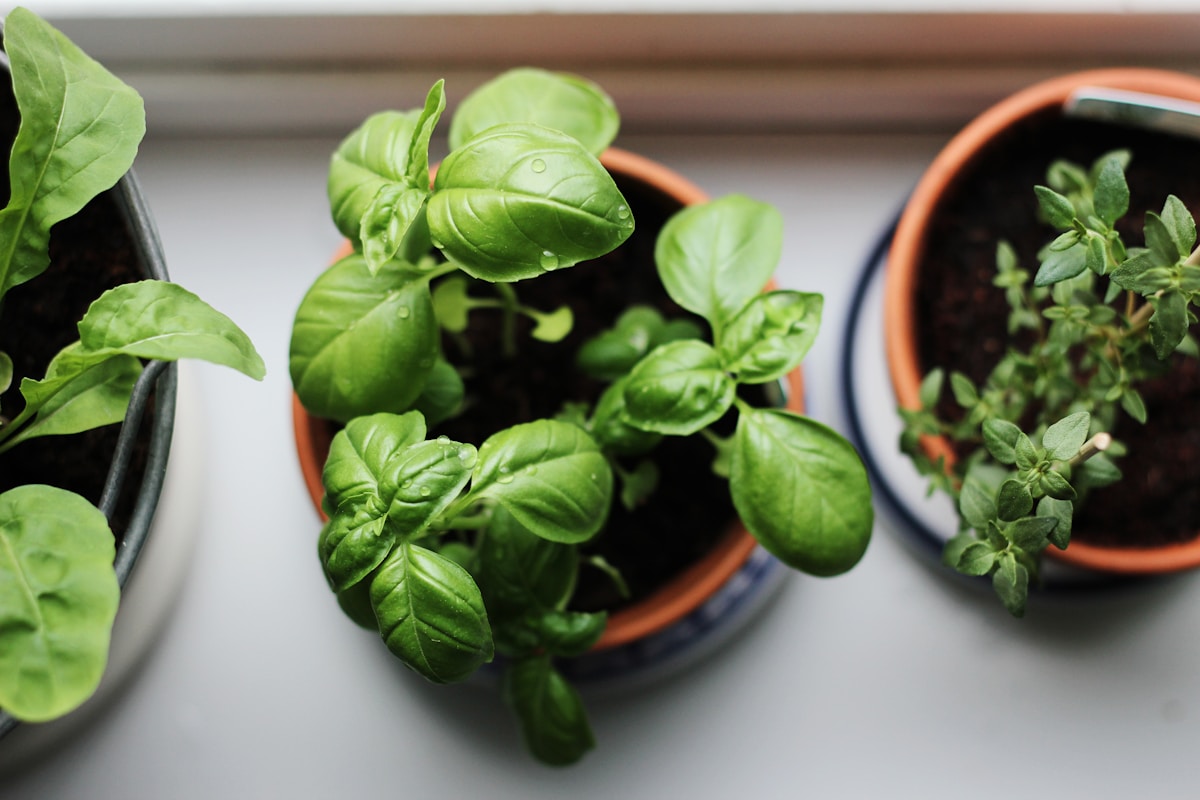
There’s something deeply satisfying about stepping into your backyard, snipping a few leaves of lemon balm, and brewing a cup of tea that genuinely helps you unwind after a long day. No pharmacy run. No ingredient list you can’t pronounce. Just you, a plant, and thousands of years of human wisdom.
If you’ve ever wanted to grow your own medicine cabinet but felt overwhelmed by where to start, you’re in exactly the right place. The 10 herbs on this list were chosen specifically for beginners: they’re forgiving, well-researched, and most of them practically grow themselves. Several are likely already growing in your yard without you even realizing it.
Whether you have a sprawling backyard or a few pots on a sunny balcony, you can start growing medicinal herbs this season. Let’s dig in.

Quick-Reference Table: 10 Medicinal Herbs for Beginners

| Herb | Primary Medicinal Use | Zones | Difficulty |
|---|---|---|---|
| Chamomile | Calming, digestive support, sleep | Annual (all) | ★☆☆☆☆ |
| Lavender | Anxiety, sleep, headaches | 5–9 | ★★☆☆☆ |
| Lemon Balm | Calming, antiviral (cold sores) | 3–7 | ★☆☆☆☆ |
| Calendula | Skin healing, anti-inflammatory | Annual (all) | ★☆☆☆☆ |
| Echinacea | Immune support | 3–8 | ★★☆☆☆ |
| Peppermint | Digestive support, headaches | 3–11 | ★☆☆☆☆ |
| Rosemary | Cognitive support, circulation | 7–10 | ★★☆☆☆ |
| Holy Basil (Tulsi) | Adaptogen, stress relief | Annual (all) | ★★☆☆☆ |
| Yarrow | First aid, wound care | 3–9 | ★☆☆☆☆ |
| Plantain | Wound care, stings, bites | 3–12 | ★☆☆☆☆ |
Difficulty rating: 1 star = practically grows itself; 5 stars = requires experience and attention.
1. Chamomile — Your Evening Cup of Calm

Chamomile is the herb that most people already know, even if they’ve never grown a single plant. That gentle, apple-scented tea your grandmother made? This is it, and growing it yourself makes the experience even more special.
Medicinal Uses

Chamomile (Matricaria chamomilla) has been used for centuries as a gentle nervine (a class of herbs that calms the nervous system without sedating you into a fog). It’s well-studied for reducing mild anxiety, supporting healthy sleep, easing digestive discomfort, and soothing upset stomachs in both adults and children. Its anti-inflammatory properties also make it useful topically for minor skin irritations. Our guide to the best herbs for sleep dives deeper into chamomile’s sleep-supporting research.
How to Grow It

German chamomile is an easy annual that thrives in full sun with average, well-drained soil. Direct sow seeds in spring by scattering them on the soil surface (they need light to germinate). Thin seedlings to about 8 inches apart. Chamomile actually prefers soil that isn’t too rich, so skip the heavy fertilizer. It will often self-sow, giving you free plants the following year.
Harvesting

Pick flowers when the white petals just begin to fold back from the yellow center. Harvest in the morning after dew has dried. The more you pick, the more flowers the plant produces.
Simple Preparation: Chamomile Sleep Tea

2. Lavender — The Anxious Gardener’s Best Friend

Lavender is one of those herbs that pulls double duty beautifully: it’s a stunning ornamental that also happens to be a powerhouse of calm. If you struggle with anxiety or racing thoughts at bedtime, this is the plant to befriend.
Medicinal Uses

Lavender (Lavandula angustifolia) is one of the most well-researched herbs for anxiety and sleep support. Clinical studies have shown that even inhaling lavender essential oil can reduce anxiety markers. It’s also traditionally used for tension headaches, mild depression, and nervous exhaustion. If you’re curious about herbal sleep support, our guide to the best herbs for sleep dives deeper into the research.
How to Grow It

Lavender is a perennial in zones 5–9 and demands two things: full sun and excellent drainage. Heavy, wet clay soil is lavender’s nemesis. If your soil is dense, grow it in raised beds or containers with sandy, alkaline-leaning soil. English lavender varieties like ‘Hidcote’ and ‘Munstead’ are the hardiest choices for colder zones. Space plants 12–18 inches apart and resist the urge to overwater.
Harvesting

Cut flower stems just as the first blooms begin to open; this is when the essential oil content is highest. Bundle stems together with twine and hang upside down in a warm, dark, well-ventilated area to dry.
Simple Preparation: Lavender Sachets for Sleep

3. Lemon Balm: Gentle Calm (With a Spreading Habit)

Lemon balm might be the most underrated medicinal herb out there. It tastes wonderful, it works quickly, and it’s nearly impossible to kill. There’s just one catch, and we need to talk about it upfront.
Medicinal Uses

Lemon balm (Melissa officinalis) is a calming nervine with notable antiviral properties. Research supports its traditional use for reducing anxiety, improving mood, and supporting healthy sleep. It’s also been studied specifically for cold sores (herpes simplex virus), both taken internally as tea and applied topically. Its gentle nature makes it appropriate for children and elderly individuals (with practitioner guidance).
How to Grow It

Hardy in zones 3–7, lemon balm tolerates partial shade, one of the few medicinal herbs on this list that actually does well without full sun. It’s not picky about soil as long as it drains reasonably well. Start from transplants or root divisions for fastest results. Grow in a large pot to contain its enthusiasm, or plant it where spreading is welcome.
Harvesting

Harvest leaves before the plant flowers for the best flavor and highest medicinal content. Cut stems back by about one-third, and the plant will bush out and give you multiple harvests per season.
Simple Preparation: Fresh Lemon Balm Tea

4. Calendula — Sunshine for Your Skin
Calendula is the herb you’ll reach for every time someone in your family gets a scrape, a rash, or dry, irritated skin. Those bright orange and gold flowers aren’t just gorgeous in the garden; they’re a first-aid kit waiting to happen.
Medicinal Uses
Calendula (Calendula officinalis) is renowned for skin healing. It’s anti-inflammatory, antimicrobial, and promotes tissue repair. Herbalists use it for minor wounds, burns, rashes, eczema, diaper rash, and dry or chapped skin. Internally, it supports lymphatic health and can be used as a gentle digestive aid. It’s one of the most versatile herbs you’ll ever grow.
How to Grow It
Calendula is an easy annual that loves full sun and average garden soil. Direct sow seeds after your last frost date, or start them indoors 6–8 weeks early. Space plants 10–12 inches apart. The single most important growing tip: deadhead spent flowers regularly. This encourages the plant to keep producing blooms all season long, and more blooms means more medicine.
Harvesting
Pick flowers when they’re fully open, ideally in the morning once dew has dried. The petals should feel slightly sticky (that’s the resin), and it’s where much of the medicinal goodness lives. Dry flowers on screens in a single layer away from direct sunlight.
Simple Preparation: Calendula-Infused Oil

5. Echinacea: Immune Support Straight From the Garden

Echinacea is probably the best-known immune-support herb in North America, and there’s good reason: when used correctly, it can be a valuable ally during cold and flu season. Plus, the purple coneflowers are absolutely stunning in the garden.
Medicinal Uses

Echinacea (Echinacea purpurea and E. angustifolia) has been extensively studied for immune support. Research suggests it may reduce the duration and severity of upper respiratory infections when taken at the first sign of symptoms. It’s immunomodulating rather than simply “immune-boosting,” meaning it helps your immune system respond more appropriately rather than just ramping it up. The roots are the most potent part medicinally, though the flowers and leaves are also used.
How to Grow It

Echinacea is a tough perennial in zones 3–8 that thrives in full sun and well-drained soil. It’s drought-tolerant once established and attracts pollinators like nobody’s business. Start from transplants for fastest results, or direct sow seeds in fall (they need cold stratification to germinate). Space plants 18–24 inches apart. Be patient. This is a plant that rewards long-term thinking.
Harvesting

Here’s the key: wait at least three years before harvesting roots. The plant needs time to establish a robust root system, and the medicinal compounds concentrate over time. Dig roots in fall after the plant goes dormant. Flowers and leaves can be harvested anytime during the growing season. If you want to learn how to turn those roots into a powerful remedy, check out our complete guide to making herbal tinctures.
Simple Preparation: Echinacea Honey

6. Peppermint: Digestive Relief in a Pot

Peppermint is one of those herbs that makes you feel like a real herbalist. It works fast, it tastes great, and everyone in your household will actually want to drink it. Just please, please, please grow it in a container.
Medicinal Uses

Peppermint (Mentha x piperita) is a go-to for digestive complaints. It relaxes smooth muscle in the digestive tract, which makes it helpful for bloating, gas, indigestion, nausea, and IBS symptoms. Peppermint tea after a heavy meal is a time-tested remedy that actually holds up to modern scrutiny. Applied topically (diluted essential oil), it’s also useful for tension headaches and muscle aches.
How to Grow It

Peppermint is a vigorous perennial in zones 3–11 — which tells you just how adaptable and persistent this plant is. It tolerates full sun to partial shade, prefers moist soil, and grows enthusiastically in containers. Start from transplants or root divisions (seed-grown peppermint is unreliable). A large pot on your porch or patio is the ideal setup. Keep it well-watered and it will reward you generously.
Harvesting

Harvest leaves anytime during the growing season by snipping stems just above a leaf node. For the strongest flavor and highest menthol content, harvest just before the plant flowers. You can harvest multiple times per season. Peppermint bounces back quickly.
Simple Preparation: After-Dinner Peppermint Tea

7. Rosemary — Sharp Mind, Strong Circulation

Most people think of rosemary as a culinary herb, and it certainly is, but its medicinal resume goes far beyond roasted potatoes. This fragrant evergreen shrub has been called “the herb of remembrance” since ancient times, and modern research is starting to explain why.
Medicinal Uses

Rosemary (Salvia rosmarinus) contains compounds like rosmarinic acid and carnosic acid that support cognitive function and memory. Research shows that even the aroma of rosemary can improve alertness and concentration. It also supports healthy circulation, acts as an antioxidant, and is traditionally used for headaches, poor digestion, and low energy. It’s the herb to reach for when you need to focus. If cognitive support is a priority, you might also explore lion’s mane mushroom, which has clinical research supporting its effects on mental clarity.
How to Grow It

Rosemary is a perennial in zones 7–10. In colder zones, grow it in a large pot that you can bring indoors for winter. Place it near your sunniest window. It demands full sun, well-drained soil, and very little fussing. Overwatering is the most common way to kill rosemary. Let the soil dry out between waterings. Once established, it’s remarkably drought-tolerant and can live for many years.
Harvesting

Snip sprigs anytime you need them; rosemary is evergreen in mild climates, so it’s available year-round where it survives winter outdoors. For drying, harvest longer stems and hang them in bundles.
Simple Preparation: Rosemary Focus Tea

8. Holy Basil (Tulsi): The Stress-Relief Herb You Need Right Now

If modern life has you running on fumes and cortisol, holy basil might be the most important herb on this entire list. Known as Tulsi in Ayurvedic medicine, this sacred herb has been used for over 3,000 years in India, and it’s remarkably easy to grow in a temperate garden.
Medicinal Uses

Holy basil (Ocimum tenuiflorum) is classified as an adaptogen, a class of herbs that help the body adapt to stress and restore balance. Research supports its traditional use for reducing cortisol levels, supporting mental clarity during stressful periods, balancing blood sugar, and providing antioxidant protection. It has a warm, slightly peppery, clove-like flavor that’s nothing like sweet basil — and many people find it deeply comforting. Another powerful adaptogen worth exploring is reishi mushroom, which has a long history of use for stress resilience and calm.
How to Grow It

Holy basil is a warm-season annual that grows similarly to sweet basil. Give it full sun, rich soil, and consistent moisture. Start seeds indoors 6–8 weeks before your last frost, or direct sow after all danger of frost has passed. Space plants 12 inches apart. The most important tip: pinch off flower buds as they appear. This keeps the plant producing leaves instead of going to seed, extending your harvest window significantly.
Harvesting

Begin harvesting once the plant is 12 inches tall. Cut stems just above a pair of leaves, and the plant will branch at that point. Harvest regularly to encourage bushy growth. Both fresh and dried leaves are used medicinally.
Simple Preparation: Tulsi Stress-Relief Tea

9. Yarrow: The First-Aid Herb

Yarrow is one of those herbs that feels like a direct connection to our ancestors. It’s been found in Neanderthal burial sites. Soldiers carried it into battle for wound care (its Latin name, Achillea, comes from the myth of Achilles using it to treat his warriors’ wounds). And chances are, it’s growing somewhere near you right now.
Medicinal Uses

Yarrow (Achillea millefolium) is a classic first-aid herb. Applied topically, it helps stop minor bleeding (it’s a styptic), reduces inflammation, and supports wound healing. Taken internally as a tea, it’s traditionally used to break fevers (it promotes sweating), support the circulatory system, ease menstrual cramps, and tonify the digestive system. Important: Yarrow is traditionally classified as an emmenagogue — it stimulates uterine contractions and menstrual flow at medicinal doses. Do not take yarrow internally during pregnancy. It’s the herb to have on hand for everyday bumps, cuts, and scrapes — especially if you have active kids.
How to Grow It

Yarrow is a tough-as-nails perennial in zones 3–9 that thrives in full sun and well-drained to dry soil. It’s drought-tolerant, deer-resistant, and attracts beneficial insects to the garden. Plant from transplants or divide established clumps in spring or fall. Space 12–18 inches apart. Choose the wild white-flowered variety for medicinal use (ornamental colored varieties are lovely but less potent).
Yarrow is also an excellent herb to forage if you want to practice wildcrafting. It grows in fields, meadows, roadsides, and disturbed soil across most of North America. However, confident identification is essential before harvesting: yarrow (Achillea millefolium) has toxic lookalikes in the Apiaceae (carrot) family, including poison hemlock (Conium maculatum) and wild carrot / Queen Anne’s lace (Daucus carota). These can be very difficult to distinguish from yarrow when they are not in flower, as the finely divided feathery leaves look similar. Before foraging, learn to identify yarrow by its characteristic strong herbal scent (crush a leaf — it should smell distinctively aromatic, not musty or unpleasant), its flat-topped flower clusters, and its distinctively feathery, finely divided leaves. When in doubt, grow your own. Harvest well away from roads, sprayed areas, and agricultural fields. For more on foraging and wildcrafting, our sister site Wild Hearth Life covers sustainable foraging practices and seasonal wild plant guides.
Harvesting

Harvest the flowers and upper leaves when the plant is in full bloom. Cut the top third of the plant, and it will regrow for a second harvest. Dry on screens or in small hanging bundles.
Simple Preparation: Yarrow First-Aid Poultice

10. Plantain: The Weed That’s Actually Medicine

Here’s the most beginner-friendly herb on this list: you probably don’t even need to grow it. Broadleaf plantain (not the banana-like tropical fruit, but the humble “weed” with wide, ribbed leaves) is likely already growing in your yard, in sidewalk cracks, and along every trail you walk.
Medicinal Uses

Plantain (Plantago major) is a remarkable wound-care herb that deserves far more respect than it gets. It’s anti-inflammatory, antimicrobial, and contains a compound called allantoin that promotes cell growth and tissue repair. Traditionally, it’s the go-to remedy for bee stings, insect bites, poison ivy, minor burns, splinters (it’s said to help draw them out), and general skin irritation. It’s also used internally for soothing sore throats and supporting respiratory health.
How to Grow It (Or Just Find It)

Plantain is a perennial “weed” that grows in zones 3–12 — which is basically everywhere. It thrives in compacted soil, lawns, garden edges, driveways, and pathways. If you actually want to cultivate it, simply scatter seeds in a bare patch of ground in spring. It needs no fertilizer, no pampering, and no encouragement whatsoever. Your biggest growing challenge will be learning to stop pulling it out of the garden.
Harvesting

Pick leaves anytime during the growing season. Choose clean, healthy leaves from areas you’re certain haven’t been treated with herbicides or pesticides. Younger leaves are more tender, but larger mature leaves work just as well medicinally. Harvest from your own untreated lawn or garden for the safest supply.
Simple Preparation: Plantain Spit Poultice

Planning Your Medicinal Herb Garden: A Suggested 4×8 Raised Bed Layout

If you have space for a single 4-foot by 8-foot raised bed, you can grow a surprisingly complete home apothecary. For a deeper dive into layout planning, soil preparation, and choosing healing plants for your space, check out this guide to planning your medicinal herb garden. Here’s a layout that accounts for each herb’s size, spreading habits, and sun needs.
Suggested 4×8 Raised Bed: Medicinal Herb Garden
(South-facing / sunniest side at top)
| Rosemary Back left Tall, bushy |
Echinacea Back center Tall (3–4 ft) |
Echinacea Back center (2nd plant) |
Lavender Back right Tall, bushy |
| Yarrow Middle left Medium height |
Calendula Middle center: 3 to 4 plants Deadhead for continuous blooms |
Holy Basil Middle right Pinch flowers |
|
| Chamomile Front row: scatter seeds across the front edge Low-growing, won’t shade other herbs |
|||
Grow separately in pots nearby:
- Peppermint: in its own large container (12+ inches wide)
- Lemon Balm: in its own large container (prevents garden takeover)
No need to plant: Plantain: check your lawn and garden edges. It’s almost certainly already there.
Place the tallest herbs (echinacea, rosemary, lavender) at the back so they don’t shade shorter plants. Chamomile along the front edge creates a beautiful, fragrant border. And by keeping peppermint and lemon balm in pots, you save yourself years of weeding regret.
Tips for First-Time Medicinal Herb Growers

Before you head to the nursery, a few pieces of hard-won wisdom that will save you time, money, and frustration.
Start with just 3–4 herbs. It’s tempting to plant everything on this list at once. Resist that urge. Choose the herbs that match your most pressing health needs and learn to grow and use those well. You can always add more next season.
Buy transplants for your first year. Growing from seed is rewarding but adds complexity. Starting with transplants from a reputable nursery lets you focus on learning to care for the plants and make remedies, which is the fun part.
Label everything. This sounds obvious until you’re staring at six pots of green seedlings with no idea which is which. Use permanent markers on plastic labels, or get creative with painted rocks.
Learn to dry herbs properly. Most medicinal herbs are used dried, and proper drying preserves the active compounds. Hang small bundles upside down in a warm, dark, well-ventilated spot (not your kitchen, which has too much humidity). Herbs are fully dry when they crumble easily between your fingers.
Keep a garden journal. Note when you planted, what the weather was like, when you first harvested, and what worked (or didn’t). This information is gold for next year’s garden.
Invest in good soil. For raised beds, mix equal parts topsoil, compost, and perlite or coarse sand. Most medicinal herbs prefer well-drained soil that’s moderately fertile, not too rich, not too poor.
Harvest often. Many beginner gardeners are afraid to harvest, worried they’ll hurt the plant. For most herbs, regular harvesting actually encourages bushier, more productive growth. Think of it as giving the plant a purpose.
Learn one preparation method well. You don’t need to make tinctures, salves, syrups, and oxymels all in your first season. Start with teas (infusions). They’re the simplest, require no special equipment, and are an effective way to use most herbs. When you’re ready to level up, our beginner’s tincture guide walks you through the next step.
Safety Profiles: 10 Medicinal Herbs for Beginners
Review the profile for each herb before use. Consult your healthcare provider if you take prescription medications, are pregnant, or have a medical condition.
| Herb | Contraindications | Drug interactions | Pregnancy / lactation | Max daily dose | Do not use if |
|---|---|---|---|---|---|
| Chamomile Matricaria chamomilla |
Asteraceae/Compositae family allergy (ragweed, chrysanthemum, daisy cross-reactivity). Known chamomile allergy. | Anticoagulants — coumarin compounds in chamomile may have mild anticoagulant activity; low risk at 1–2 cups tea/day, higher risk at supplement doses. CNS depressants — mild additive sedation. | Moderate tea use (1–2 cups/day) generally considered safe in pregnancy. Avoid concentrated extract supplements during pregnancy. | 1–2 cups tea per day (culinary/tea use). Supplement: ≤1,100 mg extract/day. | Asteraceae family allergy; high-dose chamomile supplements on anticoagulant therapy; concentrated extracts during pregnancy. |
| Lavender Lavandula angustifolia |
Known lavender allergy. Oral lavender supplements (Silexan) are a pharmaceutical preparation — do not substitute with essential oil taken internally. | CYP3A4 substrates — oral lavender may affect drug metabolism; check with pharmacist. CNS depressants — mild additive sedation with oral preparations. | Topical use and aromatherapy generally considered safe during pregnancy. Oral supplement (Silexan) — avoid during pregnancy; insufficient safety data. | Aromatherapy: 3–5 drops in diffuser (no ceiling). Oral Silexan: 80 mg/day only. Never ingest lavender essential oil directly. | Oral ingestion of lavender essential oil; oral supplements during pregnancy; CYP3A4-sensitive medications without pharmacist review. |
| Lemon Balm Melissa officinalis |
Thyroid disease — lemon balm may inhibit TSH and reduce thyroid hormone production. Avoid high-dose use in hypothyroidism. | Thyroid medications (levothyroxine) — may reduce efficacy. CNS depressants and sedatives — additive sedation. | Occasional tea use in culinary amounts generally considered safe. Avoid concentrated extract supplements during pregnancy and breastfeeding. | Tea: 2–3 cups/day fresh or dried leaf infusion. Supplement: ≤600 mg extract/day. | Hypothyroidism or thyroid medication use without clinician guidance; prescription sedatives without supervision; high-dose supplements during pregnancy. |
| Calendula Calendula officinalis |
Asteraceae/Compositae family allergy (ragweed, chamomile, marigold cross-reactivity). Avoid internal use in medicinal doses during pregnancy (see below). | Sedative medications — mild additive sedation possible with internal use. No significant herb-drug interactions documented for typical topical or tea use. | Topical use (infused oil, salve applied to skin) is generally considered safe during pregnancy. Internal medicinal doses should be avoided during pregnancy — calendula has traditional use as an emmenagogue (stimulates menstrual flow) and uterine stimulant; avoid beyond culinary food quantities. | Topical: apply as needed (infused oil, salve). Internal tea: 1–2 cups/day of petal infusion in non-pregnant adults. | Asteraceae family allergy; internal medicinal doses during pregnancy or breastfeeding; topical use over deep or puncture wounds without clinical assessment. |
| Echinacea Echinacea purpurea / E. angustifolia |
Autoimmune disease — lupus, rheumatoid arthritis, multiple sclerosis, inflammatory bowel disease (immune stimulation may worsen autoimmune conditions). Asteraceae family allergy. Progressive systemic diseases. | Immunosuppressants (cyclosporine, tacrolimus, azathioprine) — opposing immunomodulatory mechanism may reduce efficacy or destabilize disease control; avoid concurrent use. Hepatotoxic drugs — theoretical additive liver stress at very high doses. | Evidence is conflicting. One large prospective study found no increased teratogenic risk, but overall data are insufficient for a clear safety recommendation. Short-term use for acute illness during first trimester should be discussed with your provider. Generally avoided during first trimester out of caution. | Acute use: 900 mg–1,500 mg root extract per day for up to 10 days at onset of illness. Long-term preventive use is not evidence-supported; use intermittently. | Autoimmune disease (without clinician guidance); immunosuppressant medications; Asteraceae family allergy; progressive systemic conditions; first trimester pregnancy (consult provider). |
| Peppermint Mentha x piperita |
Gastroesophageal reflux disease (GERD) — peppermint relaxes the lower esophageal sphincter and may worsen acid reflux symptoms. Hiatus hernia. Do not apply peppermint essential oil to the face of infants or young children — menthol can cause respiratory distress. | Acid reflux / GERD medications (PPIs, H2 blockers) — peppermint may counteract their efficacy by relaxing the esophageal sphincter. Cyclosporine — peppermint oil may affect cyclosporine metabolism. CYP1A2 substrates — theoretical interaction at high doses. | Peppermint tea in culinary amounts is generally considered safe during pregnancy and is widely used for pregnancy-related nausea. Avoid concentrated peppermint oil supplements during pregnancy. Essential oil aromatherapy is generally acceptable. | Tea: 2–3 cups/day. Enteric-coated peppermint oil capsules for IBS: 0.2–0.4 mL 3x/day (enteric-coated only). Do not ingest undiluted essential oil. | GERD or hiatus hernia (internal use may worsen symptoms); applying menthol products to infants’ faces; undiluted essential oil internally; cyclosporine use without pharmacist review. |
| Rosemary Salvia rosmarinus |
Epilepsy — rosemary may lower seizure threshold at high doses. High blood pressure — large amounts of rosemary may raise blood pressure. Avoid medicinal-dose rosemary (teas, supplements) during pregnancy (see below). | Anticoagulants — rosmarinic acid may have mild antiplatelet activity at high supplement doses. ACE inhibitors and antihypertensives — possible interaction at high doses. Lithium — theoretical diuretic effect may raise lithium levels. | Culinary amounts of rosemary as a food seasoning are safe during pregnancy. Medicinal doses of rosemary tea or concentrated supplements should be avoided during pregnancy — rosemary is traditionally classified as an emmenagogue and uterine stimulant at higher doses. Breastfeeding: culinary use is fine; avoid high-dose supplements. | Culinary use: unlimited. Rosemary tea: 1–2 cups/day of weak infusion. Avoid high-dose extracts. | Pregnancy (medicinal doses or concentrated supplements); epilepsy (at high doses); anticoagulant medications at supplement doses; lithium therapy. |
| Holy Basil (Tulsi) Ocimum tenuiflorum |
Bleeding disorders — some animal studies suggest antiplatelet activity at high doses. Diabetes — may enhance blood-glucose lowering. Avoid medicinal doses around surgery (within 2 weeks). | Anticoagulants and antiplatelets — theoretical additive bleeding risk at high doses. Diabetes medications and insulin — additive blood-glucose lowering; monitor glucose. Barbiturates and sedatives — animal data suggest potentiation at high doses. | Tulsi tea in moderate culinary amounts is generally considered safe during pregnancy in Ayurvedic tradition. Concentrated supplements should be avoided — insufficient human safety data, and animal studies show potential effects on reproductive hormones at high doses. | Tea: 1–3 cups/day of leaf infusion. Supplement: ≤500 mg dried leaf extract/day. | High-dose supplements during pregnancy; surgery within 2 weeks (antiplatelet effects); anticoagulant or diabetes medications without glucose/INR monitoring. |
| Yarrow Achillea millefolium |
Asteraceae/Compositae family allergy (ragweed, chamomile, chrysanthemum cross-reactivity). Bleeding disorders — yarrow is a styptic topically but may have conflicting effects internally. Avoid in people with known sensitivity to sesquiterpene lactones. | Anticoagulants and antiplatelets — contradictory data; some components have antiplatelet activity while yarrow is topically hemostatic; avoid high-dose internal use with anticoagulants. Sedatives — mild additive sedation possible. | Avoid during pregnancy. Yarrow is traditionally classified as an emmenagogue (stimulates uterine contractions and menstrual flow) and has been used historically to induce menstruation. Internal medicinal use during pregnancy is contraindicated. Topical application to intact skin is generally considered lower risk, but internal doses should be strictly avoided. Breastfeeding: avoid internal medicinal doses. | Topical: apply as needed (fresh plant poultice, infused oil). Internal tea: ≤3 cups/day of weak infusion for short-term use only in non-pregnant adults. | Pregnancy (internal medicinal doses — emmenagogue / uterine stimulant risk); Asteraceae allergy; anticoagulant medications at high internal doses; foraging without confident species ID — yarrow has toxic lookalikes in the Apiaceae family (poison hemlock Conium maculatum, wild carrot / Queen Anne’s lace Daucus carota) that can be confused with yarrow especially before flowering. Only forage if you can positively identify the feathery, finely divided leaves and confirm the characteristic yarrow scent. |
| Plantain Plantago major |
Known allergy to Plantago species (rare). Ensure positive identification before internal use — broadleaf plantain is visually distinctive, but always harvest from areas you know are free of herbicides, pesticides, and vehicle exhaust contamination. | Anticoagulants — psyllium-type fiber in plantain seeds may affect drug absorption if taken simultaneously (space 2 hours apart from any medications). No significant interactions documented for leaf preparations at typical topical or tea quantities. | Topical use on skin (poultice for stings and scrapes) is generally considered safe during pregnancy. Internal leaf tea in moderate culinary quantities is generally low risk. Avoid high-dose plantain seed/husk supplements during pregnancy — fiber supplements may affect nutrient absorption. | Topical poultice: apply as needed. Internal leaf tea: 1–2 cups/day. Harvest only from areas confirmed free of herbicide and pesticide treatment. | Internal use of plant material harvested from roadsides, treated lawns, or areas near agricultural chemical application; plantain allergy; plantain seed supplements simultaneously with prescription medications (separate by 2 hours). |
Frequently Asked Questions
Can I grow medicinal herbs in containers if I don’t have a yard?

Absolutely. Every herb on this list can be grown in containers on a sunny balcony, patio, or even a bright windowsill. In fact, container growing is the preferred method for aggressive spreaders like peppermint and lemon balm. Choose pots at least 10–12 inches in diameter with good drainage holes, use a quality potting mix, and make sure they get at least 6 hours of direct sun. Chamomile, calendula, holy basil, and peppermint are especially well-suited to pot culture.
Are homegrown medicinal herbs as effective as supplements from the store?

In many cases, homegrown herbs are more potent than commercial products, especially for teas and simple preparations. When you grow your own, you control the soil quality, harvest timing, and drying process. You know exactly what you’re getting with no fillers, additives, or questions about sourcing. The key to potency is harvesting at the right time (usually just before or during flowering) and drying properly. Store-bought supplements have their place, especially for standardized dosages, but there’s nothing quite like medicine straight from the garden.
Is it safe to use medicinal herbs alongside prescription medications?

This is an important question, and the honest answer is: it depends. Some herbs can interact with medications. For example, St. John’s Wort (not on this list) famously interacts with many pharmaceuticals. The herbs on this beginner’s list are generally considered safe for most healthy adults when used in culinary and tea quantities. However, if you take prescription medications, are pregnant or nursing, or have a chronic health condition, always consult your doctor or a qualified clinical herbalist before adding herbal remedies to your routine. This is especially true for echinacea (which may interact with immunosuppressants) and peppermint (which can affect acid reflux medications).
When is the best time of year to start a medicinal herb garden?

For most regions, spring (after your last frost date) is the ideal time to start. Cool-weather herbs like chamomile, calendula, and yarrow can be direct-sown as soon as the soil can be worked. Warm-season herbs like holy basil and tulsi should wait until nighttime temperatures consistently stay above 50 degrees Fahrenheit. Perennials like lavender, echinacea, and rosemary can also be planted in early fall, giving their roots time to establish before winter. If you’re starting from seed indoors, begin 6–8 weeks before your last expected frost date.
Your Medicine Garden Starts Here

Growing medicinal herbs isn’t about becoming a master herbalist overnight. It’s about taking one small step toward self-reliance: planting a single chamomile seed, brewing your first cup of homegrown tea, or recognizing that the “weed” in your driveway crack is actually a valuable first-aid plant.
Every expert herbalist started exactly where you are right now. The herbs on this list are forgiving teachers. They’ll tolerate your beginner mistakes, reward your attention, and slowly build your confidence in the garden and the kitchen apothecary alike.
Pick two or three herbs that speak to your family’s needs, get them in the ground (or in pots), and start learning. The plants will do most of the work.
Explore more: If you’re interested in growing food alongside your medicinal herbs, our sister site Wild Hearth Life covers gardening, homesteading, and seasonal living for families building a more self-sufficient life. And when you’re ready to take your herbal preparations to the next level, don’t miss our complete guide to making herbal tinctures. Curious about functional mushrooms? Our mushroom comparison guide breaks down the research on five popular species.