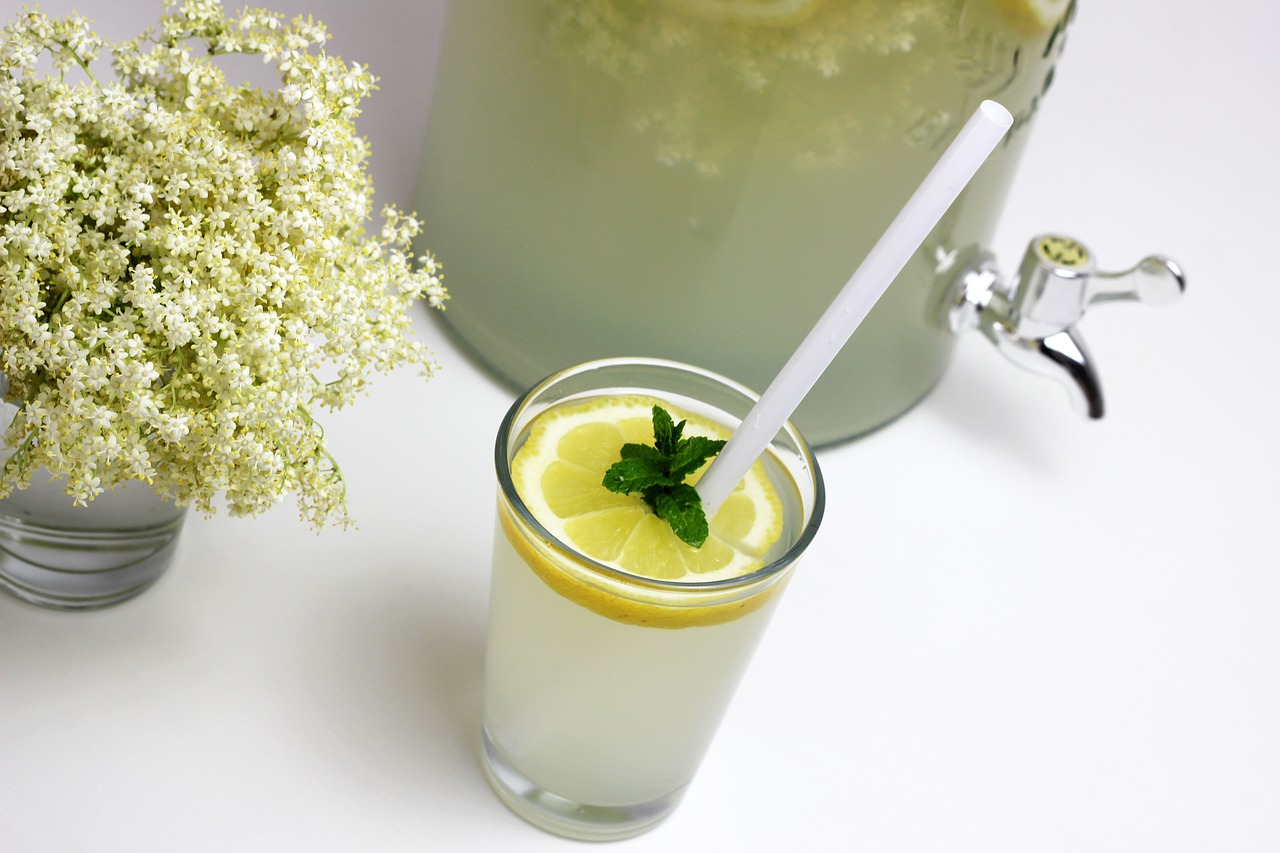
Elderberry syrup is the most popular home herbal remedy in North America, and for reasons that make sense: a 2019 meta-analysis in Complementary Therapies in Medicine concluded that elderberry supplementation may reduce the duration of upper respiratory symptoms, the ingredients cost under $20 for a batch that lasts a season, and the result actually tastes good enough that kids will take it willingly. There are also a surprising number of ways to mess it up — including one serious safety issue that most recipes skip entirely.
This guide covers what the research actually shows, the critical cyanogenic glycoside warning (why you must cook the berries), how to source dried or frozen elderberries, a classic recipe with proper ratios, the infant honey warning, and why the “elderberry causes cytokine storm” rumor that circulated during COVID doesn’t hold up.
Key Takeaways
- A 2019 meta-analysis found elderberry supplementation reduced upper respiratory symptoms (Hawkins et al., Complement Ther Med).
- Raw elderberries are toxic. Cooking is mandatory. Raw-berry poisoning has been documented in outbreak reports.
- No honey for infants under 1 — unrelated to elderberry, but honey-sweetened syrup should never be given to babies.
- The “cytokine storm” warning that circulated during COVID was based on a misreading of in vitro data and is not supported by clinical evidence.
- Do not water-bath can this recipe at home — the NCHFP has not tested elderberry syrup for safe home canning. Refrigerate and use within a few weeks, or freeze for longer storage.
The Research: Does Elderberry Actually Work?
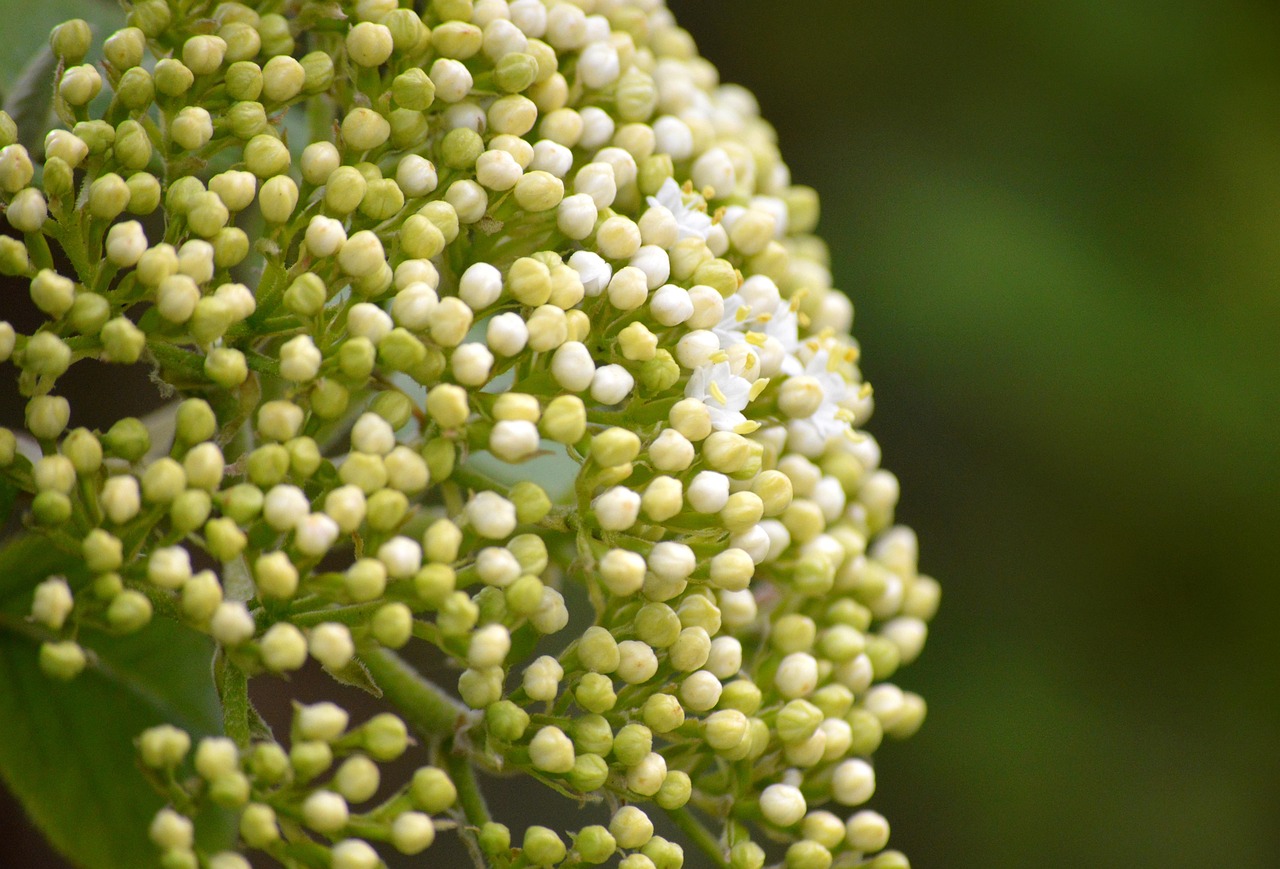
Hawkins et al. 2019 published a meta-analysis in Complementary Therapies in Medicine that pooled four randomized controlled trials of elderberry supplementation for upper respiratory tract infections. The pooled result showed that elderberry “substantially reduced upper respiratory symptoms.” A subsequent 2016 RCT in air travelers (Tiralongo et al.) found elderberry reduced both the duration and severity of cold symptoms in frequent travelers.
These are small trials and the overall quality of the literature is moderate — not definitive proof, but real evidence that elderberry has a measurable effect on upper respiratory symptoms. The proposed mechanisms involve the high anthocyanin content and specific anti-viral activity documented in cell culture against influenza A and B viruses.
Elderberry is not a substitute for vaccination, antiviral medication, or medical care for serious respiratory illness. It is a reasonable addition to supportive care for mild-to-moderate cold and flu symptoms in otherwise healthy people.
The Critical Safety Warning: Cook the Berries

Here is the single most important fact in this article, and the one most elderberry blog posts skip: raw elderberries are toxic. Raw berries, stems, leaves, and bark of Sambucus nigra and S. canadensis contain cyanogenic glycosides — specifically sambunigrin — that release hydrogen cyanide when the plant tissue is damaged. Consuming enough raw plant material can cause nausea, vomiting, severe diarrhea, weakness, and in extreme cases, death.
This is not a theoretical concern. The CDC documented an outbreak in 1983 in which 25 people at a California religious retreat became severely ill after drinking juice made from raw elderberries — eight required hospitalization.
The good news: cooking the berries destroys the cyanogenic glycosides. Simmering for at least 20–30 minutes at a proper simmer renders the berries completely safe. This is why elderberry syrup, elderberry jelly, elderberry wine, and all traditional elderberry preparations are cooked. Dried elderberries (commercially dried at controlled temperatures) are also safe because the drying process, combined with the cooking you’ll do when preparing them, eliminates the risk.
Practical rule: Never eat raw elderberries, never drink raw elderberry juice, always simmer for at least 20 minutes, remove all stems and leaves, and buy your dried berries from reputable herb suppliers who understand this.
Sourcing Elderberries
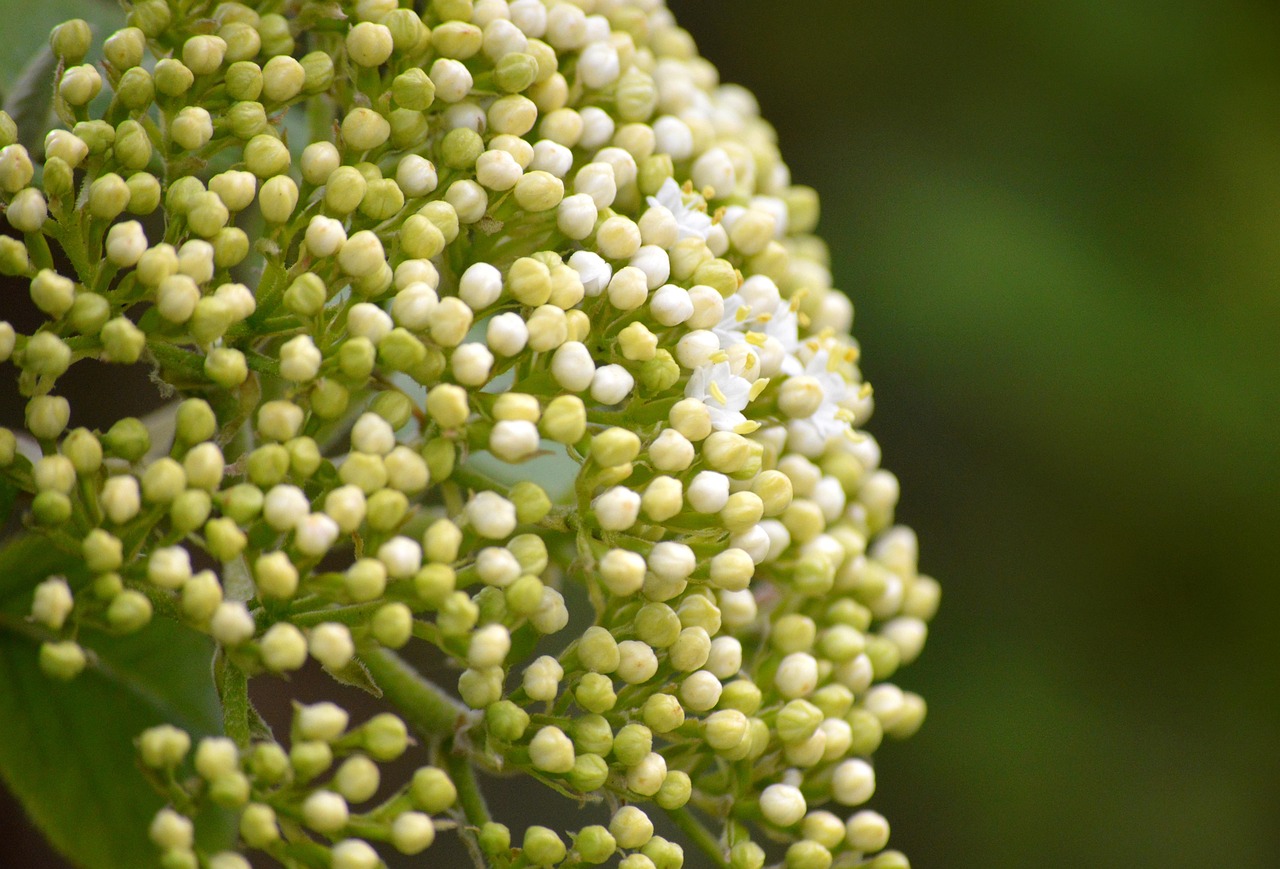
- Dried organic elderberries — the most common form for home syrup making. Available from Mountain Rose Herbs, Starwest Botanicals, Frontier Co-op, and others. A pound of dried elderberries makes about 4 batches of syrup.
- Frozen elderberries — if you can find them, a decent alternative. Use the same weight as dried for the recipe.
- Fresh elderberries — harvested from your own elderberry shrub or wild-foraged. Ripe berries only, remove ALL stems (even small ones), never eat raw.
- Elderberry concentrate or tincture — a shortcut if you don’t want to make syrup from whole berries. Not as traditional but effective.
Species note: Use European black elder (Sambucus nigra) or American black elder (S. canadensis). Both are medicinal and traditionally used. Red elder (S. racemosa) is a different species and is considered more toxic — avoid.
Elderberry Lookalikes: How to Avoid Pokeberry (Phytolacca americana)
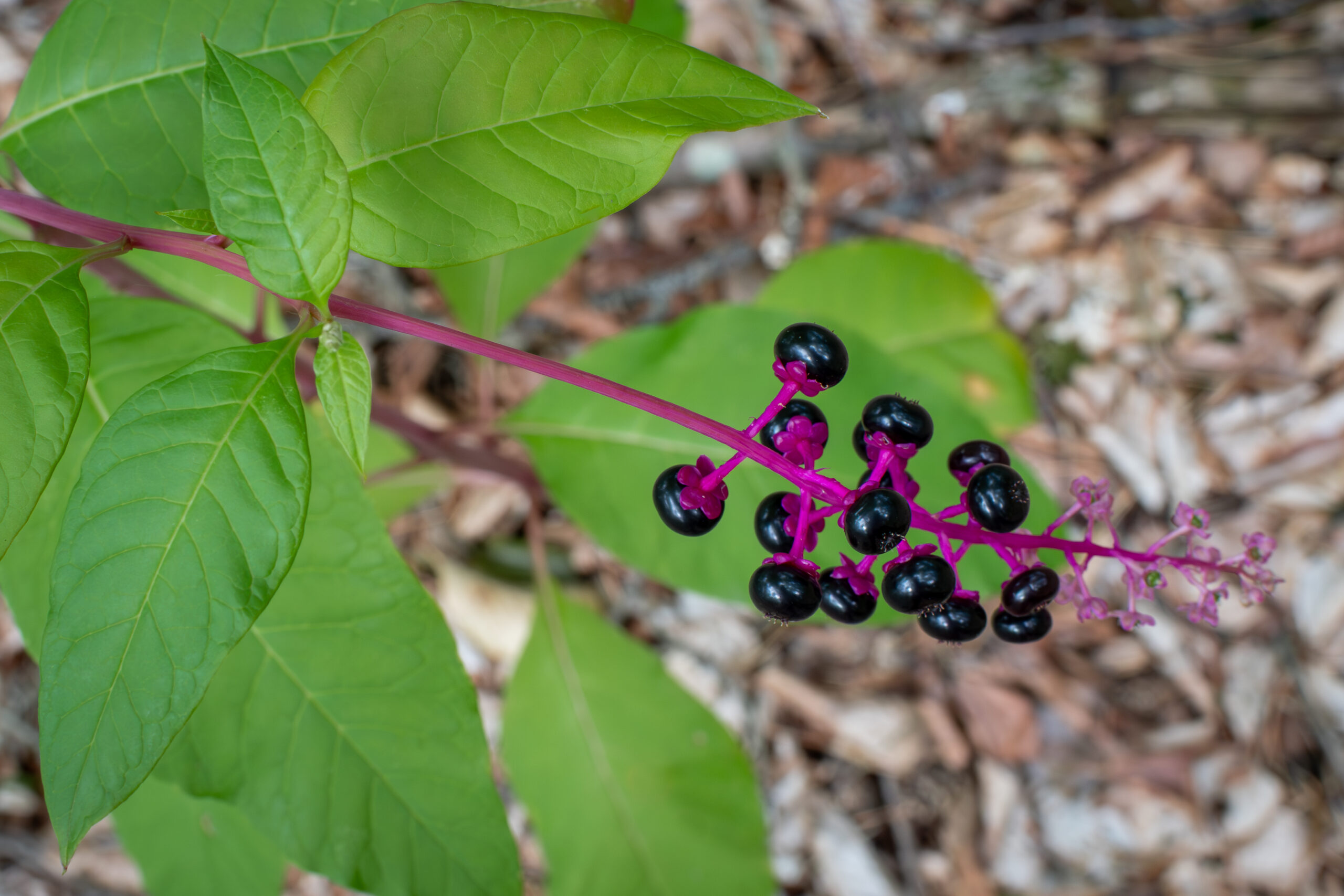
If you wild-forage elderberries, you must be able to distinguish them from pokeberry (pokeweed, Phytolacca americana). Pokeberry grows in the same hedgerows, roadsides, and overgrown fields as elder and produces similar-looking dark purple berries that ripen around the same time. Pokeberry roots and seeds are always toxic, and the raw leaves and berries can cause severe gastrointestinal illness, seizures, and in rare cases death. Children have been poisoned by eating as few as a handful of raw pokeberries.
Key ID differences between elderberry and pokeberry:
- Cluster shape: Elderberries hang in flat-topped or slightly rounded umbels (umbrella-like clusters with many small stems radiating from a single point). Pokeberries hang in long, drooping racemes — a single central stem with berries attached individually along its length, looking somewhat like a grape cluster.
- Stem and plant structure: Elder is a woody shrub or small tree with compound, opposite leaves and grey-brown bark. Pokeweed is a tall herbaceous perennial with a smooth, hollow, often reddish-purple stem and alternate, simple leaves — it dies back to the ground each winter.
- Berry shape: Elderberries are small (3–5 mm), round, and have 3–5 tiny seeds. Pokeberries are larger (6–11 mm), slightly flattened with a distinct vertical ribbing, and sit in a green or pink cup-like calyx with a single, larger seed per segment.
- Root: Pokeweed has a massive white taproot that is the most toxic part of the plant. Elder has a woody fibrous root system typical of shrubs. If you have uprooted the plant and it has a large fleshy taproot, it is not an elder.
When in doubt, do not harvest. Confirm identification with a local foraging expert, a botanical key, or a trusted foraging guide before consuming any wild berries. Never eat raw — this applies to elderberries as well as any suspected lookalike.
Classic Elderberry Syrup Recipe
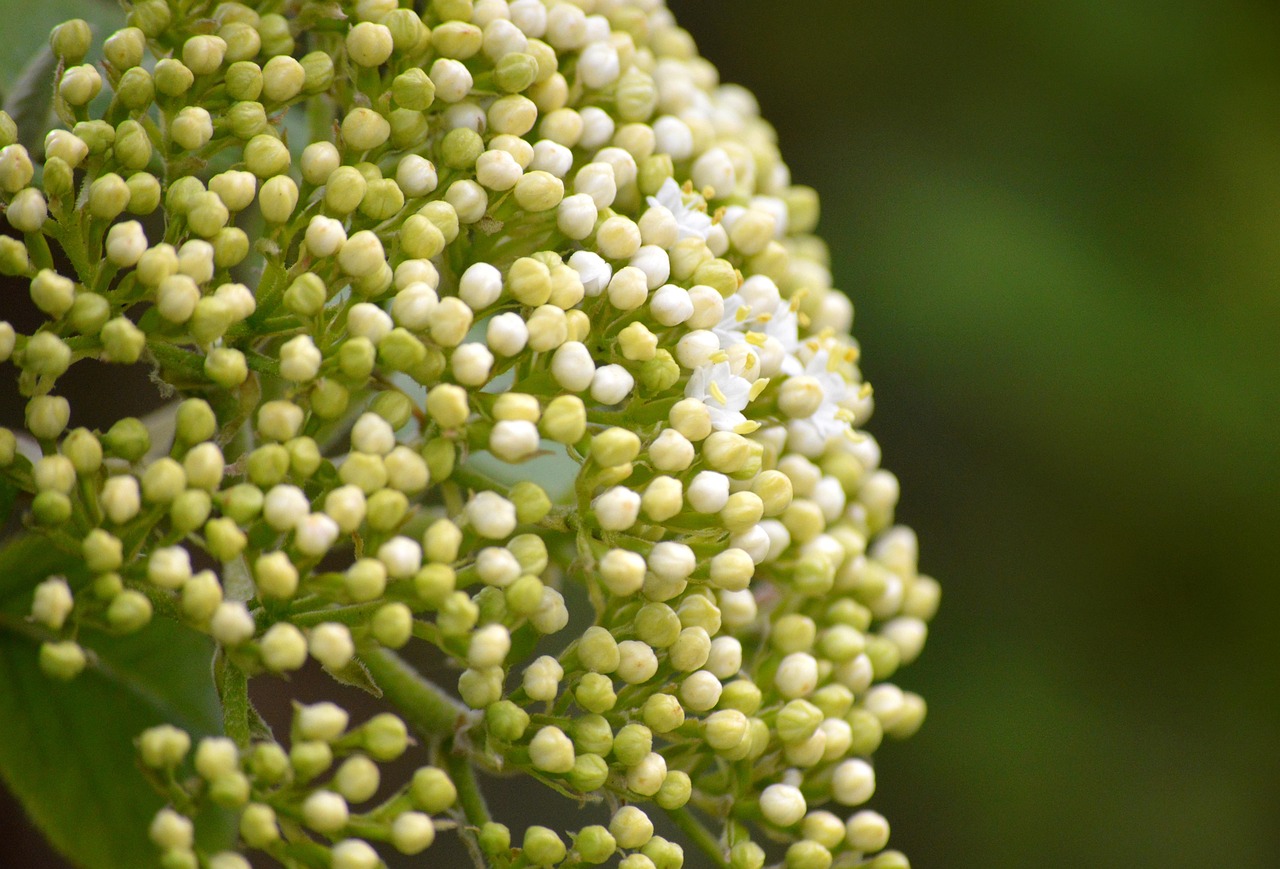
This is the version I’ve made dozens of times and taught to new herbalists. It’s a good base recipe that you can customize with additional supportive herbs.
Ingredients
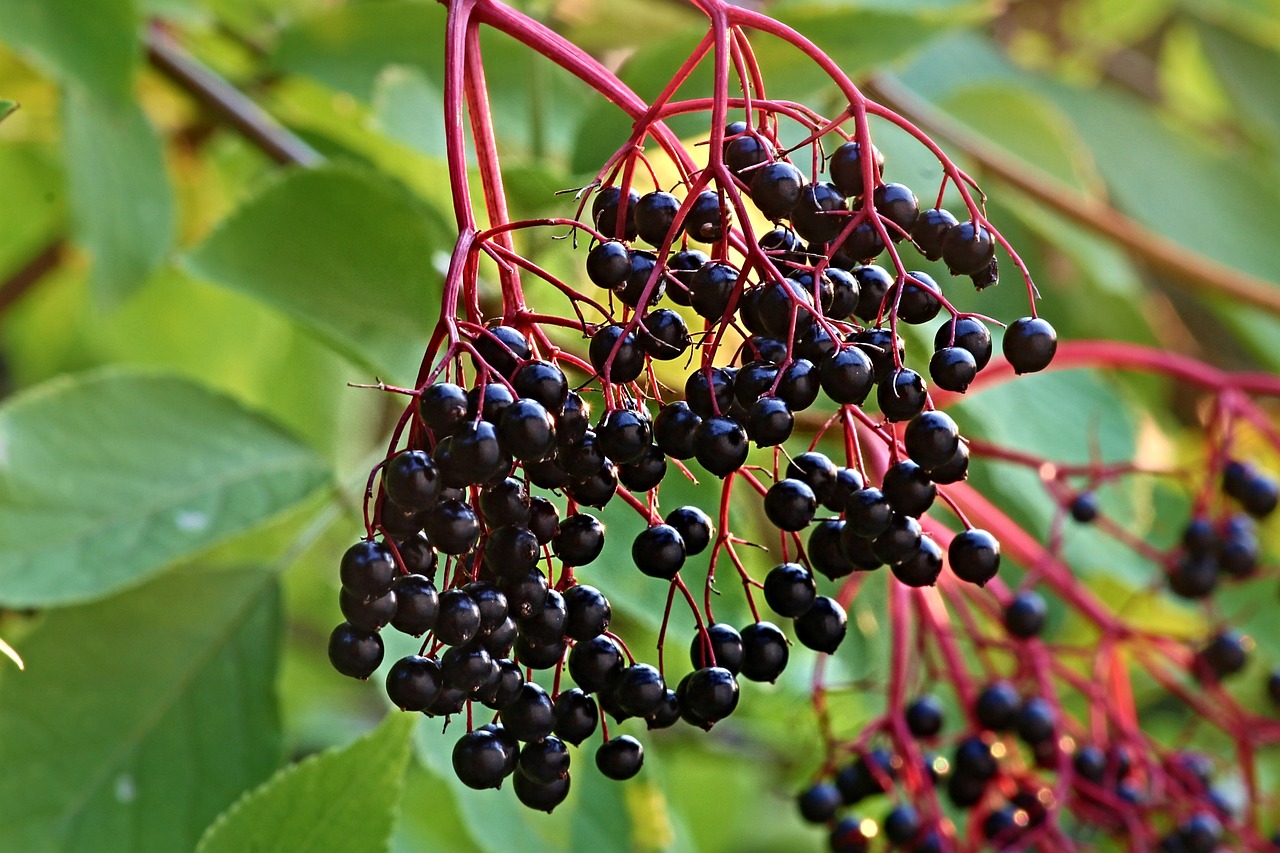
- 1 cup (about 100 g) dried elderberries
- 4 cups filtered water
- 1 tablespoon dried ginger root, or 2 tablespoons fresh ginger, sliced
- 1 cinnamon stick (optional)
- 5 whole cloves (optional)
- 1 cup raw honey (or maple syrup for vegans / infants… though infants shouldn’t have this anyway)
Method
- Combine elderberries, water, ginger, cinnamon, and cloves in a heavy-bottomed saucepan.
- Bring to a boil, then reduce heat and simmer uncovered for 45–60 minutes, until the liquid has reduced by about half. This simmer time is critical — at minimum 20 minutes, but longer is better for both flavor and safety.
- Remove from heat. Let cool until warm but not hot.
- Mash the berries against the side of the pot with a wooden spoon to extract as much liquid as possible.
- Strain through a fine-mesh strainer lined with cheesecloth or a nut milk bag. Squeeze to extract all liquid. Discard the solids.
- Let the strained liquid cool to about body temperature (below 110°F / 43°C) — this is important if you’re using raw honey, because temperatures above this destroy some of honey’s beneficial enzymes.
- Stir in the honey until fully dissolved.
- Pour into a clean glass bottle or jar with a tight-fitting lid. Label with the date.
Yield: About 2 cups of finished syrup.
Dosing
- Adults: 1 teaspoon (5 ml) up to 4 times daily at the first sign of cold or flu symptoms, or 1 tablespoon (3 teaspoons / 15 ml) once daily as a preventive during cold and flu season. Do not exceed 4 teaspoons (about 20 ml) per 24 hours — this is the adult ceiling used in the Tiralongo et al. 2016 Nutrients clinical trial and the upper bound we recommend for sustained use.
- Children 2 years and older: ½–1 teaspoon (2.5–5 ml) 1–2 times daily, not to exceed 2 teaspoons (10 ml) per 24 hours.
- Children 1–2 years: Small doses (¼–½ tsp) — discuss with a pediatric practitioner first. Use maple-sweetened version if appropriate.
- Infants under 1 year: Do NOT give honey-containing syrup to infants under 12 months of age due to the risk of infant botulism. This is unrelated to elderberry specifically but is a hard rule for any honey preparation.
Storage
Refrigerate and use within 4–6 weeks. The honey acts as a partial preservative and the high sugar content discourages microbial growth, but elderberry syrup is not shelf-stable at room temperature.
For longer storage: freeze in small portions (ice cube trays work well — each cube is about 1 tablespoon). Frozen syrup keeps 6–12 months.
Do not water-bath can this recipe. The National Center for Home Food Preservation (NCHFP) has not developed a tested safe home-canning recipe for elderberry syrup, and home canning of untested recipes carries real botulism risk. Refrigerate or freeze.
The “Cytokine Storm” Rumor

During the early COVID-19 pandemic, a rumor circulated that elderberry could “trigger a cytokine storm” in viral infections and should be avoided. The rumor traced back to a misreading of preclinical data showing that elderberry polyphenols can increase certain cytokine production in isolated immune cells — which, in the right context, is part of a normal healthy immune response, not pathological hyperactivation.
No clinical evidence supports the cytokine storm warning. Actual elderberry clinical trials in upper respiratory infection populations have not documented harmful immune hyperactivation. The 2019 meta-analysis of RCTs showed clinical benefit, not harm.
That said: if you have a diagnosed autoimmune condition or take immunosuppressant medication, the theoretical immunomodulatory activity of elderberry is a reasonable reason to consult your clinician before regular use. Not because of the cytokine storm rumor, but because any herb that affects immune signaling deserves a second thought in immunocompromised populations.
Variations
- With echinacea: Add 1 tablespoon dried echinacea root to the simmering pot for additional immune support.
- With astragalus: Add 1 tablespoon dried astragalus root for longer-term immune tonic use (not acute infection).
- With rosehips: Add 2 tablespoons dried rosehips for additional vitamin C.
- Sugar-free for diabetics: Replace honey with xylitol, monk fruit, or stevia-based sweetener. Shelf life is shorter without the honey preservative effect.
- Tincture version: For long-term storage and lower sugar, see our herbal tincture guide and use dried elderberries at a 1:5 ratio in 40% alcohol. Cooked / dried berries only.
Safety Profile: Elderberry (Sambucus nigra / Sambucus canadensis)
- Contraindications
- Raw or unripe berries, leaves, stems, bark, and roots of all Sambucus species are toxic due to cyanogenic glycosides (sambunigrin) and should never be consumed without thorough cooking. Use with caution in people with autoimmune disease, as the theoretical immunomodulatory activity of elderberry polyphenols may not be appropriate for conditions driven by immune overactivation. Sambucus racemosa (red elder) is considered more toxic than black elder species and should not be used medicinally.
- Drug interactions
- Theoretical interactions with several drug classes: (1) Immunosuppressants (cyclosporine, tacrolimus, azathioprine, biologics) — elderberry’s immune-stimulating activity may oppose these drugs. (2) Diuretics — elderberry has mild traditional diuretic activity and may produce additive fluid and electrolyte loss. (3) Diabetes medications (insulin, sulfonylureas, metformin) — elderberry may modestly lower blood glucose and could require dose adjustment or closer glucose monitoring.
- Pregnancy / lactation
- Cooked elderberry in normal culinary amounts (jam, syrup drizzled on food) is generally considered safe in pregnancy and lactation. Medicinal-dose elderberry syrup (teaspoon-level daily dosing) has not been formally studied in pregnant or lactating women, so clinician input is recommended before sustained use. Raw or unripe berries and any preparation made from leaves, bark, or stems must always be avoided during pregnancy and breastfeeding due to cyanogenic glycoside toxicity.
- Maximum recommended daily dose
- Adults: no more than 4 teaspoons (approximately 20 ml) of elderberry syrup per 24 hours, based on the dosing used in Tiralongo et al. 2016, Nutrients 8(4):182. Children 2 years and older: 1–2 teaspoons per day total depending on age and size. Children 1–2 years: no more than ¼–½ teaspoon per day and only with pediatric-practitioner guidance. Infants under 12 months: do not give any honey-containing syrup (botulism risk, unrelated to elderberry itself).
- Do not use if
-
- You have a diagnosed autoimmune condition (lupus, rheumatoid arthritis, MS, Crohn’s, psoriasis, Hashimoto’s, etc.) without consulting your clinician.
- You take immunosuppressant medication after organ transplant or for autoimmune disease.
- The berries are raw, unripe (green or red while on the plant), or you cannot confirm they have been simmered for at least 20–30 minutes.
- You have diabetes and are not in regular communication with your clinician about supplements that may affect glucose control.
- You are giving honey-containing syrup to an infant under 12 months of age.
- You cannot positively distinguish elderberry from pokeberry (Phytolacca americana) when wild-foraging — see the Lookalikes section above.
Frequently Asked Questions
Can I really not eat raw elderberries?
Correct — raw elderberries, along with the leaves, stems, and bark, contain cyanogenic glycosides that can cause significant illness at reasonable doses. The 1983 California outbreak and other documented cases make this a well-established real hazard, not theoretical caution. Cooking renders them safe. Dried berries from reputable herb suppliers have been processed appropriately and are the easiest starting point.
Is it safe to take elderberry every day?
For most healthy people, yes — daily use during cold and flu season is a common traditional practice and has not been associated with significant adverse effects. For people with autoimmune conditions, immunosuppression, or on medications that affect immune function, a conversation with a clinician first is prudent.
What about elderflower — is that the same?
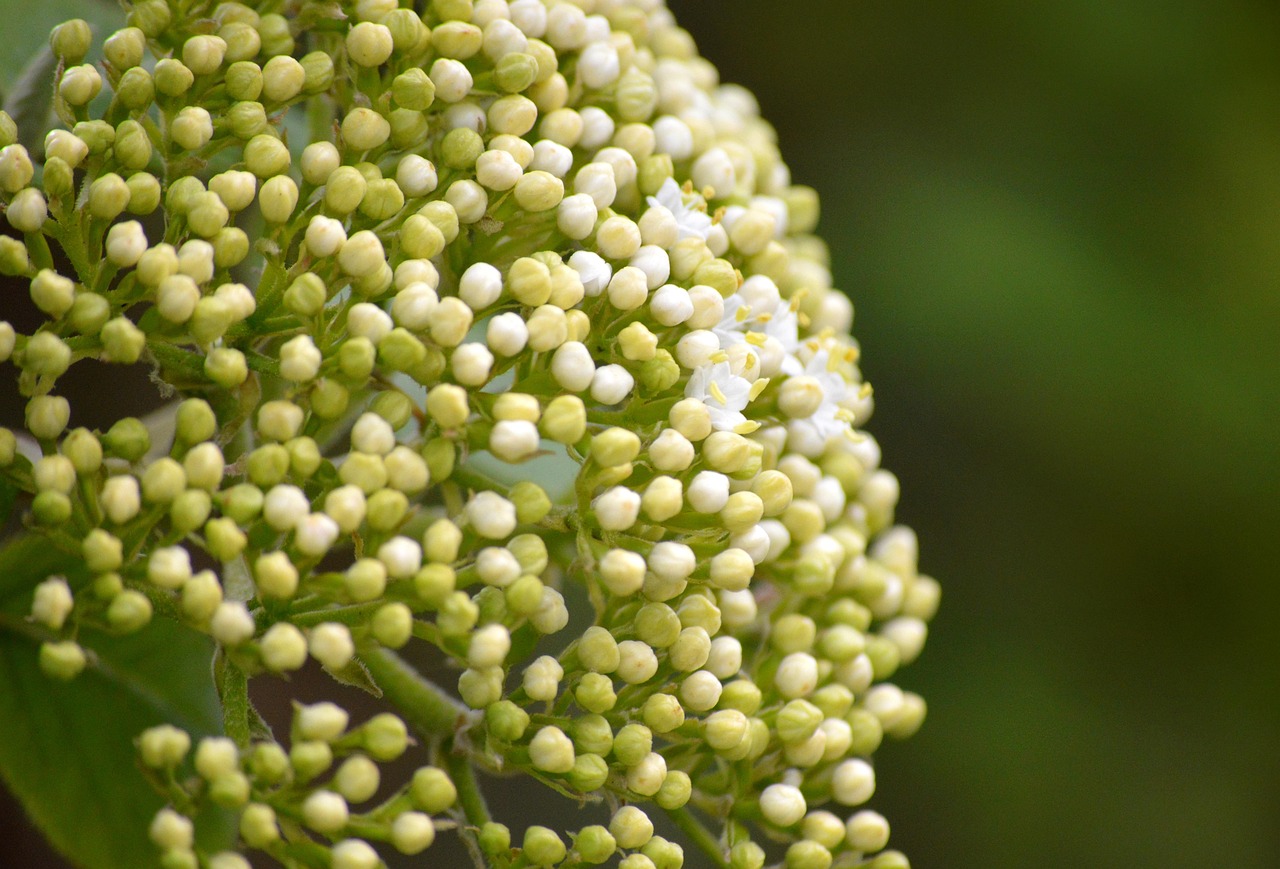
Elderflowers come from the same plant but have different traditional uses (diaphoretic for fever, respiratory support) and are handled differently — they don’t contain the same cyanogenic glycosides as the unripe berries, though any plant material should still be cooked or dried before internal use. Elderflower champagne and elderflower cordial are traditional summer preparations.
The Bottom Line
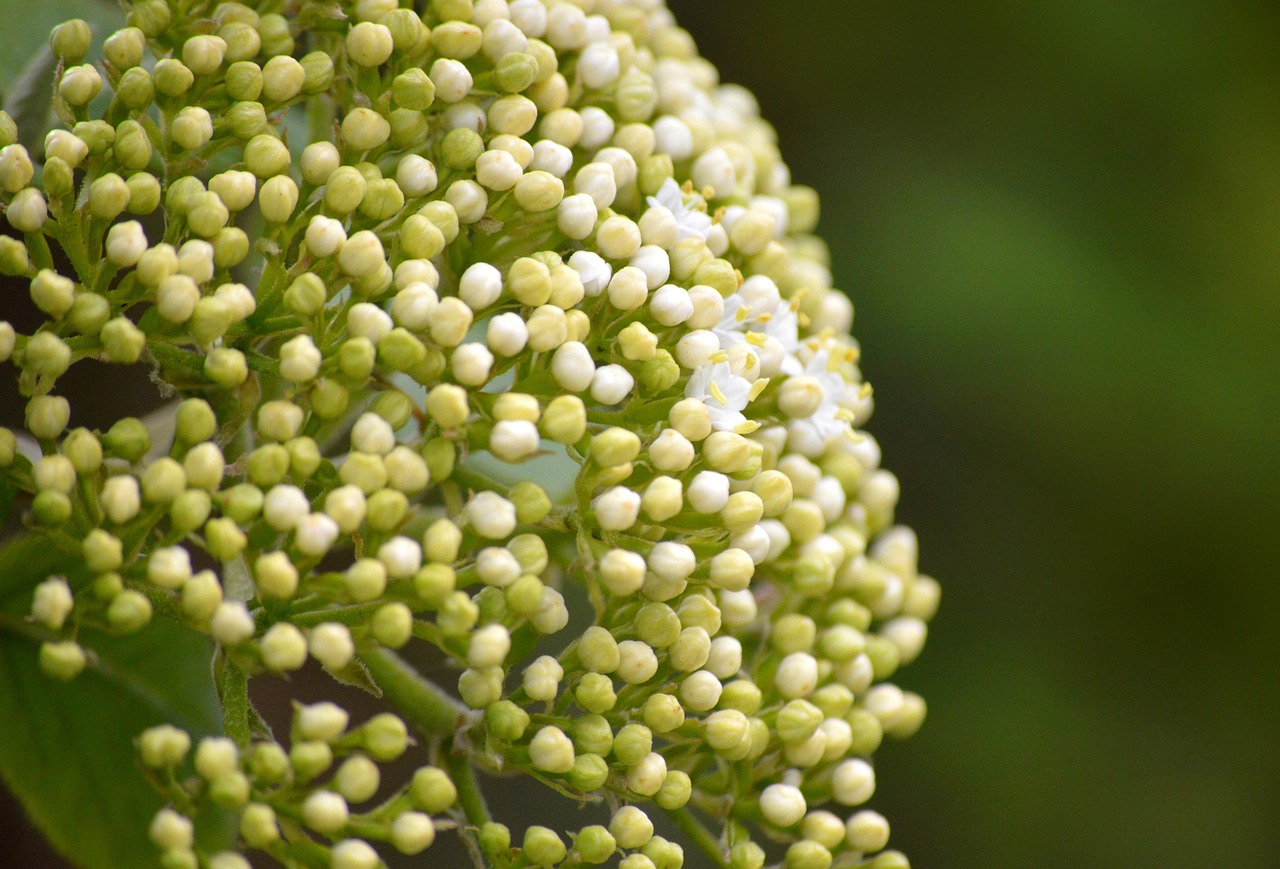
Elderberry syrup is one of the most practical and research-supported home herbal remedies in the Western tradition. The 2019 meta-analysis gives us genuine evidence that it reduces upper respiratory symptom duration, the preparation is simple and forgiving, and the taste is good enough for daily use. Just remember: cook the berries, no honey for babies, refrigerate or freeze, and skip the cytokine storm panic.
See also: best herbs for sleep, how to make an herbal tincture.
References
- Hawkins J et al. “Black elderberry (Sambucus nigra) supplementation effectively treats upper respiratory symptoms: A meta-analysis of randomized, controlled clinical trials.” Complement Ther Med. 2019;42:361–365.
- Tiralongo E, Wee SS, Lea RA. “Elderberry Supplementation Reduces Cold Duration and Symptoms in Air-Travellers: A Randomized, Double-Blind Placebo-Controlled Clinical Trial.” Nutrients. 2016;8(4):182.
- CDC. “Poisoning from Elderberry Juice — California.” MMWR. 1984;33(13):173–174.