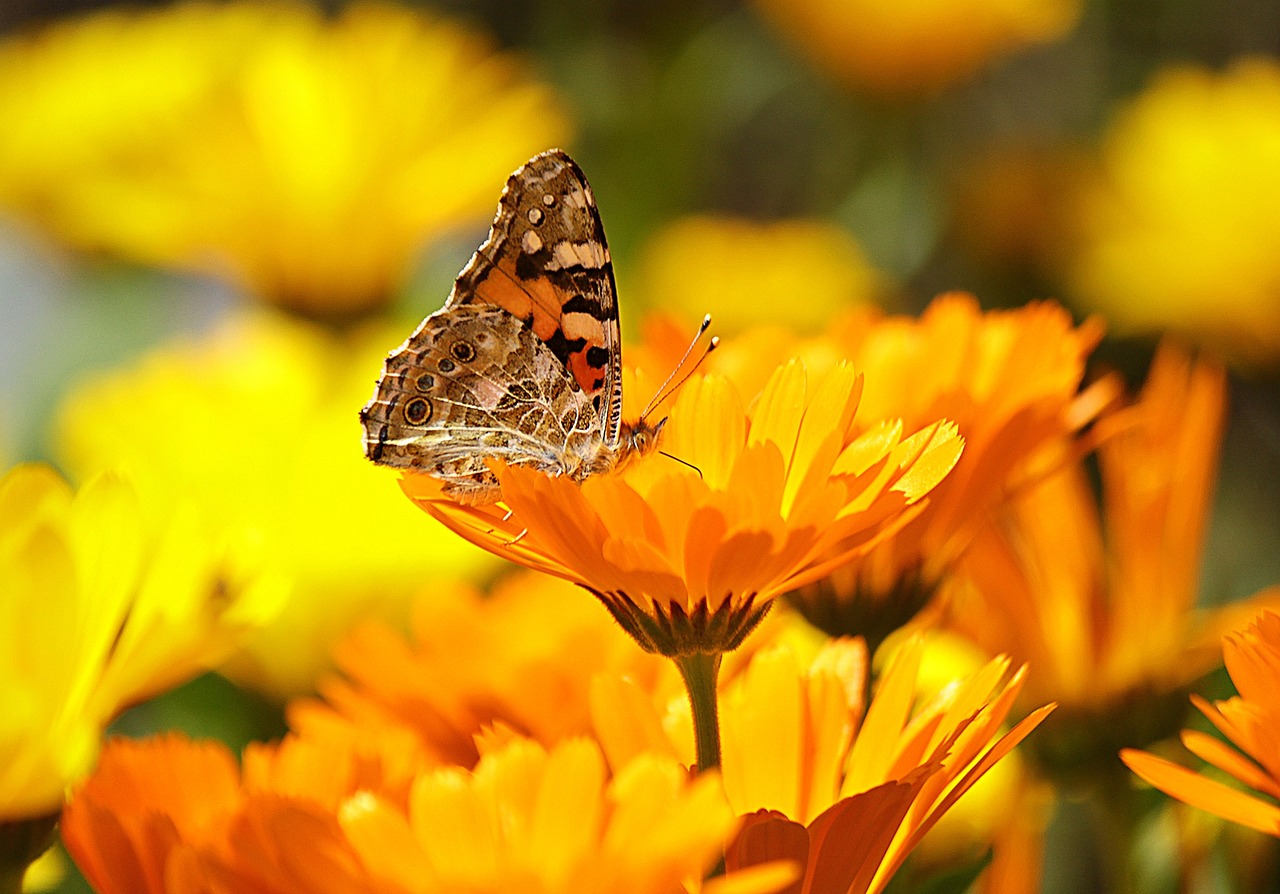
Calendula salve is the first herbal preparation most new herbalists learn to make, and for good reason: it’s almost impossible to mess up, the ingredients are cheap and shelf-stable, and the finished product is genuinely useful for chapped hands, minor cuts, baby’s diaper area, rough elbows, gardener’s hands, and a dozen other everyday skin situations.
And unlike a lot of herbal traditional claims, calendula has real clinical evidence behind it. A notable randomized controlled trial cited by Memorial Sloan Kettering found calendula cream comparable to standard treatment “for the prevention of acute dermatitis during irradiation for breast cancer” (MSK About Herbs). A cream that holds its own against pharmaceutical standards for radiation-induced skin damage is a serious preparation — not folk magic.
This guide walks through the whole process: what calendula does, how to grow and dry the flowers, two methods for making infused oil (fast and slow), the exact oil-to-beeswax ratio for a shelf-stable salve, how to adjust firmness for your climate, and how to store the finished product so it doesn’t go rancid.
Key Takeaways
- Calendula has real clinical evidence for wound healing and radiation dermatitis.
- Use weight, not volume, for ratios. The standard shelf-stable salve is 1 oz (28 g) beeswax per 1 cup (240 ml) of infused oil — or about a 1:8 ratio by weight.
- Use dried flowers, not fresh. Fresh herbs in oil can harbor Clostridium botulinum — a real, rare, but serious risk.
- Shelf life is 12–18 months with proper ingredients and storage; add vitamin E oil to extend.
- Ragweed allergy is a real caveat. Calendula is in the daisy family and can cross-react.
What Calendula Does for Skin
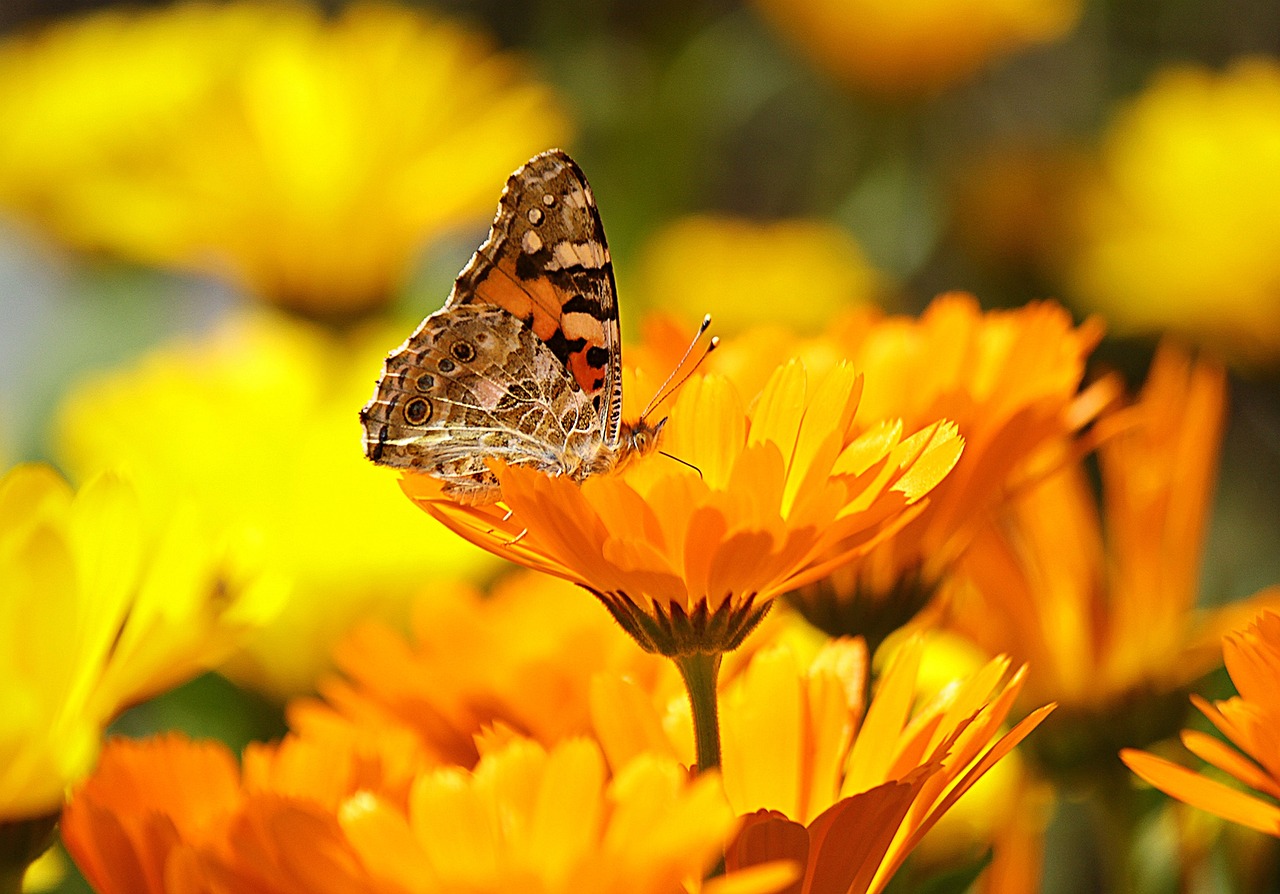
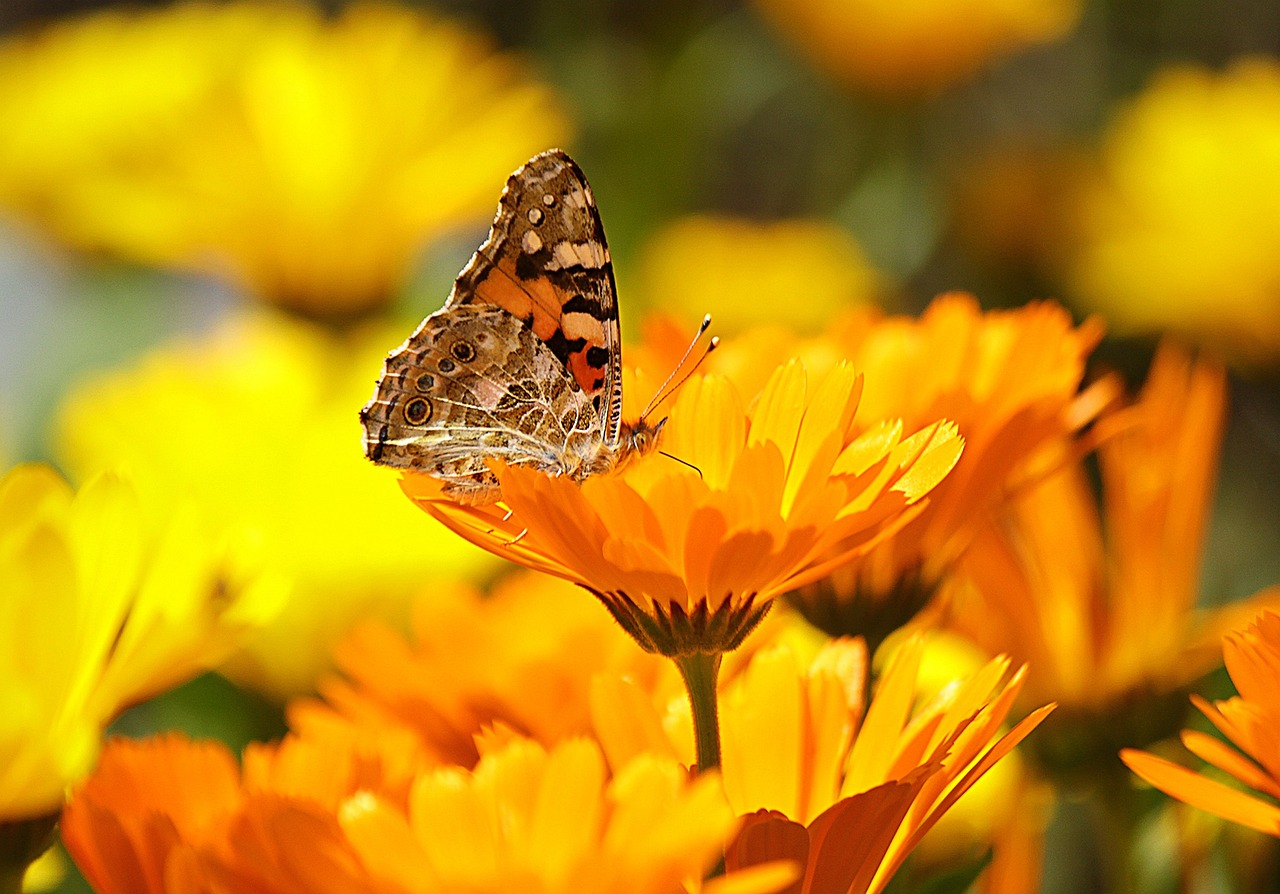
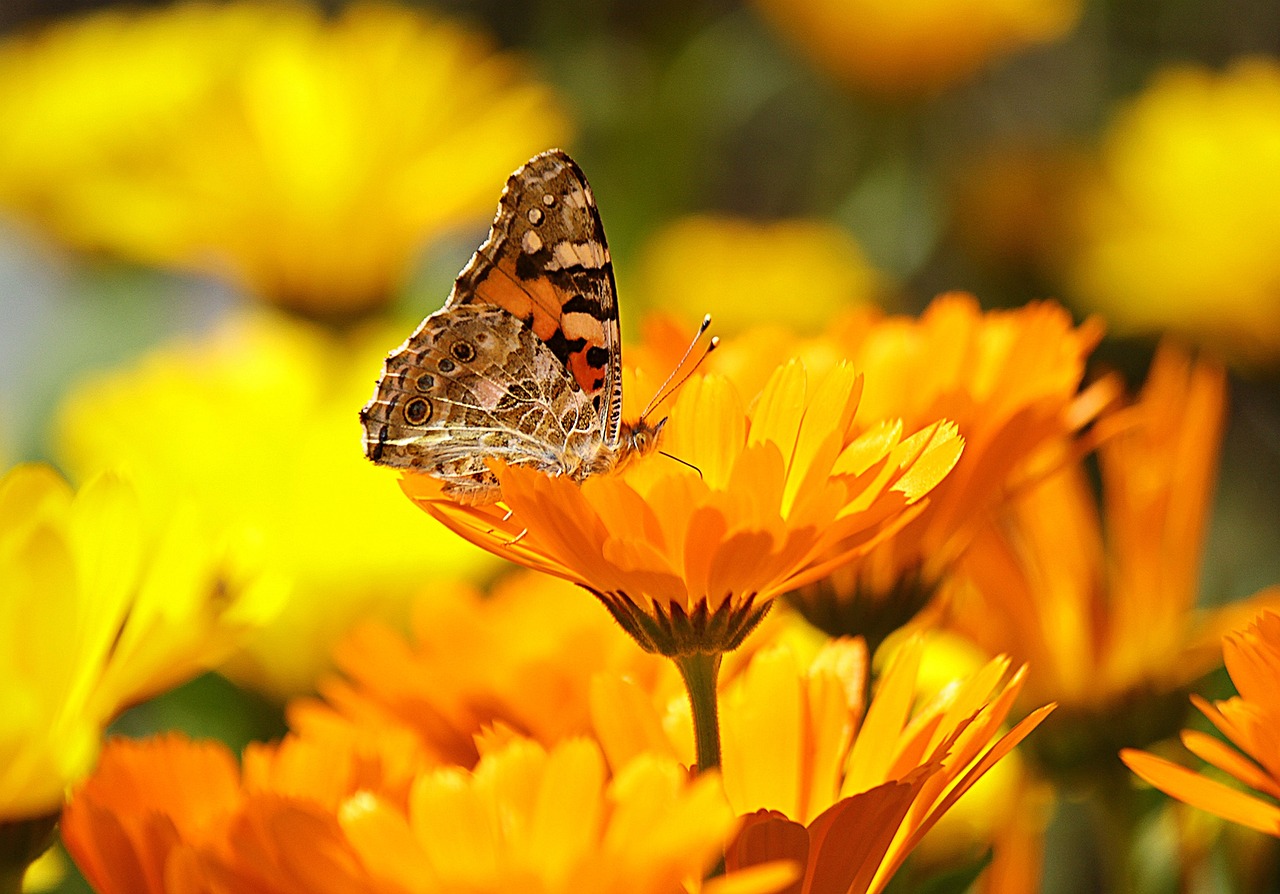
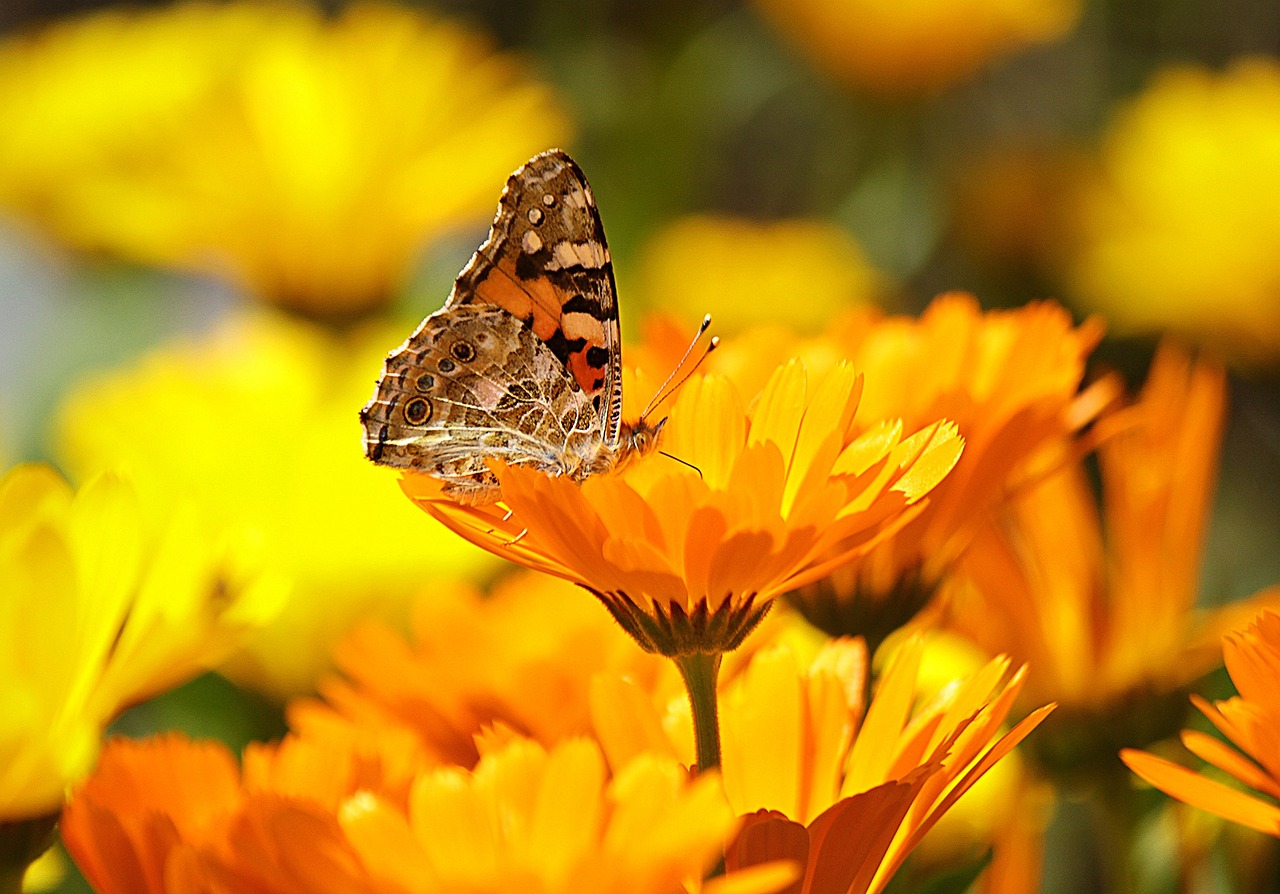
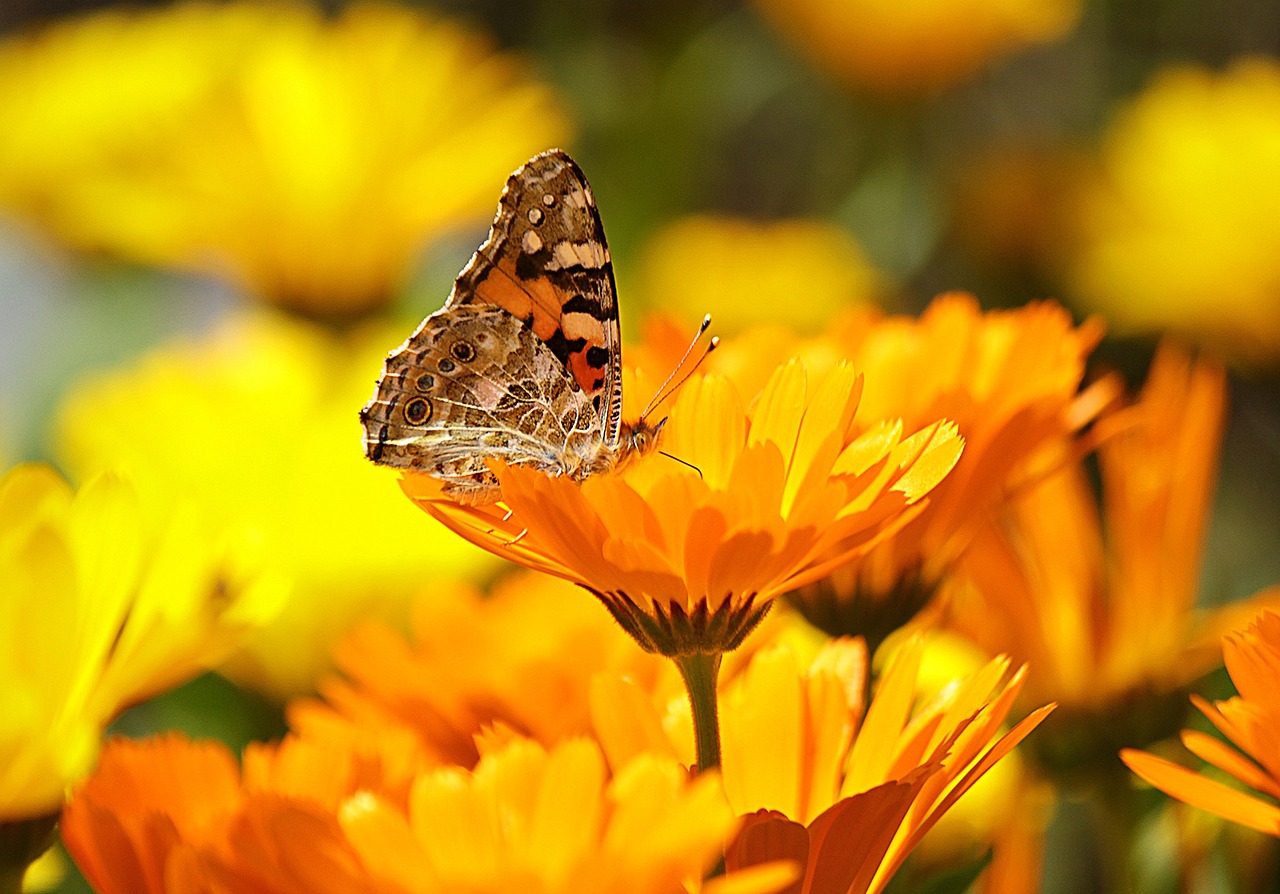
Calendula (Calendula officinalis) is an annual flower in the Asteraceae family, native to southern Europe but grown worldwide as both an ornamental and a medicinal herb. The bright orange and yellow flowers contain triterpenoid saponins, carotenoids (lutein and beta-carotene), flavonoids, and essential oils — a combination that has been documented to have anti-inflammatory, antioxidant, antimicrobial, and wound-healing effects in both preclinical and human studies (MSK).
The strongest clinical application is in radiation dermatitis — the painful skin reaction many cancer patients experience during radiation therapy. A randomized controlled trial found calendula cream comparable to standard care for preventing acute radiation dermatitis in breast cancer patients (MSK). Additional research supports calendula for minor wound healing, diaper rash in infants, chemotherapy-induced mouth sores (as a mouth rinse), and general skin irritation.
For a home salve, the practical uses are the everyday ones: chapped lips and hands, minor scrapes, dry patches, rough heels, baby’s bottom, kitchen burns, and the general wear and tear of skin that works for a living.
Step 1: Sourcing Calendula
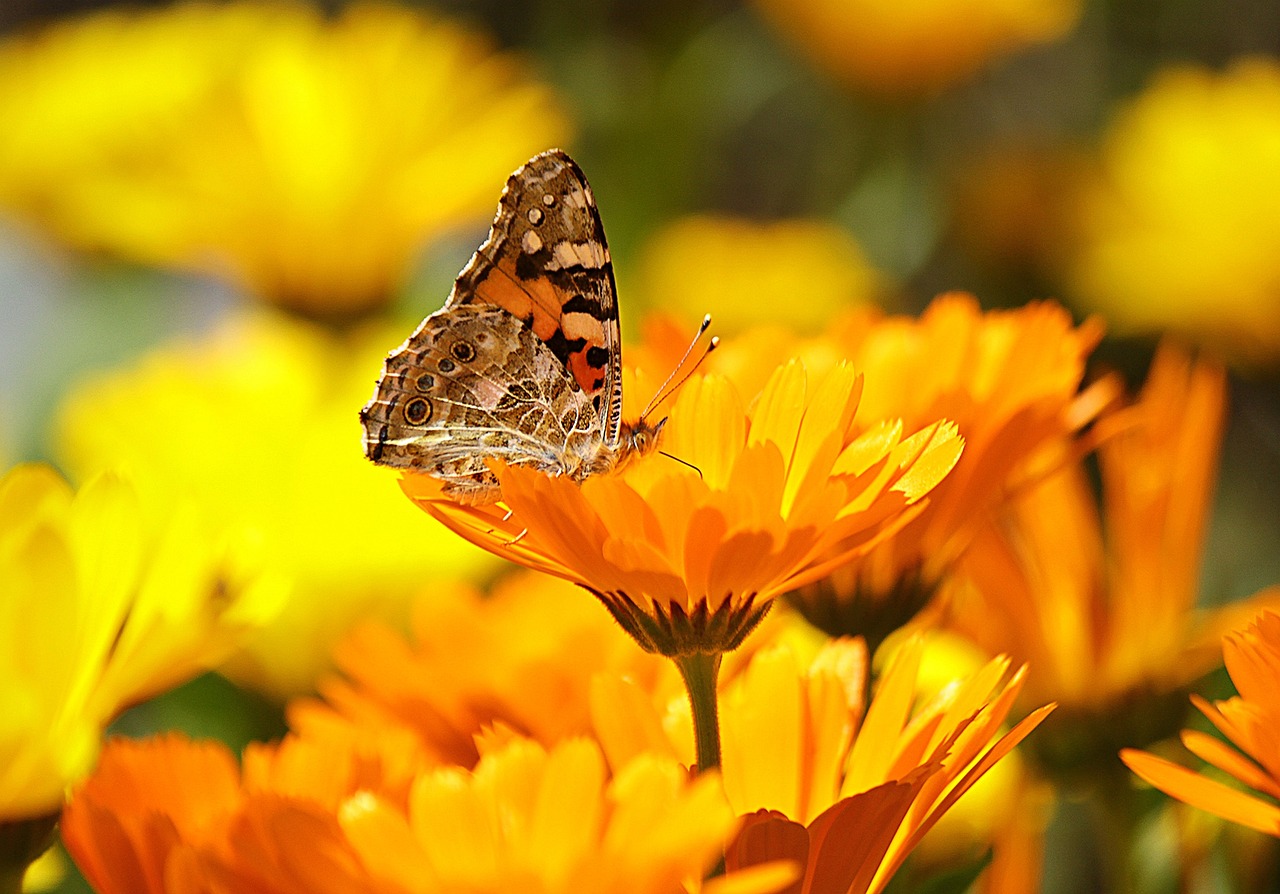
You have three options: grow your own, buy dried flowers, or buy tincture.
Growing calendula
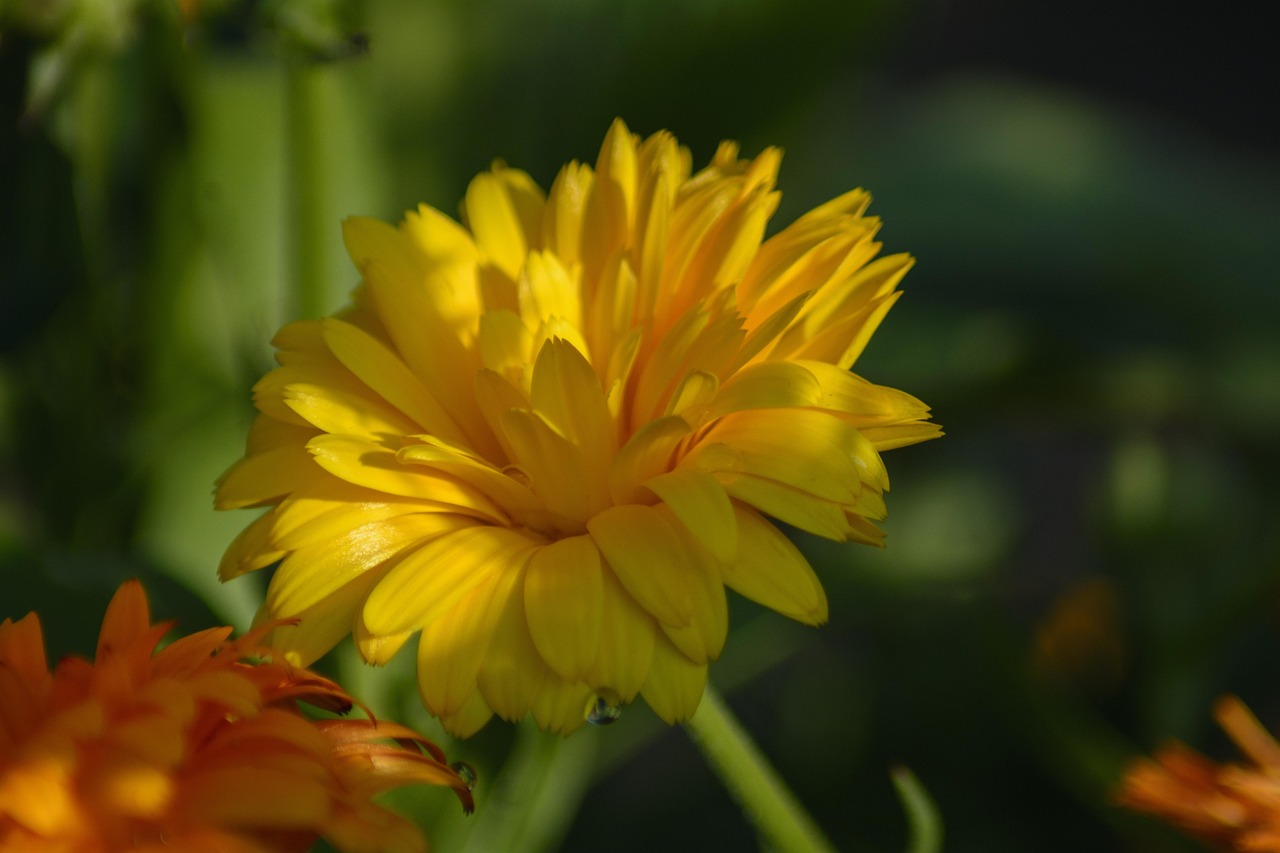
Calendula is one of the easiest annual flowers to grow. It thrives in full sun with average soil, tolerates cool weather (including light frosts), and self-seeds so reliably it often returns without any effort on your part. Direct-sow in spring after last frost, or start indoors 4–6 weeks before. Plants flower 6–8 weeks from seed and continue blooming all summer if you deadhead regularly. Harvest whole flower heads when they are fully open and early in the morning after dew has dried. Spread them on a screen or paper towel and dry out of direct sun for 1–2 weeks until the petals feel crisp.
Buying dried flowers
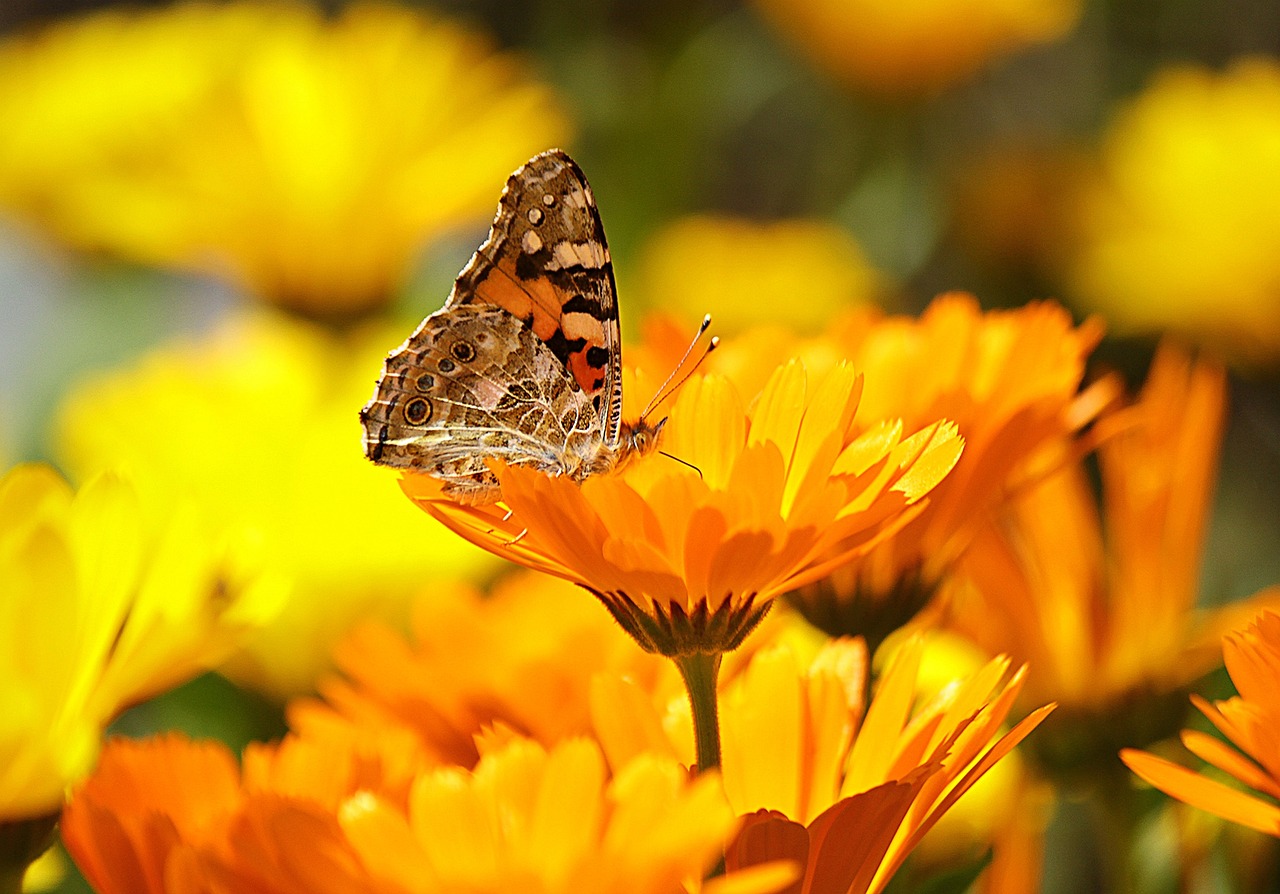
Bulk dried calendula flowers are available from most herb suppliers (Mountain Rose Herbs, Starwest Botanicals, Frontier Co-op). Look for whole flower heads that are still bright orange or yellow — faded, brown, or dusty flowers are old and less potent. A pound of dried calendula will make more salve than most households will use in a year.
Step 2: Making Calendula-Infused Oil
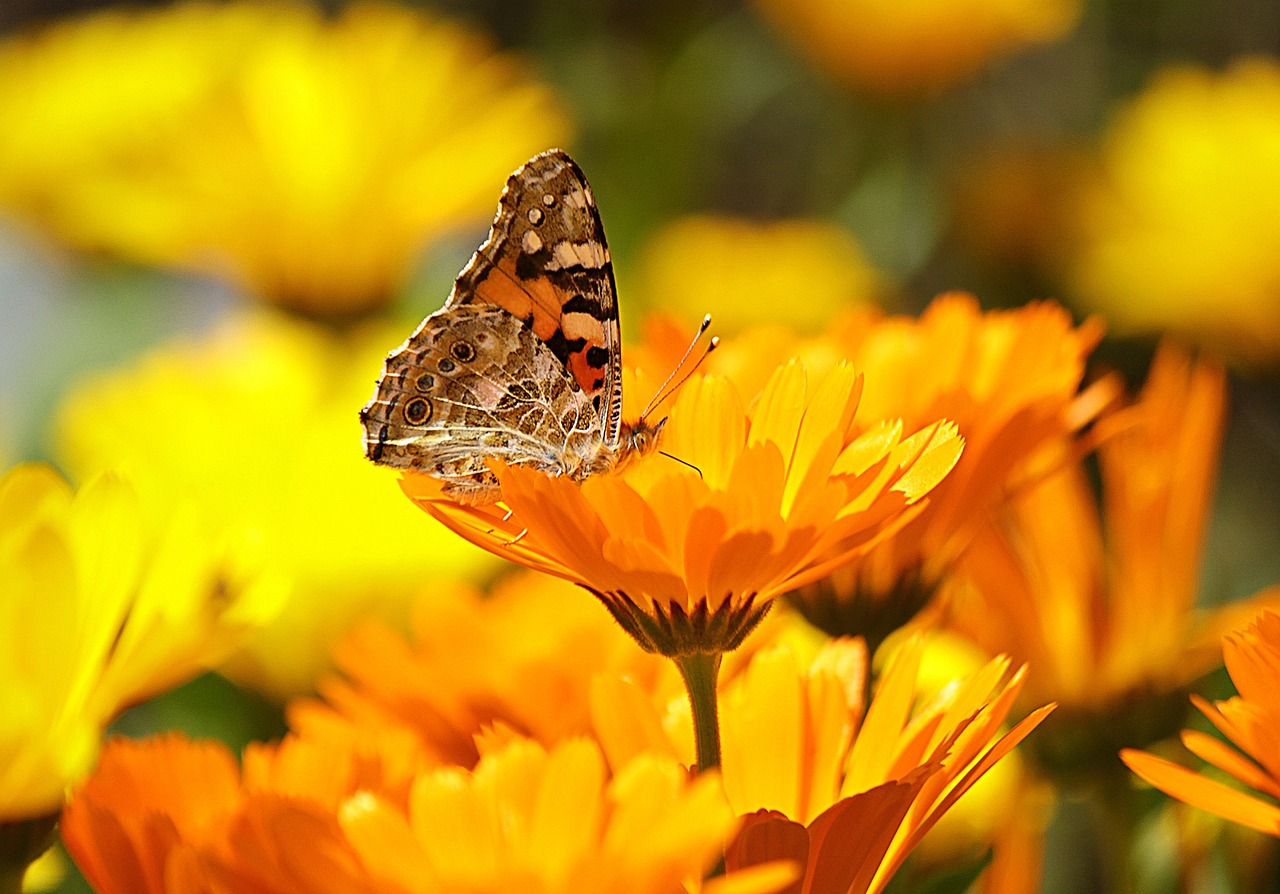
You need oil infused with calendula before you can make salve. The oil is the carrier for the plant’s bioactive compounds. There are two main methods:
Method A: Slow solar infusion (traditional, 4–6 weeks)

- Fill a clean, dry glass jar loosely about two-thirds full with dried calendula flowers. Do not pack tightly.
- Pour good-quality oil over the flowers until they are completely submerged and the oil reaches about ½ inch above the top of the flowers. (Olive oil, sunflower, sweet almond, or jojoba all work. Olive oil is the traditional choice.)
- Cap tightly and place in a warm spot with indirect sunlight — a sunny windowsill works. Some traditions do this in full sun on a windowsill for the warmth; others do it in a dark cupboard to preserve delicate compounds. Both work.
- Shake the jar gently every day or two.
- After 4–6 weeks, strain through cheesecloth or a fine-mesh strainer lined with coffee filter paper. Squeeze the flowers firmly to extract all the oil. Let the oil settle, then decant off the top, leaving any sediment behind.
- Store in a clean, dry bottle away from light until ready to use.
Method B: Fast heat infusion (double-boiler, 2–4 hours)
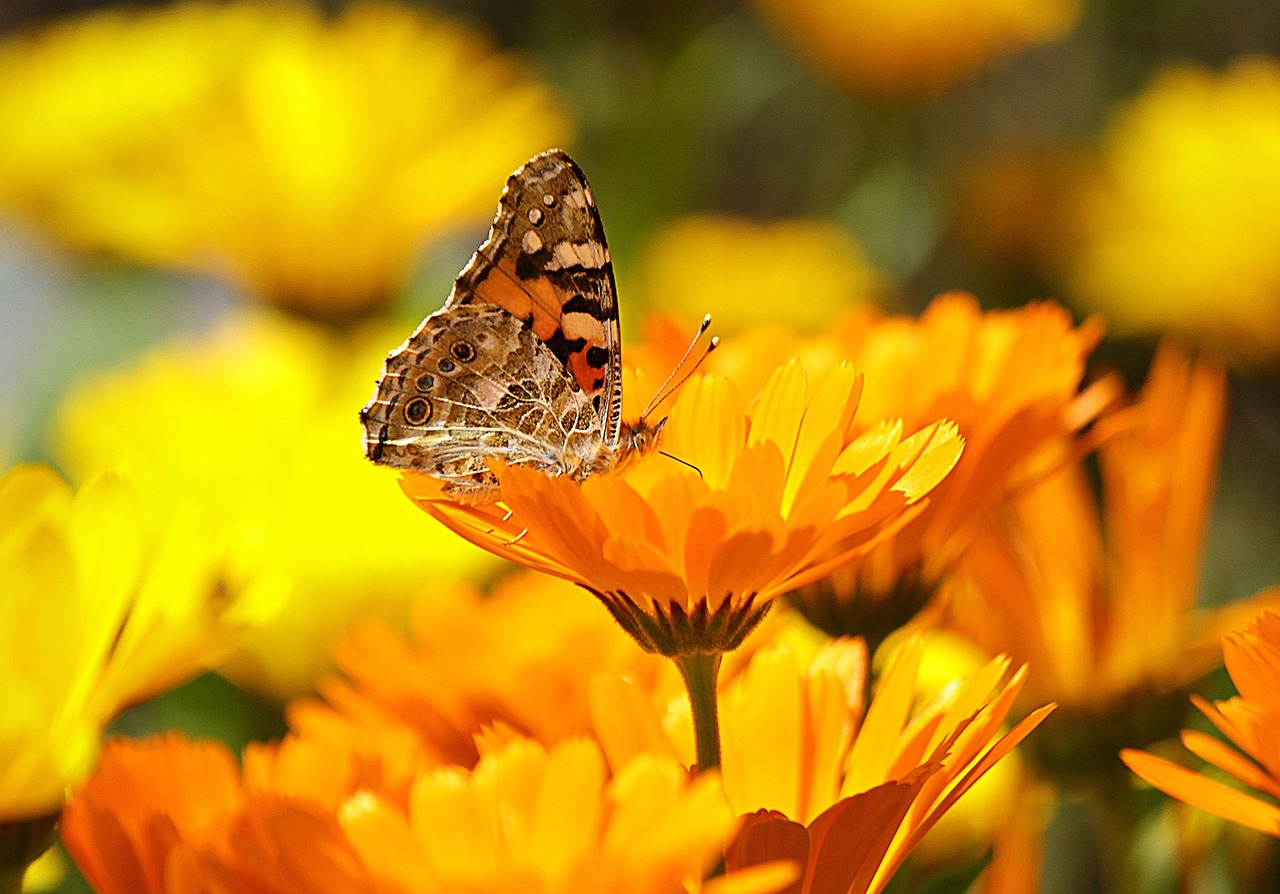
- Place dried calendula flowers and oil in the top of a double boiler (or a glass bowl set over a pot of simmering water).
- Heat gently — the oil should be warm, not hot. Aim for 100–120°F (38–50°C). Use a thermometer if you have one; if not, err cool.
- Maintain gentle heat for 2–4 hours, stirring occasionally.
- Strain and bottle as above.
Critical safety note: Use dried, not fresh, flowers. Fresh plant material in oil creates anaerobic conditions in which Clostridium botulinum can grow, producing the botulinum toxin — an extremely rare but potentially fatal risk. Dried herbs are the standard and the safe choice. (This same rule applies to any herb-in-oil preparation. See our preparation guides for more on preparation safety.)
Step 3: Making the Salve
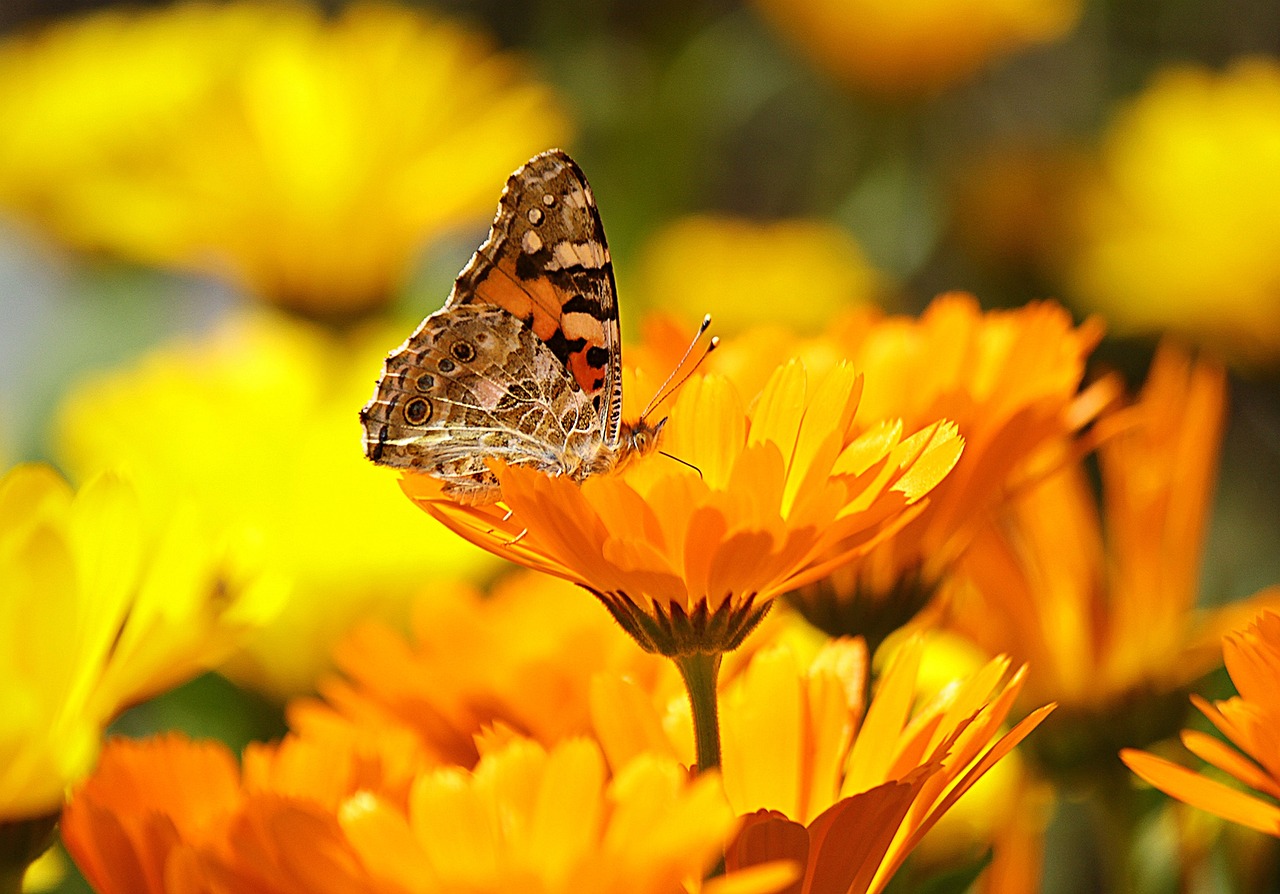
The ratio
The standard shelf-stable salve uses roughly 1 ounce of beeswax per 1 cup of infused oil, or about a 1:8 ratio by weight (1 part beeswax to 8 parts oil). This produces a salve that is solid at room temperature, melts on skin contact, and spreads easily.
Adjusting firmness:
- Softer salve (for lips, face, babies): reduce to 0.75 oz beeswax per cup of oil, or a 1:10 ratio.
- Firmer salve (for hot climates or stick formulations): increase to 1.25–1.5 oz beeswax per cup, or a 1:6 ratio.
- Test first: drop a small amount of melted salve onto a cool plate or freezer-cold spoon. Let it set for 30 seconds and check the consistency. Still too soft? Add more beeswax. Too hard? Add more oil.
Making the salve
- Measure 1 cup (about 240 ml / 215 g) of strained calendula-infused oil into a clean double boiler or heat-safe glass measuring cup.
- Add 1 ounce (28 g) of grated beeswax or beeswax pastilles.
- Heat gently over simmering water, stirring, until the beeswax is fully melted and the mixture is uniform.
- Remove from heat. Optional additions:
- Vitamin E oil (1–2 capsules worth, or ¼ teaspoon) — natural antioxidant that extends shelf life.
- Essential oils for fragrance and additional properties (lavender, tea tree, or frankincense at 20–40 drops per cup of oil). Do not add essential oils for baby salves.
- Pour immediately into clean, dry jars or tins before the mixture begins to set. 2 oz and 4 oz glass or metal tins work well.
- Let cool at room temperature undisturbed until fully solid — usually 1–2 hours.
- Cap tightly and label with contents and date.
Storage and Shelf Life

Properly made calendula salve stored in a cool, dark place will keep for 12–18 months. Warm storage shortens the shelf life. Signs that your salve has gone rancid: off smell (sharp, stale, or “old crayon”), darkening color, or a bitter taste. Discard if any of these appear. Adding vitamin E oil extends shelf life; using a higher-oxidation-resistance carrier oil (jojoba, fractionated coconut) also helps.
Using Calendula Salve
Apply a thin layer to clean, dry skin as needed. Common uses:
- Chapped lips and hands — especially in winter.
- Minor cuts and scrapes — after cleaning, apply a thin layer to support healing. Not for deep or puncture wounds.
- Diaper rash — calendula is traditionally used and well tolerated in infants.
- Rough heels and elbows — apply before bed, cover with socks for heels.
- Minor kitchen burns — after the burn has cooled and the skin is intact.
- Dry patches and eczema-prone skin — as a daily moisturizer.
Do not apply to: deep wounds, puncture wounds, animal bites, infected wounds, or serious burns. These require medical care, not salve.
Safety

Ragweed allergy. Calendula is in the Asteraceae (daisy) family. People with severe ragweed, chamomile, or arnica allergies may cross-react. If you have a known Asteraceae allergy, patch-test before broad use: apply a small amount to the inside of your wrist and wait 24 hours.
Pregnancy. Topical calendula is generally considered safe in pregnancy, though internal use (tincture, tea) should be avoided due to insufficient data.
Children and infants. Topical calendula, without added essential oils, is one of the gentlest herbal preparations and is commonly used for babies’ skin.
Frequently Asked Questions
Can I use fresh calendula flowers?
No, not for shelf-stable oil. Fresh plant material in oil creates conditions where Clostridium botulinum can grow, producing a rare but potentially fatal toxin. Always use fully dried flowers for infused oils intended for storage. If you absolutely must use fresh, the resulting oil must be refrigerated and used within two weeks — and I still don’t recommend it for beginners.
Which oil is best?
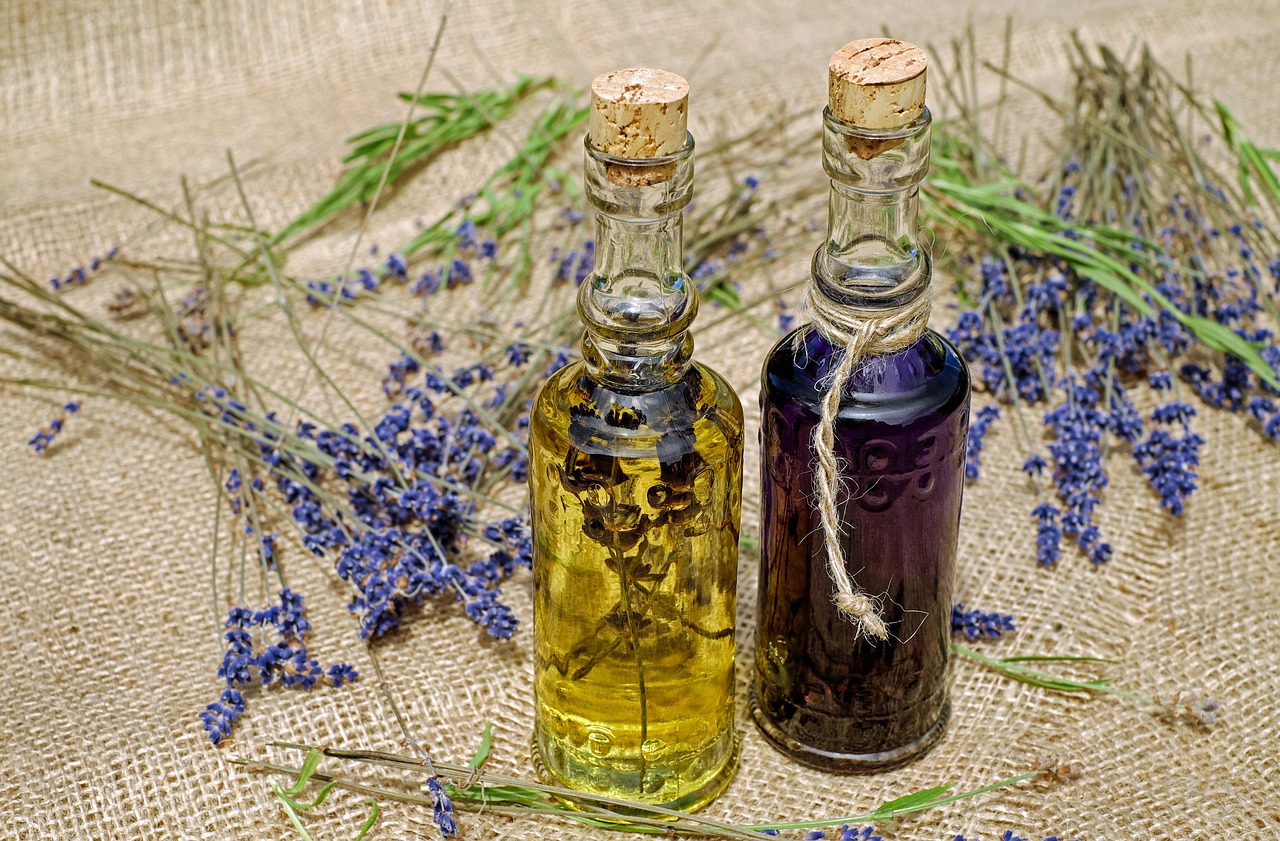
Olive oil is the traditional choice, inexpensive, and makes a good salve. For longer shelf life, jojoba oil (which is technically a liquid wax and resists oxidation) or fractionated coconut oil are better choices. For a face-focused salve, sweet almond oil or jojoba are pleasant. Avoid refined, bleached, or deodorized oils — they have been stripped of the antioxidants that protect against rancidity.
How much beeswax do I really need?

Start with 1 ounce per cup of oil. Once your mixture is melted, drop a small amount onto a cold plate or the back of a metal spoon to test the firmness. Too soft? Add more wax. Too hard? Add more oil. Write down what ratio worked for you and next time you’ll know.
Can I make this without beeswax?
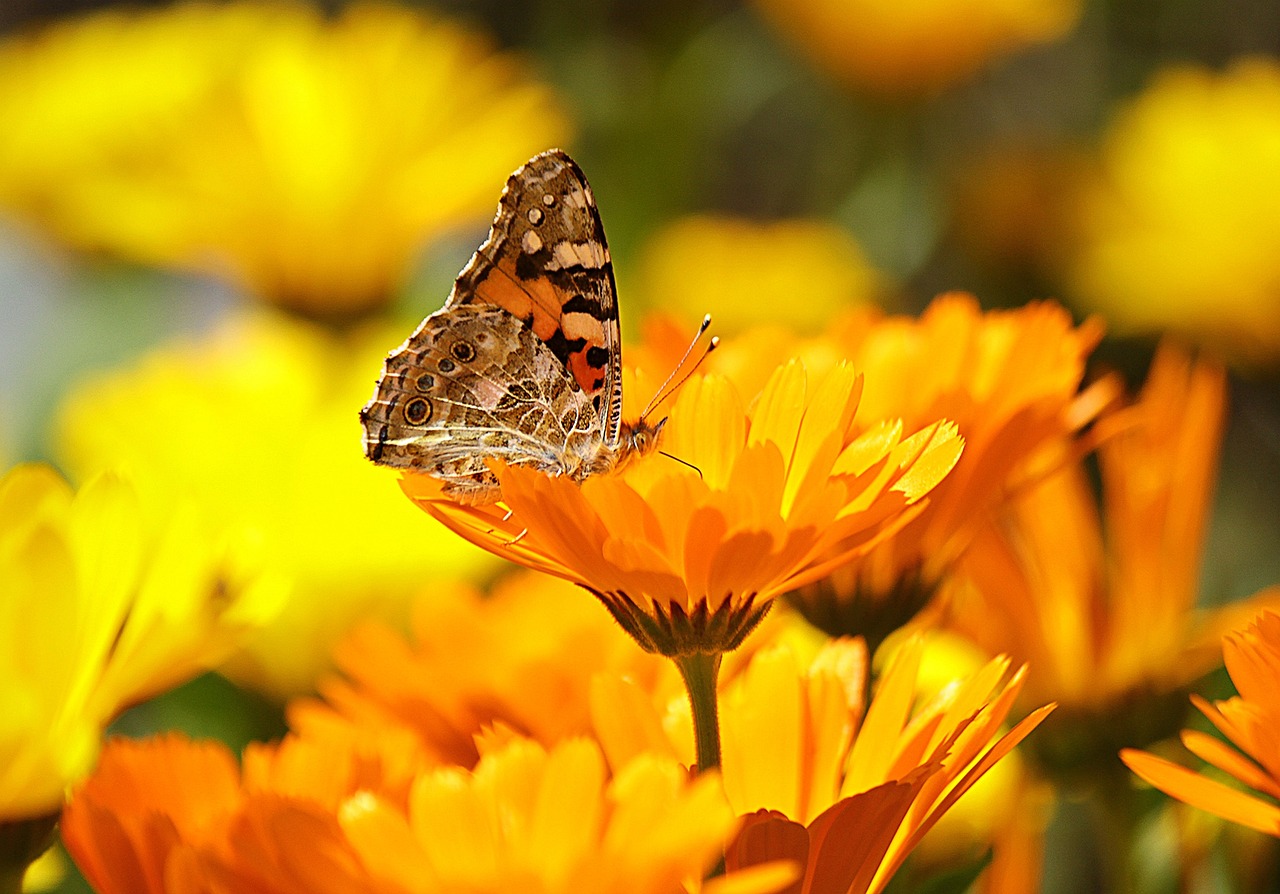
Yes — for a vegan version, you can use candelilla wax (about 2/3 the amount of beeswax because it’s firmer) or carnauba wax. The texture will be slightly different but the basic principles are the same.
The Bottom Line

Calendula salve is the ideal first herbal preparation for anyone interested in making their own remedies. The ingredients are cheap, the process is forgiving, the finished product is genuinely useful, and calendula has real research behind it. Use dried flowers, weigh your ingredients, store the finished salve in a cool dark place, and you’ll have a shelf-stable remedy for a year of small skin troubles.
See also: how to make an herbal tincture, 10 medicinal herbs every beginner should grow.
Safety Profile: Calendula Salve — Topical (Calendula officinalis)
- Contraindications
- Known allergy to Asteraceae (daisy) family — includes ragweed, chamomile, echinacea, chrysanthemum. Cross-reactivity has been reported in 5–10% of individuals with Asteraceae allergies (Paulsen, 2002, Contact Dermatitis). Open or deeply infected wounds should be assessed by a clinician before applying any herbal salve. Not for use in the eyes or on mucous membranes unless the preparation has been compounded specifically for ophthalmic or oral mucosal use.
- Drug interactions
- Topical calendula has minimal systemic absorption and few documented drug interactions. Avoid layering topical calendula salve directly under or over prescription topicals (steroids, antibiotics, retinoids) without provider guidance — the oil base can alter absorption kinetics. If combined with warfarin therapy, note that large-surface-area application to broken skin may theoretically contribute trace coumarin exposure — monitor INR if applying to extensive areas over long periods.
- Pregnancy / lactation
- Topical use on intact skin at normal application sites is generally considered safe during pregnancy and lactation. Avoid applying to the nipple area during breastfeeding or immediately before a feed — the salve base can interfere with latch and infants may ingest residual oils. Do not apply to the perineum or genital area during pregnancy without provider guidance. Internal (oral) use of calendula during pregnancy is not recommended due to theoretical uterine activity.
- Maximum recommended daily dose
- Topical application: apply a thin layer (¼ teaspoon or less) 1–4 times daily to the affected area. Do not cover more than approximately 10% of total body surface area at one time. Discontinue after 2–3 weeks of continuous use unless a clinician advises otherwise — prolonged use can rarely lead to sensitization. For diaper rash or infant skin: patch-test a small area 24 hours before broader application and consult a pediatrician for infants under 6 months.
- Do not use if
-
- You have a known Asteraceae family allergy (ragweed, daisy, chamomile, echinacea, chrysanthemum)
- You develop redness, itching, swelling, or rash after a patch test
- The wound is deep, infected, actively bleeding, or unhealed surgical incision
- You are applying before breastfeeding on the nipple area
- You are treating an infant under 6 months (consult pediatrician first)
- You have a known sensitivity to beeswax, coconut oil, or any carrier oil used in the preparation
References
- Memorial Sloan Kettering Cancer Center. “Calendula” About Herbs. mskcc.org
- Pommier P et al. “Phase III randomized trial of Calendula officinalis compared with trolamine for the prevention of acute dermatitis during irradiation for breast cancer.” J Clin Oncol. 2004;22(8):1447–1453.
- Givol O et al. “A systematic review of Calendula officinalis extract for wound healing.” Wound Repair Regen. 2019;27(5):548–561.